Tag: Israel

  • Middle East Peace: Why Jerusalem Matters

    Middle East Peace: Why Jerusalem Matters

    Since Israel’s independence, the status of Jerusalem has been contested. The international community maintains that Jerusalem is integral to the future of any settlement between Israel and Palestine, much to the displeasure of interested parties.

    What is Jerusalem?

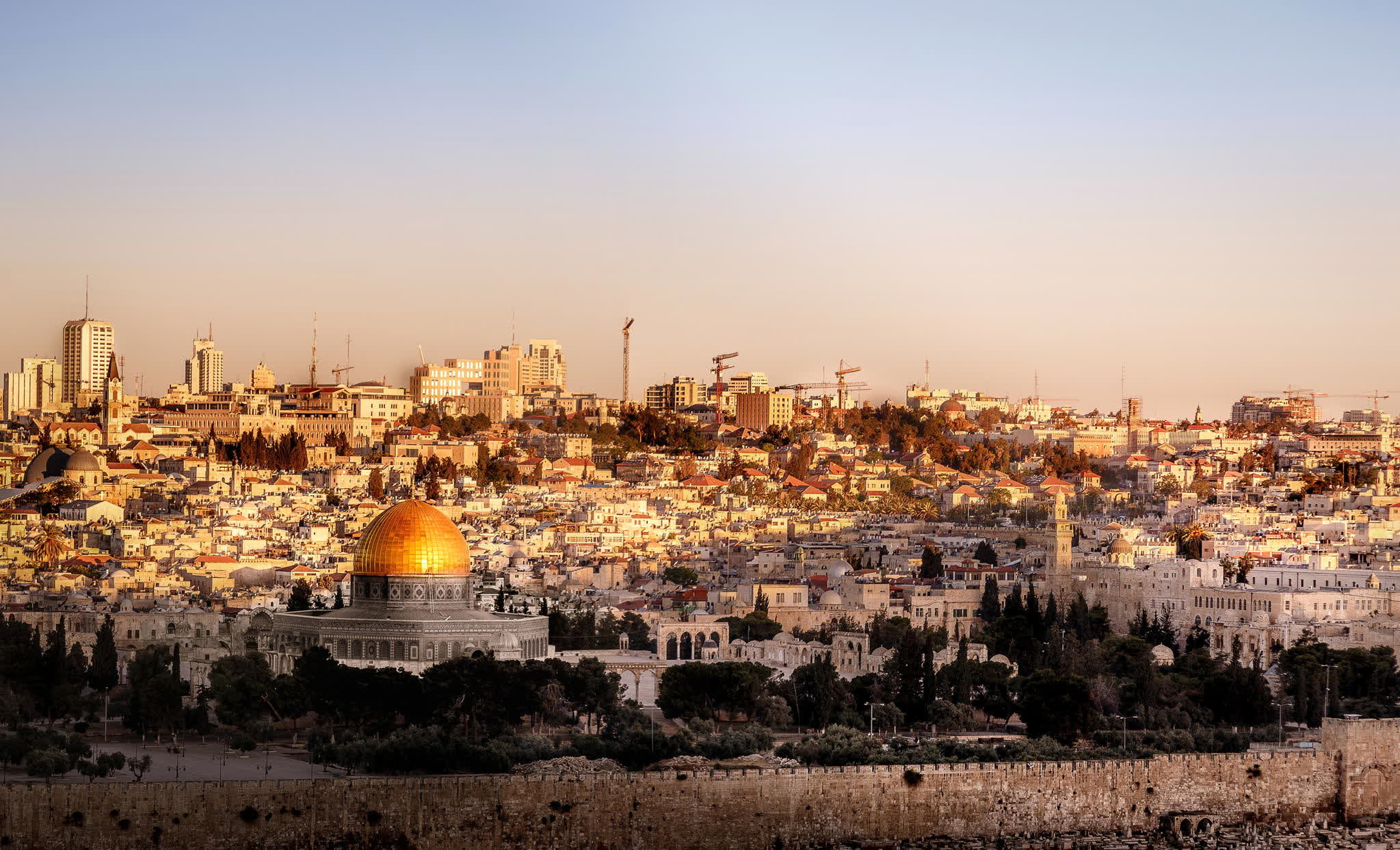
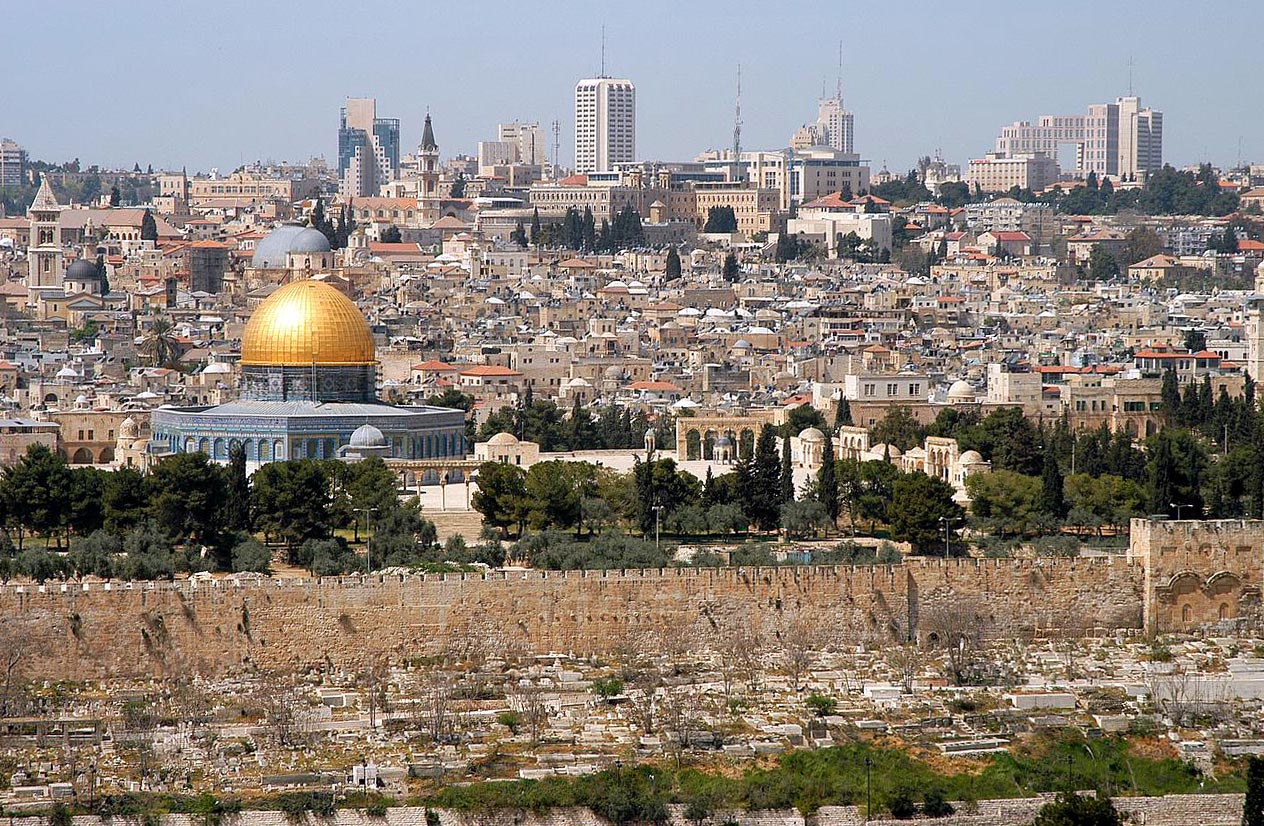
    Jerusalem is one of the oldest cities in the world. Known as the ‘Holy City’, it is the home of various holy sites to Christianity, Islam, and Judaism. Israel and Palestine both recognize it as their capital, though the United States is the one of the only foreign countries to formally recognize the city as Israel’s capital. Though the city holds various consulates, it does not hold official embassies, which are located in Tel Aviv.

    Why does the city matter?

    Israel and Palestine both claim the city of Jerusalem as their rightful capital. The United Nations, along with the European Union and various countries around the world, agree that the city should be co-administered by Israeli and Palestinian officials. This would adhere to the 1947 Partition Plan for Palestine, otherwise known as UN General Assembly Resolution 181 (II). The resolution would have split Israel into a separate Israeli and Palestinian state based upon mutually accepted borders, but soon after the adoption of the resolution war broke out and the plan was not implemented.

    Where is the American embassy now?

    The American embassy is currently in Tel Aviv, on the Mediterranean coast. This follows standard diplomatic practice with Israel, adhering to UN resolutions. Canada’s embassy is also in Tel Aviv. The last country to have an embassy in Jerusalem was Bolivia, which had their embassy (located on the outskirts of the city) closed in 2009 upon the cessation of diplomatic relations.

    Why move the American embassy to Jerusalem?

    The United States passed a law in 1995 mandating that the American embassy move to Jerusalem. Despite passage of the law, the American President can sign a waiver every six months that delays the move on ‘national security grounds’. This has been standard practice up until December 2017, when President Trump announced the move. Legally, the embassy can be moved at any time.  

    What happened after Trump announced the move?

    Responses from the international community have been mixed, though the overwhelming majority of countries voted in favour of a UN General Assembly resolution condemning the American decision to recognize Jerusalem as Israel’s capital. 128 countries voted for the resolution, 9 against, and 35 abstained. Canada was on the list of abstentions, likely because of upcoming NAFTA renegotiations.

    What’s the relationship between the USA and UN?

    Under the Trump administration the relationship between the US and UN has become increasingly confrontational. The US continues to accuse the UN of anti-Israeli bias, vetoing most anti-Israeli resolutions that make it to the UN Security Council. Senior diplomats have noted that the American approach to lobbying before the General Assembly vote was threatening and vindictive. The US continues to pay the most to the UN because of a formula that determines contributions based on the size each member state.


  • Trump Recognizes Jerusalem as Israeli Capital

    Trump Recognizes Jerusalem as Israeli Capital

    President Trump, in a move widely condemned by the international community, has announced that the United States will officially recognize Jerusalem as the capital of Israel. This decision has been met with a wave of disapproval from adversaries and allies across the globe.  

    Trump has approved the move of the US embassy from Tel Aviv to Jerusalem, which makes the United States the first country to officially recognize Jerusalem as Israel’s capital.  

    Jerusalem is a city with a long history of conflict, running all the way back to the Crusades nearly a millennium ago. Currently, Israel is the only country that recognizes Jerusalem as its official capital, as it occupies the western half of the city. All foreign embassies are currently in Tel Aviv.  

    East Jerusalem is the major point of contention for many amongst the international community. Israel annexed the eastern half of the city from Jordan in the 1967 Six-Day War. In 1993, as part of the Oslo Peace Accords, the final status of the city was meant to be discussed later.  

    Palestinian representatives have told the BBC that the changes to US policy of Jerusalem spell a “kiss of death” for the two-state solution peace process.  

    Some worry that the American recognition of Jerusalem as the Israeli capital could validate Israeli settlements in the West Bank, which some have said violate international law as they are in Palestinian territory. This would also compromise America’s position as an honest and fair peace broker. 

    The United Nations has reiterated its position that to achieve lasting peace in the region, a two-state solution is necessary, with East Jerusalem as the Palestinian capital, and the city declared an international city under jurisdiction of the UN. East Jerusalem is home to 330,000 Palestinians, as well as some of the most sensitive sites in Christianity, Islam, and Judaism.  

    Israeli reaction has been positive. Prime Minister Benjamin Netanyahu has said that “[Israel’s] historical national identity is receiving important expressions everyday”, as he and President Trump have a better relationship than his predecessor, former President Barack Obama.  

    In a speech outlining the shift in American policy, President Trump noted “We cannot solve our problems by making the same failed assumptions and repeating the same failed strategies of the past”. No timetable has been set for the move.  

    Canadian policy has not changed as its embassy will stay in Tel Aviv. The Canadian government’s policy on Jerusalem has not changed either, noting that the city’s status can only be determined as part of the peace process.

    Countries and organizations around the world have expressed concern about the move, including Palestine, Turkey, Saudi Arabia, the Arab League, Iran, Jordan, the Vatican, the European Union, Russia, the United Kingdom, China, and Lebanon.  

Betzillo positions itself as a versatile gaming hub where structured bonuses and adaptive gameplay mechanics support both short sessions and extended play.

Built with a focus on innovation, Spinbit integrates modern casino architecture with rapid transactions, appealing to players who value speed and digital efficiency.

Ripper Casino emphasizes bold entertainment through high-impact slot titles and competitive promotions crafted for risk-oriented players.

A friendly interface and stable performance define Ricky Casino, offering a casual yet reliable environment for a wide spectrum of gaming preferences.

King Billy Casino channels classic casino spirit into a modern platform, delivering recognizable themes supported by contemporary reward systems.

Immersive visuals and layered slot mechanics are at the core of Dragonslots, creating a narrative-driven casino experience.

Lukki Casino appeals to players seeking direct access and minimal friction, focusing on fast loading times and intuitive controls.

Casinonic provides a structured and dependable gaming framework, blending modern slots with transparent operational standards.