Tag: sustainable alternatives

  • ESST Clothing Swap

    ESST Clothing Swap

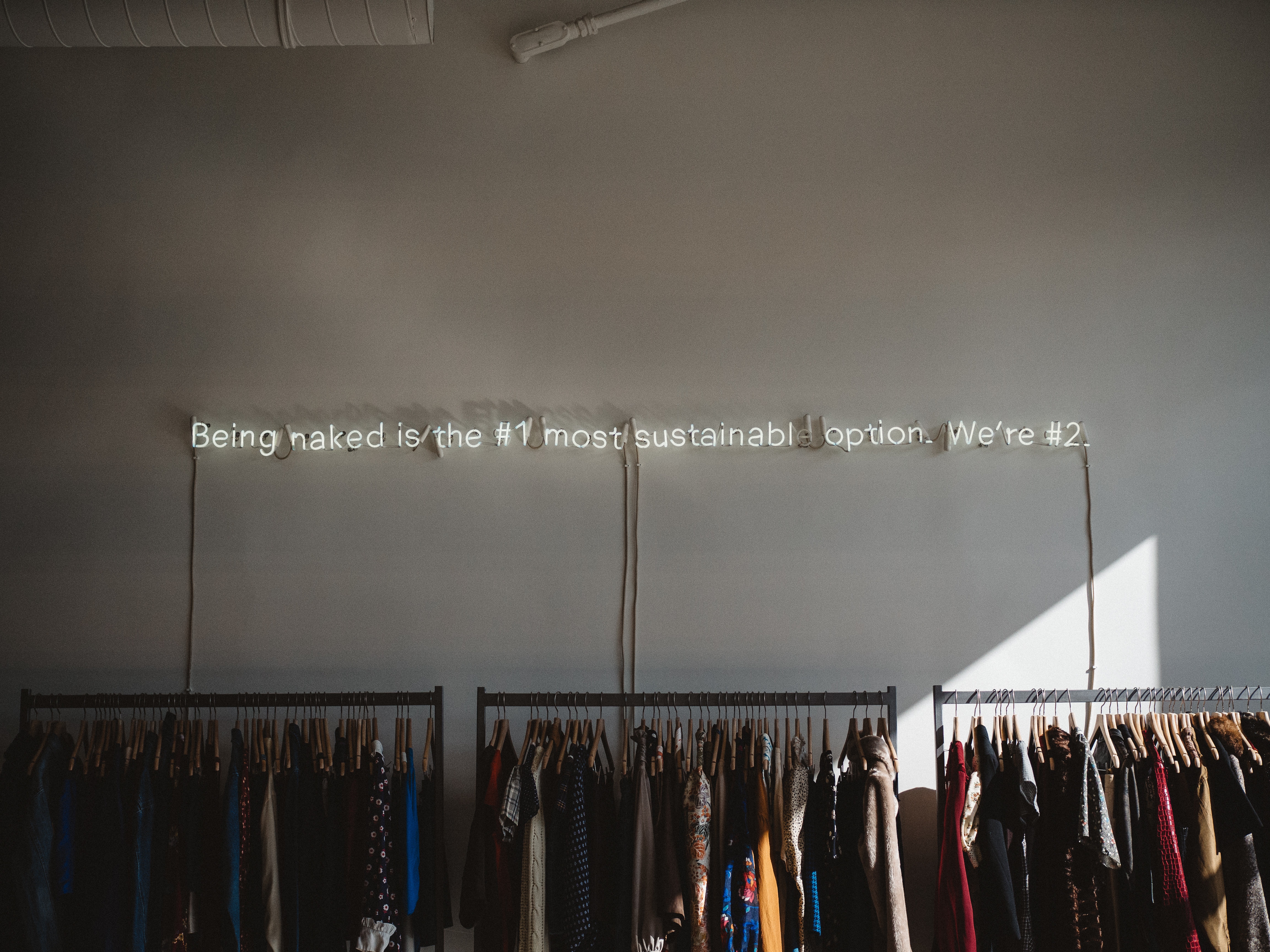
    For our fourth-year project, the Environmental and Sustainability Studies department is hosting a clothing swap. In a recent study, it was found that a family in the western world throws away an average of 30 kg of clothing each year. Of this, only 15% is recycled or donated, and the rest goes directly to landfills or is incinerated. The production of clothing results in a significant depletion of resources due to the continuous consumption of water, minerals, and fossil fuels. Furthermore, clothes are something we all need and want, but sustainable purchasing can be expensive. Our goal is to offer a low-cost alternative to this dilemma while keeping clothes out of landfills and giving them at least one more life. So, to take a step in the right direction, we invite Acadia students and faculty to join us in a clothing swap. We will be collecting clothes Monday, November 5th, 2018 from 11:30am-12:30pm outside of the Vaughan Memorial Library in the BAC. For every one item donated you get a token to “purchase” an item at the clothing swap in the Michener Lounge on November 6th from 3pm to 6pm. We hope to see you all there!  

    Caroline O’Connor is a fourth-year Environmental and Sustainability Studies student at Acadia University

  • Selling a Sustainable Future: What Individuals Could Create

    Selling a Sustainable Future: What Individuals Could Create

    Fear, facts, and the seemingly uncontrollable big picture will not motivate individuals to make a change for sustainability. Climate change has positioned the global community at a turning point and there are only two ways to go: continue business as usual to crash and burn or make the challenging changes and sacrifices for a prosperous future of the generations to follow. Both options do not sound ideal. Business as usual may lead to wars, economic uncertainty or prosperity, but at what cost? Lifestyle sacrifices for the potential future of generations to follow also does not sound appealing. It is important for optimist activists to sell change with positive and beneficial lens.

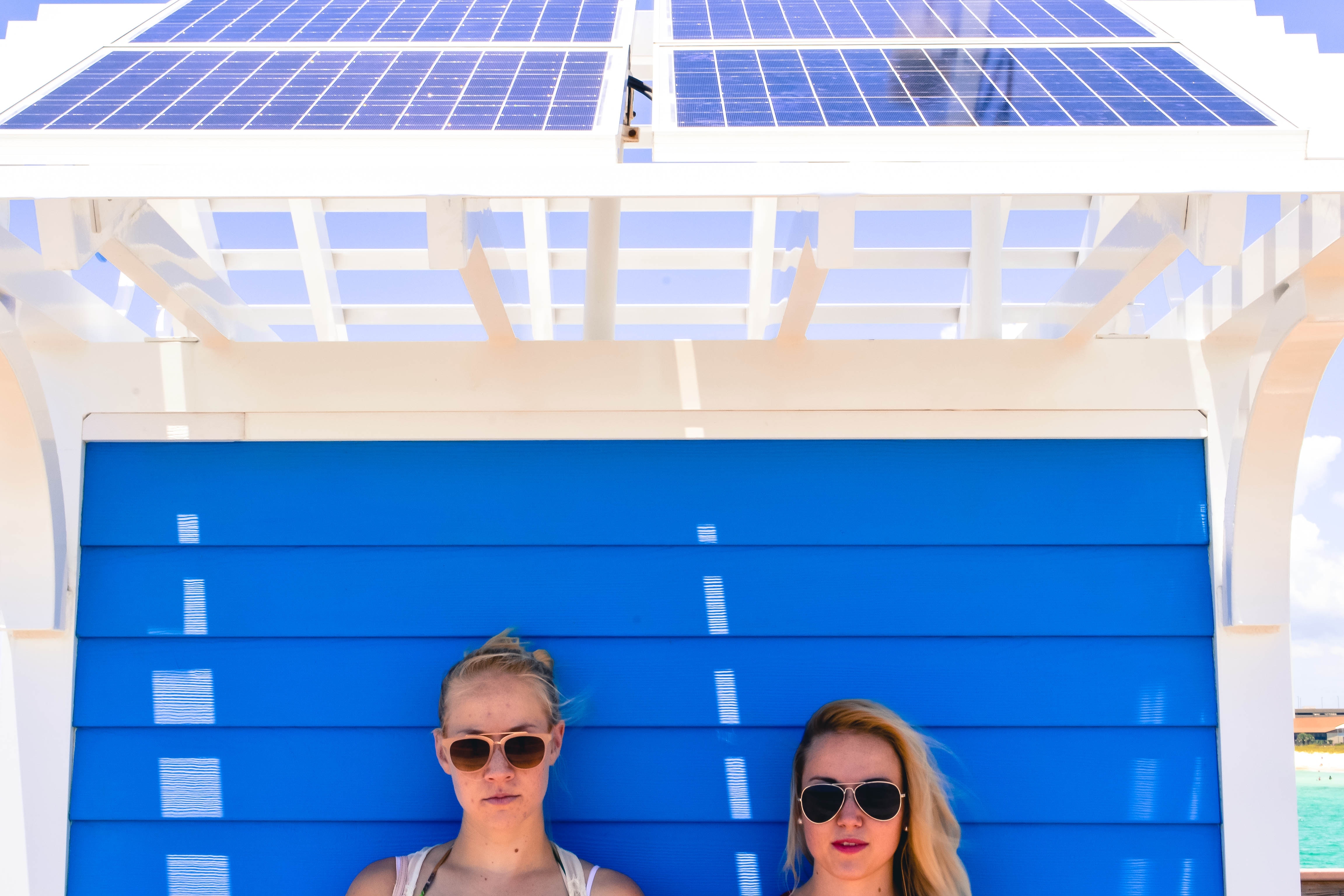
    The average middle class North American family may not be the first to jump on board with the idea of replacing their home heating with solar power or redesigning suburbia to introduce more public transportation, in order to reduce environmental impact. The average middle-class family may be more attracted to the idea of lowering their heating bills and shorting their commute to work. Understanding the market you are trying to convince is key in selling sustainability.  Climate change facts no longer change the actions of individuals. In North America’s consumer culture, it is important to adjust the consumer world so that it benefits climate change action. Marketing the benefits of sustainable home design, public transportation, community design, trading currency and community collaboration will be key in moving towards a more sustainable future.

    Imagine a community where neighbours come together for meals regularly. Imagine a community where people from all walks of life don’t feel isolated because it a social norm to check-in and ask people how others are doing. Imagine a community where kids run from house to house playing with kids of all ages and there is trust that, as a community, all members will keep an key on the children. Imagine a community where food is grown locally and equally dispersed, where children don’t go to school hungry. Imagine a community where mothers don’t have to work three jobs to support their kids because their neighbours are willing to help provide for each other, as the community supports strength is in numbers. The foundation value of community is support. Working together allows communities to reach further than working apart.

    A sustainable future is attractive and aligns with core human values, such as connection, success, and stability. A community that has created meaning and appreciation of what they have, will natural also protect the environment that surrounds it. Sell the sustainable future individuals can imagine accomplishing, make it possible. Living sustainably together is the future each citizen can create, climate change action activist must sell it, promote it and live it, then others will follow. Show the generations to follow what sustainable communities can be, then watch as the value of sustainability transitions from an unrealistic ideal of “delusional activists” to a valued and supported mindset.

Betzillo positions itself as a versatile gaming hub where structured bonuses and adaptive gameplay mechanics support both short sessions and extended play.

Built with a focus on innovation, Spinbit integrates modern casino architecture with rapid transactions, appealing to players who value speed and digital efficiency.

Ripper Casino emphasizes bold entertainment through high-impact slot titles and competitive promotions crafted for risk-oriented players.

A friendly interface and stable performance define Ricky Casino, offering a casual yet reliable environment for a wide spectrum of gaming preferences.

King Billy Casino channels classic casino spirit into a modern platform, delivering recognizable themes supported by contemporary reward systems.

Immersive visuals and layered slot mechanics are at the core of Dragonslots, creating a narrative-driven casino experience.

Lukki Casino appeals to players seeking direct access and minimal friction, focusing on fast loading times and intuitive controls.

Casinonic provides a structured and dependable gaming framework, blending modern slots with transparent operational standards.