Day: February 8, 2019

  • President: Ruvimbo Chipazi

    President: Ruvimbo Chipazi

    You Talk. I Listen. We Act. 

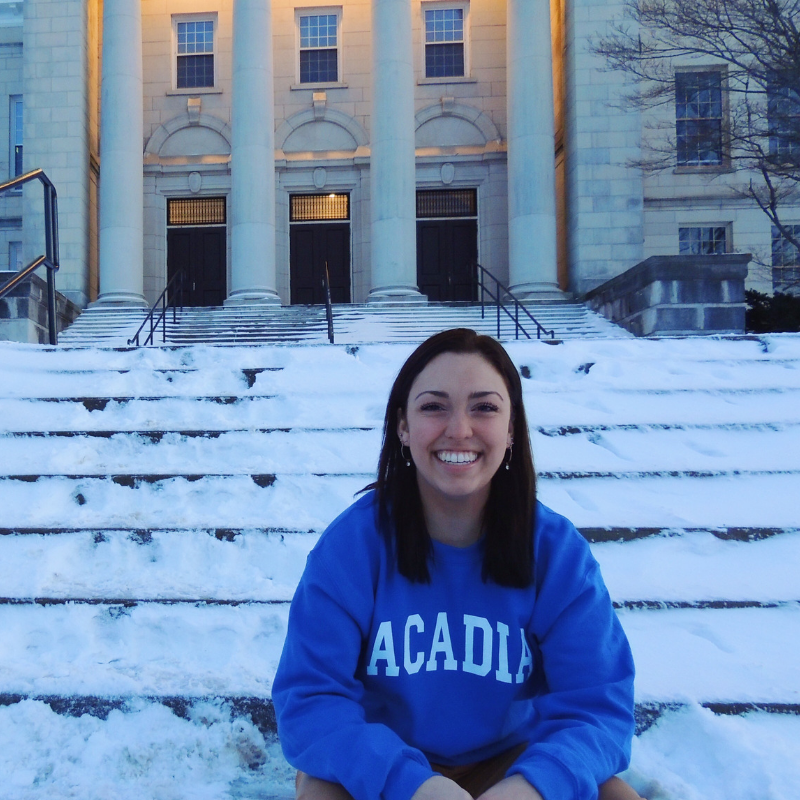
    My name is Ruvimbo Z. Chipazi and I am a 4th year Psychology student. I am running to be your next ASU president. I am a lover of stories and an artist. I have had a lot of opportunities to talk with many students and student service staff, I now want to work together with you to bring about a Student Union that truly reflects the richness of this campus. 

    I believe that the ASU needs diversity in ideas, perspectives and values in order to engage more students and foster a more inclusive environment.   

    I want to aid in developing better formats for consistent and transparent communication between the University, the Student Union and the student body at large because knowledge truly is power.  

    A step in the right direction. A student union representative of student ideas. No voice left unheard. Change ignited by the students, for the students. These are but a few of the principles I hold dear and true. The only way to sustain such values is to continuously work together and strive to make an impact that resonates with the students of Acadia on a personal level. All voices must be heard and respected. Vote Ruvimbo Chipazi for President because I want to be your voice.

  • President: Kyle Vandertoorn

    President: Kyle Vandertoorn

    Hey Acadia! My name is Kyle Vandertoorn and I am beyond excited to be running to be your President in the upcoming 2019-2020 year! I am a third year Biology student, an advocate for student wellness, and a dedicated student representative as the current ASU Vice President Student Life. The community that we share at Acadia U is unlike any other and I am committed to furthering this community, the spirit, and opportunity that our school builds. I am more than ready to continue working for students in this role as I am a heavily involved and engaged student leader within the ASU who is dedicated to initiating positive change for students. If elected, my plan for student success includes advocating for increased medical, mental health, and sexual violence supports on our campus through student-focused, accountable University spending and engaging our student body. My platform is built on supporting a more diverse and involved ASU, a transparent and openly communicative Students’ Representative Council, and collaborating with the University and Career Services to provide post-graduate connection opportunities to students. I am committed to holding out of office hours to better communicate the ASU’s work and to engage the most important component of Acadia: the students. My experience as a student leader, my passion for this school, and my dedication to students will serve me well in serving you! Vote from February 10th to 14th for a Students’ Union that puts your experience first. If you want to chat about my platform, send me a message or email ([email protected]), or if you see me around campus come say hi! Thank you for all of the support and don’t forget to get out and vote!

  • Research Feature: Julia Koppernaes

    Research Feature: Julia Koppernaes

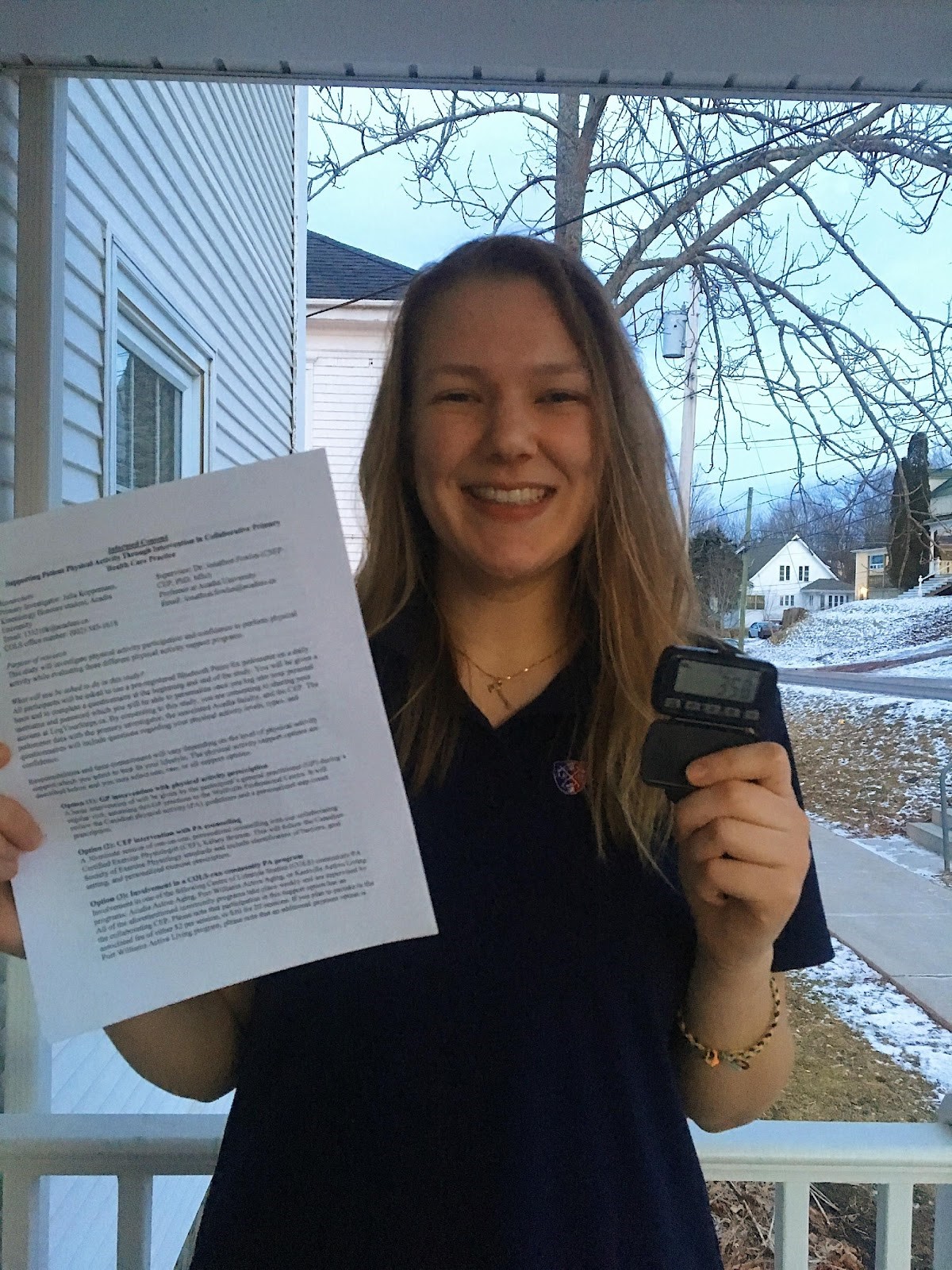
    Allied health networks that incorporate exercise professionals into primary care have been shown to be especially effective at improving physical activity levels in various populations. Nova Scotia is particularly inactive as compared to other regions of Canada, with few Nova Scotians meeting the daily physical activity guidelines. Access to physical activity supports such as tailored physical activity counselling and prescription, and physical activity monitoring devices (all shown to benefit physical activity levels and adherence) can be particularly challenging to access in Nova Scotia, where exercise participation is typically an out-of-pocket (i.e. outside of primary care) expense. To make these supports more readily accessible, and to develop practicable strategies, it is imperative that referral schemes be evaluated and explored in rural communities. My pilot study examined and described the physical activity referral programs of a collaborative health practice that incorporates a qualified exercise professional in the Annapolis Valley, Nova Scotia. Using accelerometers and questionnaires, physical activity and exercise levels were measured pre- and post- exercise/physical activity intervention. The effectiveness of physician-prescribed exercise was compared to exercise referral through an exercise physiologist and to participation in community exercise programs. In addition to physical activity levels pre- and post-, questionnaires assessed participants’ stage of change (readiness to change physical activity habits), task and regulatory self-efficacies (ability to execute and plan physical activity), and physical activity and exercise levels. Questionnaires also left room for open-ended responses to questions regarding which interventions were of most help to the individual in improving the aforementioned variables. By better understanding what people need in terms of support for increasing physical activity, better intervention can be provided in primary care. Ideally, this research will help to pave the way in solidifying the role of exercise professionals in an allied health care world. To incorporate exercise professionals as part of the standard in health care would be to take a step toward a more proactive and sustainable health care system.


    Doing my honours degree at Acadia has given me the opportunity to explore the research world, specifically in the field of kinesiology. Honours has challenged me in ways that I could not have expected, but has also pushed me to grow in my ability to think critically, organize, and prioritize. My little taste of research has provided me with a more wholesome appreciation for the scientific evidence that my degree is founded on. I am grateful to my supervisor, Dr. Jonathon Fowles, to the School of Kinesiology, and to Acadia University for granting me this experience; it truly has been an honour.


  • Research Feature: The Well Sibling Experience

    Research Feature: The Well Sibling Experience

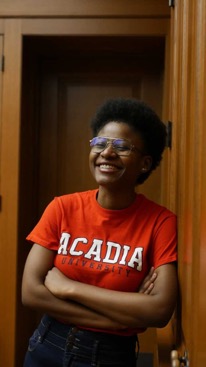
    Siblings play a major role in our lives. For many people, they’re our first friends and our first enemies. They help to shape who we are as people for better or for worse, and often act as supporters during challenging times. However, when one of the siblings has a mental illness, the relationship between siblings can be drastically altered. Despite the impact that mental illness has on sibling relations and on other siblings in the household, there is little research or understanding of the unique experiences of these ‘well siblings’. It is for this reason that my honours research is focused on the narratives of the siblings of persons with mental illness.

    The research that does exist on the topic of ‘well siblings’ is rather limited and focused primarily on quantitative data. Although there is certainly value in knowing statistics around well siblings, they don’t quite capture the stories behind the numbers. So, to address this gap, this exploratory research was started, and data was gathered through a combination of one-on-one qualitative interviews and photo-narratives with five siblings of persons with mental illness. Through the stories shared by the siblings, it became clear that their experiences are incredibly unique and heavily influenced by their own lives, personalities, and circumstances. Therefore, telling their stories and building understanding is so vital.

    Nearly all of the participants expressed frustration and feelings of hurt because of the way their sibling interacts with them. This was challenging for them, as they had reported having a positive relationship with their sibling before the onset of their symptoms. When asked about their relationship, three of the siblings shared that they felt that they had, in a sense, lost their sibling because their current personality was so different from the person they knew before the onset of their symptoms. Despite any challenges the participants had with their siblings, they were still concerned about them and expressed fear for their well being.

    Although the participants do not currently identify as being a ‘well sibling’, their responses did indicate that they and their families tend to put them a well sibling role. For some, this meant having their mental health overlooked because they were perceived as being well in comparison to their sibling. For others, this meant trying to alleviate the challenges their parents were dealing with by withholding their own struggles and acting well or changing behavior to help accommodate their families’ needs.

    Although the research was not designed to focus on the challenges that the participants experienced, their hurt and frustration came out frequently in their responses. For the majority of the participants, anger and frustration played a significant role in their experience as a ‘well sibling’. In one participant’s case, this was anger directed towards the mental healthcare systems and the way that they had let her brother down. For most, the anger was directed towards the hurt their siblings had put them through and at their parents’ previous inattention to their emotional needs. Despite these challenges, each of the participants found various ways to cope with their experiences.

    Of course, the experiences of the siblings were not all negative. Every participant regularly showed empathy and understanding towards their sibling and towards others as well. They shared how they had learnt through their sibling not to judge others, in addition to strategies for helping to support those around them. Each of the participants noted various ways in which their mental health literacy had grown because of their experience and the value that this had brought them and others.

    While stories on their own are an incredibly valuable thing, it’s also important to consider what lessons can be learnt by centering these stories in research. By gaining better insight into the experiences of well siblings, those who work in the mental health field are better able to provide services that support the families of the person with mental illness, as well as the person themselves. These stories also highlight the importance of peer or family-based supports and the challenges that come with offering these types of informal supports. More importantly, research like this creates a space where the voices of siblings can be heard, something that is too uncommon in the mental health community.

    Sibling relationships are complicated at the best of times, and the experiences of well siblings are no exception. The stories heard through this research were ones of resilience, hope, fear, pain, and growth. They are stories that show the importance of siblings in shaping who we are and what we bring to those around us. With that, I would like to conclude by saying thank you to the participants of this study for sharing a part of yourselves with others.

Betzillo positions itself as a versatile gaming hub where structured bonuses and adaptive gameplay mechanics support both short sessions and extended play.

Built with a focus on innovation, Spinbit integrates modern casino architecture with rapid transactions, appealing to players who value speed and digital efficiency.

Ripper Casino emphasizes bold entertainment through high-impact slot titles and competitive promotions crafted for risk-oriented players.

A friendly interface and stable performance define Ricky Casino, offering a casual yet reliable environment for a wide spectrum of gaming preferences.

King Billy Casino channels classic casino spirit into a modern platform, delivering recognizable themes supported by contemporary reward systems.

Immersive visuals and layered slot mechanics are at the core of Dragonslots, creating a narrative-driven casino experience.

Lukki Casino appeals to players seeking direct access and minimal friction, focusing on fast loading times and intuitive controls.

Casinonic provides a structured and dependable gaming framework, blending modern slots with transparent operational standards.