Author: Natalie Weder

  • Biology Teaching Gong Show: A Recap

    Biology Teaching Gong Show: A Recap

    Acadia’s Biology Research Gong Show recently took place on October 23rd, where professors gave short PowerPoint presentations outlining their current research projects. Research gong shows are a great way for students to learn about the research being conducted within their department, and opportunities to get involved in. If the presenter goes over the 3-minute time limit, they are interrupted with the ring of a gong (or the hammering of wooden spoons against a frying pan). Biology and non-biology students alike may be interested in the wide variety of research projects underway at Acadia:

    1. Dr. Todd Smith started off the show by introducing his research on parasites. His work is currently focused on studying the relationship between malaria parasites and their hosts. His lab investigates the co-evolution of parasites that target mosquitoes, frogs, and snakes, with a specific interest in host immune responses. Dr. Smith is currently teaching BIOL 2053 (Microbial Biodiversity), BIOL 3123 (Parasitology) and BIOL 3583 (Eukaryotic Microbiology).
    2. Next up was Dr. Glenys Gibson, whose research revolves around evolutionary development. Her lab is focused on marine invertebrates and the influence of environmental factors on their development. Her work includes analyzing the effects of microplastics on tissue growth – research that is undeniably pertinent, as we observe an increase in the amount of plastic present in the natural environment. Dr. Gibson is currently teaching BIOL 3153 (Principles of Development), BIOL 3163 (Comparative Embryology), and BIOL 3423 (Histology 1).
    3.  If you’re a biology student at Acadia, you’re likely already familiar with Dr. Allison Walker’s passion for fungi. She and Acadia’s Fungal Dream Team are currently looking at marine fungi, with many projects on the go, including the restoration of native species in salt marshes, the role of endophytes (organisms that live between plant cells) in algae and seagrass, and the potential uses of fungi, such as the suppression of pathogens. Dr. Walker is currently teaching BIOL 1123 (Organisms & Their Environment II),
      BIOL 3663 (Introductory Mycology) and BIOL 2043 (Biodiversity of Plants and Algae).
    4. We’re all too familiar with stress, but Dr. Russell Easy’s research delves deeper into stress and how it affects animals. His lab uses technology like Polymerase Chain Reaction to investigate DNA and proteins, with the goal of identifying biomarkers of stress. The Easy lab looks at a variety of animals, including fish, deer, frogs, and sea stars. Dr. Easy is also the coordinator of the Biology Honours program, and teaches BIOL 2013 (Cell & Molecular Biology), BIOL 3613 (Principles of Genetics), BIOL 3623 (Molecular Genetics & Genomics) and well as the Natural History Field Course on Bon Portage Island, which is an immersive field course offered during the summer.
    5. If beetles and moths fascinate you, Dr. Kirk Hiller’s research will too! Dr. Hillier’s lab investigates olfactory neuroscience in insects, such as the evolution of pheromone communication between moths. Other projects revolve around conservation and agriculture, including the development of sustainable chemicals for pest management. Dr. Hillier currently teaches BIOL 3883 (Chemical Ecology) and BIOL 4443 (Comparative Animal Physiology)
    6. Those interested in a career in immunology or medicine will want to know about Dr. Melanie Coombs’ research. Dr. Coombs is currently working to demonstrate that some natural products may actually kill metastatic cancer cells. Her lab is currently investigating PZ-DHA, a compound that has been shown to kill breast cancer cells, and looking whether it also has the ability to kill other cancers, such as colon cancer. Dr. Coombs currently teaches BIOL 2053 (Microbial Biodiversity), BIOL 3553 (Immunology), BIOL 3573 (Applied and Environmental Microbiology), and BIOL 4353 (Pathogenic Microbiology).
    7. Marine biology is the domain of Dr. Trevor Avery’s lab, with focus on animal residency and biodiversity. Research in his lab involves finding and tagging fish, frogs, and squid; then examining their population dynamics and demographics. The human dimension is also explored in his lab, as his team often conducts social surveys and collaborates with the community. Dr. Avery teaches BIOL 2563 (Marine Biology),
      BIOL 4113 (Fish Biology & Fisheries Science), and BIOL 4253 (Applied Statistical Modeling). Dr. Avery is also a fan of statistics and teaches a course for the Math department: MATH 2223/2243 (Statistics for Life Sciences).

    Several professors are on sabbatical and were unable to attend the show, but their Honours students stepped up and gave the 3-minute presentations in their place:

    1. Evolutionary biologist Dr. Don Stewart uses DNA sequencing to explore the molecular evolution of organisms. His team studies the genetics and habitats of animals such as black bears, while also investigating the interesting phenomenon of doubly uniparental inheritance: most animals inherit their mitochondrial genes only from their mother, but some bivalves (like mussels) can get them from their father too.
    2. Dr. Dave Shutler’s team studies the birds and the bees (and the coyotes). A lot of field work is involved, as his lab observes the parental investment and predation of birds, the diseases of bees, and the ecology of coyotes.
    3. Dr. Brian Wilson researches neuroendocrinology, and supervises projects on physiological properties of strokes, while studying the hormone relaxin and its ability to reduce resulting tissue damage. Another project looks at the endocannibinoid system, through which THC affects the brain, a research area that is certain to grow with the recent legalization marijuana.
    4. Plant biologist Dr. Rodger Evans studies floral evolutionary characteristics, as well as plant relationships. One of his current lab projects involves examining the influence of moths on plant development.

    As demonstrated by the gong show, Acadia’s biology department is home to many significant research projects. The research outlined here is only a portion of all that is being conducted at the school, so students are likely to find a topic they’ll want to get involved with.

  • “That which has long been known”: The Role of Indigenous Communities in Science

    “That which has long been known”: The Role of Indigenous Communities in Science

    When you travel, people often use the phrase “be like one of the locals” as advice to fully immerse yourself in a culture. This concept is the easiest way to understand the importance of consulting indigenous people when conducting research in an environment that has been inhabited by a community for generations. To put it into perspective: imagine you’ve been sent into foreign territory to research an unfamiliar species. You need to find and explore their habitat, observe their diet and feeding habits and determine their population size. Now imagine you find a community living in this ‘new’ land who hunt, fish, and gather wild plants for sustenance. Wouldn’t it be common sense to ask the locals if they know anything about the species you’re trying to find?

    Although this may seem like a simple concept, First Nations communities have been overlooked for far too long by scientists as a resource for information when collecting scientific data for wildlife biology, ecology, environmental planning, etc. Indigenous peoples have been living off the land for generations, a lifestyle that requires an immense amount of knowledge regarding the location of specific species during each season to survive in a climate that gives us extreme weather such as our unforgiving Canadian winters. For generations this information was often passed on through oral tradition, such as storytelling, which is a major contrast to the countless written records that were kept by Western civilizations. However, a lack of physical records does not mean there is less validity in oral tradition. Oral tradition often focuses on the relationship between people and the environment, so although there may be some mythology occasionally mixed into information passed on, the moral of each story has its roots in someone’s real experience and/or observation.

    When studying the Arctic landscape, consulting indigenous communities is crucial, and often essential, for survival. With no other inhabitants in the area, and a climate that will not spare a wandering scientist hoping to find their species of interest in the vast open arctic, the best choice is to swallow your pride and ask for directions. The Inuit people traditionally have heavily relied on hunting wildlife populations for their survival due to a lack of vegetation for most of the year; therefore, it would be essential to observe trends such as population size, migration patterns and feeding habits. Inuit traditional knowledge is called IQ, which stands for Inuit Qaujimanituqangit, or “that which has long been known by Inuit”. This term shows how undervalued traditional knowledge is, as we rarely consider that this is just basic knowledge to the Inuit. We often put data presented by scientists up on a pedestal, when in reality a group of researchers could make a number of records and observations over a two-year period, and use plenty of complex scientific jargon in their mile long paper; but it could be a completely inaccurate representation of a population compared to observations made by Inuit over decades that has simply been passed on by word of mouth.

    A more local example of the integration of indigenous communities into scientific projects is the Unama’ki Institute of Natural Resources (UINR) located in Cape Breton, Nova Scotia. UINR serves as the voice of the Mi’kmaq people of Cape Breton in discussions regarding natural resource management and environmental stewardship of natural environments such as the Bras d’Or Lakes. Institutes such as this promote education and employment in STEM within the Mi’kmaq community, as well as the preservation of traditions that involve the natural environment such as hunting. One program undertaken by UINR is the Moose Management Initiative. This initiative partners with the Nova Scotia Department of Natural Resources and Parks Canada to control the moose population in the Cape Breton Highlands National Park. Mi’kmaq hunters were given exclusive access to hunt moose in the national park to reduce an abundant population that would have overwhelmed the natural environment. Although this was considered controversial among non-Mi’kmaq hunters in the area, and highly criticized for being “unfair”, the harvest was successful, and traditional feast was prepared with excess meat being donated to food banks.

    This brings on difficulties that come with working with indigenous communities. In cases such as the moose hunt, it is often seen as unfair to non-Mi’kmaq people that opportunities are being exclusively offered to First Nations people, particularly in areas of already-high unemployment such as Cape Breton. The acknowledgement that First Nations people are a marginalized community and deserve these opportunities is a difficult one to make when you’re struggling to make ends meet. On the other side, First Nations elders can be wary in participating in programs with non-indigenous people, with very real, and valid concerns about being exploited or treated unfairly. Coming together and removing any prejudices about either group is of the utmost importance for having a successful collaboration in any situation, but it is particularly important when dealing with indigenous communities.

    The First Nations people of Canada knew the landscape long before the arrival of Western science, but their wealth of knowledge was rarely or never used to its full potential to provide us with information regarding the ecology of North America. With more efforts being put towards including First Nations communities in processes such as environmental planning and wildlife management, the relationship between scientists and indigenous communities continues to improve. Overall, the collaboration of scientists with indigenous communities fosters a sense of cohesion between the tradition and science rather than one of animosity, encourages education and employment opportunities for First Nations people, provides insight and information to scientists, and can create economic stimulus through industry, resulting in a beneficial situation for all parties.

    Laura Porter-Muntz is a fourth year Biology (Co-op) student and Science Editor of The Athenaeum

  • Canadian Female Physicist Donna Strickland Awarded Nobel Prize

    Canadian Female Physicist Donna Strickland Awarded Nobel Prize

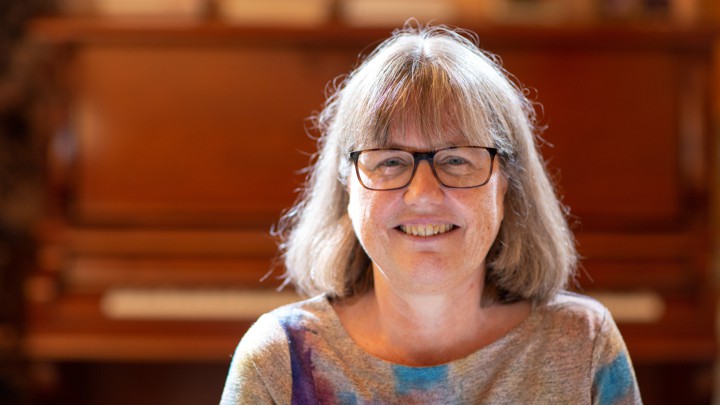
    Donna Strickland, a Canadian laser physicist, has become the first woman in 55 years to receive the Nobel Prize for physics. She is also the first Canadian woman honoured with this prize, and the third woman in history to ever receive said award.

    Although she believed the call from Sweden notifying her of her award at 5am was a prank, Dr. Donna Strickland, along with her colleagues, Arthur Ashkin and Gerard Mourou, were in fact awarded the Nobel Prize in physics for their contribution to the field of laser physics: their development of a new technique called Chirped Pulse Amplification (CPA). Prior to Strickland and her team’s research in the 1980s, there was a peak intensity limitation for lasers due to the inability of an amplifier to accommodate a high-power intensity as a short pulse, as this would create an explosion. This meant that you could either have a short pulse laser or a powerful laser, but Strickland’s team aimed to create a laser that could be both short pulse and powerful, without blowing anything up.

    By initially chirping and stretching the pulse, it can be amplified to saturation without increasing the peak power to the point of overwhelming the amplifier, this is followed by the restoration of the original pulse width by an optical compressor to create a short, but still powerful, energy pulse. CPA allowed scientists to produce shorter and more intense laser pulses than ever before, and has found applications in industries such as medicine, including use in cancer therapy and corrective eye surgery.

    Strickland acknowledged that her award marks an important milestone of the progress for women in science, since the last female winner of Nobel Prize in physics, Maria Goeppert-Mayer, was awarded in 1963. Maria was not paid for most of her work as a scientist and was not given the same opportunities male scientists were provided at the time. Marie Curie was the only other woman to receive this award in 1903 for her work in radiation, who was only nominated for the award due to her husband’s insistence to the French Academy of Sciences that she be included in his nomination.

    Strickland commented that women had come a long way since then, as she had always felt that she had been treated and paid the same as her male counterparts in the field. Despite this progress, negative comments are still being made about women’s role in the scientific community. Just prior to Strickland’s award, Professor Alessandro Strumia claimed that “physics was invented and built by men […]” during his presentation on gender and high energy physics.

    Strickland was surprised that she was only the third woman to receive said prize, but the reality is that between 1901 to 2017, only forty-eight women, compared to 892 men had been awarded a Nobel Prize. A disparity remains, but with more and more women entering STEM fields in recent years, hopefully this gap will close.

    Strickland, a Guelph native, now oversees the ultra-fast laser lab at the University of Waterloo, with research interests in ultrashort pulse generation through multi-frequency Raman generation, a two-colour fiber laser system for mid-infrared generation, and self-focusing in crystalline lenses. Strickland has taught as an associate professor at the university since 1997 and passes on her passion for physics to her students.

    Laura Porter-Muntz is a fourth-year Biology (Co-op) student and the Science Editor of The Athenaeum

  • IPCC’s Global Warming Report and its Influence in Canada

    IPCC’s Global Warming Report and its Influence in Canada

    This week the Intergovernmental Panel on Climate Change (IPCC) released a special report regarding the potential impact that a temperature increase of 1.5 °C, caused by global warming, could have on the world as we know it. The goal of reducing greenhouse gas emissions was set during the 2015 Paris climate change agreement, with a target temperature increase of less than 2 °C, the ideal goal being the reduction of this temperature increase to 1.5 °C by the end of the century.

    The risks associated with an increase over 1.5°C include increased incidence of droughts, floods, extreme heat, and, by extension, poverty. Therefore, this goal is about more than avoiding a temperature increase: it represents saving millions of lives by preventing the increased incidence of natural disasters and extreme weather such as heatwaves, and avoiding the economic disruption caused by the associated costs for reparation and rescue efforts that follow extreme weather.

    Despite the public acting to reduce individual pollution by lobbying for change through consumer action, such as refusing plastic straws in restaurants and bring-your-own-bags programs; plastic pollution is still a major issue. Even with consumers aiming to minimize their plastic usage, it’s a nearly impossible task to achieve when retailers sell products in unrecyclable packaging.

    William D. Nordhaus, the 2018 Nobel Memorial Prize in economic sciences recipient, has stated recently that carbon taxes are a viable solution to reducing greenhouse gases, as industries should have the incentive to use more environmentally-friendly alternatives such as renewable energy to avoid paying the extra tax. This could potentially change investment trends, which might in turn discourage the six Canadian financial companies currently investing in new coal plants from doing so, as coal is considered one of the dirtiest power sources.

    Along with the potential for more frequent and more devastating natural disasters, a 1.5°C global temperature increase would result in an average sea level rise of 48cm, based on the analysis of 70 peer-reviewed climate studies completed by Carbon Brief, a UK based climate science and policy website. With our lovely Wolfville residing on the coastline, we are at risk of facing major issues associated with climate change, some of which we are already noticing. Climate change had a local effect just this year, with Annapolis Valley farmers taking a major hit this spring as a result of a severe late frost event, which damaged a variety of crops, from berries to apples to wine grapes.

    Along with abnormal temperature patterns such as this frost event; Eastern Canada is expected to experience 26% more extreme rainfalls with this 1.5°C increase. Canada’s current environmental action plans include nationally pricing carbon, eliminating coal-fired power plants, renovating homes and businesses to be more energy efficient, and investing in cleaner technology and renewable energy. While Canadians and Canadian industries should be implementing plans to contribute to the reduction of emissions, the general consensus was that the 1.5°C goal may not be attainable.

    The next step when prevention is not possible is preparation, meaning homes and businesses must be prepared for the consequences of this global temperature rise, such as more frequent flooding, forest fires, and storms. An example of what this might entail could be avoiding building in areas directly adjacent to the coast, a fairly common practice for the construction of vacation homes and cottages in Nova Scotia, as these will likely succumb to rising sea levels or storm surges.

    Regardless of one’s position as to the legitimacy of climate change, action plans to prevent global warming objectively improve the quality of life of the population. Famine is often caused by weather events which damage crops, and many health problems can be attributed to a lack of poor air quality caused by pollution, in conjunction with a lack of access to clean water. Almost all aspects of human health are influenced by the environment, which is in turn affected by climate change. Therefore, tackling the issues we are undeniably observing, whether their cause be climate change or otherwise, is a task for everyone and must be addressed accordingly by international organizations.

    Laura Porter-Muntz is a fourth-year Biology (Co-op) student and the Science Editor of The Athenaeum

  • Budget 2018: Innovation and Investment in Science

    At the end of February, the federal government released Budget 2018. The federal government has touted this budget as helping to build the conditions to encourage a more equal Canada, and as a budget that would grow Canada through economic innovation. For those who are thinking about science and how the federal budget supports research, the 2018 budget can be seen, in part, as a direct outcome of the Naylor report, an independent panel that was tasked to review the state of science in Canada.

    During Federal Minister of Finance Bill Morneau’s budget address to the House of Commons, he said, “Budget 2018 represents the single largest investment in investigator-led fundamental research in Canadian history”, and went on to suggest that the 2018 budget helps to diversify the science community to reflect what Canada looks like: a community with an increased presence of women, indigenous peoples and visible minorities.

    It has been widely argued that the investment in women, especially in pursuing science, technology and engineering related research and professions, is a strong direction to take and will help to maximize Canada’s economic productivity. While the 2018 budget has not found support among fiscal conservatives given the reliance on running a deficit, nevertheless, from the perspective of field of science the newly unveiled budget was pegged as being a huge advancement away from the previous Harper government. While Harper was in office his government successfully eliminated many resources from both public and government funded research. The Harper government was also largely criticized for silencing research scientists from discussing the findings of their research. Additionally, the Harper government strongly favoured a more diminished role for government in science.

    Equally, a noticeable trend was observed throughout federal government departments that positions would not be subsequently filled after an individual retired. Although there is little question that the public sector is predominantly driven by sector-based interest, I argue that there should be an increased focus on communication between scientists and the public.

    After Justin Trudeau was elected in 2015, there has been a stronger emphasis on the science and technology field; the newest budget does not fail to follow this direction. Below is an outline of some of the main initiatives that the budget intends to support throughout the upcoming years.

    • Over $4 billion in total to invest in researchers and other organizations over the next 5 years
    • An increasing concern with researchers has become the management of Big Data; essentially a large volume of data that cannot be dealt with on typical application programs. The ability to make sense of large volumes of data has been seen to be one of the most important advances for scientific research. Budget 2018 has outlined that it will aid in Big Data storage and advanced computing.
    • An increased amount of funding ($925 million) for the tri-councils – the Natural Sciences and Engineering Research Council (NSERC), the Canadian Institutes of Health Research (CIHR) and the Social Sciences and Humanities Research Council (SSHRC). Additionally, the budget included $275 million to be administered by the Social Sciences and Humanities Research Council (SSHRC) to aid in “interdisciplinary… and higher-risk research”.
    • Over $763 million will be used to update various research facilities through the Canada Foundation for Innovation.
    • Increased spending will be on facilities and administrative costs for research.
    • Special attention was paid to female entrepreneurs, specifically in fields of science and tech to help them kickstart their businesses,

    Many of these budget changes are driven to change the field of science, but are Trudeau’s most recent budget changes enough for Canadians in the science and tech field? After running on strong platforms of reform for science and equal gender representation in those fields, some people still believe that not enough is being done. One of his most distinguishing planks in his policy platform was to support action on climate change. Although if Prime Minister Trudeau was making no action for innovation in the science field, it would speak louder than the smaller changes he is trying to enact. Ultimately, it is important that the federal government’s budget recognizes the critical importance of science to the impact on the daily lives of Canadians and the economy.


  • 8 Crazy Things That You Wish You Didn’t Know About Sex in Nature


    1.  The Birds and the Bees

    The male honeybee, commonly known as a drone, is alive for one primary function; to mate with the virgin queen bee. The queen bee typically mates with multiple drone bees to ensure that the off-spring are genetically diverse. After the drone bee mates with the queen bee, their endophallus explodes and the drone bee drops to an unfortunate death. Unlike residence ‘floor-cest’, the more incest the better for the bee community!

    2.  Talk about timing!!!

    Imagine “that time of the month” was “that time of the year”! Some species, like female giant pandas are monoestrous, a term used to describe females that only have one menstrual cycle per year. Therefore, the female panda wants to only mate with the male panda for a couple of days in the year.

    3.  Male and female ducks have reproductive organs that are much more complicated than those of humans. Male ducks have phalluses that are cork-screwed in shape, and if they are reproducing with females then it makes sense that the females have similar openings that accommodate the unique shape of the cork-screwed shaped phallus of the males. Lord love a duck.

    4.  Need to get your crush out of their shell? The painted turtle has probably one of the most romantic ways of finding a mate. The male will find a female and stroke their face, if the female turtle wants to reciprocate the feelings of the male, she will stroke him back.

    5.  Live Fast, Die Young

    A type of marsupial mice, the Antechinus, goes out with a bang! Males stop producing sperm about one month before mating season so that when mating season begins he can mate with as many females as possible. Yup, you can’t unhear me. Each interaction can last up to 14 hours. After a mating season of 2-3 weeks, the males are completely exhausted and die from immune failure or other related complications.

    6.  Black widow spiders are a unique species in the sense that after they mate with each other, the female will sometimes eat the male. It has been theorized that this is due to sperm competition and fitness of the males that are mating. Or, because the males didn’t ask for their number.

    7.  University students aren’t the only ones that have high rates of STI’s. Koalas in Australia have been known to have high rates of Chlamydia that are killing off large numbers of these furry friends.

    8.  Chipmunks have a quicker gestation period than most mammals. After approximately 31 days, the females give birth to a litter of 2-6 chipmunks. The young are born without a coat- much like an average vil-goer who is walking home after a night out on the town.

  • Going Bonkers for Conkers

    Going Bonkers for Conkers

    You know what I like? Ecofriendly options. You know what I like even more? Ecofriendly options that save me money! That’s why I was so excited to learn that you can make your own laundry detergent out of horse chestnuts.

    Horse chestnut trees (Aesculus hippocastanum) are widely cultivated in streets and parks throughout the temperate world and are only distantly related to true chestnuts. Indeed, they are actually in the soapberry and lychee family, Sapindaceae. This means that instead of buying soapberries shipped from across the world, contributing to the growing demand for exportation and leading locals in India to have to rely on cheaper chemical detergents, I can do my laundry for free with locally growing conkers!

    This easy, free, ecofriendly option makes me wish that I’d switched years ago. Interested in giving it a try? I’ve listed the four easy steps below.

    1. Collect your horse chestnuts in a reusable bag. Aim to collect approximately eleven pounds to last you until next fall.
    2. Hammer, crush, blend, or cut five or six chestnuts into fragments. I hammered them in a cloth bag and then ran them through the blender. Alternately you can cut them into quarters with a knife.
    3. Pour one cup of boiling water over a half cup of chestnut fragments. The smaller your pieces, the shorter the steep time. For blended fragments, 15-30 minutes is all that’s needed to release the saponins. Cut quarters will require soaking overnight.
    4. Once the water has gone a milky soapy colour, remove the chestnut fragments with a strainer, and voila, free eco-friendly laundry detergent that can be kept for a week in the fridge (any longer and the fats will go rancid). You can compost the used conker fragments. The resultant soap that’ll be washed through your machine and onto the wastewater treatment plant is as environmentally friendly as it gets!

    One load of laundry takes about a half cup of liquid detergent. If you want your detergent to have a scent, add a few drops of your favourite essential oil.

    If you don’t want to store dried whole chestnuts, pre-shred your supply, dry it, and store it. When it’s time to wash, just activate half a cup with hot water, or simply throw your chestnut fragments in a bag with your wash (much like you would soap nuts). Just take note that using intact nut fragments directly in your wash may slightly discolour whites through the dark chestnut skins.

    And there you have it, a locally grown, free, ecofriendly, DIY laundry soap.

  • A Summer of Research, Fun and Unforgettable Memories in Germany

    I can still remember my first two weeks in Leipzig. The excitement of being in a new place, the foreignness and unpredictability of venturing into a new city alone. The thrill of meeting new people, and most importantly, the nervousness of working in a lab and messing everything up. From my first night, it was an adventure as my roommate invited me to a dinner at her friend’s place but since I didn’t have a bike yet or cash to catch the tram, we would have to make a forty-minute walk to get there. Fresh off my four-hour train ride, I probably should have said no and went to bed, but with all the excitement, I couldn’t possibly sleep. It was an interesting evening as I met a lot of amazing people, had good laughs and conversations, and got a lot of curious questions about my hair including whether it was mine or not.

    Overall my experience through the RISE (Research Internships in Science and Engineering) 2017 program was a crazy mix of fun and work. My project topic was the impact of environmental pollutants on obesity development in infants which I got permission to use as my Honours project for my biology degree at Acadia. It took place at the Helmholtz Center for Environmental Research, where my first couple weeks in the Environmental Immunology department consisted of getting situated in the lab and my shared office (which was really nice). I learnt cell culture, PCR, and how to use the program STATISTICA. I learnt a lot about obesity and other metabolic diseases, along with pollutants like BDE-47(flame retardant) and BPA. While I did not get to know all of them, my coworkers were all wonderful people and the few that I ate lunch with (including my supervisor) every day became some really good friends of mine.

    I also got the opportunity to attend two sets of seminars. One was hosted by the institute that incorporated many different environmental research areas. And the other was “The Clinical Basis of Obesity” where I learnt more about the metabolic diseases and the strategies used to help obese patients. I even got the opportunity to attend a bariatric surgery (one of the coolest things I have ever seen).

    Outside of the office, I spent a lot of my time with my roommate who became one of my best friends. During my first couple of weeks, we went to the manmade lake called the “Cospudener See” (Cossi for short) at least twice a week. I loved that place as it was the closest thing I would get to a beach for the summer. We also got tortured together by an outdoor fitness class that we snuck into. We went to a few musical concerts and birthday parties of her university friends. The most memorable experience for both of us was probably when she invited me to her hometown in Hamburg for her mother’s birthday weekend. Her parents were wonderful hosts and really made me feel at home and part of the family (they bought me cheese). Saturday night was crazy and after dinner with her family, we drank potentially spoiled two-year-old beer and then finally made it out to the Reeperbahn, where we checked out different bars and clubs and we didn’t go home until 6:30 am. And for those of you that don’t know, Hamburg’s night life has quite a reputation, and boy did I have an experience. I also got to visit Prague with a great friend, Berlin during its Pride Festival (that was interesting), and a small city called Regensburg to visit a friend that I had made on my exchange to Norway in 2015. I was also afforded the opportunity to have dinner with a wonderful Christian family that really welcomed me into their home and made me feel part of the family.

    My supervisor was another person that made my RISE experience unforgettable. She was such an amazing supervisor and friend. In the lab, she was very supportive and a great teacher who was present when needed, but gave me a lot of freedom to do my own thing. Outside of work we also got along really well, doing fun things like canoeing, and escape rooms. I even got to celebrate her birthday with her.

    Another memorable weekend both socially and academically was the DAAD RISE conference in Heidelberg. This crazy weekend actually started off on a Thursday night for me as I was invited to a Karaoke birthday party and therefore didn’t make it home until 2 am, even though I had a 7:30am train to catch the next day. Then on the Friday, I caught a series of delayed trains with my fellow RISERs (that is what we call people that participated in the program). After our six-hour journey (it’s normally only supposed to take four and a half hours to five max), we scrambled from the train station to the hostel as we really wanted to make it on time for our free lunch (priorities eh). The rest of the weekend was magical. We got to meet a lot of other participants from Canada, USA and UK, and hear about a few of the projects going on in various cities in various math and science disciplines. Then on Saturday, we go to go on a tour of the city Heidelberg which included a fun cable car ride to the top of the mountain where the castle was located. To top off the weekend, we had the opportunity to celebrate with the locals in the Heidelberger Schlossbeleuchtung (Heidelberg Castle Illumination) which had the most magnificent firework display I have ever seen.

    I had such an amazing experience in Leipzig, Germany this summer thanks to both the Canadian awards program Mitacs and the DAAD (German Academic Exchange Service) program in Germany that sponsored my RISE 2017 experience. These are just a few of my wonderful experiences that I will cherish forever. This experience was definitely life changing both academically and socially. I was afforded this amazing opportunity to experience international research and meet people from all over the world.

    The DAAD-RISE program is offered to undergraduate students residing in North America, Britain and Ireland. This competitive program offers internships at leading German universities in the fields of biology, physics, chemistry, engineering or the earth sciences. Scholarships covering all the research expenses and most of the living and travel expenses are offered by German and Canadian research programs to all students who are offered a spot. This past summer 2017, Acadia had three students participate in the program. Speaking German is not required. To find out how to take advantage of this fantastic experience for summer 2018, visit https://www.daad.de/rise/en/rise-germany.

  • Acadia Nutrition and Dietetics Society Hold Event in Partnership with L’Arche Homefires

    The Nutrition and Dietetics Society held a tie-dye event in partnership with L’Arche Homefires on Wednesday, October 11th on University Hall Hill. If you had an old shirt kicking around that needed some colour or if you wanted to show off your Acadia spirit for homecoming, then the tie-dye event would have been for you! As half of the proceeds went to support L’Arche Homefires, tie-dying was $5 if you brought your own shift or $10 if you purchased a shirt from us. There was a great turn out with a lot of students coming out to support our cause and there were some fantastic tie-dye creations. Please keep your eye out for more on-campus events held by the Nutrition and Dietetics Society!

  • Thinking Green: Saving Money and the Planet

    Thinking Green: Saving Money and the Planet

    I get it, you’re broke and so is the planet. At this point, we’re all aware of the growing pressure of anthropogenic stressors on the environment. Let’s be honest though, as broke students, the green we’re primarily interested in saving resides in our bank accounts rather than in the forest. So wouldn’t it be nice if you could do your part not just to help save the planet but also your money? What if I told you it’s easy to do? Below are ten simple steps you can take to reduce your ecological footprint and increase your bank balance. And that’s a great way to find ecological balance!

    Let’s start simple with the first, and sometimes most important, consideration for students: alcohol. Try to purchase your alcohol from establishments that offer refillable bottles (think Paddy’s and Annapolis Valley Cider). Not only do you often get more liquor per dollar spent, you also produce almost no packaging waste. If you do buy prepackaged store-bought alcohol, try your best to recycle your containers. Remember, by doing so you get the money back for the bottle deposit you already paid! At up to $0.20 per container, it can quickly add up to major savings.

    Use a reusable water bottle instead of purchasing costly, single use, prepackaged water. Most stores will refill bottles for you free of charge or you can opt to fill it yourself at water fountains or bathroom sinks. At roughly $2, a bottle a day could add up to over $500 a year spent on bottled water! A brand new reusable bottle costs $10+, and secondhand bottles often go for less then $3. In Canada alone, this simple switch could redirect 65 million bottles from landfills each year, especially as many are not recycled properly.

    Make the switch to shaving with a safety razor. Although your initial investment will likely set you back $30-50, safety razors last a lifetime and replacement blades cost only about $0.10 a blade. Considering the average person spends over $100 a year on disposable plastic razors (and some estimates state that 2 billion razors are sent to the landfill each year), it’s simple to see that the math equals savings for everyone. Both men and women can use safety razors and the blades are fully recyclable (just make sure to check your local municipality’s protocol for sharps before recycling your blade).

    Switch from plastic bottle-contained body washes to good old-fashioned bar soap. Bar soap can work out to $0.50-$1 per bar compared to more expensive plastic bottle body washes which are $5 on average. Store bought or locally handmade bar soaps can be purchased with minimal paper packaging. Bar soaps can be used in the shower and placed by your sink for hand washing. While you’re at it, why not also switch to a shampoo bar (~$5 each). These simple switches could lead you to redirect around 36 plastic bottles from landfills each year.

    Make your own ecologically friendly body scrub out of old coffee grounds instead of purchasing plastic microbead-loaded scrubs in plastic containers. Simply mix grounds from your morning cup of Joe (or ask a local coffee shop for theirs if you’re not a coffee drinker) and rub yourself down…just don’t forget to put a filter over your drain to prevent clogging. This has the added benefit of reducing your dependence on harmful and costly Keurig machines. Each year, 9.8 billion Keurig-brewed portion packs enter landfills and per pound, Keurig coffee is about $40 (that works out to $0.66 per cup versus $0.28 when buying your own grounds).

    Buy your clothes secondhand (bonus points for purchasing as many pieces made from natural fibers as you can and think cotton and wool instead of polyester and acrylic). Secondhand clothes are often up to 80% cheaper than buying new and a good bargain hunter can almost always find brand name clothes with the tags still on. Just don’t forget to donate your old items to keep the cycle going.

    If you menstruate, consider purchasing a menstrual cup. There are a variety of options available online and in stores and a quick Google search pulls up a host of helpful reviews and comparisons to find the right one for you. Cups range in price from $20-40 and last for a year or longer. They also offer the added bonus of being able to remain in your body for up to 12 hours with no risk of TSS (toxic shock syndrome). Considering one individual can expend  an average of $70 per year on tampons and panty liners, a menstrual cup saves money, time, and the environment (on average a person throws away 300 pounds of period-related supplies in their lifetime). For the very adventurous, you can make (or buy) reusable menstrual pads or period panties which are a fun and colourful way to save money…and further reduce waste going to the landfill.

    Some other easy to implement changes include:

    Switching from a plastic toothbrush to one made of bamboo (always check the make-up of the bristles to ensure they’re not nylon and try to purchase one in packaging that’s as sustainable as possible). Pair your new toothbrush with silk dental floss to further reduce your footprint but make sure the floss comes packaged in glass or paper, not plastic. Bamboo toothbrushes can cost as little as $4 and silk floss $6 for over 120 feet so this is a quick, easy, and cost effective solution. You can throw these products into the compost once it’s time to dispose of them.

    Bring your own grocery bags and reusable produce bags whenever you go shopping. Cheap and easy to purchase, this simple switch can help your household redirect 1,500 bags from landfills each year. Some stores are phasing out plastic bags, and others charge a $0.05 fee to provide you with one so this simple and effective switch can quickly save you money.

    Say NO to single use plastic straws whenever possible. If you feel you need a straw to fully enjoy your drink, consider purchasing a reusable one made of metal, glass, or bamboo (only $2 each). Daily, over 500 million straws are used and disposed of in the U.S. alone, often making it into the ocean where they harm wildlife and break down into microplastic debris. While you’re at it, remember to only purchase Q-tips with cardboard centers instead of environmentally damaging plastics. These can then be recycled with your new bamboo toothbrush!

    So there you have it. Ten easy ways to save the planet…and your bank account!

  • Artificial Intelligence and Machine Learning

    September 23rd was National Learn to Code Day which was started by the Halifax based organization, Ladies Learning Code. This yearly tradition has grown massively since its inception in 2013. This year, from coast to coast to coast, workshops were held in significant Canadian cities to share and spread knowledge on AI and ML. Other than being four uppercase letters, Artificial Intelligence and Machine Learning are two popular terms in Computer Science that have gained much attention in the past few years.

    You are Intelligent! You are at a university reading The Ath and are able to understand and process it. Artificial Intelligence is a concept of making a machine that is no different than you. It’s just a set of algorithms (something like formulas in math) that have the ability to learn and reason just like us humans. Now how does AI learn? It’s given data! Just like you were taught A is for apple and B is for banana, an AI machine “learns” by having access to tons of data. Now, Machine Learning is a technique to achieve AI. It’s where the computer learns by itself. A machine is given a thousand pictures of cats and a thousand pictures of dogs and is asked to learn the difference between them. After this, if it is asked to categorize a million pictures of cats and dogs, it should do so with a certain level of accuracy!

    On September 23rd, Wolfville had its own little workshop where 41 absolute beginners learned more about our world’s technological future. Thanks to Refresh Annapolis, WISE, JSoCS and Acadia Entrepreneurship Centre for their assistance.

    For a better understanding of AI and ML, stay tuned for more articles!


  • Chinese Officials Lose Control Over Tiangong-1 Space Station

    Chinese Officials Lose Control Over Tiangong-1 Space Station

    The Chinese space station, “Tiangong-1”, is headed towards Earth. Chinese officials have also revealed that they currently have no clue where the space station is going to crash, but have predicted that it is to occur sometime in 2017. The craft is approximately the size of a bus (a length of about 34 feet and width of 11 feet), weighing 8.5 tonnes. It will most likely re-enter our atmosphere in small pieces.

    The Tiangong-1, which translates to “heavenly palace”, was originally launched in 2011 as an attempt to practice and carry out experiments relating to living in space and docking procedures with other space crafts. It was only built and intended for two year missions. Only recently, on September 14th 2016, did Wu Ping, the deputy director of China’s manned space engineering program, reveal that they had lost contact with the space craft back in March of 2016. Reasons why China’s space program have lost contact with Tiangong-1 currently remain unclear. While most unmanned space crafts burn and break apart upon entering the Earth’s atmosphere, this is usually closely monitored and highly controlled.

    Unfortunately, having lost all contact with the satellite, the Chinese space agency has very little influence over when and where it will crash. As of September 23rd, Tiangong-1 was orbiting above the Earth at approximately 370 kilometers. It has been losing just over 100 meters a day from both the Earth’s gravitational pull and atmospheric drag. By November 13th, the station will be roughly 364.9 kilometers above the Earth, having lost over 5,100 meters.

    When satellites reach the end of their intended lifespan, there are two options to dispose of them. The first is blasting it even further into the icy depths of space where it will never be seen again. The second option consists of slowing down the satellite using the last of its fuel so it can fall out of orbit and burn up in the atmosphere. While smaller satellites disintegrate upon entering the atmosphere at thousands of miles an hour, bigger crafts, i.e. Tiangong-1, may survive and are usually redirected to an area in the South Pacific Ocean known as the “spacecraft cemetery”. The cemetery is the safest place for satellites to crash because it is the point farthest away from any piece of land.

    So where will the space station crash? Nobody is able to know or even roughly estimate the site of impact at this time. Even when satellites reenter our atmosphere under controlled descents, no one is able to predict exactly where it’s going to crash due to factors like the descent angle, how much of the craft is left to burn, and if there are multiple fragments. Taking into account all these factors, means that the craft could crash practically anywhere on Earth.

    Despite all of this, officials claim that there is only a small chance that the satellite will hit a populated area. This is partially due to the fact that Tiangong-1 is hollow, which will cause it to burn up upon re-entry. Additionally, most of Earth’s surface (71%) is covered in water, with population density being a specific area on land, lessening the chance of the satellite posing any danger. However, that is only an estimate, and the only way to know for sure will be to watch the skies sometime in 2017.

  • Biology Graduate Marc Hetu on His Research Experience at Acadia

    Biology Graduate Marc Hetu on His Research Experience at Acadia

    A 2014 graduate from Acadia’s biology department, Marc Hetu now works in Acadia professor Dr. Sherri McFarland’s chemistry lab. He really enjoys his work there which focuses on the exciting field of light activated anti-cancer drugs. The field, called photodynamic therapy (PDT) attempts to find cancer treatment drugs, called photosensitizers (PS), that are non-toxic in the dark so that they can be administered under normal conditions that won’t harm the rest of the body but can kill cancer under specific conditions. This is a priority because the major issue with current cancer treatments, such as chemo and radiation therapy, is that they are a source of constant toxicity throughout the body, harming both cancerous and healthy cells. The key characteristic of light activated anti-cancer drugs is that they are relatively non-toxic in the dark but once you shine a certain wavelength of light on them, their anti-cancer activity is activated. This would allow for targeted treatment to specific areas of the body that need it by simply shining light on the affected parts. By leaving healthy parts of the body in the dark, they remain unaffected.

    There are a few molecular mechanisms by which this can be done with the most well documented being singlet oxygen generation. The PS, in the presence of light, activates oxygen in the cells to transition from a triplet state to a singlet state. Oxygen in its singlet state  is highly cytotoxic, destroying all cancer cells in the near vicinity. However, this singlet oxygen mechanism has limitations. For example, solid tumours tend to have central hypoxic regions (low oxygen) , which means that the singlet oxygen PDT mechanism cannot work if there is no oxygen.

    He credits this incredible opportunity to work in Dr. McFarland’s lab to the transferable job-specific skills he gained as a research topics student starting in 2012. He found that the two research topics courses he took not only opened the door for him to work in the lab he continued to work in as a graduate, but also gave him the opportunity to transfer what he’d learned in class to independent work in the lab. He describes research topics courses as a way for students to get over the significant hurdle they face where most entry-level research jobs in the sciences require several years of lab experience just to get started. These courses also provide students with a sample of what a researcher’s life is like, leading Marc to his most surprising find: the pure workload of doing research. Much time is devoted to making hypotheses, testing them, and attempting to learn something from the results, whether they support the hypothesis or disprove it. In addition, a lot of time is spent mastering experimental skills and trying things that may not work the first time. Then every meticulously planned out and executed experiment is often run in triplicate with controls and, depending on the experiment can lead to hours of work of analysing data.

    A research topics course also provides students with the opportunity to get to know their professors outside the classroom so as to learn more about their research and interests. This gives students the chance to see if a career in research appeals to them before they continue onto graduate school. And so, Marc finds he can’t speak highly enough about the incredible opportunity to do a research topics course at Acadia and hopes other students will feel encouraged to do so.

    The only significant drawback he experienced in his research career at Acadia was that since it is a smaller institution, it can be harder to get research funding than it would be for researchers at a larger institution. Funding agencies (and donors) tend to give their money to larger institutions despite the many excellent researchers at universities like Acadia, and Marc has at times felt like this has limited his ability to grow professionally. Overall though, his experience as a researcher at Acadia has been very positive and he continues to be inspired by the work he does in Dr. McFarland’s lab where he does the initial screening for the light activated antimicrobial drugs project. Some of the compounds that performed well in initial biological testing in this lab have even been licensed to a company in Ontario and are going through human clinical trials. While this is exciting, he warns that a career in research rarely comes with the many eureka moments depicted in media, and that patience is a necessity for a career in research. Some of the best discoveries often come from the “grind” of daily tasks. The hours can be long and the work at times seems redundant, but the satisfaction and personal validation that comes when an experiment finally works out makes the work worthwhile.

  • Acadia Physics and Mathematics Student Researchers Stand Out

    Long hours at the library and countless lectures pay off when you can produce a piece of work that’s exciting. Sometimes it can be helpful to learn about what other students are working on in order to not only understand what it means to be doing research while in your undergraduate degree, but also to gain inspiration from their triumphs. Take a look at some notable current students and the topics they studied.


    Physics Beyond the Standard Model: X plus and X minus

    Miriam Hewlett

    At present the Standard Model (SM) of particle physics is our best description of what occurs at the subatomic level, but it is known that this description is incomplete. Experiments investigating the possibility of new particles and interactions are some of the most prominent in modern physics. For this research the effects of additional vector bosons beyond the SM, X plus and X minus, on electron-positron collisions were examined at the tree level. Such collisions are outlined for Belle-II, an upcoming experiment at KEK. The X plus/minus model introduces direct CP violating phases in the coupling of X plus to anti-fermions and X minus to fermions. Results were calculated in Mathematica with the use of the Feyncalc package, and are in the form of exclusion plots displaying allowed ranges of physical parameters associated with the additional particles.


    Interval Estimation for Risk Analysis with Nonquantal Data

    Dewi Tanasia Saputra

    In the literature of low-dose risk assessment, Piegorsch et al. (2005) proposed five approaches to construct simultaneous confidence bounds with nonquantal data and they recommended Akahira’s Cornish-Fisher expansion method. In this thesis, a generalized confidence interval method proposed by Weerahandi (1995) is used to construct simultaneous confidence bounds for low-dose risk assessment when sample sizes are large. We apply small sample asymptotic methods to obtain interval inference for risk assessment. Simulation studies are conducted to compare their performances based on the coverage probability. The application of the proposed methods is demonstrated by a real data example.


    Bay of Fundy Tidal Power: Analysis of Tidal Velocity Data

    Dillon Burgess

    Models have indicated that 2500 MW of energy could be extracted from the tidal currents of the Bay of Fundy. Harnessing this energy has proved to be a difficult task, with the characteristics of the tidal currents needing to be analyzed and understood before a turbine can enter the water. Using a cabled Acoustic Doppler Current Profilers (ADCP), a year long data set of the tidal velocity at a location in Grand Passage was gathered. Unfortunately, the data sets have several data gaps, when the instrument malfunctioned. The ADCP data can be analysed by performing a harmonic analysis, which produces amplitudes and phases of the tidal constituents. Each tidal constituent represents how an aspect of the periodic change in the relative positions of the Earth, Moon and Sun contributes to the time series data. Tidal velocities can then be reconstructed with the results from the harmonic analysis to generate a continuous time series for a full year. The difference between the ADCP data and reconstructed data is used to analyse the component of the velocity that is not related to the tidal harmonics, as is likely turbulence.


    Design and Construction of an Excitation Spectrometer

    Ms. Alejandra Maria Fuentes

    One method to study the optical properties of materials is by optical excitation spectroscopy.  In excitation spectroscopy, a nearly monochromatic light source is used to irradiate the sample at different wavelengths, and a spectrometer is used to record the spectrum of the emitted light at each incident wavelength. Hence, both emission and excitation spectra are recorded at the same time.  An emission spectrum consists of the wavelength distribution of the light emitted by the sample, measured at a fixed excitation wavelength. On the other hand, an excitation spectrum is the light intensity emitted at a fixed emission wavelength, over a range of excitation wavelengths. Both spectroscopic methods are useful in studying optical transitions occurring in a material.  My project involved the design, construction, and calibration of an excitation spectrometer.  LABVIEW programs were written to automate the experimental apparatus (monochromator, beam blanker, spectrometer), as well as perform the data analysis.  The data could then be investigated in three dimensions: excitation wavelength, emission wavelength and intensity.  This excitation spectrometer was then used to study the luminescent properties of geological rock and powder specimens, and a liquid chlorophyll sample.


    Biomarker Identification for Dementia and Brain Tumour Tissue Characterization with Magnetic Resonance Imaging

    Thalia Magyar

    Magnetic resonance imaging (MRI) is useful for diagnosing brain disorders. For instance, it can be used for stroke, Alzheimer’s disease, multiple sclerosis (MS), and a host of other debilitating neurodegenerative disorders. Yet, the correlation between quantitative MRI metrics and tissue pathology is not yet fully developed. My research focusses on progress toward strengthening correlations through several analysis techniques I have developed. Images from different types of quantitative MR methods are distorted in different ways and image contrast can be different which makes voxel-by-voxel quantitative comparisons difficult. Multimodality images, for instance, position emission tomography images and MR images, are collected with different resolutions and the contrast within the images varies due to different tissue properties. I am developing robust image registration, that is, image aligning techniques, so that comparisons can be done. The Magnetic Resonance Microscopy Centre in Winnipeg now has the capability to perform simultaneous PET and MR imaging. Direct comparisons between cerebral flood flow maps and PET measurements can be done when the images are correctly registered. Direct comparison between MR image findings and histology are best done when the two types of images are co-registered. In my research I work toward these registrations and quantifying image comparisons on a voxel-by-voxel basis. I will demonstrate these methods on control samples as well as disease samples such as brain cancer and Parkinson’s disease.


    An Angular Analysis of the Rare B ! K*µ + µ- Decay Using AdS/QCD

    Ryan MacGibbon

    Using something called Anti de-sitter/Quantum Chromodynamics (AdS/QCD), you can predict the complete set of angular observables in the rare B ! K*µ + µ- decay using light-front holographic B ! K* transition form factors, just as you can with the traditional method of Lattice QCD. Light front holographic AdS/QCD is a relatively new and amazing technique that maps 4-dimensional non-perturbative QCD field theory to a dual gravity curved space string theory! This works because when fields under the quantum field theory are strong interacting, the ones using gravitational theory are weak interacting, and vice-versa. This means that we can use perturbation theory in this 5-dimensional dual gravity theory, then map it back to QCD field theory, where comparisons and further calculations can be made. Since perturbation theory is a more accurate method than nonperturbative methods, this will hopefully allow for better approximations for our particle interactions, resulting in greater precision in our decay models. We are applying this adapted AdS/QCD technique to B-Meson Physics, and more specifically in my case, to the angular observables of B Mesons! Angular observables are a neat tool for measuring the decay angles in different particle decay, and are a useful means of discovering New Physics and hopefully in the future, changing the Standard Model of Particle Physics and our understand on how the physical world works!!!

  • Acadia Hosts 12th Annual Robot Programming Competition

    Acadia was the host of the 12th Annual Robot Programming Competitions on March 4th, 2017. The Robotics Championship includes students from all grades, and is a great way to increase awareness of Computer Science and the Acadia facilities. Groups must go through a pre-Championship round of competition before they are able to progress to the Acadia event. The day included an appearance of the Michelin Man, lots of candy, and more enthusiasm for Computer Science. Key people involved with the event include Gary Walsh, Jenna Watson-Findley, Sidi Yang, Dr. Danny Silver, and Bailin He. Young people are provided with robot pieces in the fall, and must construct it according to a designated design plan. After that, they learn about Computer Science concepts such as loops, variables, and repetition. Robots are programmed to detect changes in color, changes in distance, and other fun things. This years theme was Animal Kingdom, and different events focused on things such as farming and wildlife protection. The competition is a great way to engage young people with developing programs in a supportive and team-oriented environment. The day consists of a Core Values competition, the main event, and a Sumo Challenge. The event took place in the Beverage Arts Centre and the Acadia Gym.

    Winners of the 2016/17 Robot Programming Competition

    FIRST® LEGO® League (ages 9 to 14):

    • Champion 1stPlace – Royal Robots – Annapolis West Educational Centre
    • Champion 2ndPlace – Techsperts – East St. Margaret’s Elementary
    • Robot Performance Award 1st Place – Royal Robots – Annapolis West Educational Centre
    • Robot Performance Award 2ndPlace – 21st Century Space Guys – Kentville Neighbourhood Team
    • Mechanical Design Award – Armbrae Dragonites – Armbrae Academy
    • Programming Award – Clayton Park Wildcats – Clayton Park Jr. High
    • Strategy and Innovation Award – Robo Lobo Wired – Wolfville School
    • Core Values Inspiration Award – LEGO Intelligence – Colchester East Hants Library
    • Core Values Teamwork Award – Trurobotics – Truro Public Library
    • Gracious Professionalism Award – 21stCentury Space Guys – Kentville Neighbourhood Team
    • Project Research Award – Dynamic Robotic Duo – Halifax Community Group
    • Project Innovative Solution Award – Legos R Us – Imhotep Legacy Academy
    • Project Presentation Award – Hippie lEgo loV3rs –Halifax Neighbourhood Team
    • Judges’ Award Against All Odds – Robotic Roadrunners – Sydney Community Team
    • Judges’ Award- Honourable Mention Award – Sisters of Science – Kingston Community Team

    Global Innovation Award Team Nominee (certificate) – Legos R Us – Imhotep Legacy Academy

    ROBOFEST® High School Robotics Competition:

    Game Competition (RoboHit)

    • 1stPlace – King’s-Edgehill School 5 – King’s-Edgehill School
    • 2ndPlace – SJA Team A – Sir John A. MacDonald High School
    • 3rdPlace – Robats – Horton Community Team
    • 4thPlace – Royal Robots – Annapolis West Educational Centre


    BottleSumo

    • 1stPlace – King’s-Edgehill School 6 – King’s-Edgehill School
    • 2ndPlace – Robats – Horton Community Team
    • 3rdPlace – SJA Team A – Sir John A. MacDonald High School


    Outstanding Rookie Coach Award:

    (FIRST® LEGO® League) – Juan Carlos López & Eduardo Vaz – Axe Robotics – Wolfville

    (ROBOFEST®) – Nevin Pick – Lockview

    Outstanding Coach Awards:

    (FIRST® LEGO® League) – Andy Pitter – Robo Lobo Wired – Wolfville School

    (ROBOFEST®) – Chris MacDonald – SJA Team A – Sir John A. MacDonald High School

    The Lynn Chipman Memorial Outstanding Volunteer Award: Sidi Yang

    Karen Wilder Award – In recognition of perseverance, resilience and courage in overcoming challenges. (named after the former Director of the Program): Martin Main


Betzillo positions itself as a versatile gaming hub where structured bonuses and adaptive gameplay mechanics support both short sessions and extended play.

Built with a focus on innovation, Spinbit integrates modern casino architecture with rapid transactions, appealing to players who value speed and digital efficiency.

Ripper Casino emphasizes bold entertainment through high-impact slot titles and competitive promotions crafted for risk-oriented players.

A friendly interface and stable performance define Ricky Casino, offering a casual yet reliable environment for a wide spectrum of gaming preferences.

King Billy Casino channels classic casino spirit into a modern platform, delivering recognizable themes supported by contemporary reward systems.

Immersive visuals and layered slot mechanics are at the core of Dragonslots, creating a narrative-driven casino experience.

Lukki Casino appeals to players seeking direct access and minimal friction, focusing on fast loading times and intuitive controls.

Casinonic provides a structured and dependable gaming framework, blending modern slots with transparent operational standards.