
Category: Science

  • Canadian Female Physicist Donna Strickland Awarded Nobel Prize

    Canadian Female Physicist Donna Strickland Awarded Nobel Prize

    Donna Strickland, a Canadian laser physicist, has become the first woman in 55 years to receive the Nobel Prize for physics. She is also the first Canadian woman honoured with this prize, and the third woman in history to ever receive said award.

    Although she believed the call from Sweden notifying her of her award at 5am was a prank, Dr. Donna Strickland, along with her colleagues, Arthur Ashkin and Gerard Mourou, were in fact awarded the Nobel Prize in physics for their contribution to the field of laser physics: their development of a new technique called Chirped Pulse Amplification (CPA). Prior to Strickland and her team’s research in the 1980s, there was a peak intensity limitation for lasers due to the inability of an amplifier to accommodate a high-power intensity as a short pulse, as this would create an explosion. This meant that you could either have a short pulse laser or a powerful laser, but Strickland’s team aimed to create a laser that could be both short pulse and powerful, without blowing anything up.

    By initially chirping and stretching the pulse, it can be amplified to saturation without increasing the peak power to the point of overwhelming the amplifier, this is followed by the restoration of the original pulse width by an optical compressor to create a short, but still powerful, energy pulse. CPA allowed scientists to produce shorter and more intense laser pulses than ever before, and has found applications in industries such as medicine, including use in cancer therapy and corrective eye surgery.

    Strickland acknowledged that her award marks an important milestone of the progress for women in science, since the last female winner of Nobel Prize in physics, Maria Goeppert-Mayer, was awarded in 1963. Maria was not paid for most of her work as a scientist and was not given the same opportunities male scientists were provided at the time. Marie Curie was the only other woman to receive this award in 1903 for her work in radiation, who was only nominated for the award due to her husband’s insistence to the French Academy of Sciences that she be included in his nomination.

    Strickland commented that women had come a long way since then, as she had always felt that she had been treated and paid the same as her male counterparts in the field. Despite this progress, negative comments are still being made about women’s role in the scientific community. Just prior to Strickland’s award, Professor Alessandro Strumia claimed that “physics was invented and built by men […]” during his presentation on gender and high energy physics.

    Strickland was surprised that she was only the third woman to receive said prize, but the reality is that between 1901 to 2017, only forty-eight women, compared to 892 men had been awarded a Nobel Prize. A disparity remains, but with more and more women entering STEM fields in recent years, hopefully this gap will close.

    Strickland, a Guelph native, now oversees the ultra-fast laser lab at the University of Waterloo, with research interests in ultrashort pulse generation through multi-frequency Raman generation, a two-colour fiber laser system for mid-infrared generation, and self-focusing in crystalline lenses. Strickland has taught as an associate professor at the university since 1997 and passes on her passion for physics to her students.

    Laura Porter-Muntz is a fourth-year Biology (Co-op) student and the Science Editor of The Athenaeum

  • IPCC’s Global Warming Report and its Influence in Canada

    IPCC’s Global Warming Report and its Influence in Canada

    This week the Intergovernmental Panel on Climate Change (IPCC) released a special report regarding the potential impact that a temperature increase of 1.5 °C, caused by global warming, could have on the world as we know it. The goal of reducing greenhouse gas emissions was set during the 2015 Paris climate change agreement, with a target temperature increase of less than 2 °C, the ideal goal being the reduction of this temperature increase to 1.5 °C by the end of the century.

    The risks associated with an increase over 1.5°C include increased incidence of droughts, floods, extreme heat, and, by extension, poverty. Therefore, this goal is about more than avoiding a temperature increase: it represents saving millions of lives by preventing the increased incidence of natural disasters and extreme weather such as heatwaves, and avoiding the economic disruption caused by the associated costs for reparation and rescue efforts that follow extreme weather.

    Despite the public acting to reduce individual pollution by lobbying for change through consumer action, such as refusing plastic straws in restaurants and bring-your-own-bags programs; plastic pollution is still a major issue. Even with consumers aiming to minimize their plastic usage, it’s a nearly impossible task to achieve when retailers sell products in unrecyclable packaging.

    William D. Nordhaus, the 2018 Nobel Memorial Prize in economic sciences recipient, has stated recently that carbon taxes are a viable solution to reducing greenhouse gases, as industries should have the incentive to use more environmentally-friendly alternatives such as renewable energy to avoid paying the extra tax. This could potentially change investment trends, which might in turn discourage the six Canadian financial companies currently investing in new coal plants from doing so, as coal is considered one of the dirtiest power sources.

    Along with the potential for more frequent and more devastating natural disasters, a 1.5°C global temperature increase would result in an average sea level rise of 48cm, based on the analysis of 70 peer-reviewed climate studies completed by Carbon Brief, a UK based climate science and policy website. With our lovely Wolfville residing on the coastline, we are at risk of facing major issues associated with climate change, some of which we are already noticing. Climate change had a local effect just this year, with Annapolis Valley farmers taking a major hit this spring as a result of a severe late frost event, which damaged a variety of crops, from berries to apples to wine grapes.

    Along with abnormal temperature patterns such as this frost event; Eastern Canada is expected to experience 26% more extreme rainfalls with this 1.5°C increase. Canada’s current environmental action plans include nationally pricing carbon, eliminating coal-fired power plants, renovating homes and businesses to be more energy efficient, and investing in cleaner technology and renewable energy. While Canadians and Canadian industries should be implementing plans to contribute to the reduction of emissions, the general consensus was that the 1.5°C goal may not be attainable.

    The next step when prevention is not possible is preparation, meaning homes and businesses must be prepared for the consequences of this global temperature rise, such as more frequent flooding, forest fires, and storms. An example of what this might entail could be avoiding building in areas directly adjacent to the coast, a fairly common practice for the construction of vacation homes and cottages in Nova Scotia, as these will likely succumb to rising sea levels or storm surges.

    Regardless of one’s position as to the legitimacy of climate change, action plans to prevent global warming objectively improve the quality of life of the population. Famine is often caused by weather events which damage crops, and many health problems can be attributed to a lack of poor air quality caused by pollution, in conjunction with a lack of access to clean water. Almost all aspects of human health are influenced by the environment, which is in turn affected by climate change. Therefore, tackling the issues we are undeniably observing, whether their cause be climate change or otherwise, is a task for everyone and must be addressed accordingly by international organizations.

    Laura Porter-Muntz is a fourth-year Biology (Co-op) student and the Science Editor of The Athenaeum

  • We’re Going to Need a Bigger Boat: My Summer Co-Op

    We’re Going to Need a Bigger Boat: My Summer Co-Op

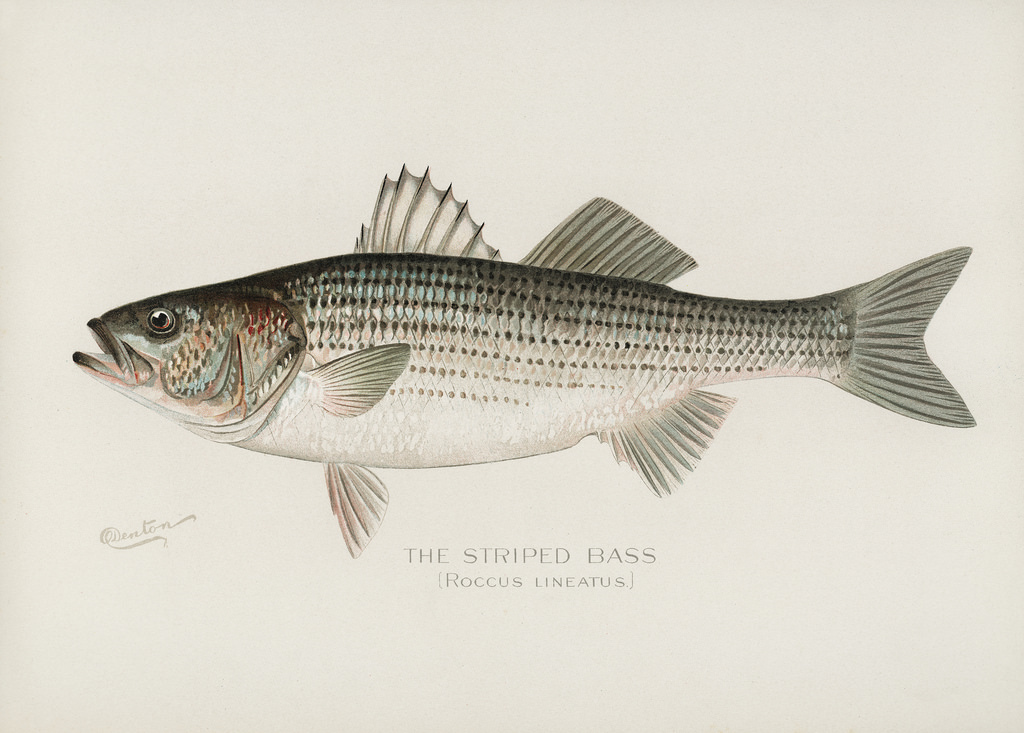
    For my co-op work term this summer I worked under biology professor Dr. Trevor Avery, helping his honours and graduate students with their theses and taking part in public outreach events for the Striped Bass Research Team. My week would generally start with field days in a boat with a local fisherman on both sides of the Windsor Causeway Tidal Barrier, which is bordered by the Avon River on one side, and Pisiquid Lake on the other. The Barrier is a gate that is manually operated, and as such it opens and closes on schedule with the tides until June. After the month of June, the gate remains closed unless flooding is expected in Pisiquid Lake, but fish movement is possible due to tennis ball-sized holes in the gate.

    Some believe that the gate does not allow for fish movement, which would prevent fish from reaching food sources and spawning grounds. As a result, one of the projects I assisted with was focused on American Eel and White Perch movement across the barrier after June (when the gates remained closed). While in the field we also tagged Striped Bass, a large fish native to the Avon River.  We caught them using gill and smelt nets and tagged them using a Dart tag, a long and yellow piece of plastic with a hook on the end to secure into the fish. If the bass was large enough to catch (over 50cm), we kept it for dissections. Our largest catch was over a metre in length.

    The dissections we conducted in the lab were part of a graduate student’s project. His focus is on mercury accumulation, reproductive organ development throughout the year, and diet in Striped Bass.  We collected tissue and liver samples for the mercury analysis and either preserved the Bass stomachs in alcohol or conducted a traditional stomach content analysis (cutting the stomach open and searching for physical evidence – and yes, it was gross).  

    Apart from those organs we collected scale samples and otoliths (calcium carbonate structures that allow the fish to remain upright while swimming) for ageing the fish.  Some of the bass that were dissected were donated from local fishermen, and as a lab we were often invited out with the fishermen to fish with them. This was hugely beneficial because we collected valuable tips and learned where the hot spots were for bass fishing. Though I’m not one to brag, I can officially say that I caught my first fish this summer: a 95cm bass.

    As a part of the Striped Bass Research Team I also attended fishing derbies over the summer.  One of them was the Miramichi Striper Cup- the most competitive event I’ve ever seen. Over 200 teams registered this year and approximately 600 bass were caught, with the grand prize being a new boat worth several thousand dollars.  Despite the intense competition, the competitors really cared about keeping the fish alive. There were only 9 fatalities throughout the event, which I believe was an all-time low. The community once had a diminishing population of bass, so the fact that over 600 bass were caught and so few fish lost their lives was a huge deal.

    I came into the summer knowing little to nothing about the Windsor Causeway and the history behind it. I knew even less about the variety of fish species that are found in Nova Scotia. Though my co-op term is up and school is back in session, the importance of the work I did still resonates with me. I hope future work terms are just as much fun as I had this summer, but as a little blue fish once said, “just keep swimming”.

    Kelsey Crouse is a 3rd year Environmental Science student and former Student Research Assistant for the Striped Bass Research Team

  • Blomidon Naturalists Society Seeks New Members, Contributions to Newsletter

    Blomidon Naturalists Society Seeks New Members, Contributions to Newsletter

    The Blomidon Naturalists Society is a field naturalists club based in Wolfville, but its interests and activities span most of the eastern Annapolis Valley. Active since 1974, the club meets monthly at the Beveridge Arts Centre at Acadia. Every meeting features a speaker – our speakers have included research scientists, Acadia students, local naturalists, and artists with topics ranging from wildlife photography, to tidal power, to botanical illustration to Sable Island horses. The club also has the occasional field trip, which could mean a hike to Cape Split, mushroom walks in the Kentville Ravine, annual seasonal bird counts, and last year a wind farm tour.

    The Blomidon Naturalists Society is deeply connected to Acadia – many current and former professors and university staff are members, as are many alumni (present company included). The Society supports Acadia students in the natural sciences through an annual scholarship award.

    We publish a quarterly newsletter which accepts submissions from members and the public. Non-fiction articles on topics of interest to naturalists, poetry, photographs, and drawings are accepted.

    The Society has also published several books (which are regularly offered for sale at local bookstores and from the Society itself) on local natural history, including Within the View of Blomidon by the late Acadia Biology professor, Dr. Merritt Gibson; A Natural History of Kings County; and Birds of Kings County. The Society also produces an annual natural history calendar which includes daily tide times, current and past historical events, and beautiful photographs taken by local photographers. Photographic submissions to the calendar are welcome.

    The Society always welcomes new members, and membership is open to any interested person. All of our events/field trips, most of which are free, and meetings are open to the public.

    For more information about meeting and event schedules, please see blomidonnaturalists.ca or check our Facebook page, To submit an article, photograph, etc. for the newsletter or calendar, please contact Shelley Porter (newsletter editor) at [email protected]

    Shelley Porter is an Acadia alumnus (BScHon. ‘87, MSc. ‘97) and current editor of the Blomidon Naturalists Society newsletter

  • Budget 2018: Innovation and Investment in Science

    At the end of February, the federal government released Budget 2018. The federal government has touted this budget as helping to build the conditions to encourage a more equal Canada, and as a budget that would grow Canada through economic innovation. For those who are thinking about science and how the federal budget supports research, the 2018 budget can be seen, in part, as a direct outcome of the Naylor report, an independent panel that was tasked to review the state of science in Canada.

    During Federal Minister of Finance Bill Morneau’s budget address to the House of Commons, he said, “Budget 2018 represents the single largest investment in investigator-led fundamental research in Canadian history”, and went on to suggest that the 2018 budget helps to diversify the science community to reflect what Canada looks like: a community with an increased presence of women, indigenous peoples and visible minorities.

    It has been widely argued that the investment in women, especially in pursuing science, technology and engineering related research and professions, is a strong direction to take and will help to maximize Canada’s economic productivity. While the 2018 budget has not found support among fiscal conservatives given the reliance on running a deficit, nevertheless, from the perspective of field of science the newly unveiled budget was pegged as being a huge advancement away from the previous Harper government. While Harper was in office his government successfully eliminated many resources from both public and government funded research. The Harper government was also largely criticized for silencing research scientists from discussing the findings of their research. Additionally, the Harper government strongly favoured a more diminished role for government in science.

    Equally, a noticeable trend was observed throughout federal government departments that positions would not be subsequently filled after an individual retired. Although there is little question that the public sector is predominantly driven by sector-based interest, I argue that there should be an increased focus on communication between scientists and the public.

    After Justin Trudeau was elected in 2015, there has been a stronger emphasis on the science and technology field; the newest budget does not fail to follow this direction. Below is an outline of some of the main initiatives that the budget intends to support throughout the upcoming years.

    • Over $4 billion in total to invest in researchers and other organizations over the next 5 years
    • An increasing concern with researchers has become the management of Big Data; essentially a large volume of data that cannot be dealt with on typical application programs. The ability to make sense of large volumes of data has been seen to be one of the most important advances for scientific research. Budget 2018 has outlined that it will aid in Big Data storage and advanced computing.
    • An increased amount of funding ($925 million) for the tri-councils – the Natural Sciences and Engineering Research Council (NSERC), the Canadian Institutes of Health Research (CIHR) and the Social Sciences and Humanities Research Council (SSHRC). Additionally, the budget included $275 million to be administered by the Social Sciences and Humanities Research Council (SSHRC) to aid in “interdisciplinary… and higher-risk research”.
    • Over $763 million will be used to update various research facilities through the Canada Foundation for Innovation.
    • Increased spending will be on facilities and administrative costs for research.
    • Special attention was paid to female entrepreneurs, specifically in fields of science and tech to help them kickstart their businesses,

    Many of these budget changes are driven to change the field of science, but are Trudeau’s most recent budget changes enough for Canadians in the science and tech field? After running on strong platforms of reform for science and equal gender representation in those fields, some people still believe that not enough is being done. One of his most distinguishing planks in his policy platform was to support action on climate change. Although if Prime Minister Trudeau was making no action for innovation in the science field, it would speak louder than the smaller changes he is trying to enact. Ultimately, it is important that the federal government’s budget recognizes the critical importance of science to the impact on the daily lives of Canadians and the economy.


  • 8 Crazy Things That You Wish You Didn’t Know About Sex in Nature


    1.  The Birds and the Bees

    The male honeybee, commonly known as a drone, is alive for one primary function; to mate with the virgin queen bee. The queen bee typically mates with multiple drone bees to ensure that the off-spring are genetically diverse. After the drone bee mates with the queen bee, their endophallus explodes and the drone bee drops to an unfortunate death. Unlike residence ‘floor-cest’, the more incest the better for the bee community!

    2.  Talk about timing!!!

    Imagine “that time of the month” was “that time of the year”! Some species, like female giant pandas are monoestrous, a term used to describe females that only have one menstrual cycle per year. Therefore, the female panda wants to only mate with the male panda for a couple of days in the year.

    3.  Male and female ducks have reproductive organs that are much more complicated than those of humans. Male ducks have phalluses that are cork-screwed in shape, and if they are reproducing with females then it makes sense that the females have similar openings that accommodate the unique shape of the cork-screwed shaped phallus of the males. Lord love a duck.

    4.  Need to get your crush out of their shell? The painted turtle has probably one of the most romantic ways of finding a mate. The male will find a female and stroke their face, if the female turtle wants to reciprocate the feelings of the male, she will stroke him back.

    5.  Live Fast, Die Young

    A type of marsupial mice, the Antechinus, goes out with a bang! Males stop producing sperm about one month before mating season so that when mating season begins he can mate with as many females as possible. Yup, you can’t unhear me. Each interaction can last up to 14 hours. After a mating season of 2-3 weeks, the males are completely exhausted and die from immune failure or other related complications.

    6.  Black widow spiders are a unique species in the sense that after they mate with each other, the female will sometimes eat the male. It has been theorized that this is due to sperm competition and fitness of the males that are mating. Or, because the males didn’t ask for their number.

    7.  University students aren’t the only ones that have high rates of STI’s. Koalas in Australia have been known to have high rates of Chlamydia that are killing off large numbers of these furry friends.

    8.  Chipmunks have a quicker gestation period than most mammals. After approximately 31 days, the females give birth to a litter of 2-6 chipmunks. The young are born without a coat- much like an average vil-goer who is walking home after a night out on the town.

  • Look Alive! A Brief Explanation of Artificial Intelligence

    *This article was written with information provided by Mohammed Shameer Iqbal.

    Artificial Intelligence, or AI, has had a continuously changing definition over the past 50 years. An overarching approach to AI is any machine that is non-human but still able to process information to the same capacity as humans. Machine learning is one technique that is used for the achievement of Artificial Intelligence. Machine learning uses the principles of feeding the machine algorithms so that the machine can detect patterns and trends in similar situations that it is presented with in the future. This allows the machine to handle situations through analysis, observation and self-training. Deep learning is a subcategory of machine learning that challenges the machine to analyze data with similar logic that humans use to make decisions. This technique was inspired by neural systems that are found in the brains of humans. AI can be categorized as being either strong or weak. When a system has weak AI, it is programmed to have one purpose, strong AI is for far more complex issues. Ideally, strong AI would function to the same, or better capacity as a human. Strong artificial intelligence would have the same learning experiences as a child to learn reasoning, perception and basic social skills.

    Inherently, AI is not supposed to be biased with the information that it receives, the intent for an AI machine is to recognize patterns from the various data that is given to the machine and then take actions from this data. However, one of the larger issues of AI is that the data that is being collected for the machine to be fed typically has a bias associated with it. Joy Buolamwini, a MIT grad Student, has been researching the intersection of inclusion and machine learning. She has encountered many situations in which a facial recognition program did not recognize her face due to her darker complexion, this was due to an algorithmic bias. Essentially, the training sets of faces that had been given to the machine weren’t diverse enough. To rectify this situation, when coders are feeding their systems information, they must ensure that the information is a actual representative portion of the population. Buolamwini is battling this algorithmic bias by challenging coders to make social change a priority with their teams through diversity. Additionally, she has been inviting people to help audit existing AI programs to try and ensure that diversity and inclusion are at the forefront of this field.

    That being said, AI has a large capacity to change the way everyday tasks are performed. Technology like self-driving cars, voice recognition and tools for medical diagnosis are just some examples of influential AI systems. Artificial intelligence systems have been recently seen as a tool for rural communities in different parts of the world to revolutionize the way that they are performing certain tasks. Rural communities tend to have inadequate access to certain services, specifically services like specialty doctors and specialized diagnostic equipment. Additionally, many rural communities lack funding and infrastructure that supports these types of services. In recent years, AI has been used as a tool to help with the diagnosing of certain cancers. Preliminary testing has been done in certain rural populations throughout China to aid in the diagnosis of deadly types of lung cancer. The technology was able to detect nodules in the lungs that are typically very hard to diagnose. AI is a beneficial tool for these type of diagnostics as the system analyzes an immense number of cases and photos from urban areas. Thus, a patient’s blood test results or photos can be cross-referenced to obtain a quicker diagnosis without the patient leaving their community. Although this type of technology is the cornerstone of healthcare and interaction with patients, it is not a technique that will replace the healthcare practitioner. Currently, long-term illnesses do not have the capacity to be in this conversation as most health care practitioners argue that these type of chronic illnesses cannot be managed through analytics and machine learning. Ultimately, AI analytics should be used as a second pair of eyes to the specialist, inducing quicker diagnosis rates and more intelligent surgery techniques.

    However, as Artificial Intelligence becomes more prominent in our society it is important to be critical of both the positives and shortcomings of this technology. A significant cross road has been reached in the field of AI, this technology can be extremely beneficial or have detrimental effects. As a society, it must be recognised to whom will take responsibility of AI technology. This past week, a pedestrian in Arizona was hit by a self-driving Uber car, being the first case of a death involving a self-driving car. This situation brings light to important questions like; if a self-driving car hurts someone, what is the proper protocol to rectify this situation? Many of these issues can stem from the lack of legislation that is currently in place to debunk similar questions that are being asked. Particular priorities for policy makers should be to develop frameworks that have the capacity for adaptation in the future. The field of artificial intelligence is fast-paced and dynamic; policies must be able to accurately depict this. Currently, prevalent conversations in the field of AI are on the subject of personal privacy; how is the data that is being processed and store for AI purposes breaching personal privacy. The use of Artificial Intelligence on a daily basis brings forward many challenging ethical decisions that cannot be ignored.

    Acadia has been a larger supporter and champion in the field of Artificial Intelligence. Through various specific undergraduate classes through the faculty of Computer Science and Masters students, there has been no shortage of engagement at Acadia about Artificial Intelligence. One of the larger events hosted at Acadia is the robotic competition that occurs every winter semester. A multitude of students, typically between the ages of 12-18 participate in various different challenges over a weekend. This year the main task was to develop an autonomous robot that could both collect tennis balls and place them in a basket. Acadia Robotics intends to engage school-aged students in technology, mathematics that stresses activities with team-work, critical thinking skills and problem solving.

    Recently, Masters student Tanya Monga was highlighted on Acadia University’s Facebook page. Monga was discussing some of the highlights of her research which includes the use of image processing and machine learning technologies. Her research focuses on the development of maps for vineyards to predict the yield of the crop. Thus, this technology can save the farmer significant money and time throughout the season as they can better allocate their resources.

    As this technology continues to develop, there will be many large, controversial issues that require cross-disciplinary outlooks. Issues such as ethical concerns, the development of dynamic legal frameworks and trust from consumers. Nonetheless, it is evident that there is a proper application for this type of technology in our society both through improved access to medical services and benefits that are relevant to agricultural sectors.

  • Innovation Through Biological Inspiration

    In 2012, the World Bank estimated that 1.3 billion tons of solid waste are produced each year. Factors such as economic development, industrialization, social practices and location play into waste generation. Current projections estimate that human generated waste will only increase in the coming years, up to 2.2 billion tons annually by 2025. We are familiar with the three Rs: Reduce, Reuse, Recycle, their importance listed in chronological order. Yet current industrial practices hinder what sounds like a simple design. Reinventing conventional products as well as their production could drastically change the game, propelling us into a more sustainable future. Here are a few ways innovators are harnessing biology to develop unique solutions that decrease waste and increase sustainability in a variety of industries.

    Mycelium is the vegetative part of fungi, made up of individual strands of hyphae. The mycelium possess powerful digestive enzymes that helps the fungi acquire nutrients. You’ve probably seen hyphae extending over that long forgotten jar of pasta sauce hiding at the back of your fridge. The cell walls of fungi are usually made of chitin, a resistant and durable polymer. Ecovative, a biomaterials company based in New York uses mycelium in order to replace conventional packaging such as Styrofoam. To harness this power, local agricultural waste can be inoculated with mycelium, and placed inside reusable frames. The mycelium, kept in its vegetative state, will grow to the shape of the frame. It will digest most of the natural by-product and build packaging that is fire resistant, fairly water resistant and decomposable. After approximately 5-7 days of growth, they are ready to be dried and shipped. When their purpose has been served, they can be broken up and will decompose outside in about a month, where residual nutrients can be absorbed into the soil.

    Looking to the clothing industry, it is apparent that fast fashion has a deluge of harmful effects for people and the environment. Poor working conditions where employees are underpaid and subjected to health risks are paired with environmental destruction and high rates of pollution. Conventional dyes contribute to a large part of pollution generated by the fashion industry. They are synthetic, often petroleum based, and use a lot of water that needs to be heavily treated to be recycled – and often isn’t, being directly dumped into waterways. Natsai Audrey Chieza, a materials designer, aims to identify bacteria that could be used to as an alternative to conventional clothing dyes. Varying acidity results in the antibiotic Streptomyces coelicolor produces to elicit different pigment molecules. Currently, she is working with Ginko Bioworks, a biotech start-up that produces microorganisms for a variety of services. They are trying out various methods to expand the capacity of both fabric preparation and inoculation. Manipulation of fabric can impact how the bacteria will move, shaping the design of choice.

    Biomaterials refer to entities developed to interact with the body for medical uses. They can be natural or man-made. Having the ability to biodegrade or be bio-absorbed is environmentally favourable, and can be less invasive to the individual.  One such example are artificial retinas, the part of the eye that receives light, sending neural signals to the brain. Developing artificial retinas is difficult due to the sensitivity of the human eye.  Vanessa Restrepo-Shild, a doctoral student at Oxford University has designed a novel retina formed from water droplets and biological cell membrane proteins. Single celled organism Halobacterium salinarum is used to make the bio-pixel that senses light. The soft, flexible, water based nature of the product increases the likelihood that the body will accept it. At this stage, the cells can detect light, produce electrical signals and create a grayscale image. Her team is continuing to work on its ability to perceive differences in colours and shapes.

    Dr. Timothy Le and his team at MIT grow bacteria, such as Escheria coli into components of electrical circuits. This requires a combination of techniques in genetic engineering and protein chemistry. Bacterial cells are reprogrammed to assemble in a specific way, by regulating which genes are turned on and off. In this case, they can then respond to chemical signals to produce synthetic polymers. They could be programmed to clean up pollutant metals and amalgamate the bacteria into this growth of circuits. Ideally, they could become self-healing as well, if the product comes under duress. The processes involved in production would be less taxing on the environment, lowering the use of energy and harsh chemicals compared to conventional methods practices. His lab has also integrated mussel foot proteins with those of E.coli to develop underwater glue.

    Our natural environment provides a myriad of potential ideas for improving our anthropogenic landscape. Some of the aforementioned examples use unaltered organisms, but many of these researchers are open to exploring the possibilities of synthetic biology. This relatively new field is a synergy between engineering principles and biology that interweaves living cells with beneficial aspects of non-living material. Whatever pathway is chosen to the development and improvement of industry; it should be one that is answerable to its practices. Sustainable innovation must be comprehensive of its actions, and have the flexibility to improve as new visionaries step up to shape it.


    Sources:

    https://siteresources.worldbank.org/INTURBANDEVELOPMENT/Resources/336387-1334852610766/What_a_Waste2012_Final.pdf

    https://www.ted.com/talks/eben_bayer_are_mushrooms_the_new_plastic

    https://www.ted.com/talks/natsai_audrey_chieza_fashion_has_a_pollution_problem_can_biology_fix_it

    https://www.nature.com/articles/srep46585

    https://www.nibib.nih.gov/science-education/science-topics/biomaterials

    http://www.bbc.com/news/science-environment-26691016


  • The Complete Student’s Guide to Online Privacy & Security

    The Complete Student’s Guide to Online Privacy & Security

    Through careful observation, I’ve (expertly) concluded that, as budding professionals, many of us don’t value our digital privacy or security as highly as we should. It’s a right that we don’t fully appreciate until it’s been snatched away. While the world of online services and technology presses on, there are some easy steps that you, the student and avid internet user, can take to ensure a reasonable level of security for your information. Specifically, those pictures of your bosom and bottom that you deny taking, but we all know you have, and definitely wouldn’t send to anyone else, right?

    Difficulty: Easy

    • Actually, for real, do your software updates. It only takes a few minutes, I promise. Windows, MacOS, and most phones offer options to auto-update so it just installs while your phone or laptop is plugged in overnight.  With this feature, every last minute of the day can be used to “study”. You can only click “ignore” so many times.


    • Uninstall all the old programs and apps you no longer use on your phone and computer. They’re probably out-of-date and just killing your battery and performance for no good reason. When in doubt, clean it out.


    • Delete accounts for websites and services you don’t use anymore. A great way to do this is to watch for incoming “spam” you don’t care about – unsubscribe or delete your account to stop the annoyances forever, all at the cost of about 5 or 10 seconds of the precious conscious time we have in this short, cruel life.


    • Facebook. Restrict who can view your posts, and see things when you’re not friends. Delete all the old connected apps, services, games and logins you don’t use anymore. Delete old messages that you don’t want or are “sensitive”. Use “On This Day” to delete the dumb shit your younger self said. Cringing will commence.


    • Twitter. Set your account to private. Delete old connected logins. Just don’t post dumb stuff. Twitter is pretty shit anyway. I only follow Lord Daddy Trump on it.


    • Snapchat. Only let friends send you snaps. Turn off SnapMap – that shit is sketchy af.


    • Public free wifi hotspots are sketchy, don’t use ‘em. They’re prime targets for people looking to inject junk into devices passing traffic on the network. But yes, I know, data is expensive in Canada and free is free, so you’re going to ignore this point, but at least I tried.


    • Don’t just ignore the emails from Acadia’s Tech Services department. They usually provide some handy info on whether or not you should make key updates and upgrades and still be able to use Acadia’s network, email services, department-specific programs, and more. They seem to know what they’re doing, not that I’d really know.


    • If you’re unsure if an email is legitimate, contact the institution or sender by phone or in person to question them about the legitimacy of the email. We can all be fooled, no shame in it. I heard there’s a prince in Nigeria that’s been trying to give away his fortune for years now, but nobody replies to his emails.


    • Beware of free apps, websites, and services. Nothing is free. Let me say that again: nothing is free. If something is free, often you’re just giving them access to your personal data to be resold to a third party. (This is a huge threat to privacy and security both as governments and companies continue to surveil like it’s going out of style, but more on that some other time.)

    Difficulty: Medium

    • Stop using the same password for everything. At the very least, have a few different ones you use, just like pairs of underwear, even though you’ll still have a few favourites you use all the time. Even better, use a password manager like the (fantastic and Toronto-based) 1Password, or a free alternative such as LastPass. This way, you don’t even have to remember your passwords. I’ve been using 1Password for years, and couldn’t imagine my life without it.


    • Don’t use pirated software. It can have plenty of junk running in the background, such as spyware, malware, or programs that mine bitcoins for the person who “cracked” the program. Sure, it seems like the easy way out, just like copying references from the bottom of Wikipedia pages, but it could always come back to bite you.


    • Beware of websites offering free downloading and streaming of TV shows and movies. Lots of times they’re filled with ads, spyware, malware, and other garbage. There are plenty of free (Crackle, YouTube, Vimeo) video websites as well as some paid ones (Netflix, Amazon Prime Video, others I’m too lazy to look up).


    • Use an anti-virus on your PC, and, yes, your Mac. There are several great anti-virus software options, all available for free. One that works on both Windows, MacOS, Android, and iOS is Avast, or AVG; they’re pretty competitive and comparable products. Pick whichever one has the nicest logo, in your opinion, I guess.


    • Back the fuck up. No, seriously, backup your phone, backup your computer, backup your backups. You deserve to lose data you don’t back up. You can use Microsoft Backup or Apple’s Time Machine along with an external hard drive for your laptop. iPhones and Android usually have an option to backup to the respective clouds (iCloud and Google Sync) which you can enable and have some peace of mind. At the very least, use a cheap memory stick and just copy the files you care about onto it, such as that all-important thesis or presentation, and then put it somewhere away from your computer. Another great solution is using a cloud service like Dropbox or OneDrive to manually keep a copy of your precious files on.

    Difficulty: Hard

    • If you really want to torrent and browse questionable materials, I’d suggest using a VPN (Virtual Private Network). It basically reroutes your internet traffic to another country through a series of servers to mask your IP address, making you pretty much anonymous. There are some free services, but anything worth having costs money. Competition varies based on speed, privacy policies, and the user-friendliness of their respective client apps. One of the best is NordVPN, as it’s super secure, really fast, and works on any laptop or phone, but there are plenty other options out there. I use NordVPN and don’t notice a difference day-to-day from not having a VPN. So, nobody could ever know how you downloaded that gay porn that one time; not that there’s anything wrong with gay porn, but you’re totally straight – right, bro?

    Conclusion

    Privacy and security are really important in life, especially online. Don’t just say “I have nothing to hide” because that’s akin to saying “I don’t care about this right”. We should all care about privacy and security – if you don’t, you need your noggin examined. Security is a fickle bitch because it’s either “whatever, everything is fine” or “sweet jesus somebody stole my shit”. You won’t be glad that you listened to me until you’re mad that you didn’t.

  • Gender Inequities and Opportunities to Repair them at Acadia

    Gender Inequities and Opportunities to Repair them at Acadia

    At the undergraduate level, a glance around most Acadia classes will tell you that our university has few problems with recruiting women. Indeed, it probably comes as no surprise that Canadian universities have more women than men graduating with undergraduate degrees. According to a Statistics Canada report released last year, 56.3 % of post secondary enrollments were held by women in the prior academic year. In fact, women have held a growing majority as undergraduates in Canada since 1991. While women have held a majority at the undergraduate level for over 25 years now, they remain a minority at the higher levels of Canadian post-secondary institutions. Acadia is no exception to this and actually does worse compared to the national average and other Atlantic universities for having women in tenured positions. According to the Canadian Association for University Teachers (CAUT) Almanac, the average percentage of women in tenured positions across the country is 34.2%. The average percentage of women in tenured positions of regional comparators to Acadia are 36.5% for Dalhousie, 45.5% for Mount Allison, 33.3% for Saint Mary’s, 42.9% for St. Thomas, 36.4% for UNB and 32.5% for UPEI. Compared to our neighbouring universities and the national average, Acadia is the lowest at 31.6%.

    If you look at the numbers of appointment by gender at Acadia, there is clear cause for concern. In terms of job stability, in the contractually-limited-term (CLT) positions, there are significantly more women at 64.3% compared to men at 35.7% whereas for the tenured positions, the numbers are a near reversal at only 31.6% women to 68.4% men. At Acadia, women predominate in ranks outside of the professoriate as 63.3% of instructors and 60.0% of lecturers. It is somewhat encouraging to see that women outnumber men in tenure-track positions with 53.0% women to 47.0% men, although this is such a small number of women that it is unlikely to have a significant impact on the balance of men to women as they progress up through the ranks. There are significantly more men at the higher professorial ranks with 70.2% of the Full Professors and 71.4% of Associate Professors being male. This skewed balance by gender is significantly contributed to by the science departments where there are no tenured or tenure-track women in the Computer Science, Chemistry or Physics Departments. Even in the Biology Department, where over 80% of new students were female in 2016-2017, there are only two tenured female faculty members.

    There are many possible reasons for why women continue to be underrepresented at the highest levels of our university, including personal choice. And while women may make the choice to take time away from their careers to prioritize their families or other commitments, it remains unlikely that it is by personal preference that they end up in lower-paid and temporary positions. Due to the physical toll that pregnancy, childbirth and the aftermath can have on women, they may find themselves forced to take time off from their careers if they want to have children. In the “Publish or Perish” mentality that most academia is infused with, women can find themselves forced to have to choose between a career and a family which is a choice that men aren’t often forced to make.

    Many other factors besides family commitments play a role in the lack of women in high ranking faculty positions and STEM careers. These include discrimination, lack of mentorship, lack of support and an unfriendly environment for women among others. It is hard to pinpoint one cause as many play a role and all avenues must be explored to determine the causes.

    So, what can Acadia do to even the playing field when clearly there are gender inequities at our university? Well, Acadia could join the ranks of most other Canadian universities in having a childcare centre, particularly for very young children, as this would allow new parents to better juggle working in academia with parenting. It could also consider that women may have gaps in their careers, such as in the publishing of papers, due to family or other commitments that men do not have to contend with. They could also conduct an internal review to investigate if discrimination is playing a role.

    Already at play on our campus, is a group consisting of female students, faculty and staff, who have come together to form WISE (Women in Science and Engineering) Acadia that aims to address some of the barriers that women face in continuing to pursue a career in the sciences (where women tend to be the most underrepresented). This group was started in 2010 at an Atlantic Women in Science conference organized by Dr. Svetlana Barkanova who was at the time a physics professor at Acadia. Some of the actions that they have identified as key priorities include addressing implicit bias when writing reference letters for female students and faculty, facilitating science camps and retreats for girls and mentoring female students and faculty. They also aimed to introduce a Women in Science course which is being taught in the winter semester this year by Dr. Randy Newman.

    Due to the lack of women as professors and other professionals in the sciences, mentorship has been identified as a key factor in helping women and girls to be able to see themselves pursuing a particular career path. To provide students at Acadia with the opportunity for mentorship, WISE hosted their WISE Works event this year on Monday October 30th from 4:30-6:30 pm in Fountain Commons. Acadia students were given the opportunity to converse with female Acadia alumni in STEAM careers. STEAM refers to careers in science, technology, engineering, arts and math. It was recently referred to as STEM but has been broadened to include arts due to the increasing realization that skills and knowledge in the arts and sciences overlap in most careers. WISE is a multi-disciplinary initiative with ties to the Women and Gender Studies Department as well as to those in the sciences.

    Clearly there is a problem at Acadia in which there is a disconnect between the female to male ratio at the undergraduate level compared to our high ranking and high paying faculty positions. Women are interested in academia and, yet they are not making it in near equal numbers to men in the highest levels of employment at our university. By having women underrepresented in the high earning positions, Acadia students may feel discouraged to pursue these same careers due to seeing that there are barriers associated with their gender. Groups like WISE Acadia are helping by looking at where discrimination exists in the system and are actively providing mentorship opportunities which have been shown to be successful in helping women to pursue careers in which they are underrepresented. Additionally, however, changes within the university system must be implemented to ensure that Acadia is an equitable environment for both students and faculty. Acadia can do better.


    Sources:

    http://www.statcan.gc.ca/pub/81-004-x/2008001/article/10561-eng.htm

    https://www.statcan.gc.ca/eng/dai/smr08/2017/smr08_214_2017

    https://www.caut.ca/resources/almanac

    http://wise.acadiau.ca/home.html

    Statistics on faculty appointments by gender in 2016 at Acadia obtained from Acadia University Faculty Association’s Women’s Committee (AUFA-W) which has been tracking the status of women faculty members at Acadia University since 2007.  Access to this information is supplied to AUFA by Human Resources in compliance with Article 28.10 of the Fourteenth Collective Agreement. The data presented above are as of October 2016.

  • Going Bonkers for Conkers

    Going Bonkers for Conkers

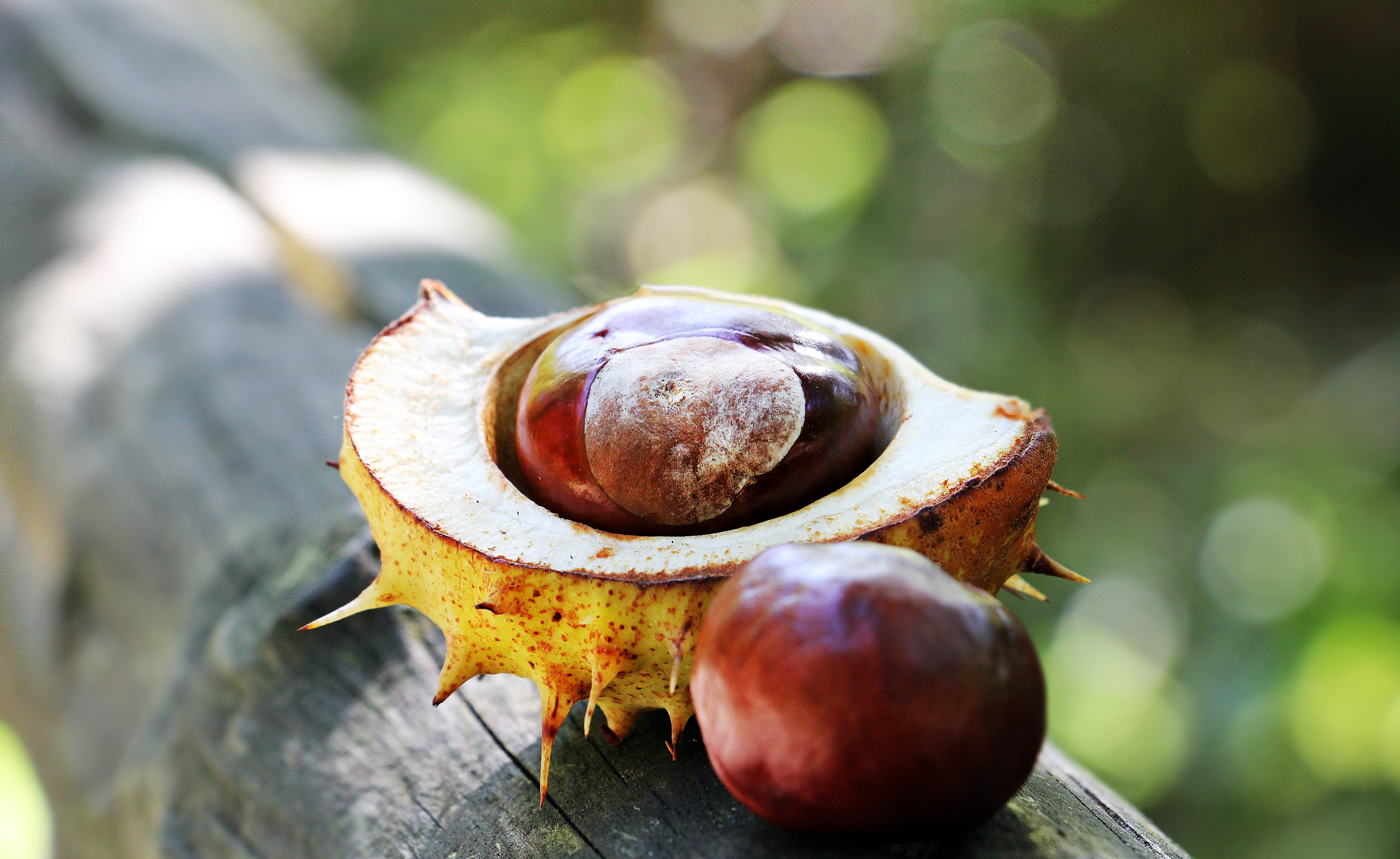
    You know what I like? Ecofriendly options. You know what I like even more? Ecofriendly options that save me money! That’s why I was so excited to learn that you can make your own laundry detergent out of horse chestnuts.

    Horse chestnut trees (Aesculus hippocastanum) are widely cultivated in streets and parks throughout the temperate world and are only distantly related to true chestnuts. Indeed, they are actually in the soapberry and lychee family, Sapindaceae. This means that instead of buying soapberries shipped from across the world, contributing to the growing demand for exportation and leading locals in India to have to rely on cheaper chemical detergents, I can do my laundry for free with locally growing conkers!

    This easy, free, ecofriendly option makes me wish that I’d switched years ago. Interested in giving it a try? I’ve listed the four easy steps below.

    1. Collect your horse chestnuts in a reusable bag. Aim to collect approximately eleven pounds to last you until next fall.
    2. Hammer, crush, blend, or cut five or six chestnuts into fragments. I hammered them in a cloth bag and then ran them through the blender. Alternately you can cut them into quarters with a knife.
    3. Pour one cup of boiling water over a half cup of chestnut fragments. The smaller your pieces, the shorter the steep time. For blended fragments, 15-30 minutes is all that’s needed to release the saponins. Cut quarters will require soaking overnight.
    4. Once the water has gone a milky soapy colour, remove the chestnut fragments with a strainer, and voila, free eco-friendly laundry detergent that can be kept for a week in the fridge (any longer and the fats will go rancid). You can compost the used conker fragments. The resultant soap that’ll be washed through your machine and onto the wastewater treatment plant is as environmentally friendly as it gets!

    One load of laundry takes about a half cup of liquid detergent. If you want your detergent to have a scent, add a few drops of your favourite essential oil.

    If you don’t want to store dried whole chestnuts, pre-shred your supply, dry it, and store it. When it’s time to wash, just activate half a cup with hot water, or simply throw your chestnut fragments in a bag with your wash (much like you would soap nuts). Just take note that using intact nut fragments directly in your wash may slightly discolour whites through the dark chestnut skins.

    And there you have it, a locally grown, free, ecofriendly, DIY laundry soap.

  • A Summer of Research, Fun and Unforgettable Memories in Germany

    I can still remember my first two weeks in Leipzig. The excitement of being in a new place, the foreignness and unpredictability of venturing into a new city alone. The thrill of meeting new people, and most importantly, the nervousness of working in a lab and messing everything up. From my first night, it was an adventure as my roommate invited me to a dinner at her friend’s place but since I didn’t have a bike yet or cash to catch the tram, we would have to make a forty-minute walk to get there. Fresh off my four-hour train ride, I probably should have said no and went to bed, but with all the excitement, I couldn’t possibly sleep. It was an interesting evening as I met a lot of amazing people, had good laughs and conversations, and got a lot of curious questions about my hair including whether it was mine or not.

    Overall my experience through the RISE (Research Internships in Science and Engineering) 2017 program was a crazy mix of fun and work. My project topic was the impact of environmental pollutants on obesity development in infants which I got permission to use as my Honours project for my biology degree at Acadia. It took place at the Helmholtz Center for Environmental Research, where my first couple weeks in the Environmental Immunology department consisted of getting situated in the lab and my shared office (which was really nice). I learnt cell culture, PCR, and how to use the program STATISTICA. I learnt a lot about obesity and other metabolic diseases, along with pollutants like BDE-47(flame retardant) and BPA. While I did not get to know all of them, my coworkers were all wonderful people and the few that I ate lunch with (including my supervisor) every day became some really good friends of mine.

    I also got the opportunity to attend two sets of seminars. One was hosted by the institute that incorporated many different environmental research areas. And the other was “The Clinical Basis of Obesity” where I learnt more about the metabolic diseases and the strategies used to help obese patients. I even got the opportunity to attend a bariatric surgery (one of the coolest things I have ever seen).

    Outside of the office, I spent a lot of my time with my roommate who became one of my best friends. During my first couple of weeks, we went to the manmade lake called the “Cospudener See” (Cossi for short) at least twice a week. I loved that place as it was the closest thing I would get to a beach for the summer. We also got tortured together by an outdoor fitness class that we snuck into. We went to a few musical concerts and birthday parties of her university friends. The most memorable experience for both of us was probably when she invited me to her hometown in Hamburg for her mother’s birthday weekend. Her parents were wonderful hosts and really made me feel at home and part of the family (they bought me cheese). Saturday night was crazy and after dinner with her family, we drank potentially spoiled two-year-old beer and then finally made it out to the Reeperbahn, where we checked out different bars and clubs and we didn’t go home until 6:30 am. And for those of you that don’t know, Hamburg’s night life has quite a reputation, and boy did I have an experience. I also got to visit Prague with a great friend, Berlin during its Pride Festival (that was interesting), and a small city called Regensburg to visit a friend that I had made on my exchange to Norway in 2015. I was also afforded the opportunity to have dinner with a wonderful Christian family that really welcomed me into their home and made me feel part of the family.

    My supervisor was another person that made my RISE experience unforgettable. She was such an amazing supervisor and friend. In the lab, she was very supportive and a great teacher who was present when needed, but gave me a lot of freedom to do my own thing. Outside of work we also got along really well, doing fun things like canoeing, and escape rooms. I even got to celebrate her birthday with her.

    Another memorable weekend both socially and academically was the DAAD RISE conference in Heidelberg. This crazy weekend actually started off on a Thursday night for me as I was invited to a Karaoke birthday party and therefore didn’t make it home until 2 am, even though I had a 7:30am train to catch the next day. Then on the Friday, I caught a series of delayed trains with my fellow RISERs (that is what we call people that participated in the program). After our six-hour journey (it’s normally only supposed to take four and a half hours to five max), we scrambled from the train station to the hostel as we really wanted to make it on time for our free lunch (priorities eh). The rest of the weekend was magical. We got to meet a lot of other participants from Canada, USA and UK, and hear about a few of the projects going on in various cities in various math and science disciplines. Then on Saturday, we go to go on a tour of the city Heidelberg which included a fun cable car ride to the top of the mountain where the castle was located. To top off the weekend, we had the opportunity to celebrate with the locals in the Heidelberger Schlossbeleuchtung (Heidelberg Castle Illumination) which had the most magnificent firework display I have ever seen.

    I had such an amazing experience in Leipzig, Germany this summer thanks to both the Canadian awards program Mitacs and the DAAD (German Academic Exchange Service) program in Germany that sponsored my RISE 2017 experience. These are just a few of my wonderful experiences that I will cherish forever. This experience was definitely life changing both academically and socially. I was afforded this amazing opportunity to experience international research and meet people from all over the world.

    The DAAD-RISE program is offered to undergraduate students residing in North America, Britain and Ireland. This competitive program offers internships at leading German universities in the fields of biology, physics, chemistry, engineering or the earth sciences. Scholarships covering all the research expenses and most of the living and travel expenses are offered by German and Canadian research programs to all students who are offered a spot. This past summer 2017, Acadia had three students participate in the program. Speaking German is not required. To find out how to take advantage of this fantastic experience for summer 2018, visit https://www.daad.de/rise/en/rise-germany.

  • Acadia Nutrition and Dietetics Society Hold Event in Partnership with L’Arche Homefires

    The Nutrition and Dietetics Society held a tie-dye event in partnership with L’Arche Homefires on Wednesday, October 11th on University Hall Hill. If you had an old shirt kicking around that needed some colour or if you wanted to show off your Acadia spirit for homecoming, then the tie-dye event would have been for you! As half of the proceeds went to support L’Arche Homefires, tie-dying was $5 if you brought your own shift or $10 if you purchased a shirt from us. There was a great turn out with a lot of students coming out to support our cause and there were some fantastic tie-dye creations. Please keep your eye out for more on-campus events held by the Nutrition and Dietetics Society!

  • Thinking Green: Saving Money and the Planet

    Thinking Green: Saving Money and the Planet

    I get it, you’re broke and so is the planet. At this point, we’re all aware of the growing pressure of anthropogenic stressors on the environment. Let’s be honest though, as broke students, the green we’re primarily interested in saving resides in our bank accounts rather than in the forest. So wouldn’t it be nice if you could do your part not just to help save the planet but also your money? What if I told you it’s easy to do? Below are ten simple steps you can take to reduce your ecological footprint and increase your bank balance. And that’s a great way to find ecological balance!

    Let’s start simple with the first, and sometimes most important, consideration for students: alcohol. Try to purchase your alcohol from establishments that offer refillable bottles (think Paddy’s and Annapolis Valley Cider). Not only do you often get more liquor per dollar spent, you also produce almost no packaging waste. If you do buy prepackaged store-bought alcohol, try your best to recycle your containers. Remember, by doing so you get the money back for the bottle deposit you already paid! At up to $0.20 per container, it can quickly add up to major savings.

    Use a reusable water bottle instead of purchasing costly, single use, prepackaged water. Most stores will refill bottles for you free of charge or you can opt to fill it yourself at water fountains or bathroom sinks. At roughly $2, a bottle a day could add up to over $500 a year spent on bottled water! A brand new reusable bottle costs $10+, and secondhand bottles often go for less then $3. In Canada alone, this simple switch could redirect 65 million bottles from landfills each year, especially as many are not recycled properly.

    Make the switch to shaving with a safety razor. Although your initial investment will likely set you back $30-50, safety razors last a lifetime and replacement blades cost only about $0.10 a blade. Considering the average person spends over $100 a year on disposable plastic razors (and some estimates state that 2 billion razors are sent to the landfill each year), it’s simple to see that the math equals savings for everyone. Both men and women can use safety razors and the blades are fully recyclable (just make sure to check your local municipality’s protocol for sharps before recycling your blade).

    Switch from plastic bottle-contained body washes to good old-fashioned bar soap. Bar soap can work out to $0.50-$1 per bar compared to more expensive plastic bottle body washes which are $5 on average. Store bought or locally handmade bar soaps can be purchased with minimal paper packaging. Bar soaps can be used in the shower and placed by your sink for hand washing. While you’re at it, why not also switch to a shampoo bar (~$5 each). These simple switches could lead you to redirect around 36 plastic bottles from landfills each year.

    Make your own ecologically friendly body scrub out of old coffee grounds instead of purchasing plastic microbead-loaded scrubs in plastic containers. Simply mix grounds from your morning cup of Joe (or ask a local coffee shop for theirs if you’re not a coffee drinker) and rub yourself down…just don’t forget to put a filter over your drain to prevent clogging. This has the added benefit of reducing your dependence on harmful and costly Keurig machines. Each year, 9.8 billion Keurig-brewed portion packs enter landfills and per pound, Keurig coffee is about $40 (that works out to $0.66 per cup versus $0.28 when buying your own grounds).

    Buy your clothes secondhand (bonus points for purchasing as many pieces made from natural fibers as you can and think cotton and wool instead of polyester and acrylic). Secondhand clothes are often up to 80% cheaper than buying new and a good bargain hunter can almost always find brand name clothes with the tags still on. Just don’t forget to donate your old items to keep the cycle going.

    If you menstruate, consider purchasing a menstrual cup. There are a variety of options available online and in stores and a quick Google search pulls up a host of helpful reviews and comparisons to find the right one for you. Cups range in price from $20-40 and last for a year or longer. They also offer the added bonus of being able to remain in your body for up to 12 hours with no risk of TSS (toxic shock syndrome). Considering one individual can expend  an average of $70 per year on tampons and panty liners, a menstrual cup saves money, time, and the environment (on average a person throws away 300 pounds of period-related supplies in their lifetime). For the very adventurous, you can make (or buy) reusable menstrual pads or period panties which are a fun and colourful way to save money…and further reduce waste going to the landfill.

    Some other easy to implement changes include:

    Switching from a plastic toothbrush to one made of bamboo (always check the make-up of the bristles to ensure they’re not nylon and try to purchase one in packaging that’s as sustainable as possible). Pair your new toothbrush with silk dental floss to further reduce your footprint but make sure the floss comes packaged in glass or paper, not plastic. Bamboo toothbrushes can cost as little as $4 and silk floss $6 for over 120 feet so this is a quick, easy, and cost effective solution. You can throw these products into the compost once it’s time to dispose of them.

    Bring your own grocery bags and reusable produce bags whenever you go shopping. Cheap and easy to purchase, this simple switch can help your household redirect 1,500 bags from landfills each year. Some stores are phasing out plastic bags, and others charge a $0.05 fee to provide you with one so this simple and effective switch can quickly save you money.

    Say NO to single use plastic straws whenever possible. If you feel you need a straw to fully enjoy your drink, consider purchasing a reusable one made of metal, glass, or bamboo (only $2 each). Daily, over 500 million straws are used and disposed of in the U.S. alone, often making it into the ocean where they harm wildlife and break down into microplastic debris. While you’re at it, remember to only purchase Q-tips with cardboard centers instead of environmentally damaging plastics. These can then be recycled with your new bamboo toothbrush!

    So there you have it. Ten easy ways to save the planet…and your bank account!

  • Artificial Intelligence and Machine Learning

    September 23rd was National Learn to Code Day which was started by the Halifax based organization, Ladies Learning Code. This yearly tradition has grown massively since its inception in 2013. This year, from coast to coast to coast, workshops were held in significant Canadian cities to share and spread knowledge on AI and ML. Other than being four uppercase letters, Artificial Intelligence and Machine Learning are two popular terms in Computer Science that have gained much attention in the past few years.

    You are Intelligent! You are at a university reading The Ath and are able to understand and process it. Artificial Intelligence is a concept of making a machine that is no different than you. It’s just a set of algorithms (something like formulas in math) that have the ability to learn and reason just like us humans. Now how does AI learn? It’s given data! Just like you were taught A is for apple and B is for banana, an AI machine “learns” by having access to tons of data. Now, Machine Learning is a technique to achieve AI. It’s where the computer learns by itself. A machine is given a thousand pictures of cats and a thousand pictures of dogs and is asked to learn the difference between them. After this, if it is asked to categorize a million pictures of cats and dogs, it should do so with a certain level of accuracy!

    On September 23rd, Wolfville had its own little workshop where 41 absolute beginners learned more about our world’s technological future. Thanks to Refresh Annapolis, WISE, JSoCS and Acadia Entrepreneurship Centre for their assistance.

    For a better understanding of AI and ML, stay tuned for more articles!


Betzillo positions itself as a versatile gaming hub where structured bonuses and adaptive gameplay mechanics support both short sessions and extended play.

Built with a focus on innovation, Spinbit integrates modern casino architecture with rapid transactions, appealing to players who value speed and digital efficiency.

Ripper Casino emphasizes bold entertainment through high-impact slot titles and competitive promotions crafted for risk-oriented players.

A friendly interface and stable performance define Ricky Casino, offering a casual yet reliable environment for a wide spectrum of gaming preferences.

King Billy Casino channels classic casino spirit into a modern platform, delivering recognizable themes supported by contemporary reward systems.

Immersive visuals and layered slot mechanics are at the core of Dragonslots, creating a narrative-driven casino experience.

Lukki Casino appeals to players seeking direct access and minimal friction, focusing on fast loading times and intuitive controls.

Casinonic provides a structured and dependable gaming framework, blending modern slots with transparent operational standards.