
Category: Sports & Wellness

  • Wax On, Wax Off. What Could Possibly Go Wrong?

    Hair removal is something that many men and women, myself included, strive to perfect. Whether it is through the drawn blood of shaving, expensive laser treatment, or painful wax pulling, we are all after that chic bald look. Some do it for their own pleasure, some do it for the pleasure of their partners, and some like me do it because they swear they can run away from their problems faster. I have been waxing my legs for almost a year now, and when six weeks post-wax arrives, I’m anxious to get them back in a salon again. The trouble, though, is that those services can be very pricey. To my delight on Christmas morning, I unwrapped my very own wax warming pot, complete with strips and various versions of goo to help calm the fire ripping little hairs from your body tends to ignite. I thought to myself, this is great! I’m going to save so much money with this! My mind happily skipped over the process of what it might mean to wax your own legs.

    However, Christmas day came and went and before I knew it, it was December 26. Around noon I decided I’d give my wax pot a go, since my legs were in dire need of some attention. The instruction manual was thick enough to kill a rodent if it was rolled up, but I didn’t let that intimidate me. In fact, to reduce the intimidation, I disregarded all those warnings and do’s and don’ts all together. What I don’t know can’t hurt me was my frame of mind. Besides, I’d seen the bored salon ladies do it dozens of times without so much as a second thought. This should be a breeze.

    I set up the wax pot in my bathroom, plugging it in and turning it on. After waiting a total of seven minutes I impatiently concluded my wax was never going to melt, so to ensure I hadn’t received a defect I consulted the instruction manual. As it turns out, the wax can take up to 40 minutes to melt. This was my first encounter with misconceptions around at-home waxing. I busied myself with other tasks, and finally my wax had become thin and pliable as the manual suggested. It was time to get to work.

    I threw my leg up onto my bathroom counter, and I thought to myself how lucky I was that I was flexible enough to get my leg up that high. But after about 30 seconds with my leg up there, I started cramping up and realized that maybe I wasn’t all that flexible. Oh well, no pain no gain. So, I proceeded to dip my fancy popsicle stick into the wax. It was pleasant to apply, warm and smooth, but when I saw that there was still a thick bubble of wax on the stick and tried to re-apply in the exact same manner, my skin felt like it was ripping away with the already cooling wax. Sweat began beading on my hairline at this point, and I knew it would be a long road from there.

    That first pull on the strip almost made me shit myself, and I had a wax strip that was hanging off my ankle with still half a pull to go. Tears blurred my eyes but I refused to let them fall. I swallowed the pain and decided there was no turning back, so on the exhale, off the strip came. After my first few attempts, the actual ripping off the strips was really not that bad, I will admit. I even got the hang of how to apply the wax in a smooth motion, and things were going great. This was until I was ready to start on the back of my leg. My hamstring was pulled, I was in a full sweat, and my hands were starting to shake. I realize this may sound like I was just being a wuss, but I have a high pain tolerance and can usually endure more than most. I turned on my heel with my leg in the air trying to achieve that perfect angle. My back arched at a ridiculous angle and the wax residue on the front of my leg was sticking hard, and fast, to the counter top.

    I applied the wax to the back of my upper calf despite the awkward contortion of my body, and reached for a clean strip. I lost my balance a little bit though, and the back of my thigh squished right into the hot wax I’d applied to my calf. This was becoming very messy, and now my leg was basically glued in a bent position. I checked the time; 45 minutes had passed since the first application of wax. My waxing appointments usually don’t take longer than 30 minutes. “At-home hair removal is the way to go!”, they said. “At-home hair removal is quick and easy!” they said.

    Balancing and juggling hot wax, applicator sticks, and cloth strips was becoming exhausting. My hands at this point were covered in sticky, unforgiving wax and there was so much residue on my legs that I was sticking to everything I went near. Finally, I finished my first leg. Out of breath, I took in my work. My leg was bald and beautiful, just the look I had sought after. Along with my hairlessness, though, were broken blood vessels, a bruise forming, and patches of fine blonde hairs I had missed but didn’t care enough to revisit with the wax. At least my skin was soft.

    All in all, it had taken me almost two hours to complete my at-home hair removal adventure. As I write this almost twelve hours later, my hamstrings are aching from the stretching and the skin around my ankles is still faintly burning. But my calves are smooth as hell in between the missed patches of hair. This experience made me appreciate the work those bored salon ladies do, but you can bet I’ll be facing this task again in about six weeks.


  • Unpopular Opinion: Controversial Team Names Aren’t All That Controversial

    The controversy of team names has been a hot topic in the world of sports as of late, and all the attention being brought to the topic has me thinking: are these team names controversial, or are activists just bringing it up to create controversy? Before you gasp in disbelief and accuse me of supporting cultural appropriation, just hear me out.

    Think of other team names that aren’t considered controversial. The mascot of a team usually represents something fierce and unstoppable. Panthers, Eagles, Lions, and the list goes on. If a team isn’t named after an animal, it’s named after something that pays respect and homage to the team’s city, country, or background. This is where we get mascots such as the Maple Leafs or the Oilers. So, isn’t it possible that, like these team names, the “controversial” ones are also used to pay tribute to the Indigenous people? In my opinion, having teams such as the Cleveland Indians and the Kansas City Chiefs remind people of America’s roots. These names aren’t meant to be racist. These names are meant to pay tribute to the strength, excellence, and determination of the Native peoples.

    At the end of the day, people are offended by anything and everything. Environmentalists will take issues with the Edmonton Oilers, tall people might take issue with the San Francisco Giants, and perhaps people are offended with the Boston Celtics because of the Irish. If we are going to insist that sports teams change their names to be less controversial, then it should be consistent. Not just for the sports teams with Indigenous based names.

    Don’t get me wrong, I’m not stubborn in my opinion. I can understand why some people will take offense to these names. But I do not feel like the actions being taken are progressive in any way. It has been reported that many people have boycotted sporting events, reporters refuse to say the name of the teams on broadcast, and merchandise is being destroyed. So, my question is this: why is the team being punished for the name? They did not name themselves. These actions are directly effecting the players, and that isn’t right or fair. There must be a better way to voice your discontent.

    Alternatively, maybe those who are offended should see it from a different perspective and accept that team names honour their namesake. The logos and mascots themselves is an entirely different story, and I could see why that may be taken offensively. However, the team names and their mascots are different matters and should be treated as such. Keep this in mind the next time you decided to hop on the bandwagon and protest something you didn’t care about a year ago.

  • No Regrets: Why I Am Leaving University

    Most of our time is spent in school, and we have yet to make any real choices in life. During my second year at Acadia I began to doubt what it was that I wanted to get out of my education and had no idea what I wanted to do for a career, so I decided to take a year off for the 2015-2016 term. The year I spent working at home was interesting, and I guess you could call it a learning experience. I knew for sure that I didn’t want to work at a menial minimum-wage job forever, and it gave me initiative to come back this fall. But upon my return, I found that it was a challenge to fit back into student life. At first, I thought that it was Acadia and my friends that had changed and moved on without me. But then I realized it was me who had changed.

    One of my professors called university a bubble, and I absolutely agree with him. Many of us are bubbled off and separated from the real world here, especially while living in residence with no real knowledge of what it’s like to pay bills or to have true independence in general. I think that this realization is what has driven me to drop out after this semester. Don’t get me wrong, I’m not telling you to drop out and play video games at your parent’s house for the rest of your life. What I mean is this: university just isn’t meant for everyone. For most of us, our bachelor’s degree is the first step in attaining a career,. But what do you do when you can’t even get a job in your field after graduating? What do you do when you realize that you’ll need multiple degrees and specializations to have a decent enough career to be able to afford having a family later on? I applaud the people who strive to do this because their dream and their goal is to go into education, to have a Masters or PhD, but when it’s a necessity to be a successful human being, it becomes an overbearing weight on your shoulders.

    Education is absolutely important in our society, but there is a stigma around higher education and I think it’s time for it to go. If someone had asked me in twelfth grade if I was going to community college or university, I wouldn’t have hesitated in saying university. I was given the impression that if you’re smart, then you need to go to university. But that notion is complete bullshit. People learn in different ways, and from my time at Acadia I’ve learned a lot of great and interesting things. However, I haven’t learned anything that I feel will benefit me that greatly later in the work force. I don’t feel like I’ve been prepared for any job at all, and it’s been two and a half years. If nothing else, that was my sign that university just isn’t working for me. Also, from what I see around me, people in our generation who have gone to community college are more successful now than the ones who have graduated with their Bachelors; they all have jobs in their field while those that have gone to university are working at Starbucks. For me this just isn’t worth it, especially when the price for a semester at university is the price for a year at a college.

    Again, by asserting all of this I am not trying to say that university isn’t worth doing and graduating from. What I am suggesting is that it is not the only way to get a decent education. I am trying to give you insight from a position that is not commonly heard from for the students who are unsure of what they’re doing. For those of you who may be on the fence about whether it is the right place for you, or if you’re only doing it because it is what you feel you are expected to do, you should put the same effort in any decision about leaving school as you did to get into your program. To elaborate, don’t spontaneously decide to leave because you’re scared or homesick. It should be something that you weigh heavily upon. You should not take your education lightly. As Nelson Mandela said, “education is the most powerful weapon which you can use to change the world.”

  • Come One, Come All: The Blue Jays Bandwagon

    Some of my favourite childhood memories involve watching the Blue Jays on TV with my Dad. Win or lose, I supported the Toronto MLB team with everything I had from the very beginning of my life. No lie, one of my first baby pictures involved an oversize Blue Jays shirt with black lines painted under my eyes. I was raised in a baseball family. Some families sat around the dinner table and said grace while mine sat in front of the TV together and prayed for a perfect game. Overkill? Maybe to some. But those memories will last with me forever, and I wouldn’t change a thing.

    Okay, maybe I would change some things about growing up as a baseball lover. For one, it would have been great if my High School had a baseball team. I requested one a few times, but I was told that baseball just wasn’t as popular a sport as all the others; especially hockey. Ah yes, hockey. The great Canadian pastime. I was a Blue Jays die hard in a sea of hockey fanatics. You could ask any kid in my graduating year what NHL team they rooted for and you would get an entire monologue about which team they liked and which team they absolutely hated. But ask them about MLB, and they just shake their heads and say “I don’t really follow baseball. I like hockey”. It was the early 2000’s, after all. Our one and only major league team was in the middle of their worst seasons since the 90’s. After back to back World Series Championships in ’92 and ’93, the Toronto team didn’t qualify for playoffs until 2015. That’s 21 consecutive seasons. It was quite the dry spell, and the Jays weren’t exactly a household name. I was teased quite a bit for my love of baseball.  That is, until just last year.

    When the Toronto Blue Jays shocked the baseball world in 2015 by making their first postseason appearance in 22 years, fans came out of the woodwork to support our blue feathered brothers. Blue Jays merchandise was flying off the racks and tickets were being sold out faster than you can say homerun! With any comeback, a bandwagon is sure to follow. We know this. We expect this. And yet, Blue Jays fans (the ones pre-dating 2015) are morally outraged by it. I was at a pub with my Dad watching the final game between the Toronto Blue Jays and the Kansas City Royals for the 2015 season. You could clearly see which people were bandwagoners, and which people have been proud supporters for years. After the game ended, a brief silence fell over the entire room as we all realized that the Blue Jays would be coming home empty handed. A man next to us started to tear up a little, and one of the obvious bandwagon fans, looking confused, began to laugh at the seasoned fan while saying things like “there’s always next time” and “cheer up”. He didn’t mean any harm by these words, but things still escalated.

    Let me pause my story to say that you must understand, bandwagoners, that this was an emotional moment for those of us who have waited 22 years to see the Jays shine again. For some of us born in 1993 or later, like myself, it was the only time in our short lives where we could witness our baseball heroes step up to the plate in a World Series.

    The crying man became angry and shouted at the younger man about not being a true fan, and how real fans support their team even before success. The confrontation got heated, a lot of words were spoken, and a lot of alcohol spilled. My Dad shook his head, and we both left. On the way home, my Dad turned to me and said “I don’t want to see you treating anyone like that, Jays fan or not”. He looked sad. I have never seen my father so visibly upset about something that seemed, to me, so trivial. Some of you may be wondering why this drunken pub argument over baseball affected my Pops so much. I was wondering too, and it took me a year to realize.

    All those times when I was younger, crowded around the TV with my family, my Dad would give speeches about how baseball isn’t just a sport; it’s a comradery. He was upset by the man in the pub because he took something that brings everyone together, something sacred to our family, and made it into a competition of worthiness. To all those who are offended by this sudden surge of fandom for the Blue Jays: don’t be. Welcome the newcomers with open arms. Let them know that we celebrate together, we mourn together, and we support each other. There is too much hate in the world right now as it is without us turning something that brings us all together, like baseball, into yet another platform for superiority. If anything, we should be excited that the Jays, the only Canadian based team in the major leagues, is finally receiving the support that they deserve. To all who are newbie Jays fans: welcome aboard. We’re glad to have you.

  • Student Mental Health: Know Your Mind

    When a close friend of mine revealed to his parents that he was considering the idea of dropping out of university, he told them that he just wasn’t the academic type and didn’t want to waste more money on his post-secondary education. When that same friend revealed to me that he was thinking of leaving university, he told me it was because he had done nothing but think about suicide since he began his first year. Whether you think his decision was foolish or not, whether you are snickering while reading this or feeling empathetic, the fact remains that mental health issues are a huge area of concern for university students.

    Earlier this year, the Canadian Association of College and University Student Services conducted a survey of a little more than 43,000 students on campuses across this country from 41 different schools on a variety of topics. These topics ranged from alcohol use to the number of students who wore helmets while riding their bikes. What stuck out the most for me was the number of these students who reported experiencing struggles with mental health. Of the surveyed students, 32.5% reported anxiety as a main factor that affects performance at school. Likewise, 21% reported symptoms of depression played a part, 28.4% indicated sleeping difficulties as an issue, and 42.2% said that stress was an area of concern. 13% of students who completed the survey report seriously considering suicide within the last 12 months. The upsetting thing about these numbers is that they do not surprise me at all. But when will the numbers be enough?

    Wolfville is a wonderful town that is home to a fantastic university. The students here, for the most part, take care of one another and welcome the beautiful diversity that is our campus. Acadia has been proud of being one of the strongest communities of the East coast universities. But it is no longer enough to claim this title. We need to show it. Our community is lacking mental health resources, and it is time to provide struggling students with the support that they need.

    Don’t get me wrong. I am aware that mental health services do exist in our community. The counselling centre on campus and Annapolis Valley Health are excellent options. But there are some draw backs to only having two main professional centres for students to turn to. For one, the wait times are not ideal. It is disheartening to know that professionals can only take so many appointments on due to the ratio of students versus counsellors. This is not a fault of any person, but a fault of the system. Moreover, travelling to AVH is unfortunately not a realistic option for some people. In addition to the unreliability of the transit system, many students do not have the funds to routinely take a cab to the offices. Severe mental health issues such as suicidal thoughts, depression, and anxiety need to be worked on regularly. It is not enough to see a professional occasionally, and then hope for the best.

    I know that these things are not black and white. I know that it would take a lot of effort to make resources more accessible, and I know there are factors that I haven’t even considered in this article. All that I am asking is that we open the dialogue more and try to brain storm ways that we, as a community, can make mental health support more of a priority. Students should not have to choose between their education and their mental well-being. It is possible to have both.

  • Soccer Hero: Acadia Hosts Women’s Soccer Championship

    It isn’t very often that the CIS Women’s Soccer Championship makes its way to Wolfville. Acadia was host to the event in its second year of existence in 1989, and again in 2000. Now, sixteen years later, Acadia University was honoured with hosting the Championship once again on its 30th anniversary. The CIS Women’s Soccer Championship took place on November 10-13, which featured eight teams from conferences across Canada, including Acadia’s Axewomen, all gathered in one place to compete to become the national champions. Over the course of four days, eleven games were played to determine which team of the eight would be the last ones standing.

    With four recently announced AUS Soccer All-Stars, the Axewomen fought hard and advanced to the consolation semi-finals where victory was taken in a shoot out against the StFX X-Women, securing a spot in the consolation finals where Acadia defeated Saskatchewan in another shoot out. The cheers from the crowd during the four-day event proves just how proud our community is of the Acadia Axewomen soccer team. While the games were certainly a highlight this fall study break, we were also reminded that the greatest honours often happen off the field. The 2016 Championship has recognized Laura Sanders, former Axewomen soccer coach, as Honorary Chairperson.

    Sanders came to Acadia in 1984 to coach soccer which had not seen varsity results yet. However, during the 80’s and 90’s, the Axewomen soccer team saw great success winning six conference titles and even claiming the national title in 1990. Due to this high success rate, coach Laura Sanders has been awarded the AUAA (now AUS) coach-of-the-year six times, and holds a CIAU (now U Sports) coach-of-the-year under her belt for the 1990 national championship win. Sanders retired from coaching for Acadia women’s soccer in 2001, but remains a fan favourite in the Acadia Sports Hall of Fame and goes down in history as coaching some of the best University soccer teams in Canada. For the 30th year anniversary of the CIS Women’s Soccer Championship, there is no one better to be Honorary Chairperson than our own Laura Sanders.

    Laura Sanders has consistently proved to Axemen and Axewomen that the glory of a team is more than just how the game is played on the field. She exemplifies dedication, determination, teamwork, and knows exactly how to overcome adversity. These qualities are what makes the history of Acadia athletes so tremendous, no matter the number of wins, losses, or titles.  Sanders demonstrates all that Acadia strives to be, and we are proud to congratulate her on being Honorary Chairperson for the 2016 CIS Women’s Soccer Championship.

  • Fall Back: Daylight Saving Time Ends and the Winter Blues Begin

    While I was growing up, my mom always had a speech prepared dictating what was and what was not good for my health. Too much caffeine, not enough caffeine, too much sleep, not enough sleep, too much sugar, not enough sugar: the list goes on and on. Mom is a nurse, you see. So I wasn’t surprised that when I called my mom to explain how difficult of a time I was having lately, she responded with “it’s because of daylight saving time.” In the three-hour conversation (yes, three hours on one topic), I learned a lot from my dear mother. Although it is only an hour, the time change seems to have a huge affect on our health. Here are the top 3 health concerns connected to the time change:

    1. Exhaustion

    At the beginning of November, everyone was posting on Facebook about their excitement for gaining an extra hour of sleep. It turns out that maybe this wasn’t such a good thing after all. While the one hour time change is subtle, our bodies take notice of it. The sudden change to routine makes us tired but restless at the same time. During the winter months, our internal clocks get a little confused and our bodies react in many different ways. This is, of course, only true if you had a normal sleep routine in the first place. In that case, university students may feel the interruption to internal clocks a little less than others. Nonetheless, sleep deprivation and exhaustion are leading on the list of things our poor bodies must endure after the time change. Some research even suggests that our bodies aren’t getting the amount of nutrition needed to stay healthy in the Winter months. From lack of Vitamin D (bye bye Sun) to being stuck in the house all day, the time change adds some serious stress on our bodies.

    1. Depression

    We already know that the winter months are a drag, but there may be more to this than originally thought. Losing an hour of afternoon sunlight, besides confusing our bodies into feeling like it’s bedtime at 5:30 pm, also has a lasting impression on our mental health. It turns out that there are more cases of diagnosed depression (8% higher says research) after the autumnal time change. Shorter days, less time spent outside, and the usual season stress are all related factors of this phenomenon.  It is suggested that exercise, light therapy lamps, and cognitive behavioral therapy can help fight the winter blues. For those of us who are about to be thrown into final assignments, midterms, and exams, these suggestions may not be possible. In that case, open the curtains while you’re studying! Go for a short walk outside or even take a few moments to stretch. Your body and mind will thank you!

    1. Lack of Socialization

    If you’re anything like me, I try to avoid going outside in the cold as much as possible. Making it to my classes is a huge accomplishment in the winter months. It’s a danger zone out there! Ice on the hills, snow drifts make their way up into my coat uninvited, the freezing wind slaps my face…it’s just a lot of effort. So when I can (finally!) come back home to my nice warm bed, you better believe I’m not leaving again until I absolutely must. Unfortunately, this mindset I tend to have makes me miss out on a lot of social interactions. What is worse is that the more I stay away from people, the more I want to stay away. It becomes tiresome to even try and socialize. How does this connect with daylight saving time? When the day is suddenly shorter and half of it is spent climbing up a hill in the snow to get home, going back out is probably not at the top of your priority list. Additionally, the lack of socialization you may be experiencing is most definitely connected to reason numbers one and two on this list. Exhaustion and depression do not make for a socializing mood. Which, in turn, leads to more depression.

    Are these health concerns directly related to the time change? Well, the answer is yes….and no. While it is true that these health issues become more prominent after the time change, it is not the time change that causes them (I mean, come on. That’s just silly). These are all symptoms of Seasonal Affective Disorder (SAD). Unlike Major Depressive Disorder, SAD begins in the late fall and typically lasts for the duration of the winter. There are cases of SAD that occur in the spring (after the time change, in fact) and can last into the summer, but it is less likely. People with SAD will show many of the same warning signs as those with depression such as: sleeping issues, appetite and weight changes, less energy, trouble concentrating, and increased desire to be alone. Just because these symptoms tend to go away after the season, this does not mean that Seasonal Affective Disorder is less severe compared to others. It’s normal to feel a little down during the winter season, but if it lasts for days at a time and you’re struggling to live your life normally, it is important to seek help! Take care of yourself (wow do I ever sound like my mother). Brighter days are ahead!


  • U Sports Priorities Need Rebranding

    When Canadian Interuniversity Sport (CIS) indicated there would be a huge announcement at a press conference, many wondered what it could be. Maybe it involved money, camps, or even new awards that celebrate the blood sweat and tears that go into the games. Maybe new policies for the organization were finally making a debut. This, however, was not the case. On October 20th, CIS announced a rebranding for the organization. A new name and a new logo that would be sure to impress fans and athletes. Thus, U Sports is born, indicating a total of four name changes in 110 years.

    Why the name change? What is the importance? To officials, U Sports is a brand that is more engaging and more inclusive. In addition to this, U Sports is the same in both French and English languages. This gets rid of the pesky CIS (English) versus SIC (French) confusion. There is also the play on the letter “U” to consider, which obviously stands for “University” but can also stands for “unbeatable, united, unsurpassable” and any other cliché “U” word you can think of. It is a clever strategy. The logo is aesthetically pleasing. All jokes aside, the rebranding does unite the organization in a way that has not been done before now. But at the end of the day the true goal of rebranding is generally to rake in more sponsors. Anyone who knows the slightest bit about marketing will agree to this. Let me assure you, that this is not a bad thing. We welcome, need, and would be thrilled with new sponsors. However, U Sports has more areas of concern than a name and logo change.

    Chris Cochrane of the Local Xpress wrote about these concerns in an article titled “CIS Priorities Out of Touch with Grassroots”. Here are some of the issues Cochrane discusses regarding the CIS, now U Sports: the gap between the wealthier and the less financially strong programs, inability to do timely investigations into reports of improper conduct, how the organization is consistently understaffed, and lack of grassroots initiatives.

    I agree with Cochrane. These internal issues of the organization are just some of many that need to be addressed. Maybe I am being too critical of U Sports. The rebranding is, after all, a positive change for the world of University sports. This I am not debating. I am, however, urging that CIS put more emphasis on fixing the internal issues that have been developing for quite some time now. Who knows, maybe U Sports will have a new outlook on these issues. But then again, the names of things do not often affect what they are.


  • World Cup Hockey

    World Cup Hockey

    With the conclusion of the World Cup of Hockey comes the realization that the sport still belongs to its founder, Canada. There was really never any doubt as to who was going to win the world best-on-best tournament, even from the time it was announced to the final buzzer. Despite a few blemishes, the Canadians cruised their way to an undefeated round robin followed by a semi-final victory over Russia and two game sweep of the overmatched Team Europe. Besides Canada’s domination, there were some other important takeaways from the tournament as well.

    It’s not the Olympics

    Well, of course it’s not, but I’m talking about the hype around the tournament. There’s just something about the Olympic atmosphere that makes it so much better than this tournament. Maybe it’s the fact that the Olympics put people in the competitive spirit, or the fact that other Olympic athletes are in the seats cheering on their fellow countrymen. Whatever the case may be, there is simply no way to match the Olympic craze that brings a nation together to watch hockey, especially Canada. The World Cup lacked this competitive spirit, one that Canadian hockey fans long for. With the International Ice Hockey Federation still considering whether it will send NHL players to the next Olympic event in South Korea, fans should be concerned about the lack of entertainment the World Cup offered.

    Canada Really is That Good

    Canada is hands-down the hockey capital of the world and it showed why in this tournament. Despite not having arguably the best defenseman in the world in Duncan Keith and Dallas Stars’ goal-scoring tandem of Jamie Benn and Tyler Seguin due to injuries, the Great White North still picked other teams apart with their incredible depth. The top line of Crosby-Bergeron-Marchand was by far the best, leading the way up front for the Canadians. On the back end, all six defensemen, including 2016 Norris Trophy winner Drew Doughty, contributed to an outstanding shut down system that nullified the few chances other teams did get. If they were lucky enough get past the Canadian skaters, they still had to try to put the puck past the best goalie in the world in Carey Price. Not an easy task, to say the least. Overall, the Canadian depth is something no other country has and is really the differentiator in international play. The fact that Braden Holtby wasn’t even dressed exemplifies the amount of skill Canada has. He won the Vezina trophy last year for being the best goalie in the NHL!

    There were some Awesome Surprises

    You probably could have guessed that the youngsters from North America were going to be fun to watch, but seeing it actually happen was far better than anyone could have imagined. Connor McDavid, Jack Eichel, Auston Matthews, and so on and so forth, all skating for the same team – something we may never see again. Although they didn’t quite have enough to make it to the playoff round, it was very fun to watch while it lasted. Their overtime win over Sweden capped off an unreal tournament for the young guns. None of these guys were over the age of 23. The future of North American hockey looks very bright indeed.

    The other great surprise of the tournament came in the form of 8 different countries. Team Europe not only exceeded expectations, but they defied the logic of chemistry and showed how guys from all over the world can come together to achieve a common goal. They were certainly overmatched in the final against Canada, but if it weren’t for a 3-minute span when the train came off the tracks, they would have pushed the series to a deciding game. Anze Kopitar, Mats Zuccarello, and Tomas Tatar can all be applauded for their hand in carrying their team of relatively average players all the way to the finals against an incredible Canadian team. Bravo to Team Europe for their outstanding success that was inspirational for all underdogs.

    All in all, the two-week long tournament showed the entire world why Canada enters these kinds of tournaments as heavy favourites. Sure they’ve had their struggles in recent World Junior Championships, but the fact remains that in the world best-on-best games, Canada is 16-0 since their preliminary round loss to the United States at the 2010 Vancouver Olympics. Yes, that’s two full tournaments without a loss. Should Canada be worried about this streak coming to an end? Connor McDavid might have something to say about that.

  • Freshman 15

    Coming to university is a considerable milestone in life. Every student at Acadia who lives or has lived on campus knows the struggle of maintaining a healthy balance throughout the duration of their freshman year.

    Everyday, the men and women who work at Wheelock Dining Hall witness students’ eating habits. Meal hall offers food that is considered “unhealthy”; however, a well-balanced diet can consist of the odd splurge every now and then. It only becomes an issue once a “treat” turns into an everyday occurrence. For instance, having dessert doesn’t make you an unhealthy person. If you have dessert after lunch and dinner on a regular basis, then you will gain the freshman 15. To gain one pound, one must eat 3,500 calories more than a person’s recommended diet. Avoid that by cutting desserts down to one or two times a week. It’s all about making the healthier choice.  What’s your version of a healthy choice? The answer varies from person to person. If you eat peanut butter and jam toast for breakfast regularly at home, then do not be surprised if you are gaining weight if your breakfast at Acadia consists of scrambled eggs, home fries, and three sausages. Base your diet on gender, age, and weight. A diet is not cutting out half of your caloric intake for the day, the scientific definition for diet is the individual person’s food choice and intake patterns on a day-to-day basis. 

    The “MyFitnessPal” app by UnderArmour is a great way to maintain a healthy and well-balanced diet. Download it from the app store for iPhone and Android. Chartwell’s has foods on “My Fitness Pal” app, so students can track their caloric intake and macronutrients (energy yielding nutrients) ingested throughout the duration of the day.  Along with MyFitnessPal, UnderArmour offers apps that can connect with one another. The UnderArmour: Record app is connected to MyFitnessPal, and in addition to tracking calories and macronutrients, this app tracks physical activity, sleep, and steps. It is a perfect app for any university student! 

    In regards to gaining that muffin top or expanding those thighs, alcohol consumption is a leading contributor to weight gain.  Binge drinking is very common in a university setting, and not only can it make someone gain weight, it increases long term risk factors in health. Weight gain is short term. Heart disease is long term. Of course, people want to have fun. In the vibrant town of Wolfville (Wolfvegas) Thursday, Friday, and Saturday nights are when the largest quantity of alcohol is consumed.  Sure, it’s fun to kick back and keep it social with friends, but is it a ‘healthy choice’ to go out every weekend?  Going out and drinking every weekend is taxing on the body, and there are negative effects on the diet and a student’s bank account. After going to the Vil and the Axe every weekend, a student will begin to show the Freshman 15. 

    Another way to help maintain a healthy diet: watch out for snack foods! Packaged poison is fun every now and then, but it is not healthy to eat a bag of chips on a regular basis! People eat when they are hungry and/or when food is available.  Hunger and appetite are two very different things. Hunger is our means for survival and appetite is our lust for something savoury or sweet.

    Beating the Freshman 15 is not solely dependant on one person’s diet. Going to the gym 3-5 times a week can make considerable differences in the health and diet.  After exercising, the body releases endorphins, and it is easier to make healthier food choices with a clearer mind. Although going to the gym is not for everyone, there are plenty of ways to stay active while living on and off campus. Know that going to the gym is not the only solution to staying fit. Try going for walks on the dykes with friends, hiking through trails, and maybe even spontaneously going to a yoga class at the Athletics Complex. For those who did not know, the Acadia Athletics Complex also offers Aquafit on Sunday mornings and Zumba on Tuesday nights. Perfect ways to meet other students with common interests and stay fit.

    For those living on campus, join intra-murals! They’re a great way to add physical activity into a healthy lifestyle. In addition to intra-murals, Acadia offers plenty of clubs that include physical activity such as dance, cheerleading, sports, etc.  Is the sky really the limit?

    There are so many ways to conquer the Freshman 15 and it really comes down to balancing caloric/macronutrient intake, daily physical activity, and sleep! Set goals, create routines, and eat in moderation. Those are some of the key principles in avoiding the wretched 15 pound weight gain.  Remember: 10% mental, 10% physical, and 80% hydration!

  • “Real” Problems

    When Brazil was awarded the Summer Olympics in 2009, there was little reason for cynicism. The South American nation was growing at an annualized rate of 5%, and The Economist called Brazil a “vast and bountiful land”. Winning the 2016 Olympics and 2014 World Cup contributed to the hubris felt by many Brazilians, and numerous economists were convinced that Brazil would become one of the world’s largest and fastest growing economies.

    The turning point was the 2014 oil crisis. Global oil prices dropped substantially and plunged Brazil into a dark abyss. Compounded with the Petrobras scandal that forced former President Dilma Rousseff out of office and cost the country nearly $5.3 billion, the Brazilian public was weary of the cost of the Olympics. Although nowhere near Vladimir Putin’s $50 billion spectacle in Sochi, the cost of the Rio Olympics was nearly $12 billion. This kind of spending at a time when Brazilian police couldn’t afford gas for their cars or ink for their printers was sure to raise tension within those most affected by the economic crisis.

    One looking to understand Brazil’s economy would have to examine their history. After military dictatorships in the 1980s, Brazil was able to stabilize inflation and control public spending by the 1990s. Numerous state industries were privatized and foreign investment was heavily encouraged, which signaled Brazil’s entrance to global markets. By December 2009, the Brazilian Real had gained 50% to the American Dollar, which made imports substantially cheaper and boosted living standards.

    This growth and prosperity was not meant to last.  The price of many exports fell due to falling demand, crippling Brazil. Petrobras lost 60% of its value between September 2014 and February 2015, and by 2016 Brazil’s GDP shrank 3.5%. This sparked a protracted recession at the worst possible time. Unemployment soared and President Rousseff’s approval ratings went as low as 10%. The situation became so bad in the state of Rio that the acting governor had to declare a state of financial emergency and ask for $900 million in federal funding. Coupled with the outbreak of the Zika virus in northern Brazil, there were many questions regarding the stability of Brazil and their ability to host the Olympics.

    Apart from minor hiccups, the Olympics appeared to have gone smoothly and were viewed in a generally positive light. The question now becomes what happens after. Nearly 77,000 residents were forcibly evicted from favelas near Olympic venues. Although the Rio Olympics were supposed to be a model for sustainability, they have demonstrated that they were the polar opposite. Horrendous congestion, filthy water, and the building of a golf course on a nature preserve demonstrated the lack of planning and rushed nature of the games.

    Nevertheless, there is reason to be hopeful. Venues like the handball arena will be taken apart and used to build four schools across the city. The aquatics centre will become two community swimming pools, and the land on which the Barra Olympic Park sits will be handed over for private development and public parks.

    These games haven’t come without costs. Public faith in government is currently at an all-time low. Brazil’s recovery won’t be an easy one, especially considering trade only accounts for 24% of Brazil’s GDP, the lowest ratio of any major economy in the Western Hemisphere. Protectionist policies and “local content” rules will make solutions more difficult, but Brazil has weathered the worst of the storm. Recovery will not be easy nor straightforward, but there’s only way to go. It’s up.

  • Non-Varsity Blues

    Standing in the men’s locker room in the Acadia Athletic Complex, I found myself squeezed in between two fully nude men striking Captain Morgan poses without a shred of shame. I was wondering exactly what they were doing at the gym at such an hour. I know I wouldn’t be coming to work out at 11:30 at night if I were in my 70’s. Well, honestly I didn’t really find too much joy in doing it now in my 20’s. Unfortunately for me, I didn’t have too much choice. I had already paid my chunk of my intramural basketball team’s $300 fee and didn’t plan on having that money go to waste, even if it meant having to drag myself to the Athletic Complex for an 11:30 game when I had class in nine hours.

    As sweat dripped down my leg from the older gentlemen beside me’s privates, I began to get frustrated. Here I am, an avid student with strong academic ability and commitment in an academic institution, getting the short end of the stick, playing my 11:30, $300 basketball game, getting changed in the public changing room. Meanwhile, as I walk out of the changing room I am passed by a group of varsity athletes sauntering down the hallway from their team’s personal changing room after their prime practice time, enjoying their sizeable scholarships, free clothes, and free tutors. The discrepancy in treatment between varsity athletes and regular students is a perfect reflection of many of the most serious problem we have in the world. Physical attributes are being valued above intelligence, volunteerism, and academic commitment.

    As a university, Acadia is an academic institution. The primary focus of Acadia should be to educate its students, create critical thinkers, and prepare them for their futures in the “real world”. If that was the case, then why does the C student with far-fetched dreams of playing in the CFL receive a scholarship twice the size of mine and eat up god knows what percentage of my tuition fees with the extensive privileges he or she gets to enjoy every day? Money. Acadia isn’t acting like an academic institution by continuing with these practices. As long as varsity sports continue to eat up the tuition of hard working students and community members, Acadia will remain nothing more than a business; taking from the many to benefit the few.

  • The Rise of Cheaton Cup

    The Rise of Cheaton Cup

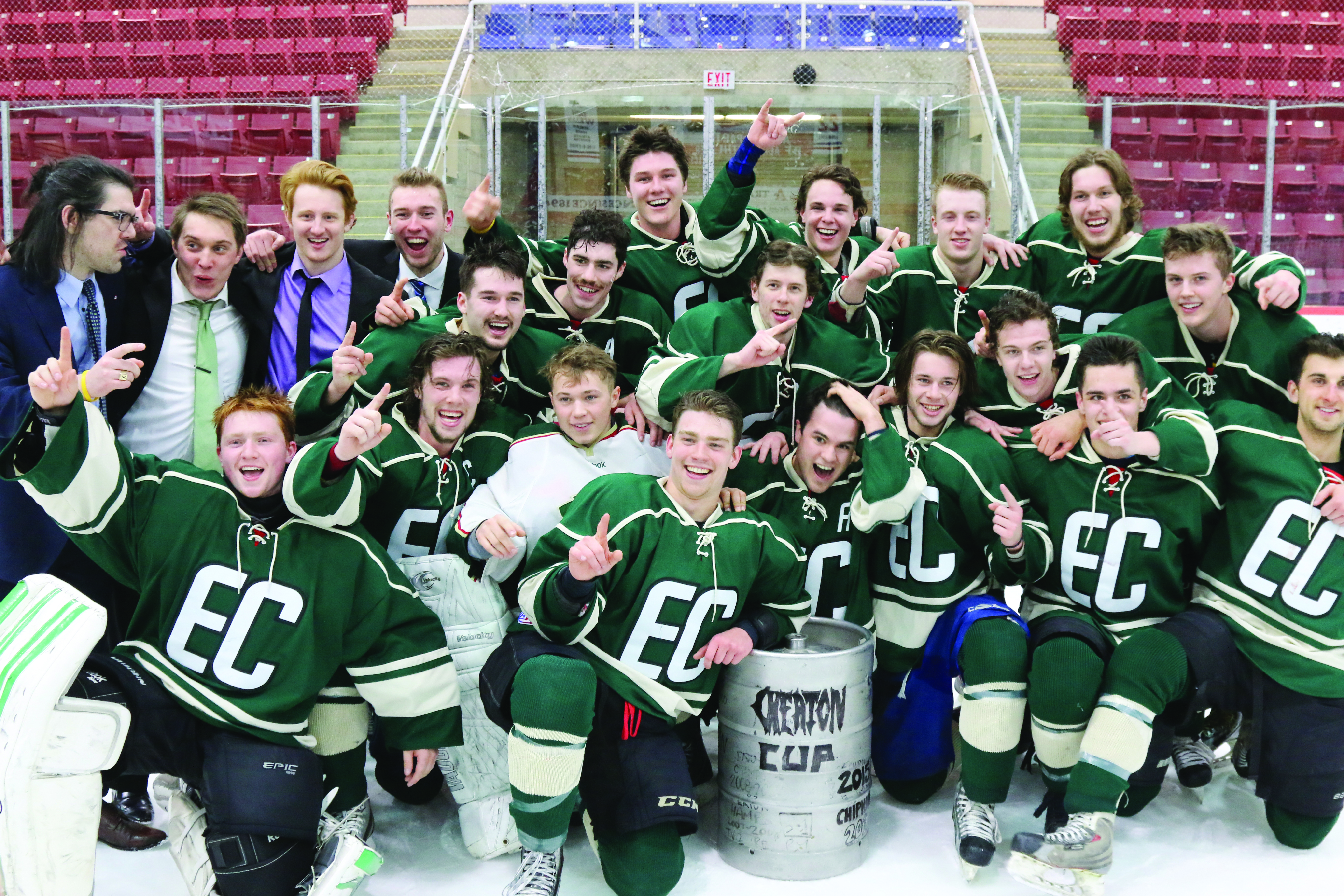
    This year marks the twentieth anniversary of the ever-so controversial tradition of Cheaton Cup. This annual hockey game expresses the rivalry between two campus residences, Eaton and Chipman. Many people choose to remember this day as one to forget; long-lasting parties, front lawns stained with solo cups, swinging fists over shirt colors, the list goes on. What people don’t remember is the history of the game, the school spirit, the precautions we take to ensure student safety and most importantly, the charitable donations which this game collects year after year. Just as in life, those who want to concentrate on the negatives will always be able to find them. Hopefully, we can look past the few bad apples who bring these negatives too light and focus on the countless positive outcomes of this timeless tradition.

    Since the beginning of time there has been a rivalry between Eaton and Chipman. The on-campus antics which took place between these two houses we’re in good spirits, but commonly taken too far. Out of character for nineteen-year-old boys? I’d say no. Twenty-years ago we we’re at the point where guys would just walk twenty steps to the opposing house just to vandalize it. There would be fights between groups of guys in opposing houses due to a combination of ego and liquid courage. What a poor excuse for house pride, simply stupid. In order to channel this energy a hockey game was proposed. One game, each house handpicks their best team, leave it all on the ice kind of mentality. This game was started by Steve Hassapis who, at the time, was head of both houses. Steve is now the Coordinator of Student Community Development and handles the non-academic judicial process. Most students probably just know him as the guy you do not want to get a letter from. After a conversation with Steve I was able to put in perspective of how far this event has come. The very first game, Cheaton Cup 1996, was a pleasant disaster. With a grand total of three authoritative figures, two referees and an overwhelming amount of students. It ended in an on-ice team brawl which carried through to the crowd, absolute chaos. On a positive note, the event was able to generate around $1000 which went towards feeding those in need, in Wolfiville, in its very first year.

    Since then the transformation has been unbelievable. Incidents at the game itself have diminished entirely. The crowd has been limited to solely Acadia students, and others who personally request to attend. Students stream in from either side of town to support their chosen residence anticipating a good, old-fashion hockey game. The arena is littered with rent-a-cops, yellow jackets, events staff, organizers and representatives from the chosen charities (L’Arche and the SMILE program.) too ensure a safe and controlled event. There have been multiple provisions which have been put in place to promote the positive, healthy environment which the game initially intended.

    We recently had representatives from our Student Union, Ted Higa and Jess Boone, give a presentation outlining four helpful hints for Cheaton-day participants. The ASU is offering free food, half an hour before the game because as many people forget, lack-of-food hurts in drinking situations. It’s a lesson we are trying to teach without the need for experiencing it. Another tip was outlining the pace of the day. Too often we see people get overly excited because they’ve got a beer in their hand before noon and their mother still in another province. The day is not a sprint. It is not a marathon. It is a jog at your own pace, for however long you feel like stretching your legs. The third tip was one which I believe is unbelievably important, and commonly overlooked. We need to watch out for one another. Over-consumption is sketched into the human DNA, and it will happen to those who aren’t careful. So, be a good friend, or a good neighbor at least. If you see someone over-the-top pissed, take them home. Regardless if they admit it at the time, it will be appreciated. Ted and Jess also warned students of the consequences which unfortunately happen time after time again during Cheaton cup. The fines for underage drinking, open liquor, drunk tank experiences and others. In conclusion, they are all expensive and two-hundred percent never worth it. Be smart.

    After looking at all of these ways in which we, the students, can make this an enjoyable, safe and memorable event – you still may be asking yourself, why? I’m going to give my personal reason, hoping that you will appreciate the first hand benefits charitable donations can give. The Sensory Motor Instructional Leadership Experience Program is a free, predominantly student-run organization. A vast amount of their funding every year comes from Cheaton cup. Last year it generated nearly $5000 dollars to split between itself and L’Arche Homefires, a community of homes helping people with disabilities. This year was the first time I became involved in the S.M.I.L.E program as a volunteer. I was fortunate enough to be partnered with my new friend Owen. Owen has cerebral palsy, and has very restricted fine motor movements. During our first day, we were unable to go swimming so we spent the morning in the Snoezelen Room. To my disappointment we had a limited amount of games that he could play.  We got out an ancient, homemade ramp, eight bowling pins, and an assortment of spheres, one bowling ball, one tennis ball and a soccer ball. We took turns rolling the balls down the ramp and celebrating wildly every time we were able to knock some pins down. You knew it was a good throw when you saw Owen’s face light up before the ball even left the ramp. But, the ramp has decayed from its years of service in the SMILE games room, giving us difficulty during every roll. The balls were either deflated or warped. As far as pins go, I guess all eight of them we’re simply perfect. We bowled happily for about twenty minutes, we didn’t even give him the opportunity to get a strike.

    This year, the Twentieth Anniversary of this great hockey game, we hope to generate more money for these local causes. So when we think about this day, let’s try not to focus on the negatives. Forget the parties, the early wakeup, and the trash the next day. Think about where this has come from, what it has become and why we do it. Myself, along with many other students believe that Cheaton Cup is more than just what it is rumored to be. This is an annual opportunity; an opportunity to bond with one another, an opportunity to show our town some maturity, an opportunity to continue this well-intentioned tradition, and for myself – an opportunity to show Owen what a strike feels like. So let’s take advantage of this opportunity and make this year another success and keep Cheaton Cup alive for years to come.

  • Acadia Hosts AUS Volleyball Championship

    Acadia Hosts AUS Volleyball Championship

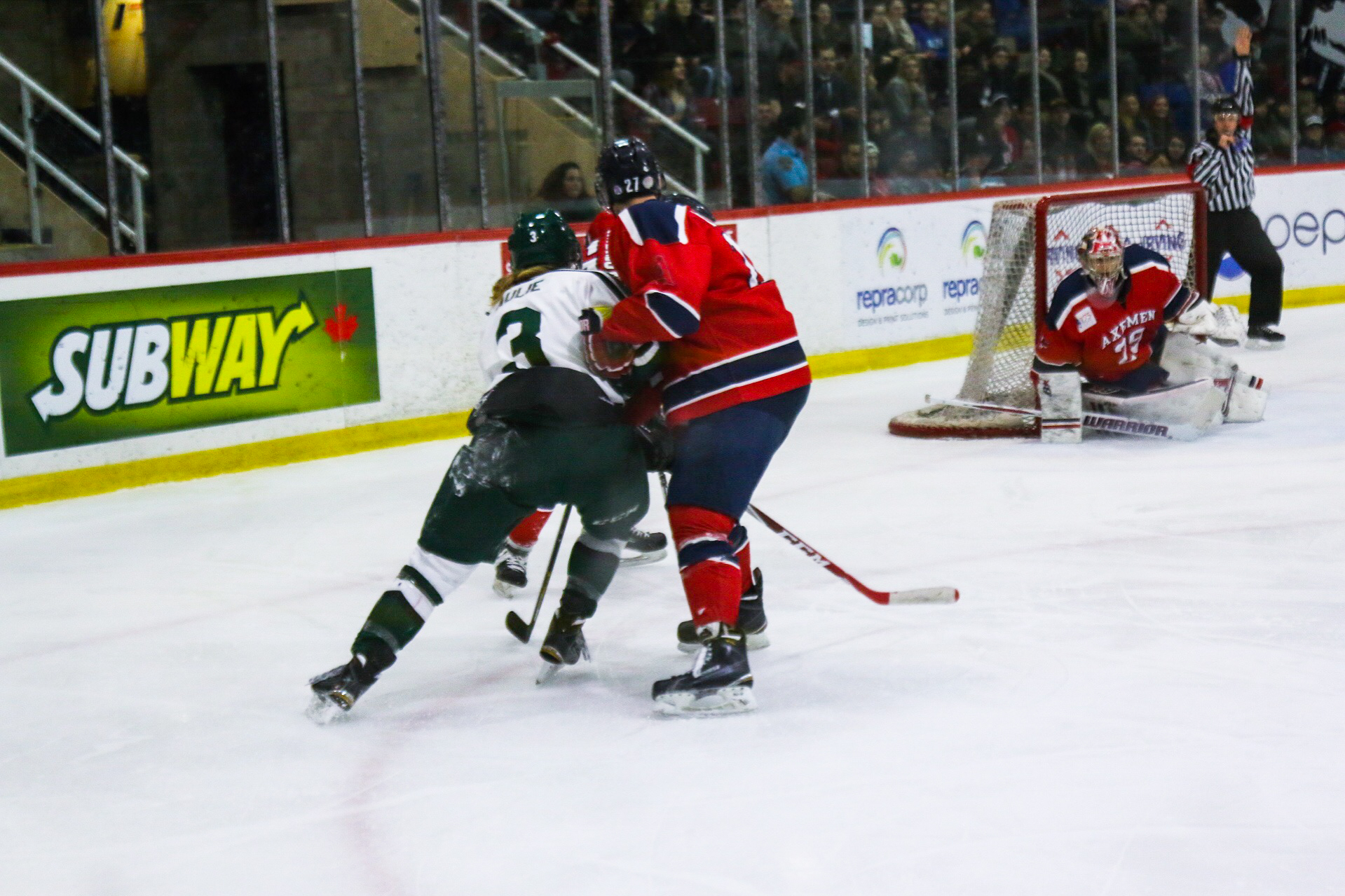
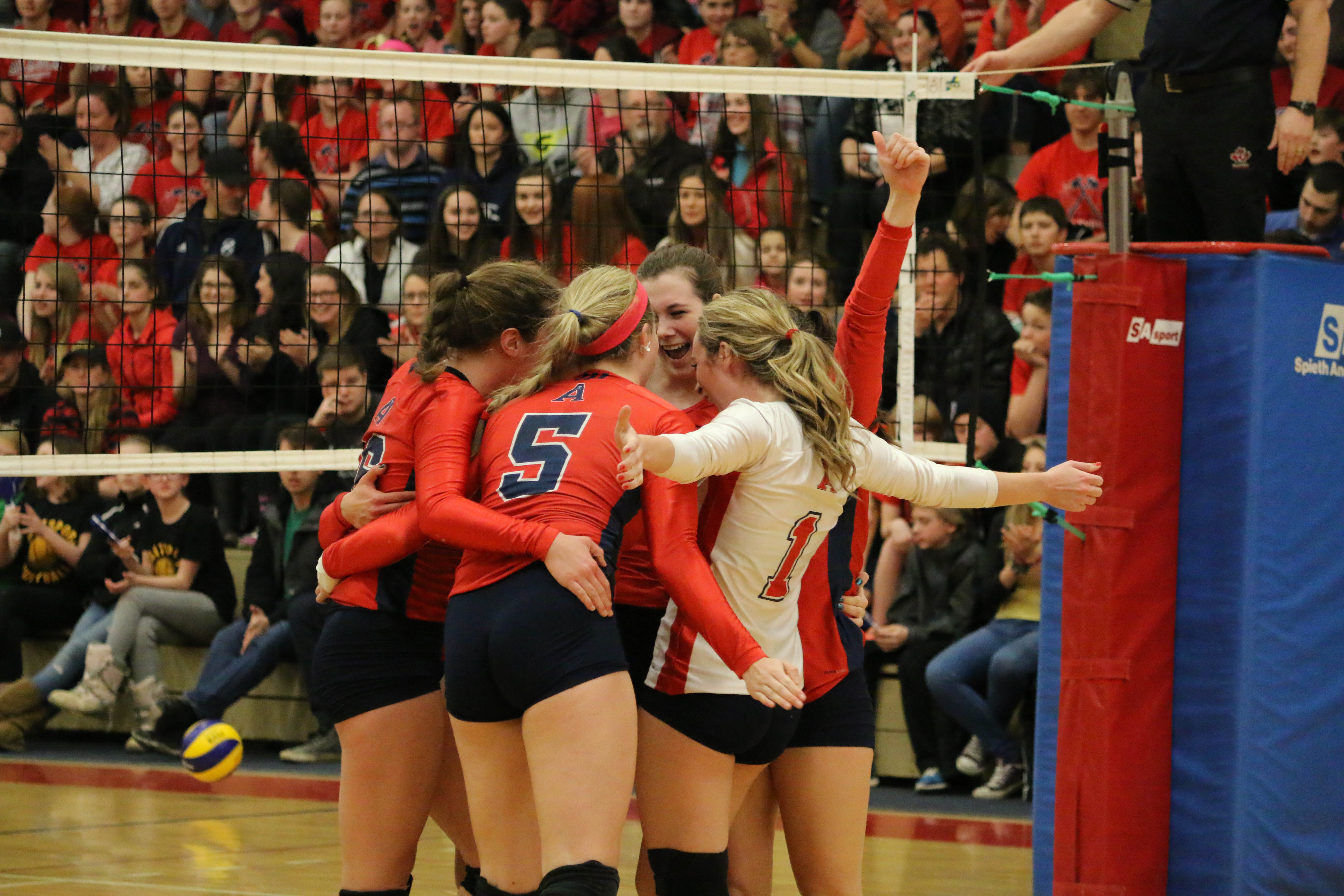
    This weekend, (Feb 26-28), we are fortunate enough to be hosting another AUS championship. This Subway sponsored spike-fest will host six Varsity Women’s Volleyball teams from around the Atlantic provinces. UNB, Moncton, Saint Mary’s, Memorial, Dalhousie, and of course, Acadia. This is also very convenient because there are only six teams in the league, who needs a regular season anyways? Acadia is entering the weekend as the third seed team. An unfortunate standing due to the basis of the playoff structure. Six plays third, fourth plays fifth, winners move on to challenge the top two seeds who got a bye for the first round. Although this does give opportunity to for the team to get a warm up game in against last place, UNB before they start gunning for the finals.

    The weekend kicks off on Friday with the first quarter-final taking place at 3pm. This is showdown between Moncton and St. Mary’s. Don’t skip class for it. The next game, and Acadia’s first, begins that evening at 7pm. A perfect opportunity to throw some Acadia gear on, head down to the gym, and realize you have absolutely no idea how volleyball works. I’ve brainstormed some questions in which first-time volleyball watchers tend to ask themselves. Why is one girl wearing another colour? Why do they feel the need to cheer after every play? Did their father let them out of the house wearing those shorts? I do not have the answers yet, but I’m hoping this weekend will lead myself and the rest of you curious cats to some knowledge. Acadia seems to be the dominant force in this match up. Winning two of the three previous games they’ve played.

    Once Acadia brushes through the quarter-final round we’ll go jumping into the semis versus the well-rested Memorial Sea-Hawks. The Sea-Hawks, which I may mention is not an actual bird, just a poorly thought out nickname for an Osprey, are the number two seed coming out of this season. They have ten wins and seven losses throughout the school year. We have contacts in the airline industry who have ensured us that the Seahawks will all be individually seated next to crying children, while the pilots’ strike up as much turbulence as possible. I doubt this will have much influence on the result but hey, it’s not cheating if you win. This will be a tough match as Memorial have star-player Jill Snow slamming down volleyballs everywhere she goes. She boasts a whopping 209 kills, this season alone. Talk about a master key. She has the highest kills per set in the league and will need some tough defense to slow her down. This should be no problem, as Acadia has split wins with the Sea-Hawks thus far, and with an extra bit of home court advantage, it should happen again.

    If all goes well, and the Memorial Pigeons are beaten we will most-likely take on Dalhousie in the final. This is all so possible for this team, and it would be amazing for this Acadia team to make a run at the title this year. Another quarter-final loss would just puck for everyone. Suck*. So get out this weekend to show support, have your questions answered, and if nothing else, a good time.

  • BDSM: Keeping it Kinky

    So you think that kink is for you. In this follow up article to last submission’s“BDSM Basics” we will discuss how to add a little kink to your bedroom. Although the kink scene may appeal to you, it may not seem as erotic to your partner. Discuss their comfort zones and limits with them prior to engaging in any new activity. Always remember to keep all activities safe, sane, and consensual, and engage in appropriate aftercare for all parties.One of the most common BDSM activities is bondage. Bondage can be as simple or complex as you want it to be. Scarves, stockings, ties, and belts can be used as effective and inexpensive restraints. Prior to tying up you sub, slide the binding across the body to create a range of sensations. This will heighten expectations for what is to come. For bondage beginners, assume a simple position lying down with your arms tied above your head. As your comfort level increases, you can experiment with more involved positions. No matter your experience, always tie restraints so you can fit two fingers between the bondage and skin. If the sub ever expresses discomfort at the fit of their bindings, make sure to loosen and fix them accordingly. Overly tight restraints can cut off blood flow, leading to numbness and nerve damage. Bondage positions that place strain on joints create risks for muscle or ligament damage. Tight bindings can also lead to blood clots, and once restraints are removed clots can travel throughout the vascular system, sometimes ending up in the lungs, brain, or heart. If you are participating inextended bondage sessions, are prone to clots, or are using hormonal birth control, make sure you move around from time to time to prevent clot formation. Always keep in mind that any form of bondage, no matter how simple, puts the sub at risk of physical harm. Always keep scissors handy, and if using handcuffs keep the keys within easy reach. Never tie your sub and leave the room. If sensation play intrigues you, try running feathers, icecubes, and other objects across your partner’s body. For added fun, blindfold them so they can’t identify the object. Try using cold or warm items to heighten sensations. Wax play is one method of increasing warmth; however, buy appropriate waxes as average candle wax can cause burns. Make sure to burn candles safely and be aware of the flammability of clothes used in any scene involving flames. Always test the wax prior to administering larger doses, and consider that the higher wax is held from the body, the cooler it will be when it lands. On the alternate side of the spectrum there is ice. Ice-trays shaped like a variety of toys can be purchased, and for the DIYer ice dildos are easy and cheap to make (fill a condom with water and freeze it). BDSM can be physically and emotionally freeing, but like all actions it can have great consequences. Always be open to discussion around a scene, and if you are uncomfortable with an action don’t perform it. Kink is first and foremost about communication. Actively maintaining a dialog ensures continued mental and physical health for all participants. Kinky relationships, like any relationship, are built on mutual trust and respect. Although you may think BDSM is a veritable minefield of catastrophes waiting to happen, many of the risks and hazards are the same sorts of things you have to learn when getting involved in any physical sport. The mental risks are the same things you learn about when getting involved with another person. If the idea of incorporating BDSM into your bedroom excites you, you are not alone. The Kinsey Institute estimates that approximately 30% of the population derives “pleasant thrills” from engaging in BDSM related activities. Although it can be scary admitting to a partner that your tastes are not vanilla, you don’t need to jump into whips and chains right away. If you and your partner decide to incorporate kink into your relationship, take it slow. Start with simple activities and as your comfort grows increase the intensity. Keep in mind that no one can read minds, top or bottom, and that it doesn’t kill the mood to check in with your partner. It is also not solely the Top’s responsibility to spot problems, although they may have to be extra vigilant. Every participant in a scene shares responsibility for one another’s safety. Although popular culture often depicts BDSM relationships with an all-controlling Top, the truth is that being submissive is about asserting control. The sub knows and communicates their limits, and the dom listens to their sub. Doms may orchestrate a scene, but only within parameters set by their sub. Sex is ultimately about satisfaction and fun. However, always remember that consent and communication are a must, and that each individual is unique. Experiment with your kinky side, have fun, and whatever your preferences, keep it safe, sane, and consensual.

Betzillo positions itself as a versatile gaming hub where structured bonuses and adaptive gameplay mechanics support both short sessions and extended play.

Built with a focus on innovation, Spinbit integrates modern casino architecture with rapid transactions, appealing to players who value speed and digital efficiency.

Ripper Casino emphasizes bold entertainment through high-impact slot titles and competitive promotions crafted for risk-oriented players.

A friendly interface and stable performance define Ricky Casino, offering a casual yet reliable environment for a wide spectrum of gaming preferences.

King Billy Casino channels classic casino spirit into a modern platform, delivering recognizable themes supported by contemporary reward systems.

Immersive visuals and layered slot mechanics are at the core of Dragonslots, creating a narrative-driven casino experience.

Lukki Casino appeals to players seeking direct access and minimal friction, focusing on fast loading times and intuitive controls.

Casinonic provides a structured and dependable gaming framework, blending modern slots with transparent operational standards.