Category: Science

  • Official Lichen of Nova Scotia Announced

    Official Lichen of Nova Scotia Announced

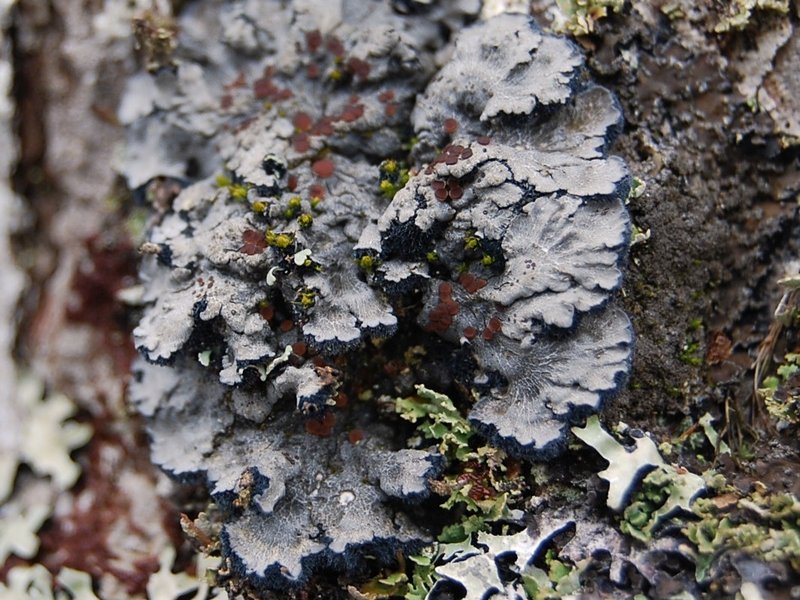
    As of January 30th 2019, the Blue Felt Lichen (Pectina Plumba) has been declared the official provincial lichen of Nova Scotia! A poll was held by LichenNS that was met with 565 responses, resulting in a win for the Blue Felt Lichen.

    Lichen is a symbiosis of alga or cyanobacteria (blue-green algae), called a photobiont, and a fungus, or mycobiont, that results in a structure that appears to be a single organism. Although lichen is not a well-known organism, it is extremely abundant in Nova Scotia. It is estimated that there are approximately 1000 species of lichen in the province, which is more than all species of mammals, fish, amphibians and reptiles of Nova Scotia combined.

    The Blue Felt Lichen is the only species of its genus present in North America, and most of the population is found in Nova Scotia with over 425 recorded sites containing the lichen. If you want to try and find some Blue Felt Lichen, it would be best to find a humid low-lying area with mature red maples, swamps, fresh waterways, or in upland hardwood stands close to the coastline. The lichen is commonly found on trees such as mature sugar maples, ash, yellow birch, poplar or eastern cedar.

    Each province will be choosing their official provincial lichen and submit their choices to the Museum of Nature in Ottawa. The ultimate goal of this project is to combine research about each types of lichen into one paper, which will be published.


    Sources:

    https://www.anbg.gov.au/lichen/what-is-lichen.html

    http://nsforestnotes.ca/2019/01/30/the-beautiful-blue-felt-lichen-pectenia-plumbea-is-nova-scotias-new-provincial-lichen/

    https://www.lichensns.com/


  • 8 jobs that aren’t being a doctor in case you disappoint your mom and don’t make it into medical school

    8 jobs that aren’t being a doctor in case you disappoint your mom and don’t make it into medical school

    As the last semester of university approaches for our graduating class of 2019, so does the anxiety about what’s beyond the horizon. For many, disappointment is eminent; however, there is still hope for those who get rejected. Maybe you forgot that Acadia doesn’t actually offer a premed degree and got angry about having to learn about plants and animals and all that lame stuff, but guess what? That stupid education you paid for is more than just a stepping stone to medical school! You can actually apply that knowledge to in fields beyond medicine! If you feel more lost than Nemo about what to do past graduation other than drink and cry a lot, check out these cool career ideas.

    1. Pharmacist

    This is the go-to for those interested in medicine who are not into the part where you actually have to touch people. Even if you hate the job, you’ve got access to all the antidepressants you could ever need to console yourself from the fact that you feel like you never really met your full potential. Plus, you get the perk of calling yourself a ‘professional drug dealer’ for the rest of your life!

    2. Forensics

    If the blood, guts and gore is what attracted you to medicine in the first place, you should probably consider never going near a living person ever again. You should also feel free transfer to SMU. 1. Because if that’s your motivation to go into medicine, I want you far away from me, and 2. They have a forensics program, this isn’t even a joke I’m just giving you facts here. So, get on it and check out your local crime scene! (As long as you’re not the one who made it).

    3. Aquaculturist

    Sometimes the wide variety of niches within science can be overwhelming and finding a career can be like finding a significant other – there are many fish in the sea! But maybe you should just put them all in a huge tank and manage them that way, because frankly the sea is fucking huge, kinda polluted, and I don’t trust bottom-feeders.

    4. Botanist

    Ok look, if your MCAT score proves you should never be trusted with the life of another person in your hands, maybe we can settle for just keeping plants alive. This is a great job if you’re insufferable to be around too; because unlike all your former friends, plants can’t go anywhere even if they hate you. Basically, if your classmates all gave you 1/10 on your peer evaluations for group projects, plants might be the study organism for you! However, if you kill cacti, maybe read the rest of the list.

    5. Brewer

    So, we’ve ruled out humans, animals and plants. Maybe you’ll be able to keep some yeast alive? You managed to keep that biofilm in your sink alive for a solid month when you stopped doing the dishes, just do that except maybe less gross this time? Plus, if your parents have been controlling your life decisions up to this point and only wanted you to enter medicine so they could tell all the other moms at yoga about the fact that their kid is a doctor, you can distract them from your failure with fun jokes like “gotta get this bread (making organism to produce ethanol from glucose for the masses to consume in an attempt to drown out the reality that we are all slaves to a capitalistic hellscape where attaining a career with high prestige for the money is deemed as “more successful” than doing what you love even if it’s less glamourous)”.

    6. Forestry management

    Hear me out: you could be a modern-day lumberjack living in a cabin you built with your own two hands with ethically sourced wood. You take your small pack of dogs for a walk in the forest and feed the woodland birds along the way. Small mammals follow you around like you’re Snow White. You’re definitely high on mushrooms you found on the forest floor, and the government has been trying to track you down for years since you have yet to pay back your student loans. They haven’t found you yet. Life is good.

    7. Nurse

    One time I told an older man that I was studying biology, which is usually met with “oh so you’re going to be a doctor”! But this time he asked if I was going into nursing. Because clearly my feeble female mind cannot handle the stresses of being a REAL doctor. And now you can feel inferior too! By getting a whole other degree at a different school! Debt is just a number and not a prison! I swear!

    8. Clown

    Lets just admit it- you’re boo boo the fool who thought their 2.5 GPA would get them into med school, its ok! We all make mistakes, and it looks like you made yet another mistake on a lonely Thursday night. Lucky for you, all you need to do to enter your new career is roll out of your vil hookup’s bed from the night before, take a look in the mirror to make sure that morning-after makeup is on point, and go entertain some children with your unsound life decisions!


  • Research Feature: Chaiti Seth

    Research Feature: Chaiti Seth

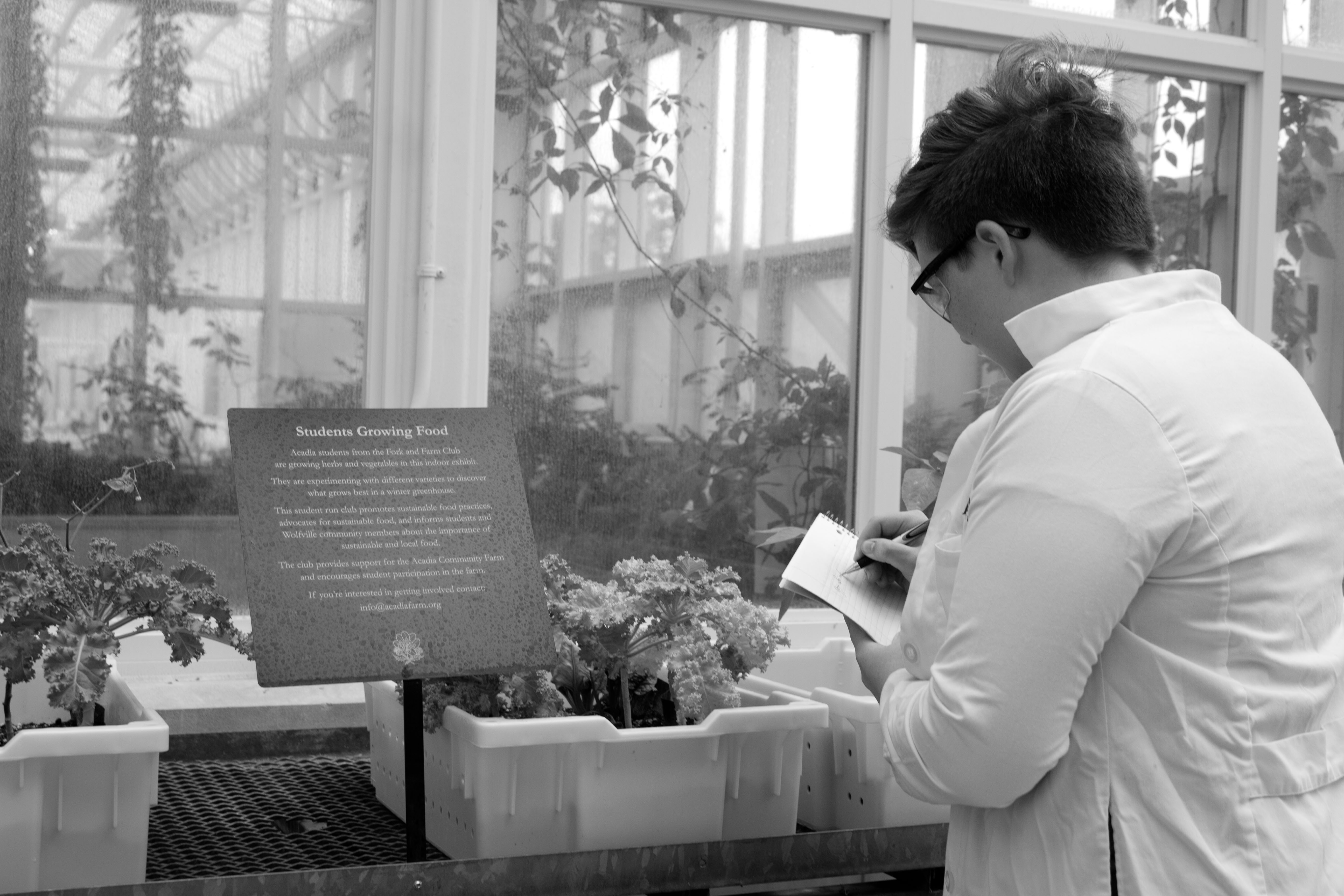
    My research aims to identify key leverage points for shifting towards more healthy, just, and sustainable institutional food systems, using Acadia University as a case study, and examining findings in the broader provincial context. This research builds on my prior work and relationships at Acadia investigating food system issues and university food culture.

    Food is fundamental to all human life, and food systems – the ways that our food is produced, processed, distributed and consumed – have significant social, cultural, health, ecological and economic implications. The shift towards industrial food production has resulted in massive loss of knowledge and biodiversity, soil erosion, deforestation and habitat destruction, pollution, animal welfare concerns, waste production, as well as significant greenhouse gas emissions. The health crisis in relation to food is growing – societies are facing both over- and under-nutrition and diet-related diseases are prevalent amongst all populations. Most Canadians eat food that is neither healthy nor sustainably produced, and many face food insecurity or inequitable access to food.

    Just as current food systems have many detrimental impacts, their potential for improving quality of life is also immense.  Sustainable pasture and farmland management strategies can support biodiversity, conserve soil and water, and help sequester carbon. Combined with other lifestyle factors, nutritious food has enormous preventative and healing potential. The market for food represents a source of positive and sustainable economic activity and community-based food systems have the potential to contribute to local economic development and provide meaningful employment. Last, but not least, is the magic of food in bringing people together – for everyday gathering and special occasions, for nourishment and healing and celebration. Food is powerful, and the decisions we make about what we eat, and how we produce it, matter.

    Studies assessing individual behaviours identify the most effective food choices and habits for a shift to a healthy and sustainable food culture. At a societal level, national and regional organizations are currently advocating for a strong national food policy, and the federal government is engaging citizens in an ongoing consultation process. Bridging the space between individual and policy levels, institutions play a key role in food systems. They are large enough to have significant impact but do not typically have internal policies or a strong vision for food systems. In this gap, food services providers (FSPs) – multinational for-profit companies that typically run institutional food services – often unofficially dictate food policy. Due to the standardization and scale of institutional food systems, FSPs wield significant influence on food production, processing and consumption patterns. Research shows that institutions can strategically leverage their purchasing power to generate greater wealth and health in their communities. Despite a few individual success stories, there are significant barriers to broadly shifting institutional food practices.

    Universities can play an essential role in facilitating change in institutional food culture. They serve and can critically engage young adults as both eaters and future leaders in food systems, and invest in economic and community health through food procurement. There is a growing demand for healthy and sustainable food services at universities. Research shows a critical need for effective strategies that address systemic and cultural barriers to change.

    For this research, I use critical social science and transdisciplinary methodologies, incorporating mixed methods with four primary components: semi-structured stakeholder interviews, participant observation, document analysis of food services contracts, and numerical analysis of procurement data. I have conducted 14 interviews with internal stakeholders including students, faculty, staff and administration as well as external stakeholders such as change makers at other institutions, public policy-makers and non-profit advocates to gather rich data from a diversity of perspectives. I will integrate findings based on thematic coding and analysis of these interviews with information about strengths and gaps in existing contract language from other post-secondary institutions. Numerical analysis of procurement data will help determine relative impact and feasibility of specific interventions.

    My research aims to build knowledge for shifting towards healthy, sustainable and just university food systems and is intended to support institutions to find creative and innovative solutions that can contribute to building more sustainable and resilient local communities through food systems change.  

  • Research Feature: Geopolitics with Chinese Characteristics

    Research Feature: Geopolitics with Chinese Characteristics

    In September 2018, President of the People’s Republic of China Xi Jinping announced $60 billion of funding at the Forum on China-Africa Cooperation for economic projects on the African continent with “no strings attached”. This move represented an increasing recognition of the African continent by China as an important player in international affairs. I read this in the summer of 2018, when I had the opportunity to work as a Junior Research Officer at the United Nations Broadband Commission in Geneva, Switzerland.

    However, I noticed an interesting dynamic at play in Geneva. The influence of the People’s Republic of China was noticeable, from the number of interns at the organization to the current the Secretary General of ITU, who was recently re-elected unopposed for a second term.

    This led me to my research question: how does China utilize international organizations to further their geopolitical interests in east Africa?

    I first examined the Belt and Road Initiative (BRI), China’s trillion-dollar economic strategy twelve times larger than the Marshall Plan. Announced by Chinese President Xi Jinping in 2013, the BRI consists of an overland belt and a maritime road to connect China to east Africa, southeast Asia, west Asia, and Europe.

    The BRI is about building influence with countries along the route, and a large part of this involves major infrastructure projects. As of 2018 numerous projects had been completed as part of the BRI, including a $62 billion economic corridor between Pakistan and China, a $1.1 billion port in Sri Lanka, and a high-speed rail link in Indonesia. China’s even created their own institutions like the Asian Infrastructure Investment Bank to push their development agenda around the world.

    In east Africa, the BRI has proven a huge boon for investment. Djibouti’s ports and Ethiopia’s manufacturing potential make the region appealing for investment, especially to connect via rail and road.

    A major project sponsored by the BRI is the Addis Ababa-Djibouti Railway, connecting Ethiopia’s capital to the port city of Djibouti. This line is the first transboundary and longest electric railway line on the entire continent, contracted to the China Rail Engineering Company and the China Civil Engineering Company. The construction of the line was financed by a loan from the Export Import Bank of China, which reports directly to the State Council- China’s cabinet. This railway is important because it links to Kenya’s Standard Gauge Railway, forming a longer link throughout the Djibouti Kenya corridor that can supply natural resources to ports (also the target of Chinese investment under the BRI) to supply mainland China.

    UN peacekeeping operations have also been instrumental in this achieving geopolitical goals. China has deployed 200 soldiers in the Congo as part of the United Nations Mission in the Democratic Republic of the Congo (MONUSCO) because the country is home to significant cobalt and copper supplies that feed the Chinese economy.

    Cobalt is an essential element in lithium ion batteries you find in smartphones, laptops, electric car batteries. Lithium-ion batteries are supposed to be different from the dirty, toxic technologies of the past. Lighter and packing more energy than conventional lead-acid batteries, these cobalt-rich batteries are seen as ‘green.’

    China has a colossal stake in ensuring cobalt supplies remain steady, as the company that builds iPhones in China- Foxconn- requires a steady cobalt supply to ensure iPhones can make it to global markets at accessible prices. In early 2019 Apple noted that demand for iPhones was waning, causing a dramatic drop in Apple stock and a reduction in revenue from $91 billion USD to $84 billion USD.

    I also took a look at popular Chinese films, with a specific focus on the highest grossing film of 2017- Wolf Warrior 2. It was selected as China’s entry to the 2018 Oscars for Best Foreign Language film and is important because it’s indicative of a broad shift in Chinese foreign policy. The movie follows renegade soldier Leng Feng ass he assists the Chinese military in evacuating Chinese citizens from an unnamed African country. The symbolism within the film is meant to demonstrate that the UN is ineffective without Chinese support and that China, after decades of looking inward, is now ready to be an active participant in international affairs.

    Finally, I took a look at the relationship between Rwanda and China through international organizations. The ITU and Broadband Commission are two hugely important examples because of Rwanda’s willingness to embrace ICTs and China’s willingness to fund their construction. President Paul Kagame of Rwanda and Secretary Houlin Zhao, a Chinese telecom engineer, are the co-chairs of the United Nations Broadband Commission, the UN committee dedicated to the spread of internet.

    Kagame is determined to make Rwanda an ICT superpower, skipping over traditional stages of industrial development and transitioning straight to a heavily digitalized service economy. The use of ICTs is prevalent everywhere in the country- Rwanda is opening an airport for drones to deliver blood to rural hospitals that are inaccessible by road. This puts the small country of twelve million ahead of the US in the use of commercial drones. Chinese telecom giant Huawei recently announced that they’re building Rwanda’s national broadband infrastructure, data centres, and smart grids. Huawei has recently been banned from building Australia and New Zealand’s 5G networks and a similar ban is under consideration in Canada.

    Together this paints an interesting picture. China- a country that claims its intentions are peaceful and it has nothing but the good of humanity at heart- is clearly engaging in practices that often appear antithetical to those aims. Their use of UN peacekeeping forces for their own interests, predatory loans under the BRI umbrella, and support of undemocratic leaders makes China’s rise and use of international organizations especially relevant in our world today.

    Colin Mitchell is a fourth year (Honours) Politics student and Editor-in-Chief of The Athenaeum

  • Reading Between the Wines: Studying the Impact of Caloric Values on Consumers’ Sensory Perceptions of Rosé Wines

    Reading Between the Wines: Studying the Impact of Caloric Values on Consumers’ Sensory Perceptions of Rosé Wines

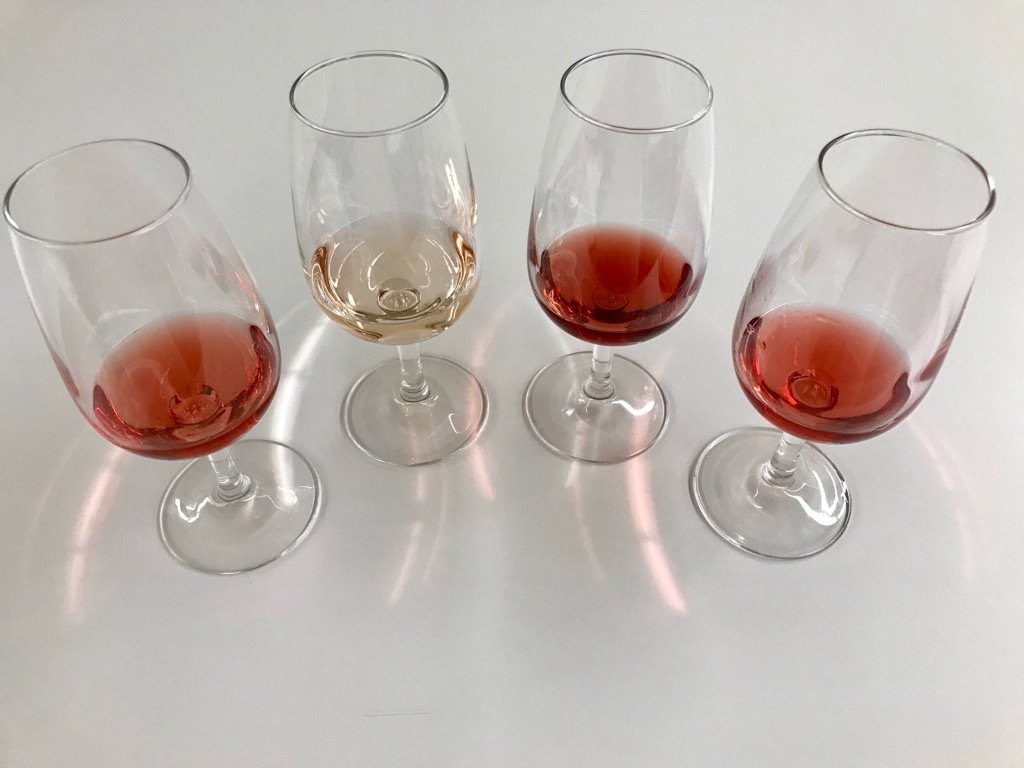
    With the production of local wine increasing in Nova Scotia, the government is investing a significant amount of money into wine research. As a recipient of funding from the Nova Scotia department of agriculture, Nutrition and Dietetics Honours student, Lydia Hayward, was able to investigate two areas of wine research that have yet to be studied. In an attempt to strengthen the growth of this industry, Hayward and supervisor, Dr. Matthew McSweeney, have begun research to develop a consumer lexicon to describe local wines in a way that resonates more effectively with consumers. This was the primary objective of the research, which used Projective Mapping and Ultra-Flash-Profiling to identify consumer descriptors. Participants also assessed their associated liking of these wines using a 9-point hedonic scale. This study is specific to rosé wines, as Hayward’s peers have already investigated reds and whites.

    Additionally, companies are hesitant to comply with the increased consumer demand for the disclosure of nutritional information. Although studies have shown that this disclosure will increase willingness to purchase, there is controversy surrounding how this will affect sales. Other studies show that consumers tend to prefer products with lower calories, a trend especially prevalent in women. However, these studies have not considered the influences of taste and pleasure on alcohol choices. This is why the secondary purpose of the study was to investigate the impacts of caloric values on the sensory perception and enjoyment of wine.

    In the first test, participants were asked to evaluate eight rosé wines and place them on a 2-dimensional plane on the computer screen, placing those more similar together and those differing apart. Also, they were asked to identify descriptors related to each wine.

    As for assessing the caloric values, this was done in two sessions. The first, without labels, acted as the baseline. Then, there was a session that implemented nutrition labels. In this second session, the four wines were assessed with four different nutrition labels; low, actual, high and highest in calories. They were asked to rate the wines on appearance, flavour, mouthfeel, and overall liking. Only four wines were assessed at a time, and the order was different for each participant.

    In both studies, consumer knowledge of wine was also assessed both subjectively and objectively, as they tend to differ.  The wine knowledge test, an objective evaluation of knowledge, found that the majority of participants, 90% were low to lowest in knowledge, accurately representing the consumer population.

    In the end, there were two clear categories found in the consumer descriptors, wines that had fruit flavours and those that lacked fruit flavours. It was also found that those attributes associated with fruit drove consumer liking of the rosé wines.

    The statistical analysis also demonstrated no significant difference in overall enjoyment of wines with varying caloric values. Although this contradicts the tendency to choose low calorie foods, prior studies have found pleasantness and taste to be the largest factors in wine choices. Thus, this supports that caloric transparency would have negligible effects on consumers wine choices.

    In order to more accurately predict the results of mandating nutrition labels in the future, labels must be similar to the label they plan to release and should be tested with a variety of alcoholic beverages, as opposed to wine alone.

    Pictured: Researcher Lydia Hayward

  • Robofest 2019

    Robofest 2019

    Robofest is a robotics programming and building event created by Lawrence Technological University. Acadia University is one of their many partners, and as such, we host a Robofest event every year here on campus. This year, it will be held on Saturday, February 16th. Robofest is aims to encourage high school students to take part in building and programming robots. Each year, there is a unique game for Robofest – this year, the game is called “Binary Blocks”. The objective is for each team’s robot to be able to construct a binary number using black and white tissue boxes to represent “0” and “1” respectively, then stack the remaining boxes vertically. This year, the world champions “Royal Robots” from Annapolis Royal, N.S. will be looking to defend their world champion title. The team placed 1st in the Unknown Mission Challenge and 2nd in the Robot Game, at the ROBOFEST World Festival in Michigan in May 2018.


    Robofest is important to the community as it provides a hands-on opportunity for high school students to learn skills they would otherwise not be exposed to in the classroom. Academically, it teaches engineering through the building of the robot itself, and computer science is used to program it. The event also teaches them to work together and cooperate as a team. Teams come from all over the Maritimes to Acadia University to compete, and they all come with innovative solutions for robot building and programming. The energy and ingenuity the students can bring to this event is unrivaled, and it will be amazing to see what they come up with to solve this year’s challenge. Acadia University and its surrounding community members/organizations supply over one hundred volunteers for this event. It is an exciting day that brings many people of all ages, backgrounds and fields of study together.


    For more information see : https://www.facebook.com/AcadiaRobotics/ or https://robots.acadiau.ca/id-2016-17-championships-information.html


  • Research Feature: Julia Koppernaes

    Research Feature: Julia Koppernaes

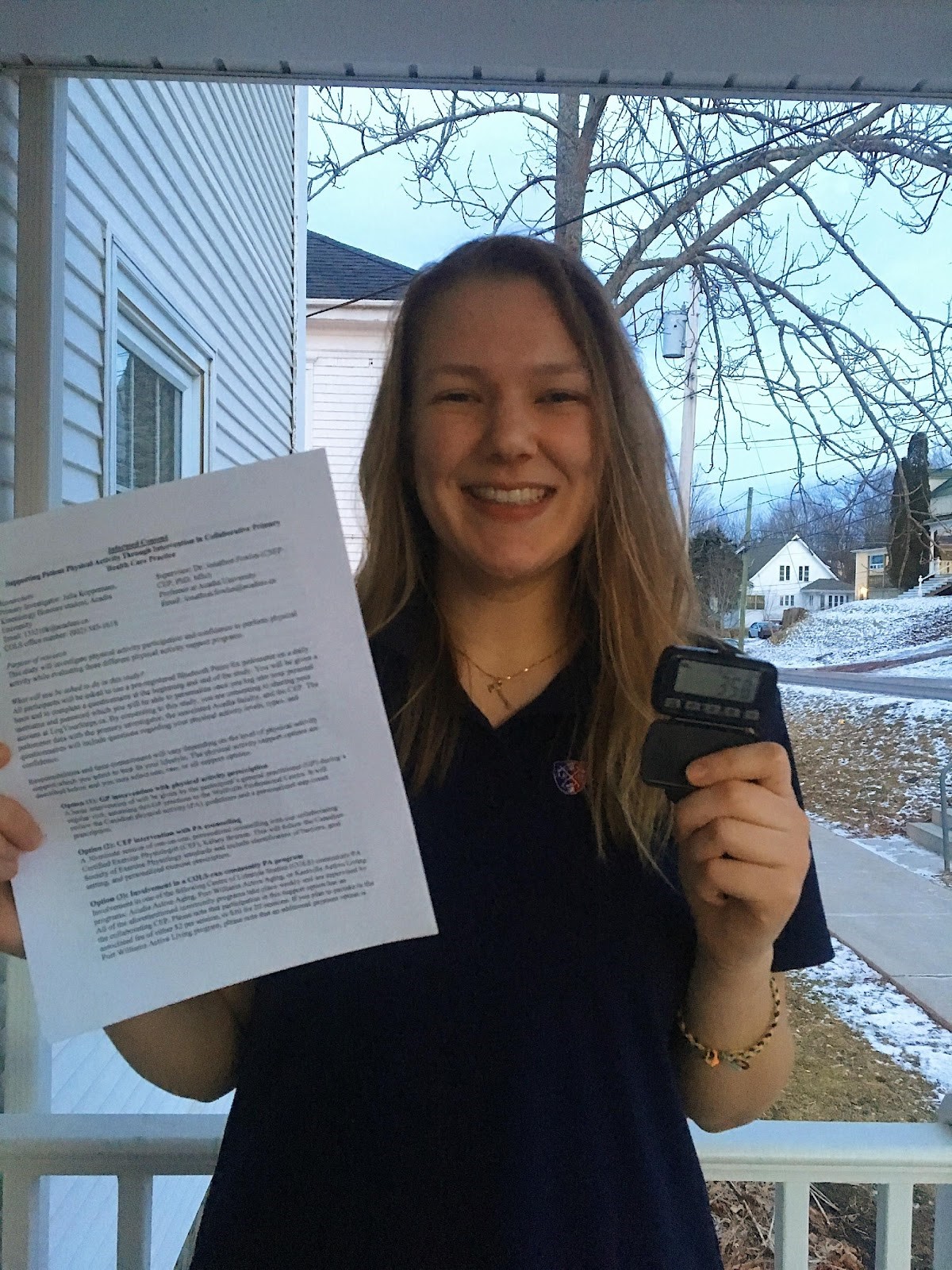
    Allied health networks that incorporate exercise professionals into primary care have been shown to be especially effective at improving physical activity levels in various populations. Nova Scotia is particularly inactive as compared to other regions of Canada, with few Nova Scotians meeting the daily physical activity guidelines. Access to physical activity supports such as tailored physical activity counselling and prescription, and physical activity monitoring devices (all shown to benefit physical activity levels and adherence) can be particularly challenging to access in Nova Scotia, where exercise participation is typically an out-of-pocket (i.e. outside of primary care) expense. To make these supports more readily accessible, and to develop practicable strategies, it is imperative that referral schemes be evaluated and explored in rural communities. My pilot study examined and described the physical activity referral programs of a collaborative health practice that incorporates a qualified exercise professional in the Annapolis Valley, Nova Scotia. Using accelerometers and questionnaires, physical activity and exercise levels were measured pre- and post- exercise/physical activity intervention. The effectiveness of physician-prescribed exercise was compared to exercise referral through an exercise physiologist and to participation in community exercise programs. In addition to physical activity levels pre- and post-, questionnaires assessed participants’ stage of change (readiness to change physical activity habits), task and regulatory self-efficacies (ability to execute and plan physical activity), and physical activity and exercise levels. Questionnaires also left room for open-ended responses to questions regarding which interventions were of most help to the individual in improving the aforementioned variables. By better understanding what people need in terms of support for increasing physical activity, better intervention can be provided in primary care. Ideally, this research will help to pave the way in solidifying the role of exercise professionals in an allied health care world. To incorporate exercise professionals as part of the standard in health care would be to take a step toward a more proactive and sustainable health care system.


    Doing my honours degree at Acadia has given me the opportunity to explore the research world, specifically in the field of kinesiology. Honours has challenged me in ways that I could not have expected, but has also pushed me to grow in my ability to think critically, organize, and prioritize. My little taste of research has provided me with a more wholesome appreciation for the scientific evidence that my degree is founded on. I am grateful to my supervisor, Dr. Jonathon Fowles, to the School of Kinesiology, and to Acadia University for granting me this experience; it truly has been an honour.


  • Research Feature: The Well Sibling Experience

    Research Feature: The Well Sibling Experience

    Siblings play a major role in our lives. For many people, they’re our first friends and our first enemies. They help to shape who we are as people for better or for worse, and often act as supporters during challenging times. However, when one of the siblings has a mental illness, the relationship between siblings can be drastically altered. Despite the impact that mental illness has on sibling relations and on other siblings in the household, there is little research or understanding of the unique experiences of these ‘well siblings’. It is for this reason that my honours research is focused on the narratives of the siblings of persons with mental illness.

    The research that does exist on the topic of ‘well siblings’ is rather limited and focused primarily on quantitative data. Although there is certainly value in knowing statistics around well siblings, they don’t quite capture the stories behind the numbers. So, to address this gap, this exploratory research was started, and data was gathered through a combination of one-on-one qualitative interviews and photo-narratives with five siblings of persons with mental illness. Through the stories shared by the siblings, it became clear that their experiences are incredibly unique and heavily influenced by their own lives, personalities, and circumstances. Therefore, telling their stories and building understanding is so vital.

    Nearly all of the participants expressed frustration and feelings of hurt because of the way their sibling interacts with them. This was challenging for them, as they had reported having a positive relationship with their sibling before the onset of their symptoms. When asked about their relationship, three of the siblings shared that they felt that they had, in a sense, lost their sibling because their current personality was so different from the person they knew before the onset of their symptoms. Despite any challenges the participants had with their siblings, they were still concerned about them and expressed fear for their well being.

    Although the participants do not currently identify as being a ‘well sibling’, their responses did indicate that they and their families tend to put them a well sibling role. For some, this meant having their mental health overlooked because they were perceived as being well in comparison to their sibling. For others, this meant trying to alleviate the challenges their parents were dealing with by withholding their own struggles and acting well or changing behavior to help accommodate their families’ needs.

    Although the research was not designed to focus on the challenges that the participants experienced, their hurt and frustration came out frequently in their responses. For the majority of the participants, anger and frustration played a significant role in their experience as a ‘well sibling’. In one participant’s case, this was anger directed towards the mental healthcare systems and the way that they had let her brother down. For most, the anger was directed towards the hurt their siblings had put them through and at their parents’ previous inattention to their emotional needs. Despite these challenges, each of the participants found various ways to cope with their experiences.

    Of course, the experiences of the siblings were not all negative. Every participant regularly showed empathy and understanding towards their sibling and towards others as well. They shared how they had learnt through their sibling not to judge others, in addition to strategies for helping to support those around them. Each of the participants noted various ways in which their mental health literacy had grown because of their experience and the value that this had brought them and others.

    While stories on their own are an incredibly valuable thing, it’s also important to consider what lessons can be learnt by centering these stories in research. By gaining better insight into the experiences of well siblings, those who work in the mental health field are better able to provide services that support the families of the person with mental illness, as well as the person themselves. These stories also highlight the importance of peer or family-based supports and the challenges that come with offering these types of informal supports. More importantly, research like this creates a space where the voices of siblings can be heard, something that is too uncommon in the mental health community.

    Sibling relationships are complicated at the best of times, and the experiences of well siblings are no exception. The stories heard through this research were ones of resilience, hope, fear, pain, and growth. They are stories that show the importance of siblings in shaping who we are and what we bring to those around us. With that, I would like to conclude by saying thank you to the participants of this study for sharing a part of yourselves with others.

  • Research Feature: Sarah Charnock

    Research Feature: Sarah Charnock

    Sarah Charnock is a 4th year kinesiology student from Newmarket, Ontario. She has spent her time at Acadia actively participating in various kinesiology programs as well as in the wider Acadia and Wolfville Community. She is a volunteer with the Cardiac Rehab and SMILE programs, the president of the Acadia Kinesiology Society, a varsity soccer athlete, and a Sport Injury Assessment and Management program (SIAM) student that works with the varsity volleyball and soccer teams. She is also a Fast and Female ambassador, a leader for Girls on Boards, and has volunteered time with Brigadoon Village and Camp Triumph, camps for children who suffer from or whose close family members suffer from chronic illness. A dean’s list scholar and 3x academic all-Canadian, Sarah was also named an All-Star this season and brought the AUS student athlete community service award home.

    As an avid multi-sport athlete growing up, Sarah has personally experienced various sport-related injuries and became interested in rehabilitation. She volunteered for four years at a spinal cord injury recovery center and has a particular interest in neurological rehab. With a growing interest in sport injury management and the newly enacted Rowan’s Law in Ontario, her interest was piqued, and she is now studying arguably one of the most complex injuries to manage in sport. She has had to manage many concussions and feels strongly that education around this injury has improved; however, there are still many in Nova Scotia who are unaware of how to identify a concussion, of the severity of this injury, and how they can be effectively managed. Upon graduation, Sarah plans to pursue the opportunity to continue to be an athlete abroad and hopes to one day become a physician.

    Sarah’s honours research focuses on uncovering barriers to effective (sports-related) concussion management in Nova Scotia. A significant number of concussions occur in sport at every level and awareness has begun to increase. That being said, many are still unsure what steps they should be taking while recovering from a concussion. The issues seem to range from lack of training in health care providers to various pressures faced by athletes that cause underreporting. This study will further explore what barriers athletes perceive in NS as well as the issues that health care providers see that might prevent athletes from having an ideal rehabilitation experience after a sport-related concussion. Sarah had numerous varsity and club level athletes complete her questionnaire and interviewed 10 athletes to find out more about their experiences with concussions. She wanted to look at this issue from multiple perspectives, so she also had various health care providers complete the questionnaire and did 10 more interviews with various therapists. Upon completion of the study, it is her hope to create a tool for health care providers to use to address the issues uncovered in the questionnaires and interviews. She has begun working on this project under the direction of Dr. Colin King and they will be recruiting the assistance of another undergraduate student, Erin Coughlan, as well as a marketing firm to create a tool that might make managing concussions simpler for those in this province.

  • The Influence of Non-Saccharomyces Yeasts on Nova Scotia Wines

    The Influence of Non-Saccharomyces Yeasts on Nova Scotia Wines

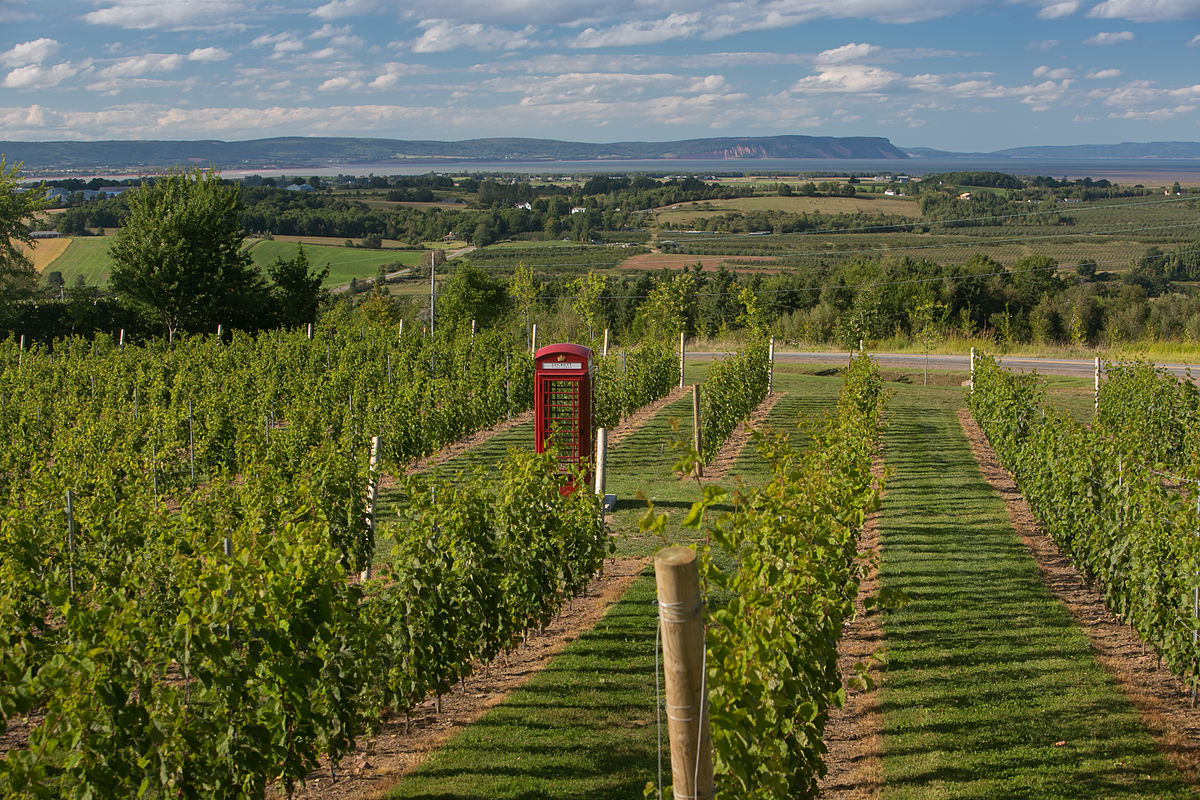
    Kentville Research and Development Centre has recently constructed a winery as part of the Agriculture & Agri-Food Canada (AAFC) research facility. This newly developed site is now dedicated to Canadian wine research in collaboration with local grape growers and industry professionals. This fall, I completed my co-op work term working with the food microbiology lab, which was aiming to perform microbial analysis as a part of the winery research.

    Introduction to the Nova Scotia Wine Industry

    A recent increase in vineyards and wineries in colder climates across Canada, including NS, has motivated AAFC to invest in wine related projects. Those who grow wine grapes in colder climates faces unique challenges, as this crop is not ideally suited to our environment. Wine grapes require high heat units during the summer to achieve the high levels of sugar needed for wine production. From a microbiologist’s perspective, we can improve wines regardless of the growing conditions by altering the microbial community in wine prior to, or during, fermentation. Fermentation is the process of adding a commercial yeast that has been specifically selected for its ability to convert sugar into alcohol under anaerobic (without oxygen) conditions. Although we know the best commercial yeast for this process is Saccharomyces cerevisiae, there are a plethora of wild yeast species present on wine grapes that may contribute not just alcohol, but other enzymes and metabolites that may improve wine flavour or aroma. However, the potential of these non-saccharomyces species is greatly unexplored, particularly their potential commercial application. The goal of the project I worked on was to find yeast strains that could improve NS wine quality through the modification of the microbial population in wine during fermentation.

    Grape Sample Collection

    Grape harvests from numerous vineyards across NS were brought to Kentville for research purposes, and grape samples underwent microbial analyses. Grapes were diluted with water and crushed. This juice-like mixture is then used to inoculate agar media where the yeasts present on the grapes will grow. Any excess grapes from these harvests were used for spontaneous fermentations, which is a process where grape juice is put directly into a sterile container and sealed with a fermentation lock, with no Saccharomyces species added. This allows the wild yeasts present on the wine grapes to proliferate, and samples can be taken from it to observe the microbial population as well as sampling to assess the chemical properties of the naturally fermented wine.

    Yeast Isolation, Purification & Identification

    Once the yeasts have grown, colonies of interest are taken off the agar media and grown on a separate media to isolate the sample. These isolates are frozen until characterization tests can be completed. Characterization testing assesses whether the isolate is suited for wine-making. The ideal yeast for wine-making has a high alcohol tolerance, a high SO2 tolerance, no H2S production, is positive for glucosidase activity, and positive for protease activity.

    BiGGy agar is formed when isolates are spiral plated onto BiGGY agar plates. This is done to test for H2S production, which can give the wine an unpleasant aroma and flavour. These characteristics are evaluated by the following tests:

    Glucosidase agar test: Radial streaks on a differential/selective agar to determine beta glucosidase production. Beta glucosidase maximizes the aromatic potential in wine by converting odorless bound terpenes into aromatic free terpenes by cleaving bound glucose.

    Protease agar test: Radial streaks on a differential/selective agar to determine protease enzymatic activity. Proteases stabilize proteins in wine which can reduce ‘protein haze’, an aesthetic fault of white wines where the wine has an opaque appearance.

    Alcohol tolerance test: Tubes of media containing increasing levels of alcohol (up to 20%) are inoculated and run through a 48-hour bioassay. Alcohol tolerance is important for the survival of the microbes during fermentation as the alcohol content of the wine gradually increases.

    SO2 tolerance test: Tubes of media containing increasing levels of SO2 (up to 60%) are inoculated with each isolate and run through a spectrophotometer. SO2 tolerance is important due to the use of sulphites in wine as a sterilization measure, so species of interest must be able to survive this process to contribute to the wine during fermentation.

    If the isolates have the desired results for these tests, they are sent for DNA identification.

    Fermentation Trials

    To observe how the selected yeasts react to being in wine, the selected yeast strains are added to a must inoculum (artificial wine) and fermented. Two trials were completed per yeast strain, one with a Saccharomyces co-fermentation, where the selected yeast strain was in competition with Saccharomyces cerevisiae to observe how the two microbes interacted with each other; as well as a trial with the individual yeast strain fermenting alone.

    Chemical Analysis

    Once the fermentation trials were complete, the chemical analysis of the resulting concoctions was performed. The chemistry analyzed was volatile acidity, a component in wine that can result in a very unpleasant taste or aroma. Total acidity, which can be a pleasant contribution to wine depending on the type/amount of acid present, as well as alcohol content, which would ideally be around 8-12% .

    Conclusion

    Since this is an ongoing project, there are no conclusive results; but 49 yeast isolates have demonstrated positive effects on wine quality. These isolates have the potential to be added to the commercial winemaking process in Nova Scotia to improve the overall flavour profile of the current wines being produced in this province.

    Laura Porter-Muntz is a fourth year Biology (Co-op) student and Science Editor of The Athenaeum

  • The Montreal Massacre and Why We’re Still Talking About It

    The Montreal Massacre and Why We’re Still Talking About It

    On December 6th, 1989, engineering students of École Polytechnique in Montreal were listening to a student presentation about heat transfer, when a man entered the room with a semi-automatic rifle in his hands. This man was Marc Lépine, an unsuccessful applicant to École Polytechnique, with a hatred for feminists so profound that it led him to blame them for his failings in life and sought to seek revenge.

    Lépine demanded that the men and women separate themselves by lining up on opposite sides of the room and proceeded to fire a warning shot from his gun. Once the nine women of the class were isolated from the rest of the students, he ordered the men to leave. Lépine announced the reason for his intrusion as “fighting feminism”. When one of these women, Natalie Provost, attempted to talk to him, saying they weren’t feminists but simply students trying to learn, Lépine insisted they were feminists and shot at these women, killing six of them and injuring the other three. Lépine then continued his rampage throughout the school, specifically targeting women. In total, Lépine shot 28 people, with a kill count of 14 women, until he eventually shot himself, taking his own life as well.

    While researching this shooting, my stomach turned, because despite the fact that we herald ourselves as a progressive, inclusive society, the accounts of this story read like the incident could have happened last week. When I walk into my biology classes and see that about 80% of my peers are also women, it can be difficult to imagine that in my mother’s biology class of 1987 was mostly men, and that the increase in female scientists is a very recent phenomenon.

    When we talk about gender equality in science, the response is often “women are already equal, why are we still talking about this?” The answer is that while we can acknowledge progress, we can’t ignore the cases of sexual harassment, sexual assault and gender discrimination within the scientific community that persists today simply because things are better than they used to be. There is still an “old boys club” culture amongst many scientific communities. This work environment can make women, particularly young women just entering the field, feel uncomfortable and/or unwelcome.

    The community tends to be the opposite of inviting towards young women, an example from earlier this year being the actions of Professor Alessandro Strumia, a senior researcher at the National Institute of Chemical Physics and Biophysics. Strumia made a presentation to an audience mostly comprised of young women claiming that men invented and built the field of physics, and that female physicists weren’t as well suited to the field as their male peers. He also asserted that men were being treated unfairly because women were receiving opportunities and research funding simply due to their gender, and not their merit as scientists. Strumia’s motivations for this talk had the same roots as Lépine’s actions: women were accepted into an engineering program Lépine had been denied acceptance to, and likewise a woman had been chosen over Strumia for a position with the National Institute of Nuclear Physics.

    The gender gap in science is influenced by many factors, but science needs all the great minds it can get a hold of, and everyone deserves to feel safe from discrimination in the scientific community, regardless of gender. Remembering the women who survived this attack and those that fell victim to a sexist act of violence is key to learning from the past, and not repeating it.

    All are invited to join the Acadia WGS in association with AUFA Women’s Committee and the President’s Office of Acadia University in Commemorating Canada’s National Day of Remembrance and Action on Violence Against Women at a vigil to be held from 4:30-5:30 on December 6th at the Wolfville Farmer’s market.

    Laura Porter-Muntz is a fourth year Biology (Co-op) student and Science Editor of The Athenaeum

  • A Guide to some Common late-season Nova Scotia Mushrooms

    A Guide to some Common late-season Nova Scotia Mushrooms

    Although known for containing some tasty edible species, the fascinating Kingdom Fungi also play crucial ecological roles in our environment. Most notable is their role as decomposers, as they can degrade wood much more efficiently than other organisms like bacteria. Fungal tissues are easier to digest than plant tissues, so fungi are critically important in making energy locked away in tough plant material like wood available to the rest of the food web. Fungi also play a very important role as predators of animals such as insects. Many insect-attacking species even seem to influence their targets’ minds, causing them to fly or crawl up to high branches and leaves, and sticking to their undersides so spores released by the fungi are more likely to be caught by winds. An example of a species that predates on other organisms is the oyster mushroom. Prized as an edible, this mushroom traps and consumes microscopic roundworms as a source of nitrogen! However, most mushroom species are not known to predate animals, and instead get most of their nutrients by decomposing plants.

    Winter is just around the corner, but a surprising number of mushroom species can still be found this late in the year. Identifying mushrooms can seem daunting, as there are hundreds of species in Nova Scotia, but if you know what traits to look for and have the right book in hand, it can be done! This guide will cover 11 commonly encountered seasonal mushroom species, describing the structural features that are important for identification should you come across them in the woods.

    Gilled mushrooms

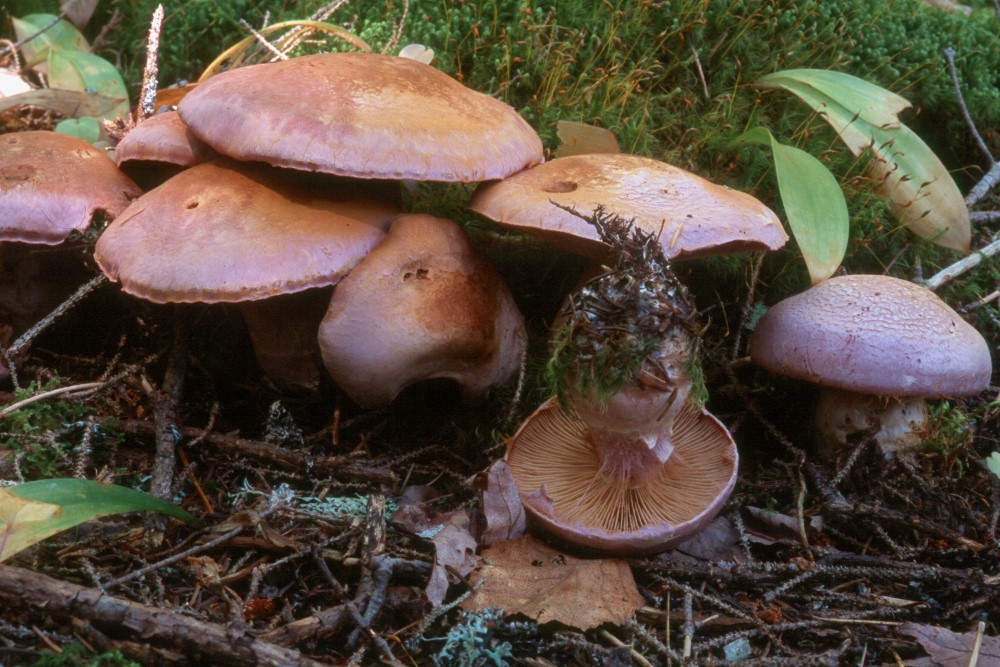
    Probably the most familiar type of mushrooms are those with gills underneath the cap, such as Cortinarius traganus:

    Cortinarius traganus

    This mushroom is very commonly found late in the season and is identified by its striking purplish hues and brown gills, as well as its thick stem which widens to a bulb at the base. Younger specimens may also have a webby mesh over the gills called a cortina, which is pictured in the image above. This species forms a mutually beneficial partnership with conifer trees referred to as a mycorrhiza, where the fungus provides nutrients to the plant in exchange for a portion of the sugars the plant derives from photosynthesis. In general, mushrooms are very good at obtaining nutrients from soil, where they produce very fine root-like structures called hyphae. These are much finer than plant roots and allow for more efficient nutrient uptake. Cortinarius traganus are not edible.


    Coprinus comatus 

    Coprinus comatus, also known as the shaggy mane, is a frequent sight in lawns and mulch. This species is often white when young, with a long, bell-shaped cap. As they get older, the mushrooms release enzymes that effectively digest the mushrooms themselves, resulting in what looks like black ink. Several species in this group show this liquifying behavior and are together known as inky caps. These are considered edible but contain a toxin which reacts with alcohol up to a week after consumption. This can cause unpleasant symptoms such as vomiting, so eating this type of mushroom is not recommended.

    Amanita bisporigera

    Another white mushroom commonly found this time of year is Amanita bisporigera, also known as the Destroying Angel. As the name suggests, they are deadly poisonous. They are identified by their tall stem with a bulbous base, a ring around the middle of the stem, and a round cap when young that expands to become flat with age. Like Cortinarius traganus mentioned above, this species is mycorrhizal with oak trees, so they will only be found in forests where this tree is present.


    Connopus acervatus

    Connopus acervatus can be found growing on rotting conifer wood. Unlike the other species covered so far, this species forms dense clusters of mushrooms with reddish-brown caps up to the size of a toonie that become lighter towards the edge. The stem is long and slender with slightly pinkish hues. This species is not known to be edible.


    Pored mushrooms

    Suillus cavipes

    Some mushrooms don’t have gills at all, and instead have pores underneath their caps, such as Suillus cavipes. The fuzzy reddish-purple to brown cap, and pale-yellow pore surface help distinguish this species from other pored mushrooms. It only grows with larch trees, and sometimes several meters away from the host tree. Because of this, it is easy to overlook its tree associate. This species is not known to be edible.


    Fomitopsis pinicola

    Fomitopsis pinicola, also known as the red banded polypore, is a very common sight in coniferous and mixed forests where it can be found decomposing dead trees. Mushrooms in this group are called polypores or bracket fungi, which form a sort of disk off the side of a piece of wood, allowing the spores produced on the underside to fall out and blow away with the wind. Unlike the other mushrooms covered so far, which may have shorter life spans, this type of mushroom grows and produces spores over the course of many years. This species has a woody texture and is thus only edible to the adventurous (not tasty!).

    Toothed mushrooms

    Hydnum repandum

    Hydnum repandum, or Hedgehog mushroom, gets its common name from the teeth underneath the cap. This mushroom is identified by its brown to orange cap and whitish stem. It forms a mycorrhizal relationship with conifer trees and likes to grow in wet seepage areas with dense moss cover. It is a prized edible with a mild taste.

    Jelly fungi

    Pseudohydnum gelatinosum


    Pseudohydnum gelatinosum looks superficially similar to the Hedgehog mushroom because of its teeth but is actually only very distantly related. It is one of the jelly fungi, a group whose name is unsurprisingly derived from their gelatinous texture. The teeth of this mushroom are generally grey to white and translucent, while the cap can range from pale grey to brown. This species can be found growing on rotting conifer wood on the forest floor. Jelly fungi are not valued as edibles.

    Dacrymyces chrysospermus

    Dacrymyces chrysospermus, also known as ‘Witches’ Butter’, is a very common sight throughout the year. This species does not form a cap and stem, but rather it looks like a mass of bright yellow or orange folds growing on the surface of dead and rotting wood.


    Puffballs

    Calvatia gigantea

    Another type of mushroom is the puffball, which is usually round, with the spores being produced on the inside. While many mushrooms often rely on wind to disperse their spores, puffballs need to be disturbed in some way, such as being squashed by animals, in order for their spores to shoot out in a cloud of smoke. A common late season puffball is Calvatia gigantea, which can grow in lawns to enormous sizes, often up to 50 cm or more in diameter, and contain trillions of spores when mature. This species is white on the outside and white on the inside when young, but the interior turns brown with maturity. They are edible while they are still white inside. A related species, Calvatia cyathiformis, looks similar when young, but

    is rougher and its outer surface turns brown with age.

    Sac fungi

    Leotia lubrica

    Leotia lubrica, also known as ‘Jelly Babies’, are a member of a group called sac fungi that are about as closely related to other mushrooms as humans are to earthworms. Species in this group are usually microscopic, but a few species have grown to a conspicuous size. Jelly babies are identified by their yellow stalks supporting a wrinkled, brown head that may take on greenish colours. They are not known to be toxic but supposedly have little flavour.

    To delve further into the world of mushrooms, a good field guide is critical. George Barron’s Mushrooms of Ontario and Eastern Canada is a great place to start, available in Wolfville at the Box of Delights bookstore on Main St. The website mushroomexpert.com is an invaluable free resource covering over 1000 North American mushroom species, but it is generally more technical than a field guide. Not only is collecting and identifying mushrooms a lot of fun, but there are likely many species that have yet to be discovered in Nova Scotia. The next time you go for a walk through the woods, you might just find something new!


    Thanks to Dr. David Malloch for giving his permission to use some of his photographs. To learn more about fungi, consider taking Dr Allison Walker’s BIOL3663 Mycology course at Acadia (follow her @FungalDreamTeam) and check out blomidonnaturalists.ca or nsmycologicalsociety.org for information on mushroom walks in the province.


    Bruce Malloch is completing is MSc. in Biology with Dr. Allison Walker researching the succession of decomposers in salt marshes. His project looks at  the idea that the decomposition of a plant species is a complex process involving many species that are functionally unique. Some may decompose leaves and shoots, others roots. Some may be decomposers of freshly killed grasses while others will decompose older material. His research is focused on determining which fungal species are present in the Wolfville marsh, and how these communities change over the course of a year.

  • Biology Teaching Gong Show: A Recap

    Biology Teaching Gong Show: A Recap

    Acadia’s Biology Research Gong Show recently took place on October 23rd, where professors gave short PowerPoint presentations outlining their current research projects. Research gong shows are a great way for students to learn about the research being conducted within their department, and opportunities to get involved in. If the presenter goes over the 3-minute time limit, they are interrupted with the ring of a gong (or the hammering of wooden spoons against a frying pan). Biology and non-biology students alike may be interested in the wide variety of research projects underway at Acadia:

    1. Dr. Todd Smith started off the show by introducing his research on parasites. His work is currently focused on studying the relationship between malaria parasites and their hosts. His lab investigates the co-evolution of parasites that target mosquitoes, frogs, and snakes, with a specific interest in host immune responses. Dr. Smith is currently teaching BIOL 2053 (Microbial Biodiversity), BIOL 3123 (Parasitology) and BIOL 3583 (Eukaryotic Microbiology).
    2. Next up was Dr. Glenys Gibson, whose research revolves around evolutionary development. Her lab is focused on marine invertebrates and the influence of environmental factors on their development. Her work includes analyzing the effects of microplastics on tissue growth – research that is undeniably pertinent, as we observe an increase in the amount of plastic present in the natural environment. Dr. Gibson is currently teaching BIOL 3153 (Principles of Development), BIOL 3163 (Comparative Embryology), and BIOL 3423 (Histology 1).
    3.  If you’re a biology student at Acadia, you’re likely already familiar with Dr. Allison Walker’s passion for fungi. She and Acadia’s Fungal Dream Team are currently looking at marine fungi, with many projects on the go, including the restoration of native species in salt marshes, the role of endophytes (organisms that live between plant cells) in algae and seagrass, and the potential uses of fungi, such as the suppression of pathogens. Dr. Walker is currently teaching BIOL 1123 (Organisms & Their Environment II),
      BIOL 3663 (Introductory Mycology) and BIOL 2043 (Biodiversity of Plants and Algae).
    4. We’re all too familiar with stress, but Dr. Russell Easy’s research delves deeper into stress and how it affects animals. His lab uses technology like Polymerase Chain Reaction to investigate DNA and proteins, with the goal of identifying biomarkers of stress. The Easy lab looks at a variety of animals, including fish, deer, frogs, and sea stars. Dr. Easy is also the coordinator of the Biology Honours program, and teaches BIOL 2013 (Cell & Molecular Biology), BIOL 3613 (Principles of Genetics), BIOL 3623 (Molecular Genetics & Genomics) and well as the Natural History Field Course on Bon Portage Island, which is an immersive field course offered during the summer.
    5. If beetles and moths fascinate you, Dr. Kirk Hiller’s research will too! Dr. Hillier’s lab investigates olfactory neuroscience in insects, such as the evolution of pheromone communication between moths. Other projects revolve around conservation and agriculture, including the development of sustainable chemicals for pest management. Dr. Hillier currently teaches BIOL 3883 (Chemical Ecology) and BIOL 4443 (Comparative Animal Physiology)
    6. Those interested in a career in immunology or medicine will want to know about Dr. Melanie Coombs’ research. Dr. Coombs is currently working to demonstrate that some natural products may actually kill metastatic cancer cells. Her lab is currently investigating PZ-DHA, a compound that has been shown to kill breast cancer cells, and looking whether it also has the ability to kill other cancers, such as colon cancer. Dr. Coombs currently teaches BIOL 2053 (Microbial Biodiversity), BIOL 3553 (Immunology), BIOL 3573 (Applied and Environmental Microbiology), and BIOL 4353 (Pathogenic Microbiology).
    7. Marine biology is the domain of Dr. Trevor Avery’s lab, with focus on animal residency and biodiversity. Research in his lab involves finding and tagging fish, frogs, and squid; then examining their population dynamics and demographics. The human dimension is also explored in his lab, as his team often conducts social surveys and collaborates with the community. Dr. Avery teaches BIOL 2563 (Marine Biology),
      BIOL 4113 (Fish Biology & Fisheries Science), and BIOL 4253 (Applied Statistical Modeling). Dr. Avery is also a fan of statistics and teaches a course for the Math department: MATH 2223/2243 (Statistics for Life Sciences).

    Several professors are on sabbatical and were unable to attend the show, but their Honours students stepped up and gave the 3-minute presentations in their place:

    1. Evolutionary biologist Dr. Don Stewart uses DNA sequencing to explore the molecular evolution of organisms. His team studies the genetics and habitats of animals such as black bears, while also investigating the interesting phenomenon of doubly uniparental inheritance: most animals inherit their mitochondrial genes only from their mother, but some bivalves (like mussels) can get them from their father too.
    2. Dr. Dave Shutler’s team studies the birds and the bees (and the coyotes). A lot of field work is involved, as his lab observes the parental investment and predation of birds, the diseases of bees, and the ecology of coyotes.
    3. Dr. Brian Wilson researches neuroendocrinology, and supervises projects on physiological properties of strokes, while studying the hormone relaxin and its ability to reduce resulting tissue damage. Another project looks at the endocannibinoid system, through which THC affects the brain, a research area that is certain to grow with the recent legalization marijuana.
    4. Plant biologist Dr. Rodger Evans studies floral evolutionary characteristics, as well as plant relationships. One of his current lab projects involves examining the influence of moths on plant development.

    As demonstrated by the gong show, Acadia’s biology department is home to many significant research projects. The research outlined here is only a portion of all that is being conducted at the school, so students are likely to find a topic they’ll want to get involved with.

  • “That which has long been known”: The Role of Indigenous Communities in Science

    “That which has long been known”: The Role of Indigenous Communities in Science

    When you travel, people often use the phrase “be like one of the locals” as advice to fully immerse yourself in a culture. This concept is the easiest way to understand the importance of consulting indigenous people when conducting research in an environment that has been inhabited by a community for generations. To put it into perspective: imagine you’ve been sent into foreign territory to research an unfamiliar species. You need to find and explore their habitat, observe their diet and feeding habits and determine their population size. Now imagine you find a community living in this ‘new’ land who hunt, fish, and gather wild plants for sustenance. Wouldn’t it be common sense to ask the locals if they know anything about the species you’re trying to find?

    Although this may seem like a simple concept, First Nations communities have been overlooked for far too long by scientists as a resource for information when collecting scientific data for wildlife biology, ecology, environmental planning, etc. Indigenous peoples have been living off the land for generations, a lifestyle that requires an immense amount of knowledge regarding the location of specific species during each season to survive in a climate that gives us extreme weather such as our unforgiving Canadian winters. For generations this information was often passed on through oral tradition, such as storytelling, which is a major contrast to the countless written records that were kept by Western civilizations. However, a lack of physical records does not mean there is less validity in oral tradition. Oral tradition often focuses on the relationship between people and the environment, so although there may be some mythology occasionally mixed into information passed on, the moral of each story has its roots in someone’s real experience and/or observation.

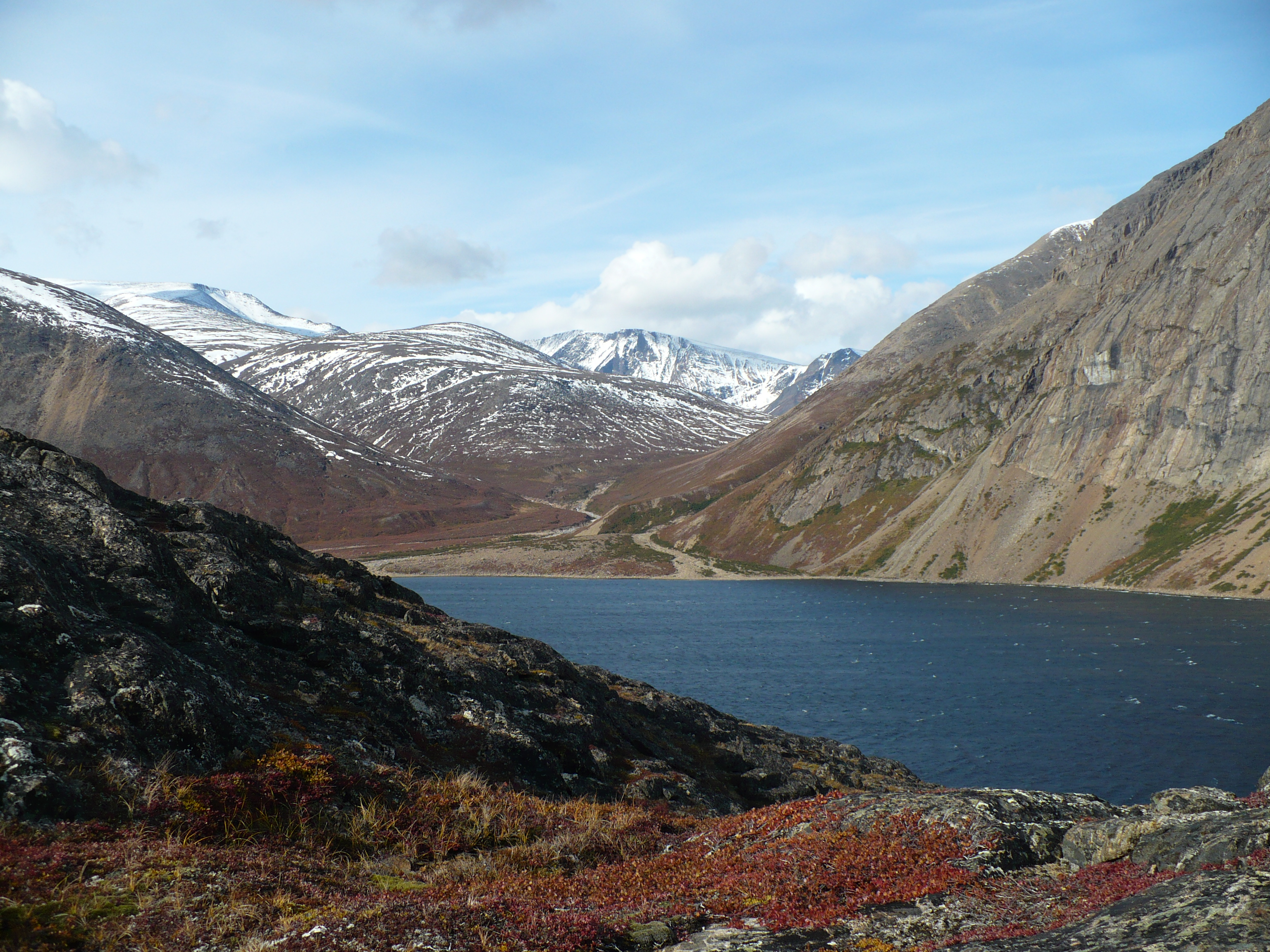
    When studying the Arctic landscape, consulting indigenous communities is crucial, and often essential, for survival. With no other inhabitants in the area, and a climate that will not spare a wandering scientist hoping to find their species of interest in the vast open arctic, the best choice is to swallow your pride and ask for directions. The Inuit people traditionally have heavily relied on hunting wildlife populations for their survival due to a lack of vegetation for most of the year; therefore, it would be essential to observe trends such as population size, migration patterns and feeding habits. Inuit traditional knowledge is called IQ, which stands for Inuit Qaujimanituqangit, or “that which has long been known by Inuit”. This term shows how undervalued traditional knowledge is, as we rarely consider that this is just basic knowledge to the Inuit. We often put data presented by scientists up on a pedestal, when in reality a group of researchers could make a number of records and observations over a two-year period, and use plenty of complex scientific jargon in their mile long paper; but it could be a completely inaccurate representation of a population compared to observations made by Inuit over decades that has simply been passed on by word of mouth.

    A more local example of the integration of indigenous communities into scientific projects is the Unama’ki Institute of Natural Resources (UINR) located in Cape Breton, Nova Scotia. UINR serves as the voice of the Mi’kmaq people of Cape Breton in discussions regarding natural resource management and environmental stewardship of natural environments such as the Bras d’Or Lakes. Institutes such as this promote education and employment in STEM within the Mi’kmaq community, as well as the preservation of traditions that involve the natural environment such as hunting. One program undertaken by UINR is the Moose Management Initiative. This initiative partners with the Nova Scotia Department of Natural Resources and Parks Canada to control the moose population in the Cape Breton Highlands National Park. Mi’kmaq hunters were given exclusive access to hunt moose in the national park to reduce an abundant population that would have overwhelmed the natural environment. Although this was considered controversial among non-Mi’kmaq hunters in the area, and highly criticized for being “unfair”, the harvest was successful, and traditional feast was prepared with excess meat being donated to food banks.

    This brings on difficulties that come with working with indigenous communities. In cases such as the moose hunt, it is often seen as unfair to non-Mi’kmaq people that opportunities are being exclusively offered to First Nations people, particularly in areas of already-high unemployment such as Cape Breton. The acknowledgement that First Nations people are a marginalized community and deserve these opportunities is a difficult one to make when you’re struggling to make ends meet. On the other side, First Nations elders can be wary in participating in programs with non-indigenous people, with very real, and valid concerns about being exploited or treated unfairly. Coming together and removing any prejudices about either group is of the utmost importance for having a successful collaboration in any situation, but it is particularly important when dealing with indigenous communities.

    The First Nations people of Canada knew the landscape long before the arrival of Western science, but their wealth of knowledge was rarely or never used to its full potential to provide us with information regarding the ecology of North America. With more efforts being put towards including First Nations communities in processes such as environmental planning and wildlife management, the relationship between scientists and indigenous communities continues to improve. Overall, the collaboration of scientists with indigenous communities fosters a sense of cohesion between the tradition and science rather than one of animosity, encourages education and employment opportunities for First Nations people, provides insight and information to scientists, and can create economic stimulus through industry, resulting in a beneficial situation for all parties.

    Laura Porter-Muntz is a fourth year Biology (Co-op) student and Science Editor of The Athenaeum

  • STEMfest 2018

    STEMfest 2018

    STEMfest is a weeklong celebration of the world of science, technology, engineering and mathematics, taking place in Halifax, Nova Scotia from Friday, November 2nd to Friday, November 9th. The festival will involve conferences and events focused on education and innovation in STEM, as well as social, industrial and economic developments within the STEM community. STEMfest has post-secondary-specific events such as the science communication workshop and science slam.

    On Saturday, November 3rd and Sunday, November 4th, Beakerhead science communications programs will be hosting a science communication workshop for post-secondary students at the Halifax Convention Centre. This workshop will be led by Jay Ingram and Mary Ann Moser, two experts in the field of communicating science. Jay Ingram has a lifetime of experience, from being the host of the science TV program Daily Planet for 16 years, and hosting CBC’s science radio show Quirks and Quarks as well as two of CBC’s radio documentaries, to writing and editing for such publications as Owl magazine, The Toronto Star, and, currently, Canadian Wildlife.

    Mary Ann Moser works to bridge the gap between art, culture and science. Her work as a journalist lead her to establish the Banff Scientific Communications Program and Canada’s Iron Science Teacher competition, as well as take a seat on the steering committee for the Science Media Centre of Canada start-up. Mary has also edited two books regarding science’s role in society: Immersed in Technology and Science, She Loves Me. In a world where journalists are met with constant skepticism and scientists are second guessed, ensuring your scientific research and data make sense not only to your fellow researchers, but also to the public, is an incredibly useful skill to learn.

    If you want to achieve your goal of presenting your own research to a crowd and engaging your entire audience, you won’t want to pass up this opportunity to learn valuable knowledge from two leaders in the field! Attending this workshop costs $25.00, with registration available here: https://stemfest2018-sciencecommworkshop.eventbrite.com/

    If a scientific showdown is more your speed, the Science Slam might be the event for you! On Tuesday, November 6th the Science Slam will be hosted at the Halifax Convention Centre. This event is a competition between scientific speakers where competitors are given five minutes to give a presentation on any scientific topic. Each contestant is judged by the audience on their ability to effectively communicate their subject to the crowd.

    Scientists, researchers and students will all be competing for the title of ultimate science communicator, as well as a cash prize. There is no attendance fee for this event, so if you want to be both entertained and educated all in one evening, sign up for a ticket here: https://www.eventbrite.com/e/stemfest-2018-science-slam-tickets-50603548576. There are multiple STEMfest events open to the public, a full schedule is available here: https://stemfest2018.ca/

Betzillo positions itself as a versatile gaming hub where structured bonuses and adaptive gameplay mechanics support both short sessions and extended play.

Built with a focus on innovation, Spinbit integrates modern casino architecture with rapid transactions, appealing to players who value speed and digital efficiency.

Ripper Casino emphasizes bold entertainment through high-impact slot titles and competitive promotions crafted for risk-oriented players.

A friendly interface and stable performance define Ricky Casino, offering a casual yet reliable environment for a wide spectrum of gaming preferences.

King Billy Casino channels classic casino spirit into a modern platform, delivering recognizable themes supported by contemporary reward systems.

Immersive visuals and layered slot mechanics are at the core of Dragonslots, creating a narrative-driven casino experience.

Lukki Casino appeals to players seeking direct access and minimal friction, focusing on fast loading times and intuitive controls.

Casinonic provides a structured and dependable gaming framework, blending modern slots with transparent operational standards.