Tag: strategic plan

  • Acadia 2025 is going in the right direction

    Acadia 2025 is going in the right direction

    The first draft of Acadia’s strategic plan released on October 28th is quite something. For an institution that so frequently shunned ambitious plans for fear of budget deficits and bad publicity, this draft strategic plan shuns austerity and embraces investment in students. I’m very excited.

    Let me first disclose that I have heavy biases. In my final two years at Acadia, where I served as Arts Senator and Student Board of Governors Representative respectively, I advocated heavily to focus our conversations beyond the 2-5 years to the 10-20 year timeframe. I can now go through this strategic plan with some satisfaction knowing that the conversation has finally shifted. I definitely did not do it alone, but it comforts me to know that present Acadia students are concerned about their legacy.

    In my final piece as Editor-in-Chief for The Athenaeum I implored Acadia to learn from its history, to not run from the failures and learn from its mistakes. This plan does exactly that and builds on the best pieces of what makes our institution unique.

    I have always been a vociferous proponent of the Campus Master Plan and SUB Renewal. When I first stumbled upon the campus plan poster tucked away in the KCIC boardroom, I was inspired. Here was a vision of Acadia that was forward thinking, ambitious, and one that understood what made us unique. This was a vision that I wholeheartedly endorsed because it didn’t settle for stasis. It actively sought to make Acadia better by playing the long game.

    In my final two years at Acadia I advocated heavily for reintroducing the Campus Master Plan into planning processes and recapturing that vision lost at the turn of the millennium. It’s one thing to say we’re an amazing school, but it’s another thing to actively plan for being one ten to twenty years down the road.

    I applaud President Ricketts and the Acadia 2025 task force for including a commitment to modernizing the Campus Master Plan and resubmitting it to the Board of Governors by 2021. This is the kind of forward thinking that Acadia hasn’t been able to do for almost fifteen years because of budget crunches and declining enrollment, but now we’re in a solid place to begin looking towards a new future.

    SUB Renewal was always a huge priority of mine. I firmly believe that students need an on-campus home that they can share with all students regardless of what they study, where they eat, or where they’re from. Including SUB Renewal as a priority within Acadia 2025 and the Campaign for Acadia signifies that the university is putting student concerns front and centre. Prioritizing SUB Renewal means we can ditch the 70s brutalism and create the SUB that we want. It can be carbon neutral, ensure that it produces net-zero emissions, include a climbing wall, a brewery, or whatever the hell we want. The point is we can build on Acadia’s legacy of leading the charge and demanding better for students instead of limping along as the sick man of the Maritimes.

    There are obviously many more things that Acadia 2025 prioritizes that are worthy of commendation. The plan has plenty of KPIs that are specific, measurable, attainable, realistic, and time constrained. Increasing the number of African-Canadian students, new partnerships with the Maple League, updating the Acadia Sustainability Assessment and including a carbon footprint analysis, establishing an Undergraduate Research Opportunities Program, and beginning a Great Valley Initiative are all reasons we should be excited.

    When Dr. Ricketts first came to Acadia in March 2017 to pitch why he wanted to be President, I was struck by his vision. His clearly articulated vision of Acadia is one that I have fully and wholeheartedly supported. Although he may not have the relative youth of former president Ray Ivany, he certainly does not lack the optimism.

    I identified with his vision of Acadia because of his focus on becoming a more global institution. One of the questions I asked him two years ago was “What role do you see Acadia playing in an increasingly global world?”. He didn’t skip a beat when answering with “Big”. By that he meant that Acadia could become increasingly global not just including more international students and exchanges, but global throughout extent of university. This meant building partnerships with likeminded institutions around the world and forging program links, research links, faculty exchanges and student exchanges. This particular global education is one that he identified as crucial to a legacy he would seek to leave behind. Acadia 2025 is that legacy.

    He identified several issues that Acadia is facing, including the increasing questioning of the value of a liberal education. One line stood out to me during his lecture in University Hall, when he said, “You can’t sit back and be complacent”. He noted that by maximizing partnerships outside the university we could maximize opportunities for students, and while one may learn much in the classroom, one will learn so much more outside of the classroom.

    Acadia 2025 gives us the roadmap we need towards reclaiming our mantle as the best undergraduate university in Canada. We can’t do that by copying what Mt. Allison or St FX has done. We must be unique in our vision and bold in our execution, and I firmly believe that the Acadia 2025 strategic plan puts us on the right track.

  • Opinion: Embrace the Campus Master Plan within Acadia 2025

    Opinion: Embrace the Campus Master Plan within Acadia 2025

    The Acadia 2025 ideabook released just under a month ago contains numerous proposals for pushing the university into the 21st century.

    Within the ideabook four major themes were identified: campus infrastructure and facilities, the academic core, the organization, and the region and local community.

    During the course of the planning process, President Ricketts noted that Acadia needed a new ‘big idea’ following in the footsteps of the Acadia Advantage, which was celebrated internationally.

    The ideabook matters because it informs the next stages of what Acadia will be pushing forward as institutional priorities: massive investments in the library, BAC, and SUB, new degree options, a new focus on retention, and a ‘Great Valley’ initiative that could fundamentally alter the region.

    The ideabook notes that campus infrastructure is a top priority of the university. The Vaughan Memorial Library is at the top of the list, described as long overdue for an overhaul. The university has been hosting focus groups on the state of the library, with the process initiated by the Senate Library Committee in November 2017. This was followed by an editorial in The Athenaeum calling for the construction of a new library according to the Campus Master Plan.

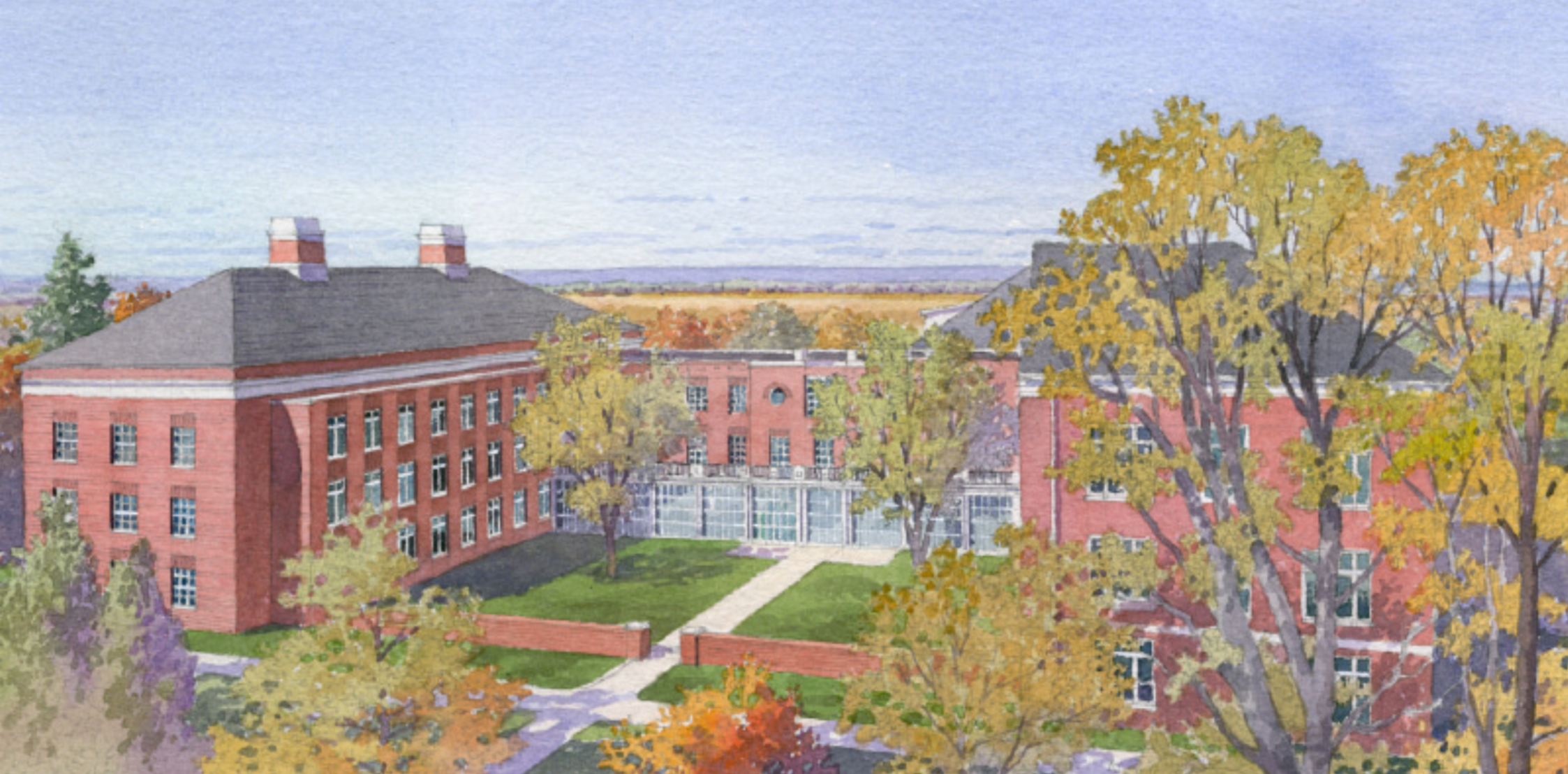
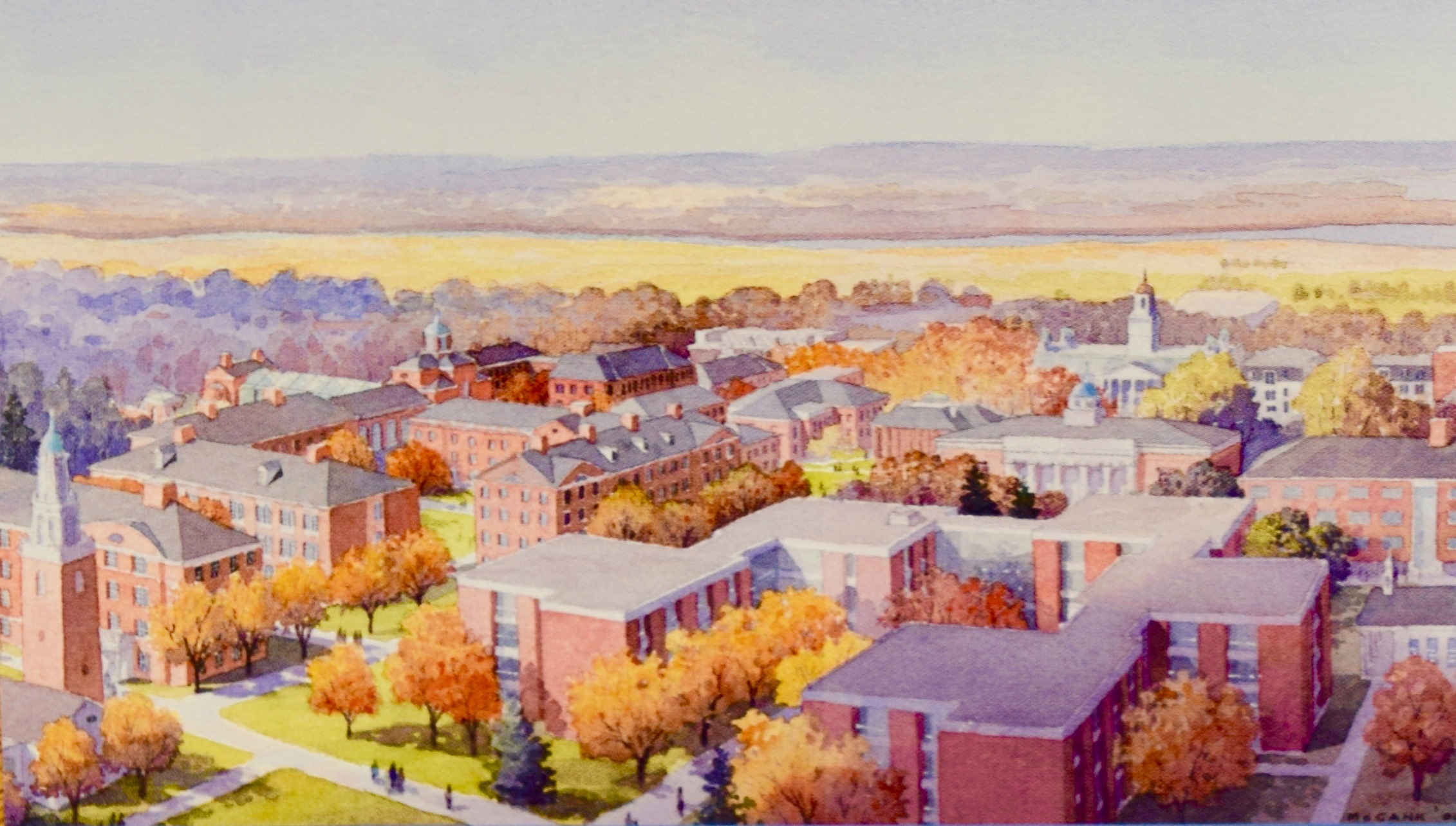
    The possibility of returning to the Campus Master Plan is noted as a possibility in the ideabook to guide development priorities and design. The ideabook notes that “the goal of everyone involved with developing the original plan was to create an aspirational road map to help planners, fundraisers, and donors imagine how Acadia’s physical infrastructure could be used for the benefit of students and delivering its programs”.

    In addition, the BAC and SUB were identified as major priorities. It’s no surprise that the BAC was put at the top of the list- with the majority of Acadia students attending classes there and with the recent investment in Huggins Science Hall- it’s in desperate need of redevelopment. Justin Macleod’s 2016 article in The Athenaeum issue 79.2 aptly noted the discrepancy between funding of arts and sciences as “the state of the BAC is an accurate representation of not only the university’s feeling towards the arts, but also of the popular opinion that an arts degree is a waste of money and in the end worthless.”

    Focusing on the students’ union building will be hugely beneficial for the university as a whole. However, under the ASU’s recent bylaw changes the SUB Renewal Committee- the student-centred committee dedicated to overseeing the evolution of the building- was cut, presumably leaving the development of the SUB up to the university and ASU executive. The ideabook writes that the SUB should embody a ‘student success centre’, with plans to fill in the gap between the Old and New SUB similar to the construction of the Huestis Innovation Pavilion. This has been described by some as a band-aid solution, failing to address the fundamental structural concerns at the heart of the SUB that were identified in the 2002 Campus Plan, describing the building as “inadequate for student use due to increased programming and serious maintenance and refurbishment needs, and is generally not of a quality consistent with a facility of this type at Acadia University or its peer institutions.”

    The ideabook also mentions the development of more housing on campus for upper year students and young professors with families. This is not a new idea- the development of several new residences and the gradual move of upper year students onto campus was proposed at the turn of the century by the Campus Master Plan. Moving older students on campus through apartment and suite-styled residences may be the way to go forward if the university is hoping to increase its retention rate from 78.5% as of 2018.

    What the Acadia 2025 Ideabook represents under the infrastructure chapter is the Campus Master Plan in all but name. The controversies associated with its biggest proponent, former President Dr. Kelvin Ogilvie, have presumably pushed the university from formally associating itself with the manifestation of his legacy. Yet the Acadia 2025 ideabook is proving that the Campus Plan is the right direction for the university. The university should push forward bravely instead of stepping on eggshells to avoid controversy and blaze its own path to create a unique Acadia experience.

    Colin Mitchell is a fourth year (Honours) Politics student and Editor-in-Chief of The Athenaeum

  • Acadia 2025 Enters Next Stage, Releases Ideabook

    Acadia 2025 Enters Next Stage, Releases Ideabook

    Acadia University has recently launched Acadia 2025, a strategic planning exercise for the year 2025. On Thursday, the Task Force of Acadia 2025 held an open drop-in session in the SUB for the student body to share their views regarding the project. This comes following the release of the Acadia 2025 Ideabook last month.

    The Ideabook summarized the feedback received from students, faculty and staff from surveys conducted in mid-March and June of last year. The strategic plan will address four basic areas as indicated by the survey responses. These four areas being: Campus Infrastructure and Facilities, Academics, Organization and Community.

    On the list for campus infrastructure and facilities is improvements and renovations to many of the central structures on campus, including the Vaughan Memorial Library, the Student Union Building and the Athletic Complex. On-campus residences have been identified as needing updating, as well as modernizing classroom and lecture spaces. There are also plans to make the entire campus physically accessible, in line with Nova Scotia’s new accessibility legislation that went into effect last April.

    In terms of academics, Paul Callaghan, director of the Acadia 2025 Task Force, underlined the importance of maintaining relevancy in the education programs offered at Acadia. He pointed out that programs such as the Environmental and Sustainability Studies is an example of keeping up with current global trends, and to ensure graduates from Acadia are prepared to face 21st century issues. With this goal in mind, Acadia would like to expand the programs offered with a special focus on interdisciplinary studies.

    A program for students wanting to complete both a BA as well as a BSc has been discussed, as well as the possibility of a liberal arts foundation year. The importance of extracurricular experiences has been identified as setting apart graduates who partake in them. Being thus, plans to expand and in appropriate cases, make mandatory, the participation in co-op or study abroad programs are also being considered. As Callaghan emphasized, Acadia “has a duty to uphold our reputation” especially when it comes to academics.

    The third main pillar of the plan is concerned with organization. From the survey responses, it became clear that the administrative and technology systems currently in place are no longer keeping up to the needs of students, faculty and staff. The plans for 2025 involve re-organization of these systems to improve efficiency, with the proposed idea of condensing locations of all the academic and financial administration buildings to make a ‘one stop shop’ for students. Academic flexibility was also identified in the responses as needing improvement, such as making it easier to transfer credits or switch programs.

    High on the list is the need for an improved IT platform, identified as critical for administrative purposes especially. There is also plans to address Acadia’s historic challenge with recruitment and retention. According to Callaghan, this challenge relates back to relevancy, as he states that “we must be able to attract students from all over Canada with programs that are relevant”. Acadia does not want to compete with larger institutions, but rather use the unique experience Acadia has to offer to attract students instead.

    The fourth pillar is concerned with building and maintaining more relationships with the community we are fortunate enough to live in. More partnerships with community organizations for research opportunities have been identified, as well as a starting an Indigenous Pathways program to further support students who identify as as Indigenous. To broaden community connections, and to potentially aid in recruitment, a program that exposes high school students to university has been proposed. This would allow high school students to experience university living for a week, living on campus and taking some classes to gain a better insight into what Acadia has to offer.

    While still in the idea stage, a Task Force consisting of fifteen dedicated representatives of faculty, staff and students has been assembled with the goal of creating a draft plan by Spring of 2019. The 2025 plan is meant to be realistic, practical and mindful of the challenges that persist and will continue to persist for Acadia and universities everywhere. While not an easy job, the Task Force members recognize the significance of their work. As Callaghan notes, “it’s a lot of work, but it’s important work”.

    The Acadia 2025 Task Force welcomes any student suggestions, comments or views regarding the new plan.

    Sarah Lavallée is a first year Environmental Science student and a member of the Varsity Cross Country team

  • Acadia 2025 Strategic Plan Begins

    Acadia 2025 Strategic Plan Begins

    Excellence. Engagement. Enlightenment.

    These three words will be at the centre of Acadia’s newest strategic plan. Tentatively titled Acadia 2025, President Ricketts presented the framework of the plan on March 14th in Huggins Science Hall. The goal of the plan is to provide the university direction up until 2025. This fulfills a promise Ricketts made while vying for the presidency.

    The first stages of Acadia 2025 are to formulate goals, establish priorities, and determine how to measure impact. This will include reflecting on Acadia’s current environment and its strengths, in addition to testing the resilience of the 2006 Strategic and 2015 Senate Research plans.

    There are many environmental realities the university will have to contend with. Fiscal constraints are paramount, with no annual increases in provincial funding or tuition beyond current levels for the foreseeable future. Acadia will not take on any more debt as the 18-25 cohort in Atlantic Canada declines, while recruitment is becoming increasingly competitive and expensive domestically and internationally.

    External expectations have been set for Acadia. There are louder calls from both provincial and federal governments to make sure students are “career ready” for the 21st century economy. Acadia will also have to respond to the Truth and Reconciliation Commission in meaningful ways, which President Ricketts has already begun.

    Governments see universities as strong net contributors to the provincial economy and Atlantic Growth Strategy, with the immigration of high quality people a priority for Nova Scotia. Ricketts noted that there is a necessity to cultivate an image that universities are beneficial to the Maritimes, running contrary to popular perceptions in the 1980s.

    Creating Acadia 2025 will be a collaborative effort. The Strategic Planning Task Force (SPTF) will form strategic directions for the first steps of the plan, informed by external expectations and accountabilities. The SPTF will work to develop a strategic directions document, which will form the next phase. The second step will be crucial to identifying goals, objectives, means, and measures for success.

    March-June 2018 will serve as Phase 1 of Acadia 2025. This phase is tentatively titled the ‘Ideas for Acadia’ phase. Town hall sessions will be conducted with faculty, staff, the University Senate, and Board of Governors to solicit ideas. The goal will be to create an Acadia ideabook and word cloud based on the submissions, with feedback and suggestions on possible visions, values, and mission statements encouraged.

    June-December 2018 will serve as Phase 2. This phase is tentatively titled the ‘Strategic Direction’ phase. The SPTF will be appointed to create an ideabook, and ‘Acadia Circles’ will be created to address themes, identify goals, objectives, and routes of action. A small number of external circles (E-circles) will be created to engage external communities in the strategic planning process. A strategic directions document will then be developed to outline the proposed themes of Acadia 2025.

    January-April 2019 will be Phase 3. This phase is tentatively titled the ‘Drafting Phase’. The SPTF will conduct more consultation at the departmental and unit level to solicit feedback in hopes of producing a draft strategic plan to submit to the President for review.

    April-June 2019 will be Phase 4, the final phase. After review by the Senate, Board of Governors, and President, the final plan will be approved. The President will then be responsible for ensuring its implementation and accountability.

    Acadia’s last strategic plan was completed in 2006, with the values of excellence in scholarship, close community, personal responsibility, and leadership as defining pillars.

    The 2006 plan also identified five features that made an Acadia education distinct. These were:

    • Personalized attention to students as learners
    • Undergraduate research
    • Education of the whole student
    • Focus on the environment and social issues
    • Emphasis on responsible, global citizenship

    However, shortly  after 2006, things took a turn for the worse. The provincial government reduced annual revenue by $6.8 million which led to unavoidable operating deficits, budget reductions, and staff and faculty cuts. Limited flexibility within the institution pushed enrollment to a low point in 2008 with around 2900 full time undergraduate and graduate students, a far cry from the approximate 3800 enrolled today.

    The combined impact pushed Acadia into survival mode. The university went from receiving 10.5% of the funds from the provincial system to 8.5% of total funds, a drop that President Ricketts noted would “normally sink even the best organizations”.

    By the 2007/08 academic year the university had accumulated $5.3 million in operating deficits and $70 million in long term debt, plus two faculty strikes, leadership change, major brand damage, and a 2% reduction from the provincial government.

    The strategic response by the university was meant to restore fiscal responsibility. This was achieved by reducing operating expenses, eliminating permanent positions, selling assets and reducing long term debt, and transferring to the provincial pension plan by dissolving Acadia’s. These initiatives  were combined with efforts to recover lost provincial grant funding, increase operating revenues from tuition and other fees by reversing the decline in enrolment, and increasing external revenues from fundraising.

    The focus on student recruitment allowed for a rebound to healthy enrollment. Currently, 47.8% of students are from Nova Scotia, 39.7% from the rest of Canada, and 12.5% from 59 countries around the world.

    Labour stability, achieved during November 2017, plus donor stability, stabilization of funding from the province, and the adoption of a Senate Strategic Research plan in 2015 demonstrated that Acadia was able to make it back from crisis to full strength.

    Ricketts noted during his presentation that Acadia is “the jewel in the crown” of the Canadian university system, providing enriched learning environments, undergrad and graduate research, environmental stewardship, and global outreach at a level other institutions cannot.
    Comments and suggestions are actively encouraged. Click here to visit the Acadia 2025 website to learn more.

Betzillo positions itself as a versatile gaming hub where structured bonuses and adaptive gameplay mechanics support both short sessions and extended play.

Built with a focus on innovation, Spinbit integrates modern casino architecture with rapid transactions, appealing to players who value speed and digital efficiency.

Ripper Casino emphasizes bold entertainment through high-impact slot titles and competitive promotions crafted for risk-oriented players.

A friendly interface and stable performance define Ricky Casino, offering a casual yet reliable environment for a wide spectrum of gaming preferences.

King Billy Casino channels classic casino spirit into a modern platform, delivering recognizable themes supported by contemporary reward systems.

Immersive visuals and layered slot mechanics are at the core of Dragonslots, creating a narrative-driven casino experience.

Lukki Casino appeals to players seeking direct access and minimal friction, focusing on fast loading times and intuitive controls.

Casinonic provides a structured and dependable gaming framework, blending modern slots with transparent operational standards.