




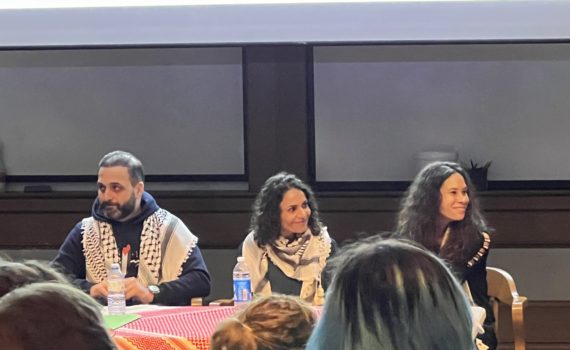
“I never learned – and I hope to never learn – to stay silent about injustice” emphasizes the author, poet, educator, and advocate Dr. El Jones in her speech as she received an honorary degree from Acadia University at last […]
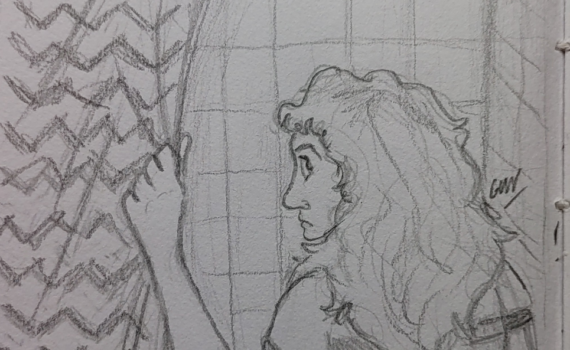
The rent for Craftwood Plaza was seventy dollars a month and for that alone, Hester was tempted to move in on the spot. However, she had to see the building first. Her mother came with her and commented on how […]

Curve of hips To the sway of bust From man’s rib Crafted from dust Meant to be cherished Not understood No trophy But a gift No reward But stars that shine Through the longest nights, infinite Diamonds at the meeting […]
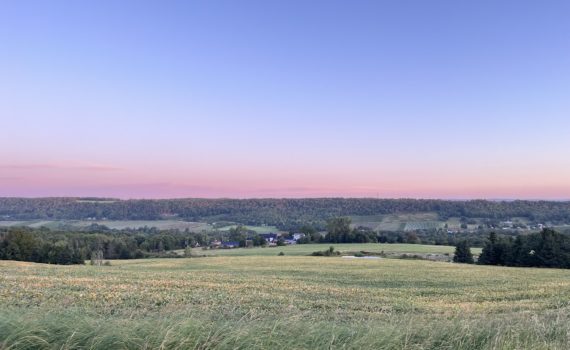
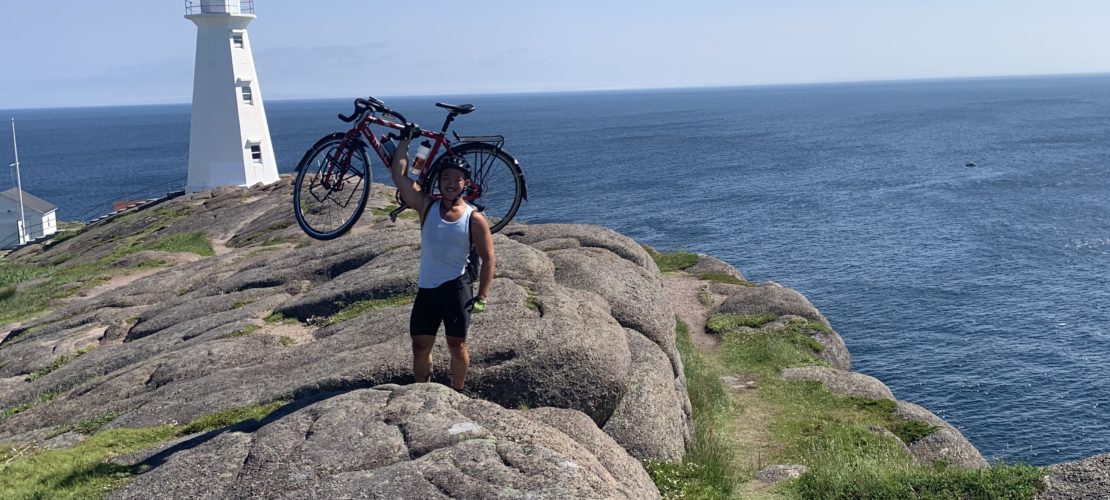
Photo By Tom Zhai Valley Sunrise on Greenfield Road, Gaspereau, NS “Inspired by the highest mountain on Earth, Everesting tops the list as the world’s most difficult climbing challenge. The rule is simple – ‘pick a hill, climb up and […]
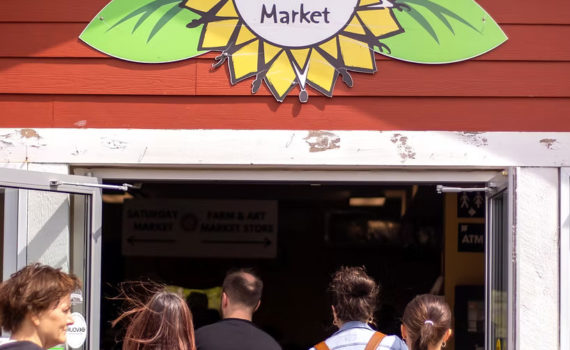
The farmer’s market has long been a staple community hub in Wolfville. Recently, Emma, one of our staff writers at the Athenaeum, was able to meet with Kelly Marie Redcliffe, executive director of the market, for an interview. This was […]

Photo by ian dooley on Unsplash So you think you got what it takes to be the next EIC? Apply and find out: The Athenaeum Editor-in-Chief Application The Role of Editor-in-Chief at The Athenaeum: Responsibilities, Challenges, and Rewards The […]
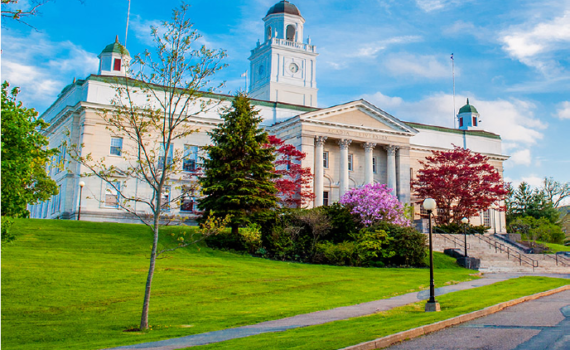
Photo from: https://www2.acadiau.ca/alumni-friends/development/heritage-acadia.html As my first year is coming to an end and I reflect on my time here at Acadia, I hope to be able to help incoming new students to have a comfortable, smooth transition to university life. […]
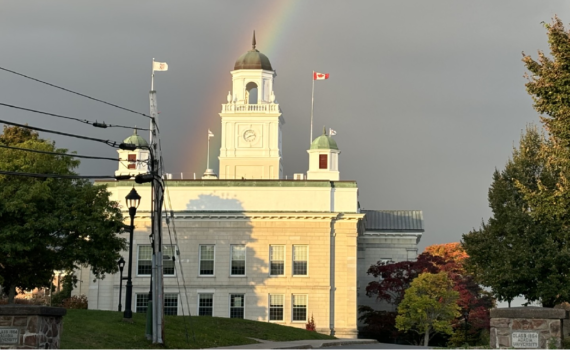
Photo taken by Olivia Jodrey The Resident Assistant position is fundamental for the positive and welcoming atmosphere that persists year after year in Acadia dorms. The RA position has existed for years, but many changes have been made to improve […]
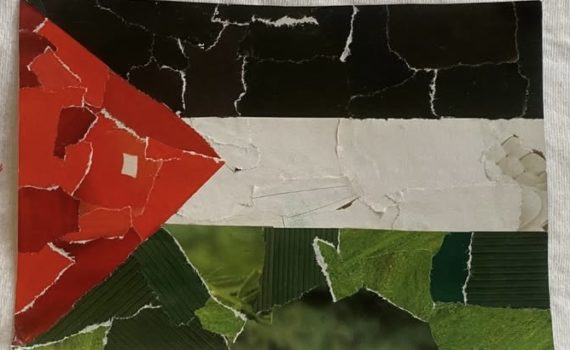
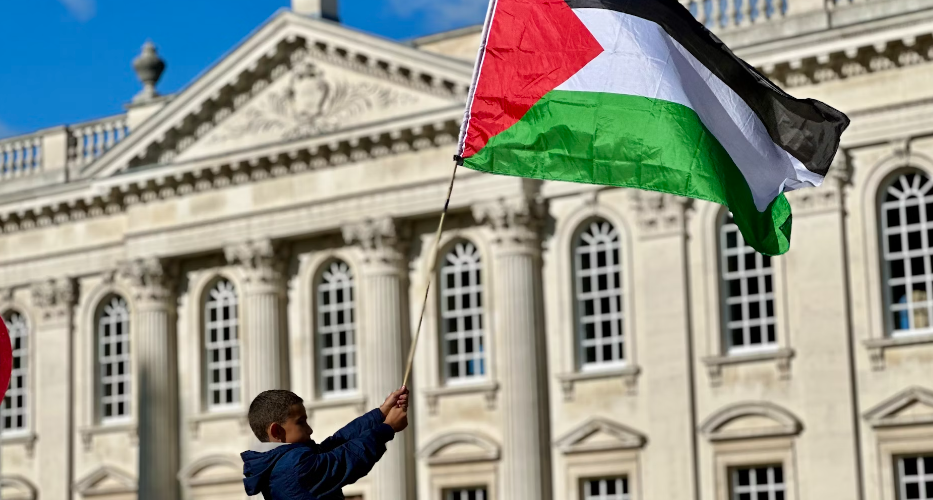
On a cold winter night earlier this month I had the opportunity to take part in a craft night initiative taking place on campus, which is in association with Acadia Collective for the Liberation of Palestine. The student association advocates […]
This past Tuesday, Acadia students and members of the ASU gathered at the Axe to join a forum and Q&A session related to Acadia’s newly instated protest policy. The gathering comes amid calls for reform and deeper consultation by concerned […]
“In the exercise of my duties, I swear to uphold the law as the best way for human coexistence. I will strive for justice as a way to combat violence and assist those in need, serving every human being (…) […]
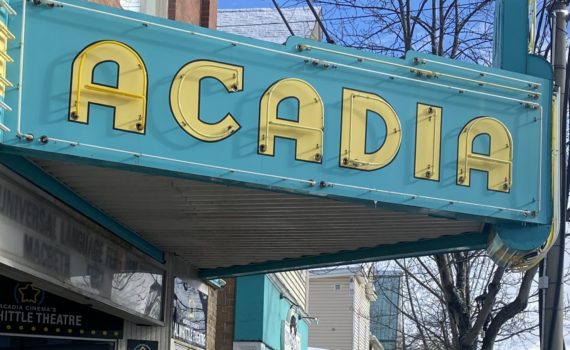
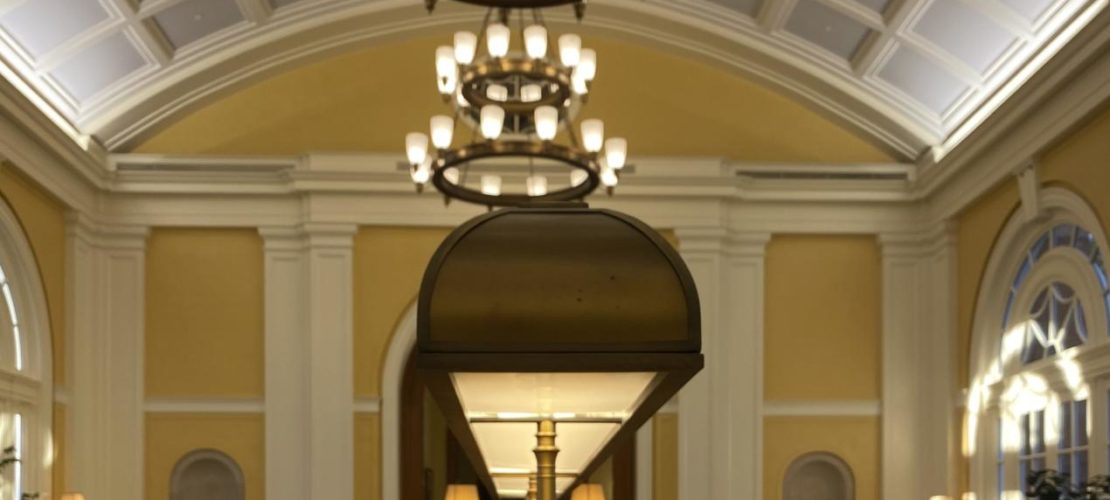
The building which now houses the Al Whittle Theatre has been a place where people gather to celebrate the theatrical and cinematic arts for one-hundred-fourteen years. Its journey began in 1911 as an opera house founded by Marshall and Ellouise […]
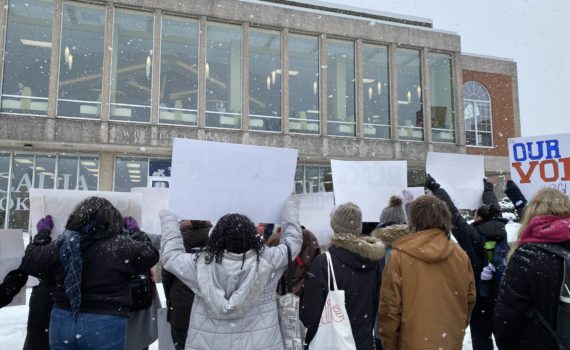
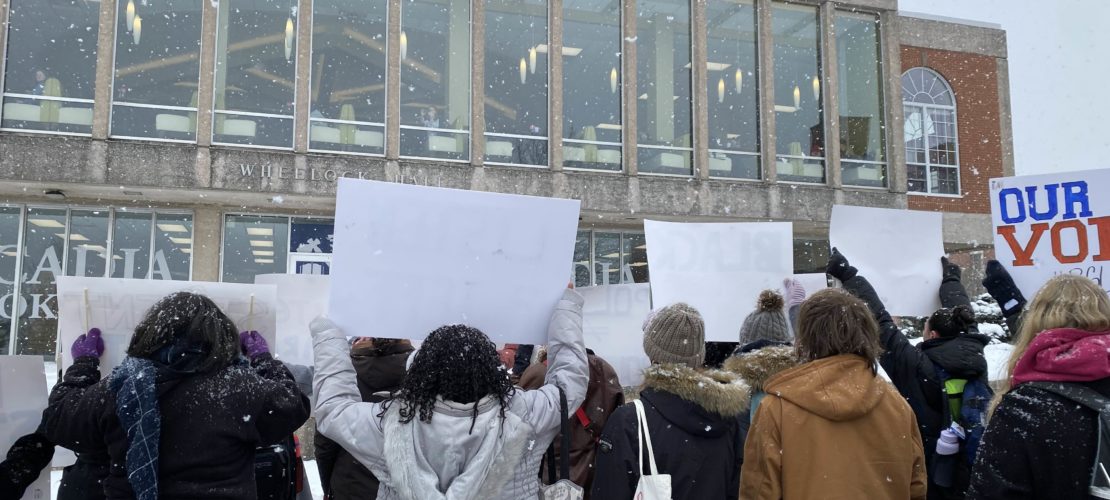
January 29th, 2025, 10:30am. A little over a dozen students assemble in front of Acadia’s University Hall. Most of them dressed in black, red, and orange, several holding signs, and all of them there to protest for the sake of […]

Minutes for the Friday Meeting + Our Next Steps Thank you to all who came out to support our movement and contribute to meaningful conversations. We want to first thank Dotun Olutoke for his hard work and dedication to supporting […]
We have just learned that the African Descent Student Opportunity Success Coordinator position will not be renewed for this year! The position was previously filled by Dotun Olutoke who has worked tirelessly to provide support and resources for Black students. […]