Month: January 2024

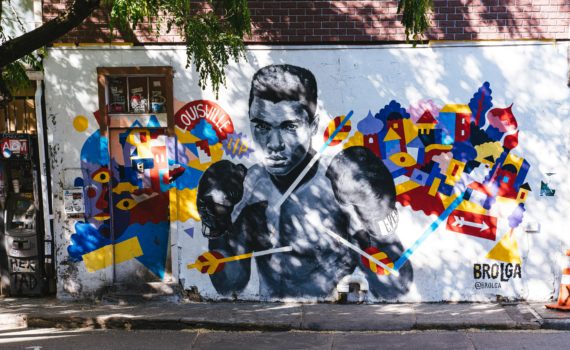
  • The Undisputed Champion, Muhammad Ali

    The Undisputed Champion, Muhammad Ali

    Photo by Nelson Ndongala vis Unsplash

    Muhammad Ali stood for something bigger than himself. His dedication to boxing and social activism glows as something we can all strive for.


    Ali grew up in Louisville, Kentucky, directly in the American South. He was originally named after his father, Cassius Marcellus Clay Sr. He changed his name to Muhammad Ali following his win over Sonny Liston in 1965. The People’s Champion, as he was nicknamed, was a strong advocate for African American rights, as well as a devout Muslim. He is the undisputed champion to all striving to accomplish something greater than themselves.


    Muhammad Ali started boxing at age 12. He lived with his mother, father, and his brother. His father painted billboards to put food on the table. Joe Martin, a Louisville policeman, took Ali under his wing after discovering him. At the age of 18, Ali stunned the world with a gold medal win at the 1960 Olympic games in Rome. 


    Ali would become known for his personality along with his in-ring ability. By the end of 1963, Ali amassed a record of 19-0 with 15 wins by knockout. Ali was knocked down twice, first by Sonny Banks and then by Henry Cooper. Both times he got back up and beat his opponent.


    Ali’s career hit new heights after his fight with Doug Jones. The fight took place at Madison Square Garden in New York City. This was Jones’s home city and he was greatly anticipated to win. Ali won in MSG by unanimous decision. 


    Following the fight, fellow boxer Sonny Liston quipped to the media that he would get locked up if he faced Ali. The two could not be more different. Liston was a boxing legend at this time, who had learned how to box in the Missouri State Penitentiary while serving time for armed robbery. Liston was the victim of racist attacks throughout his career. James Baldwin once remarked that Liston “had never gotten a break and was never going to get one.” 


    Ali, on the other hand, was 22 years old and already an Olympic champion. Ali had also developed his trash-talking ability. He called Liston a “big ugly bear” and added that “Liston even smells like a bear.” Ali’s pulse rate at weigh-in was measured at 120; twice his normal heart rate of 54. Nevertheless, Ali entered the weigh-in screaming, “Someone is going to die at ringside tonight” to mock Liston’s earlier comments about killing him. Some commentators wondered if Ali would show up to the fight at all.


    Liston rushed Ali upon the crack of the opening bell. Ali avoided him due to his superior speed. Ali hit Liston at the end of the first round, cutting his eye open. This was the first time Liston had ever been cut open by another fighter.


    Ali complained of burning in his eyes which has been suspected to have come from an illegal substance on Liston’s gloves. In the sixth round, when the substance had washed out of Ali’s eyes, he was able to land blow after blow. Liston went down in the seventh round, and Ali was declared the Winner by TKO. Ali’s following words echo in history:“Eat your words, I am the greatest! I Shook up the world. I’m the prettiest thing that ever lived.”


    Ali became the youngest fighter to defeat a defending champion, and in the process he became the world heavyweight champion. 


    Following the fight, Ali changed his name to Muhammad Ali. This was a spiritual transformation. He disregarded his old name as a “slave name” which was directly involved in the Trans-Atlantic Slave Trade. Ali would first change his name to Cassius X, inspired by Malcolm X, whom he knew. Ali converted to Islam and took the name of Muhammad Ali, which means Supremely Praiseworthy.  


    Ali successfully defended his title against Floyd Patterson in a fight that raged for 12 rounds. Patterson refused to call Ali by his chosen name.


    In 1966 Ali declared that he would not serve in Vietnam. The Louisville draft board conscripted Ali, which would make his service inevitable unless he refused to do so. Following his refusal to serve, the Illinois Athletic Commission refused to sanction his next fight, which was scheduled to be on March 29th, 1966, against Ernie Terell.


    Ali stated in his defense that he would refuse service due to religious reasons. Due to the Qur’an’s insistence that no war is declared unless by Allah or The Messenger. Ali also called out the racism rampant in the United States. Questioning if fighting a war in Asia was what was in the American people’s best interests, but also the world.


    Ali did show up for his scheduled induction into the United States Armed Forces. However, he refused to step forward when the officer called his name. Ali was then arrested, which prompted the New York State Athletic Commission to suspend his boxing license. The World Boxing Association would also strip Ali of his title.


    Ali, Jim Brown, Bill Russel, Carl Stokes, and Kareem Abdul-Jabbar met at The Cleveland Summit. The men came out of that meeting in support of Ali and his fight against conscription and injustice.


    Ali was found guilty after only 21 minutes. Ali appealed the case to the Supreme Court and was allowed to walk freely until the Supreme Court could see the case in 1971. 


    Ali became politically active during his exile from boxing. He was vocal in his continued opposition to the Vietnam War. Ali was treated with incredible harshness by the American media. Despite this, Ali’s popularity continued to rise.


    Ali was a part of an early computer-programmed fight. Ali and Rocky Marciano staged a fantasy fight to be shot and released to the public in theaters. Ali and Marciano at that time were the only undefeated heavyweight champions. Ali and Marciano sparred for 75-minute rounds. A computer then picked the winner based on data as well as the opinions of 250 experts. Ali would lose the fantasy fight in the 13th round in the American edition but won in the European edition of the film. 


    Ali made his return in August 1970. The City of Atlanta Athletic Commission granted Ali a license. He was aided by Leroy Johnson and Jesse Hill Jr. Ali’s first fight back would be against Jerry Quarry, which ended in a third-round win. In the follow-up to the fight, the New York Boxing Commission decided to follow Atlanta’s lead and reinstate Ali’s license. This would result in a fight against Oscar Bonavena at MSG. Upon Ali’s win, he was slated to fight the current heavyweight champion, Joe Frazier. 


    Frazier vs. Ali had tremendous hype leading up to it. It was promoted as the fight of the century. Many tuned in to see if Ali could regain his heavyweight championship, which was stripped following his refusal to be drafted. Both Frazier and Ali were undefeated at this point. Ali had 25 KOs with a record of 31-0. Frazier had 23 KOs with a record of 26-0. Unlike Ali, Frazier supported U.S. involvement in Vietnam, which pushed Ali to become a symbol for the anti-establishment public.


    The night of the fight, New York City was a circus. Policemen patrolled outside Madison Square Garden. People watch from across the world. Frank Sinatra took photographs that would be published in Life Magazine. Woody Allen waited outside, unable to secure a ticket. A young Nelson Mandela watched, sitting in prison. The whole world was watching.


    Ali would dominate the first five rounds, however, it would not last. After the sixth, Ali was visibly tired. In round eight, Fraizer was able to hit Ali with a clean left hook to his right jaw. In the ninth round, Fraizer caught Ali again. Ali fell to the ground, but he managed to get back up. Ali would get hit with another left hook before the round was over.


    Frazier scored in the lead heading into the 15th round. (7-6-1), (10-4-0), (8-6-0). Ali got hit with another left hook in the 15th. Ali’s jaw was noticeably swollen. He stayed on his feet for the remainder of the match. The judges scored the win for Frazier. This would mark Ali’s first professional defeat. Frasier would lose his title when he was knocked out by George Foreman 22 months later. 


    Following the match, Wilt Chamberlain, an NBA Basketball star, challenged Ali to a match. After Ali taunted the star with comments like “timber” and “the tree will fall,” Chamberlain decided to abandon the match. To replace Chamberlain, Ali got his childhood friend and former sparring partner, Jimmy Ellis, to fight. Ali would win in the twelfth round.


    Ali now had to define himself past being undefeated. He did lose a match, but that did not mean he had to stay a loser forever. He picked himself up and kept fighting.


    Ali won six fights in 1972. In 1973, Ken Norton broke Ali’s jaw and gave him the second loss of his career. Although he considered retirement, Ali won his second bout against Norton. He was then destined to face Frazier once more in Muhammad Ali vs. Joe Frazier II. 


    The fight took place at Madison Square Garden. Fraizer was caught off guard by Ali’s aggressive style and never caught up. Ali was able to successfully stay away from Fraizer’s left hook and punish him for all 12 rounds. Ali won in a unanimous decision.


    George Foreman was the biggest name in boxing at this time. He held the undisputed heavyweight championship. Ali, through his recent victories, earned the right to fight for the title. Foremen would defend his title in a fight remembered by the name “The Rumble in the Jungle.” This fight took place in Kinshasa, in the now Democratic Republic of the Congo, formerly Zaire. 


    Over 50 million tuned in on pay-per-view to see one of the highest anticipated boxing fights of all time. 

    Many thought Foreman would be the ultimate wall Ali would face. Foreman’s punch was one of the hardest in heavyweight history. No one thought Ali could beat Foremen except for Ali himself. Ali told David Frost, “If you think the world was surprised when Nixon resigned, wait until I whip Foreman’s behind!” Ali’s popularity in Zaire soured with him making more quips such as “I’m so mean I make medicine sick.” 


    The fight happened on October 30th, 1974. Ali opened the fight with right crosses in an attempt to disorient Foreman. This was a dangerous tactic, as Foreman’s greatest strength was his close-range haymakers. Despite this, Ali continued his aggressive tactic. At the end of the first round, Ali realized that he could try and get Foreman to tire himself out.


    Ali debated his rope-a-dope tactic by leaving him on the ropes and letting Foreman punch his arms. This allowed Foreman to spend extensive energy on ineffective hits. Ali would take every opportunity that opened to him to hit Forman in the face. Ali constantly put his entire weight on Foreman when they were locked in clinches. Ali continued to taunt Foreman during these cliches, encouraging him to throw more punches.


    Foreman became tired after Ali continued these strategies for several rounds. His face was increasingly damaged while Ali was still in good shape. An iconic moment was when Foreman punched Ali straight in the jaw and Ali responded, “Is that all you got George?” 


    In the Eighth round, Ali punched and landed several right hooks. A hard right straight caused Foreman to drop to the canvas. Although Foreman attempted to rise, referee Zack Clayton called off the fight. Ali led on all scorecards at the end of the fight, which was the most watched with a record estimated audience of 1 billion. 


    One of Ali’s next fights against Chuck Wepner would inspire Sylvester Stallone to create Rocky when Wepnet stunned Ali with a knockdown in the ninth round.


    Ali embarked on a third match with Joe Frazier in 1975 in Manila. Frazier had the upper hand in the first few rounds, however, due to Alii’s ability to take punches, he survived until the 12th round when Frazier started to tire. One of the blows that Ali landed cut Frazier’s left eye open. Ali dominated the 13th and 14th rounds. Frazier’s trainer Eddie Futch stopped the fight in the 15th round due to both of Frazier’s eyes being swollen shut. Ali considered retirement after this match due to the incredible punishment he had taken so far in his career.


    Ali would decide to not retire fighting several times in 1976. The fight against Richard Dunn on May 24, 1976, would prove to be the last time Ali knocked out his opponent.


    Ali tried to retire several times in the next years but always came back to the world of boxing. Ali’s longtime doctor quit after Ali refused to take his advice to retire. Ali lost his WBC heavyweight championship in 1978 in a fight against Leon Spinks. Ali won the rematch in Louisiana in front of 70,000 people. Ali became the first Heavyweight champion to win the belt on three separate occasions.


    On July 27th, 1979, Ali announced his retirement. This would be short-lived, as he wanted to win the belt an unprecedented 4th time. Larry Holmes did not want to fight Ali, as he worried about the state of Ali’s health. Future signs of his Parkinson’s disease had started to become visible, with trembling hands and his struggle with his vocal cords.


    Ali was fought next in Caesar’s Palace in Las Vegas, where he lost the fight by stoppage in the tenth round. Ali fought one more time in Nassau, Bahamas, against Trevor Berbick and lost a ten-round decision.

    Ali also fought an exhibition match against NHL player Dave Semenko on June 12th, 1983, which ended in a draw. 


    In 1984, Ali was diagnosed with Parkinson’s Syndrome, but this did not stop him from continuing to make public appearances. He served as a guest referee in the first Wrestlemania and lit the Olympic Torch in the 1996 Atlanta Olympics.


    Ali’s humanitarian work should not be forgotten when looking through his incredible boxing career. Ali donated millions to charity organizations and reached out to disadvantaged people of all religious backgrounds.


    One of his biggest focuses’ was on youth education, where he donated to the United Negro College Fund. Ali visited Africa extensively, including a Palestinian refugee camp in Southern Lebanon. He also participated in the Longest Walk in support of the rights of Native Americans. He joined President Jimmy Carter on a diplomatic mission to Africa to persuade African governments to join the boycott of the Moscow Olympics due to the Soviet Union’s invasion of Afghanistan. Ali later supported the reelection of Ronald Reagan in 1984.


    Ali’s Parkinson’s disease would eventually lead to a decline in his health and reduced public appearances. He worked alongside Micheal J. Fox to raise awareness and fund research. They both made a joint appearance in front of Congress in 2002. Ali’s work engorged thousands to donate to the Micheal J. Fox Foundation for Parkinson’s Research.


    Ali was hospitalized in Scottsdale, Arizona, on June 2nd, 2016, where he passed away at age 74.


    Ali was mourned by the world. Stations such as ESPN played nothing but coverage of Ali for hours. 

    Leaders such as President Barack Obama, Prime Minister David Cameron, Micheal Jordan, and Floyd Mayweather all made statements in his memory. The UFC mounted him in a lengthy video tribute during UFC 199. 


    Ali is recognized as the greatest boxer who ever lived. He was an inspiration to many to strive for something greater than themselves. He was a symbol of hope and perseverance which should never be forgotten.


    Ali will be honored in a musical named Ali which will debut at The Kentucky Center in his hometown of Louisville, and then move on to Broadway in 2025. 


    Muhammad Ali was awarded the Presidential Medal of Freedom in 2005 for his dedication to humanitarianism, boxing, and human rights. He will never be forgotten. 


  • Sunday Music in the Garden Room

    Sunday Music in the Garden Room

    Photo by Jefferson Santos via Unsplash

    Have you ever spent time in the Garden Room of the Irving Centre for a few hours of studying? A gorgeous room with floor to ceiling windows, high ceilings, soft, comfy couches – what a place to cram your head full of knowledge, with a nice hot drink from the bar in the hallway

    Concerts vary from classical piano to experimental performances. Among other performers, we have welcomed the thrilling marimba and cello duo Stick and Bow last Fall, as well as well-known actress and storyteller Shelley Thompson, who accompanied by the Blue Engine String Quartet.

    Each year we also welcome musicians touring with Debut Atlantic, an organization supports concert tours by emerging Canadian musicians throughout our corner of the country (www.debutatlantic.ca). We also host young performers who tour with Jeunesse Musicale (https://www.jmcanada.ca/en/). And last but not least (!), we host alumni and faculty from the Acadia School of Music.

    All concerts begin at 2 pm and last about an hour. And again, they are and always will be, completely free! How is that possible, you ask. It’s possible mostly thanks to the Acadia Alumni Foundation, which set aside funding for this series years ago. This core funding is amplified by individual legacies and by donations lots of fans.

    This coming Winter and Spring, we will host piano-violin Duo Cordelia on February 18. On March 17, we’ll welcome the world-renowned Amadeus guitar duo Thomas Kirchoff and Dale Kavanaugh. Then on April 7, we’ll have a solo piano concert by Wolfville-born pianist Walter Delahunt and on May 5 we’ll welcome recent Acadia School of Music graduates Edward Enman (piano) and India Gailey (cello) who will also play original compositions by Edward released their first CD last year.

    Follow our Facebook page to stay tuned: https://www.facebook.com/SundayMusicGardenRoom. We can be reached at [email protected]

  • Obituary – Leung, Vincent Wing Sum

    Obituary – Leung, Vincent Wing Sum

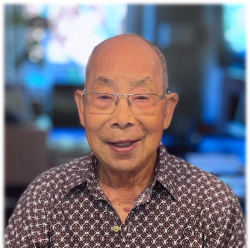
    Vincent Wing-Sum Leung, 87, of North Grand Pré passed away on Monday, January 15, 2024 in the Valley Regional Hospital Kentville, surrounded by his loving family. He is survived by his wife, Jean (Moore) Leung; three daughters, Janesse Leung, North Grand Pré; Jennifer Leung, Ottawa; Susan Leung (Glenn Uy), Toronto; and four grandsons: Theodore, Felix, Calisto and Essix.  

    Vincent was born in Hong Kong and graduated from Acadia University in 1964. He was a professor of mathematics at Acadia for 36 years and received the Award for Excellence in University Service in 1997.

    Vincent dedicated his life to serving others through teaching and leadership.  He voluntarily taught hundreds of people to canoe and led trips as the founder of ‘Canoeing-Out’. He taught dozens to play squash and coached youth soccer. In his 87th year, Vincent continued to tutor math and taught ESL classes. Even in his last weeks of his life, Vincent played squash twice per week, sang in the church choir, was a deacon, and was a proud member of the Kings County Squash Club.  

    Vincent worked tirelessly as the Board Chair of Kingswood Camp. He wanted the families and children of Nova Scotia to enjoy and experience summer camp. He was the Director of the Shad Valley Program for gifted youth and founder/director of International Christmas, a Christmas camp for international students who could not go home and would otherwise have been alone over the holidays. Vincent also served as the President of the Acadia University Alumni Association in his retirement. 

    Vincent will be remembered as a man of great integrity who found true joy in serving God and others. He had a relentless pursuit of excellence and a prowess on the squash court that was hard to beat. Vincent was a generous and loving husband, father and grandfather and will be remembered as

    a loving father figure to the many people in his community whose lives he touched. 

    A celebration of life, followed by a reception, will be held at 2:00 p.m. AST on Saturday, February 3, 2024 in the Wolfville Baptist Church. Reverend Doctor Scott Kindred-Barnes will be officiating. A video webcast will be available by visiting https://www.youtube.com/watch?v=5TuuFGTO1dk or www.whitefamilyfuneralhome.com.

    Donations in memory of Vincent may be made to any of the following: 1. Repairs of the North Grand Pré Community Church, 2. The Wolfville Baptist Church or 3. Kingswood Camp.  All donations can be directed and designated through the website of Wolfville Baptist Church at https://www.wolfvillebaptist.ca/. Funeral arrangements have been entrusted to the White Family Funeral Home and Cremation Services, Kentville. Online condolences and inquiries may be directed to www.whitefamilyfuneralhome.com.  

  • A Heavy Crown

    A Heavy Crown

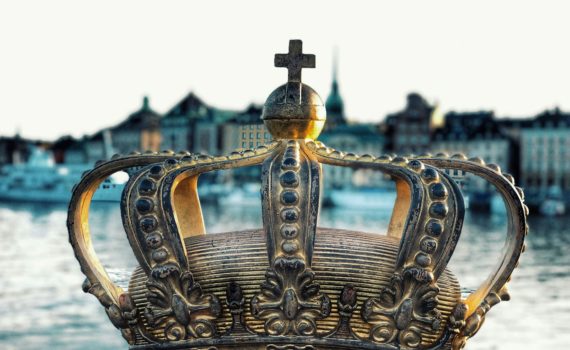
    Wyatt walked through the trail behind the castle. Wind blowing through his blond hair. Being alone he could forget about his prince duties. “It was stupid,” he thought “not being allowed to go out alone.’ That never stopped him, however, and has managed to get good at sneaking out… most of the time. It wasn’t long before he heard footsteps. He quickened his pace, unsurprised by this, but the person was faster. Nicholas Wyatt’s guard was assigned to him three years ago, after the last one quit. Nicholas stopped in front of Wyatt “What are you doing by yourself… and without your crown?”

    “Going for a walk, I didn’t feel like putting it on.”

    “You know you’re not supposed to leave without me.”

    “When, when will I be able to go out on my own?” Wyatt pleaded.

    “That’s not up to me to decide,” Nicholas said. 

    “I’m nineteen, I should be allowed.”

    “Remember a few months ago when you came back with a broken arm, people are still out to get you.”

    “I remember, but nothing has happened since.”

    “You never know what can happen.”

    “Can we go back to the castle now?”

    “Very well sir.”


       “I think it’s time,” Wyatt’s mother said.    

    “Time for what?” Wyatt replied.

    “For you to receive this,” she then passed Wyatt a sword.

    Wyatt picked up the sword examining the black and gold hilt. His eyes resting upon the red gem at the bottom. “This is father’s sword.”

    “We both decided, that with your unexpected outings, you should be able to defend yourself, we don’t want anything happening to the future king.”

    Wyatt’s eyes widened, “Does this mean I can go out on my own now?”

    “We would prefer if you took Nicholas with you, but we know how hard it is to prevent you sneaking out.”

    “Where are you going with this?”

    “You may go out on your own, this will be a trial,” Wyatt’s mother said. “The first time something happens Nicholas will guard you again.”

    Wyatt grinned, “Thank you, I will protect myself as much as possible.”

    “You will still have a guard at events.”

    “Of course.”

    “When you go out please be back before midnight.”

    “Consider it done.”


      Wyatt was sitting in a little tavern, casually willing his glass to move closer to him. He never gets tired of using his power. Looking around, he noticed a girl challenging people to a game of cards. That could be fun, he thought, getting up to sit at her table. 

    “Have you played before?” Aria asked. 

    “Yes, just never in a tavern, first time in one actually.”

    “You’ve been missing out,”

    “Do I look familiar?” Wyatt said quickly.   

     “No, why do you ask?”

    This was it Wyatt thought, a chance to be seen as more than just the prince. “Sometimes I get people saying I look familiar.” 

    “Oh… shall we start the game?”

    “Sure.”

    After a few rounds a crowd had begun to form around Wyatt and Aria.

    Aria placed her cards down first, “two torches and three gems, beat that”

    “I just might,” Wyatt said, placing three chalices and a dragon.  

    “You beat me, good game,” Aria said in disbelief, reaching her hand out to shake Wyatt’s. 

    “It was indeed a good game,” Wyatt said as he shook Aria’s hand.

  • An Interview of the President of Enactus Acadia

    An Interview of the President of Enactus Acadia

    What is Enactus’ main mission at Acadia?


    The main mission of Enactus is to create community impact and provide opportunities for students to gain skills outside the classroom. The club provides the knowledge to create community impact and student leaders,as well a space to learn skills you may not get in the program you are enrolled in. 

    This is a great opportunity for people in any major to get skills in leadership and communication, which are both very transferable. We fully support students in their growth. 


    What is Enactus doing to help food insecurity on campus?


    Last year we had a project on food sharing which was about eliminating food waste by rescuing food in raw form. We have expanded on that, by taking that donated food and buying ingredients to create free meals for students. We did this in partnership with the ASU food cover, because it is an expansion of what our program offers. There are a lot of different barriers which contribute to food insecurity for students. Things like time, skills, and energy are needed to make healthy meals. We hope to make this solution sustainable. We are looking at a bunch of different solutions and have been learning from students. We have introduced continuous ready to eat meal offers in the students’ union buildings union market. A frozen meal can cost between $1-6 spending on what you can pass. We have been testing this over the exam season. We have lots of meals left over which we will be trying to market again. The people who have tried it so far have been telling us how convenient it is. We want to provide the option to increase accessibility and good odds on campus. 


    Are there any initiatives we are most proud of ?


    That is out biggest ongoing project. The team was pretty dormant during covid. We had no previous ongoing projects when i started as president. The team has grown to almost 30 students, and we are still growing every week! We are hoping to be able to further grow our team too!. We were able to provide 400 free nutritious meal during the fall semester, we also hosted a student entrepreneur case competition. That was a great opportunity for students outside of the business program to work on a real business case, which was run by students. We got to help those students grow their business with the marketing plans other students came up with and also provide them with grant funding. We hope to expose more students to opportunities to learn about  entrepreneurship.


    Is there anything else you would like Acadia to know about Enactus?


    Enactus is part of a global network. We have a campus office, but it is a part of a global organization. This is an organization filled with students looking to make a difference in our communities. We had the opportunity to attend the Enactus world cup in the Netherlands. Next year it will be Kazakhstan. We have been able to be part of this huge network of students who are working to create an impact in their respective communities.

    Being involved opens so many doors. It is a recognized network across Canada. We have a lot of fun together as a team and do a lot of social events as well as travel opportunities. We got to attend events in Halifax, Toronto, and Montreal as well, which is a lot of fun and more than just work. 


    Thank you very much!


  • I 19(F) Have an Obsession with Reddit

    I 19(F) Have an Obsession with Reddit

    Photo by Erik Mclean via Unsplash

    I, 19(F), like many of you, share a peculiar fascination with Reddit stories. These narratives, characterized by their outrageous nature, permeate our YouTube, Instagram, and especially TikTok feeds. Reddit users, eager to share their experiences or seek advice, inquire about the opinions of perfect strangers on the internet which then allows us to supply harsh but not unwarranted feedback in return. Is that why Reddit has become so popular? When did we as people become addicted to hearing about the lives of others? Why is the desire for people to overshare on the Internet so appealing? I would wager; that Reddit has become this popular because of a societal premonition for gossip which the social media platform has become a breeding ground for.

    Reddit, as a social media forum, was launched in 2005 by American entrepreneurs Steve Huffman and Alexis Ohanian. They envisioned the platform as an outlet for users to find and submit articles from major news outlets, making them easily accessible. Instead of likes, Reddit has upvotes, which keeps the algorithm showing content users are interested in. Reddit consists of individual forums called subreddits that begin with “r/”. One of the most popular Reddit forums is “r/AskReddit,” where all the popular Reddit stories come on the scene. These stories will begin with “r/AskReddit: AITA…” followed by horrendous, even disgusting stories that often leave users irritated after fully reading them.

    In my research, I came across a Reddit forum that ironically uses the platform to explain to us why it is unique to other forms of social media. In the “r/theoryofreddit” subreddit one commenter credits the success of Reddit to word of mouth, as users would tell their friends about the platform over the years. In my case, however, I heard about the platform because I was a teenager who needed advice on dealing with my adolescence. For me, Reddit was an outlet to find a community of people who were going through the same things that I was. However, I believe that over the past few years, the platform’s popularity has grown because of the “Reddit stories.” Suddenly, my TikTok feed is now filled with Reddit accounts that share stories about cheating husbands and annoying family members. As someone whose life is kind of boring, these stories are now the highlight of my social media experience.

    Reddit exposes a fatal flaw in human nature, which is our need to gossip and to think that we are better than others. Remember Bridgerton and how enraptured members of the ton became to the scandalous new gossip column? The reason why Lady Wistledown became so popular is that the gossip was true information about other members of the ton. With that information, they were able to shun these unfortunates for their mistakes or misfortunes. Far from the 1800’s court of Queen Charlotte and into modern society, Reddit is a platform that makes us feel superior to other users. Comments of “well, if I was in that position, I would (insert condescending judgment)” or “well, if she did this, she would not be in that position in the first place” allow us to criticize the circumstances of these authors. In that way, we feel better about ourselves because in our minds we would never actually choose the choice present in those stories.

    Even so, the authors of these stories willingly put their shameful or traumatic experiences on

    the Internet for millions to comment on. If we are honest with ourselves, we know when a situation is ridiculous, and we know the answers to those problems deep down. Therefore, I can’t help but question the genuine nature of those who post on Reddit. Are they posting their stories for genuine advice, or are they doing it for social media likes? Fame is one hell of a drug, and many do and say ridiculous things to get their hit of it. While some genuine people on Reddit need advice, they are largely overshadowed by, in my opinion, social media junkies.

    I would wager this, while Reddit aims to be a community-driven platform, it has become a digitalized gossip column. While I can admit that I enjoy Reddit stories, I can’t help but also self-criticize my motivation to read them. In this way, I add to the overgrowing popularity of Reddit as a platform. To Reddit authors, I propose considering the genuine nature of sharing personal stories online. Are these narratives shared for sincere advice or is the allure of social media popularity the driving force? For those like me, who are obsessed with Reddit, consider this; do we as humans hold the moral authority to label someone as good or bad, based on their online confessions?

  • The Humanity of Acadia Football

    The Humanity of Acadia Football

    How does one characterize the game of football’s humanity?

    It could be chalked up to the brotherly chest bumps between teammates every whistle. That observation would hardly cause a rift. Understood by the sidelines, beyond the stands and through neighborhood bars as a hallmark celebration for how it embodies the game’s “pigskin and pads” devices.

    The sport with the largest number of rostered participants on Earth is a primary vessel by which a small college town is convened. Acadia Athletics made an Instagram post earlier this year that lauded the additions its varsity football head coach has been making for decades to his sport across Nova Scotia. The caption should have caught the eyes of Axemen, not only for its generous nod but for what can be further noted about his legacy to date. Binding his contribution to provincial borders misses the mark, frankly, albeit done in an accrediting spirit. At Raymond Field, his endeavors are locally harnessed, nationwide, professionally pedigreed, and medalled gold in Mexico – due to top-down progressions. They transcend the sport entirely in lessons of brotherhood and community, as evident in the coordinated water stations at CIBC Run for the Cure, door-to-door canvassing for the Alzheimer’s Society of Nova Scotia, and helping move students’ belongings into campus living quarters each September.

    The senior Axemen of this fall were spotlit at three o’clock on Saturday, October 21st. Football alumni, who may have pretended that weekend was their absent homecoming, came in droves. Months or years separated the familiar faces reassembled. While leaning over the railings dividing them from the Axetion unfolded, Axetion they once spurred, haphazard catch-up banter made about the months preceding slowly organized into that about events from the night before.

    To understand the humanity of football, let us fill the shoes of a local team’s head coach during the pandemic. (At Raymond Field, these may be a pair of white Nike Airs). From seventeen years spent instilling resilience in his players to the public obligation of sending his brawn home with the sniffles, a one-eighty leadership style was inflicted upon the Axemen the moment the pandemic began hindering our communities’ way of life.

    We can ballpark the blanketed responsibility at one hundred players and volunteer assistants, as well as separate hierarchies of athletic therapy units and recruiting personnel constrained by socially distant measures.

    Since the pandemic’s onset, Axemen leadership understood that more than football was at stake. In a final sit-down with players, before meetings were resorted to Zoom, it was coined “If you think I have ever hidden a stack of sticky notes in my office desk drawer as a pandemic response plan, that simply is not the case.” Several of the players whose names were called this October were in uniform on the former side of suspended play four seasons, or a pandemic lifecycle, ago.

    Prioritized in these times were the ever-altered educational trajectories of student-athletes, as evident by the record number of Academic All-Canadians produced by Acadia Athletics for the year regulation play was reintroduced.

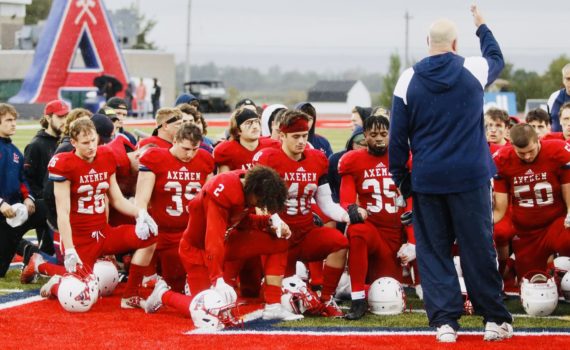
    On that Saturday, by the fourth quarter’s end, beyond the kneeling and clasped hands of

    their final huddle, the sun, shrouded behind gray overcast, set somewhere along Annapolis verdant hills. The twilight hour melancholized Raymond Field with the memories of another year wrought; and the future, as unpredictable as these last three years have been.

    If you aren’t prepared to serve, forget leading. — Coach Cummins, Acadia Axemen Football

  • Snakeskin

    Snakeskin

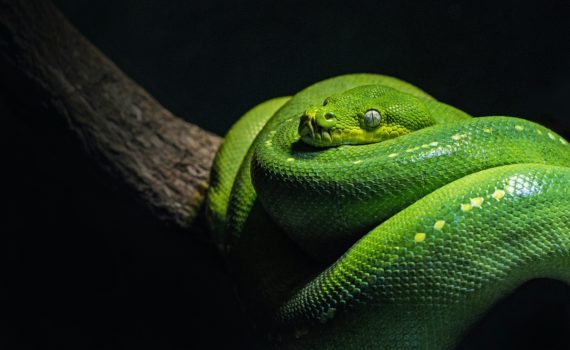
    He came in snakeskin

    And sat under my tree

    Told me what was outside of the garden

    And all that I could be

    Then he gave me an apple

    And tried to force it down my throat,

    With all the sweet, sweet lies he told


    I ate the snake

    And it tasted

    Like understanding

  • Canada on Two Wheels

    Canada on Two Wheels

    Prologue – Kiss of Death


    Here I am – gritting teeth as I climb the Trans-Canada Highway snaking through the high Rockies. With growling transfer trucks creating wind tunnels that ominously draw me into their 18 blade-like wheels, I am biking at the blurry intersection between life and death. Life is a precious gift, yet my subconsciousness tells me there are bigger things than life. Lungs oxygenated with crisp mountain air and eyes dead set at the snow-capped peaks, I know my adventure has truly begun.


    British Columbia – Beautiful British Columbia


    My west-to-east bike tour begins under the towering skyscrapers of Vancouver’s North Shore. Loaded with four panniers that carry camping essentials, clothes, electronics, and various documents, my bicycle, a hand-me-down MEC1971 from my colleague Bronwyn, maneuvers through the narrow exit of my apartment building. As a novel cyclist with just over a month of experience on the bike, I am convinced that it would be a miracle to even make it out of the Lower Mainland. As Murphy’s Law would have it, 20 minutes into the ride, I fall at a sharp turn underneath the Ironworkers Memorial Bridge and resort to securing my pannier hooks, which have disintegrated as a result of the fall, to the bike rack using my food bag cord. After struggles with my navigation system and detours around construction sites, I wave goodbye to Vancouver and arrive at the Sun Valley Trout Park in Mission, where I camp for the first time in life.

    At dawn, I pack my panniers and flick away the morning dew on my bike saddle – day one is now in the book. The mighty Fraser River takes me through serene farmlands scattered along the foothill of mountain ridges. Hope, a town of six thousand with clouds hovering its majestic mountains year-round, marks the point of no return as chickening out and back tracking to Vancouver would have been just as challenging as trudging forward. The road out of Hope towards Manning Park is, sarcastically, hopeless – one that is saturated with relentless, devilish climbs. I quickly find myself hiking my bicycle. On this windy stretch of the Crowsnest Highway, scattered spring melts create pockets of microclimate; snow piles decorate the base of pine trees. Above the snowline, Manning Park gracefully sits at the top of the Allison Pass, where the Sun casts its first golden tinge during sunrise every day.

    Exhilarating downhills from the Allison Pass and Sunday Pass take me to the heart of Princeton, where I am hosted by Kalevi, his daughter Stella, and son Simon. The Kalevis are my first WarmShowers host, sheltering me in their cozy living room as an intense thunderstorm unfolds outside. Amidst the intermittent lightning strikes, the Kalevis enchant me with their upbringing on the prairies and subsequent relocation to the Similkameen region of southern British Columbia through ranch work. “You are a friend unless proven otherwise,” Kalevi says, as he cracks open a can of beer. In the kindness of total strangers so far from home, I sleep safe and sound.

    Roadside fruit stands and timeless vineyards welcome me to the Sun-bathed Okanagan Valley. In my stopover in Kelowna, I have the pleasure to stay with Meaghan Hackinen, who sets world records in Time Trial 24 (TT24) Championships in 2019 and again in 2022. Wild-hearted, Meaghan’s two-wheeled adventures have taken her from Haida Gwaii to Mexico’s high plateaus, across Canada and the United States, and from North Cape to Tarifa along some of Europe’s highest paved roads. In 2022 alone, Meaghan clocked 24,000 kms on her bike, traversing an impressive array of 21 countries spread over 2 continents. Meaghan’s accomplishments are astronomical to me. Based on some of her adventures, Meaghan authored “South Away” and “Switching Gears,” bringing the ups and downs of ultra-endurance cycling to life. I would have never imagined that I would be sitting side by side with Meaghan and her family. Radicalized down to every nerve ending, I get the sense that it is the spirituality, freedom, simplicity, and self-sufficiency that incentivizes people like Meaghan and her family to embark on epic adventures. Even though I have just met Meaghan, her grits and outlook inspire me, lighting away the darkness of the road ahead and imprinting the big picture of life as I pedal through the breathtaking North American continent.

    Highway 97 takes me to the town of Sicamous, where I pitch camp beside flowing creek and sleep under night sky glistened with shining stars. Beyond Sicamous, the only way to enter Alberta is via the Trans-Canada Highway, spanning through snow-capped Rocky Mountains, throughout which there are no cell services. Completely alone, I must conquer my fear. Jamming to “Free” by Florence and the Machine, I bike through dark snowsheds, trek on steep hills, battle against fierce head winds, and sprint through construction sites alongside flying cargo trucks. Amidst the kiss of death, my heart is my compass; my body is my engine; freedom is my anthem. Alberta is just on the other side of the Rockies. Onwards.


    Full Journal Access (British Columbia):


    https://docs.google.com/document/d/1WjbAeWcRoY8xDonpPH7cxbyvTGTsYt5t5NpSjgMrLx4/edit?usp=sharing


    Flickr Album (British Columbia):


    En route to Keremeos


    Alberta – Wild Rose Country 


    Day 16, down from the Kicking Horse Pass along the Great Divide, I reach the sign of Alberta, a tearjerker moment. Dense forest fires ravaging Northern Alberta have spread and enshroud the majestic Rockies on the southern provincial border. At the HI Lake Louise Hostel, I befriend solo female travellers, Yoshi and Sohe, hailing from Japan and South Korea, respectively. We bond over our spontaneity, love of the unknowns, and curiosity for Canada. Even though we part on different days, we are all heading east.

    East of Lake Louise features a pristine stretch of highway 1A followed by Bow Valley Parkway, which is completely blocked off for cyclists every summer, and then Legacy Trail elegantly connecting Banff and Canmore. Canmore is a special locale, in fact, the inspiration for this trip. Mom and I have visited Canmore at least once every year since 2017. In September 2022, we each rented a mountain bike from Trail Sports from the Canmore Nordic Centre, getting on the saddle for the first time. It is during the 2-hour mountain biking session that I came up with the ludicrous idea of possibly cycling to the east coast. This time around, cycling into Canmore feels like cycling down the memory lane – I recognize that ever-familiar bagel store with colorful spoons on the 8th street, the historic coffee shop always looking out to the Three Sisters peak. Words cannot describe the spring of emotions I feel when coming here on a bike.

    The Rockies sit still. Against the backdrop of Three Sisters, I settle on a park bench near Quarry Lake, quietly watching as the Sun casts its final blood-orange tinge on the lake. Serenity sets in. I hold a great deal of gratitude for the mountains in front of me. Yet, their silence pierces through my eardrum, roaring with insurmountable strength only Nature can give.

    Day 21 marks my departure from Canmore and gradual descent to Calgary, the heart of Alberta. East of Canmore embodies the seamless amalgamation and a peaceful dialogue between the Rockies and prairies. The Trans-Canada Highway takes me through Strathmore, Brooks, and Medicine Hat, where oil rigs become common sights. In Medicine Hat, I am gifted three hearty bags of lunch with fresh fruits and salads from cafeteria staff at the Medicine Hat College to fuel up for the ride crossing to Saskatchewan – another testament to the whole-hearted kindness of total strangers. Notably, the most important lesson of it all is when people offer you kindness, instead of paying it back, pay it forward.


    Full Journal Access (Alberta):


    https://docs.google.com/document/d/1zUb1KOWMAFwncHyKtfv8zGit55-8Wr3fj5LV4QuoysA/edit?usp=sharing


    Flickr Album (Alberta):


    Quarry Lake during sunset


    Saskatchewan – The Land of Living Skies / Canada’s Bread Basket


    I roll into Saskatchewan on day 28 in far-from-ideal conditions, soaking wet, low blood-sugared, and possibly minutes away from a mental breakdown. The wild prairie head winds and merciless downpour give me a taste of the consequences of poor planning. At the hotel in Maple Creek, Receptionist Beata goes above and beyond in offering me juice and warm muffins, which I gulp down instantaneously. After a full day of restoration in Maple Creek, I hop back on the saddle, following the Trans-Canada Highway and pumping about 100 kms a day.

    Saskatchewan boasts some of the most spectacular farmlands in the country. With fields dotted with oil rigs, farmhouses, and canola flowers, Saskatchewan peacefully tells its story of the land of living skies. On the open road, I pass by hamlets in the vast wilderness, catch ground moles galloping and digging out of sight, and see transfer trucks carry gigantic mobile homes.

    The prairie has no ends, and neither does people’s kindness. In a breakfast restaurant on the outskirts of Regina, an elderly lady, upon hearing my story, offers me $20, which I could not accept. On my way to Indian Head, Cici, a lady at a local bar I happen to duck into for water, insists on buying me a can of pop. In Indian Head, retired teacher Sherry and husband Bruce warmly welcome me into their house, offering me the basement for a cool night of sleep as temperature in Southern Saskatchewan trends towards 40s.

    The Sun rises above the prairie plain at 5:00 AM. Listening to bird chirping and wheels spinning, I fall in love with the plain simplicity and very elements on which Nature thrives here. I sing to the grass along the highway. In no time, I am about to enter the Central Time Zone and the final prairie province – Manitoba.


    Full Journal Access (Saskatchewan):


    https://docs.google.com/document/d/1SngKbZMrD-YG3FZxd_LmcNNKn9tCK1QhS2516poSiHI/edit?usp=sharing


    Flickr Album (Saskatchewan):


    somewhere in SK


    Manitoba – Friendly Manitoba


    Compared to Saskatchewan, Manitoba presents denser woods, marshlands, and some of the harshest prairie storms in Canadian history. As a result of winter temperatures plummeting to 40 below 0, the Trans-Canada Highway in Manitoba is riddled with potholes and sharp stones, leading to many flat tires. Fixing flats on the side of the highway proves to be quite a mess. With the bike inverted, wheels off, panniers scattered along the highway shoulder resembling a crime scene, I squat down, strip the tire off of the burning hot tire rim with greasy, lube-stained hands under the scorching Sun.

    The next day, two cross-Canada cyclists and fresh Engineering grads from McMaster University, Adam and Joshua, catch me fixing flats on the side of the road. It is exhilarating to meet bicyclists travelling in the same direction after being alone on the prairie for weeks. Together, we ride towards Brandon, where I receive a tornado alert later that evening.

    Day 42 marks my entry into Winnipeg. Winnipeg’s city skyline looks out of place for the endless prairie scene. Modern skyscrapers and bustling city hustle snap me back to “reality.” Seeing couples holding hands and parents pushing strollers through Winnipeg’s downtown streets serves as a reminder to the somewhat distant life to which I bade farewell. Before I embarked on this trip, Winnipeg was deemed as my final destination in the most ideal situation, as biking across the entirety of Canada is too ambitious of a goal for me as a novice cyclist. With pride and excitement, I roar into the big city.

    18 kms east of Winnipeg, I pay a visit to the Geographical Centre of Canada sign in Taché, MB. Shortly afterwards, lush marshlands ensue. Horseflies chasing and swarming leave me out of breath and concerned for road safety as my bicycle zigzags along the highway shoulder, barely missing speeding semi-trucks. For the first time in life, I resort to hitchhiking, along with my bicycle, to shelter from the armies of blood-thirsty horseflies raging outside the car window.


    Full Journal Access (Manitoba):


    https://docs.google.com/document/d/1J-cmzJqGfb58HKiIwKqIbJ6Ce5bLPvGTeU4p7kiMXy8/edit?usp=sharing


    Flickr Album (Manitoba):


    Hargrave, MB


    Ontario – A Place to Grow


    Marked by windy highways through rocky hills, Ontario denotes the transition point from the vast prairies to rolling terrain, throughout which islands and lakes can be found. Unfortunately, encounters with horseflies continue to intensify. A combination of hitchhiking and cycling get me to Kenora, the Westernmost city in Ontario. Apart from the aggressive bug attacks, the treacherous 2,000-km Trans-Canada highway through Ontario is mostly two-lane, with narrow shoulders and heavy traffic. After entering Kenora, I decide to back track to Winnipeg and fly to Ottawa. Boxing my bike and sending it off to the airport is not glorious. Nonetheless, this experience teaches me the importance of quitting rationally, which is a value undervalued in society yet so crucial in many situations.

    Ottawa connects to Gatineau, QC, via bridges running parallel from Parliament Hill. In Ottawa, I cruise along scenic waterfront bike trails, and meet up with Meaghan prior to her race, before heading east towards QC.

    The ride from Ottawa to Montréal is quite the adventure. I take cover in people’s garages during an intense downpour. As rain subsides, I trek north, only to find myself without accommodation for the evening. In the moment of desperation, I go house to house, knocking on strangers’ doors. Eventually, Josie from Hawkesbury, the last Ontario town bordering Québec, invites me to pitch a tent in her backyard. It is heartening to see how people in every nook and cranny of Canada show trust and kindness to strangers like me in times of need.


    Full Journal Access (Ontario):


    https://docs.google.com/document/d/1l4mjuSrwjVbFI4adw_k57TpOv0TFanRzSpmcCCRFxPA/edit?usp=sharing


    Flickr Album (Ontario):


    Ottawa, ON


    Québec – Je me souviens


    Being the home of La Route Verte, Québec takes pride in its unparalleled cycling culture that permeates even the most remote towns and villages with state-of-the-art infrastructure and cyclist-aware motorists. In Québec, I meet many inspiring individuals and duos walking across the province. Particularly, a Swiss couple, along with their dog, are walking across Canada before heading south to Argentina.

    St. Lawrence River’s winding shore takes me right through the province, with the river always on my right from Montréal to Québec city and switching sides to my left from Québec city to Rivière-du-Loup. Strawberry stands, magnificent churches, and dainty ice-cream shops as well as cafés accompany me, accentuating the province’s strong European vibe. Northern Québec features many mountains and hills – a quiet retreat from bustling city scenes.

    Québec is also the province that I camp through and through, spending my time outdoors 24/7 in harmony with elements of nature. Importantly, in this special province, I hang out with my best friend, Dhara Patel, after over 3 years apart. To Dhara: Without you being my safety angel, who I can count on at any hour of the day, I would not have grown to become a better version of myself. Thank you for standing with me, rain or shine.


    Full Journal Access (Québec):


    https://docs.google.com/document/d/1pCwkiG5Zlq-Yx4BzI4SumcZYePRt0Wq1vIzJebtq5gU/edit?usp=sharing


    Flickr Album:


    Departed from Quebec City, heading to Levis.


    New Brunswick Hope Was Restored


    Day 64, with the pitter-patter sounds of rain, I make it to Atlantic Canada, losing another hour to the Atlantic Time Zone. Skid marks spilled onto the shoulder of the Trans-Canada Highway remind me of the unimaginable consequences of trucks losing traction on the wet asphalt. Thankfully, there were no incidents in Western and Central Canada – I am still upright.

    The close proximity of New Brunswick to the state of Maine (ME) piques my interest in crossing over to the United States. On a whim, I ride to the Madawaska (ME) point of entry, but only to find out that I lack the travel documents to enter the States. Picture taken, paperwork signed, I bring a white slip of refusal letter with me and ride back to the Canadian border. “Life well-lived,” I cheer myself on.

    The next few days of riding in the dense woods of New Brunswick bring me to dark creeks, steep hills, and encounters with guard dogs present in homes and families on quiet New Brunswick backroads. As I climb hills after hills from the northern (French) to the southern (mostly English) part of the province, I cannot help but appreciate the geological and anthropological diversity of Canada and the harmony distilled from such diversity.


    Full Journal Access (New Brunswick):


    https://docs.google.com/document/d/1SBlUSt8UVe90X3xg3VW9c78AD7J48Nc2rtXrAPPde9Y/edit?usp=sharing


    Flickr Album (New Brunswick):


    Trans-Canada in NB.


    Prince Edward Island – Birthplace of Confederation


    Prince Edward Island is a colorful paradise with red sand beaches surrounding the island and yellow patches of canola fields popping out of a green oasis of farmlands under blue-birdy sky. I bike through steep hills, picturesque backroads, and reach Brackley Beach that looks out to the Gulf of St. Lawrence, a prelude to the Atlantic Ocean. In my psyche, physical exhaustion has long creeped in, devouring my leg muscles, one fibre at a time. Unwilling to give in to the urge to stop, I drift soullessly on lonely cropland, inching bit by bit to the edge of my next province – Nova Scotia.


    Full Journal Access (Prince Edward Island):


    https://docs.google.com/document/d/1yzUVl4Yp_KeKgQ_v-dDap4ZpGQ8C0MjAgLxUoAsvTkk/edit?usp=sharing


    Flickr Album (Prince Edward Island):


    Foggy PEI farmland


    Nova Scotia – Canada’s Ocean Playground


    After getting off of the PEI-NS ferry in Caribou, NS, I am only 158 kms away from Halifax. Do I claim an easy victory by straight lining to Halifax? Halifax is my comfort zone, a home-away-from-home, and a special locale where I grew so much and found my calling in teaching, a key motivator for me to quit my PhD at UBC and head back to the East Coast to start from the ground up at 24 years old. Is my adventurous spirit worth knowingly stripping myself from this much-longed-for comfort, this sense of belonging, especially after 74 days of continuously living on the bike, camping in the heat, suffering from sunburn rashes, being covered by bug bites and chain marks, battling hilly rides amidst thunderstorms on gas station food, and then putting myself through yet another road of uncertainty, physical, and mental hardships? I am hesitant to say YES to this question. But, I MUST NOT say no. Clearly, growing up with an adventurous, single mother who has made bold decisions in life has shaped me – I can picture my mom telling me to keep going. She is my North Star from Day One, a steadfast cheerleader. Therefore, I knew the answer, that is, to take the 3rd roundabout at the intersection in New Glasgow, NS – as opposed to going down South to my comfort zone – bringing my bike to Newfoundland and finishing the country – the second largest country on the Earth, solo. I am changing my plans once again, but for the last time – final destination: Cape Spear, the easternmost point of North America.

    Indeed, as promised, I make the right turn. GPS dot shows that I am getting farther away from Halifax but closer to the northeastern tip of Cape Breton Island (North Sydney, NS), where the Newfoundland-bound ferry is located.


    Full Journal Access (Nova Scotia):


    https://docs.google.com/document/d/1NlpHSs4oNjfbFUBcIn1jIvxnYYDb0ZsoZUHyCA24u8w/edit?usp=sharing


    Flickr Album (Nova Scotia):


    Sunrise over the Atlantic


    Newfoundland and Labrador Quaerite Prime Regnum Dei


    Off a 16-hour ferry to Argentia and deprived of sleep, I give my all to the road, making it to St. John’s, the easternmost city in Canada, on a fully loaded bike in one day. After passing by wild lavenders and numerous ponds with soul-gazing blue water, I arrive in St. John’s, a city living on the edge of the Atlantic Ocean and decorated by colorful houses juxtaposing one another.

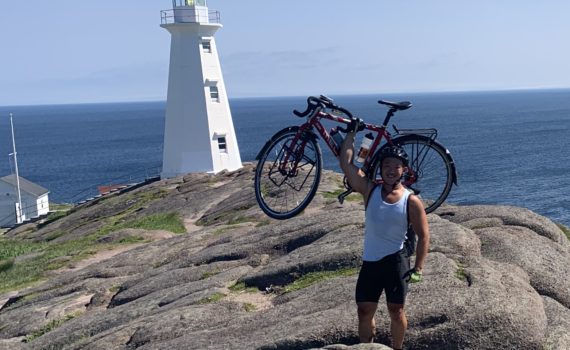
    Cape Spear is less than 20 kms away from St. John’s. On Day 81, I set off to climb the Cape Spear Drive. With an elevation profile of 425 metres one way, the tortuous climb up makes every fibre of my leg muscle scream. On the final stretch of this cross-Canada bike trip, I think of Mom again. It is about 8:30 PM Beijing time, accounting for the time difference; she must be doing her daily 5-km run now (she made it a habit to run 5 kms every day since May this year, only taking rest days when she travels). My mom raised me and watched me grow up all by herself. Even though I grew up single-parented, I never felt like I was missing out. This is because Mom had to shoulder the responsibilities of being a mom and dad at the same time. She had to play both roles. In essence, my mom exemplifies my ultimate role model in life – wise, persevering, tough yet compassionate, and, by all regards, the-odd-one-out. She taught and continues to teach me it is okay to be scared; it is okay to feel uncertain; and it is absolutely alright to live life without regrets. I pedal with teary eyes, until the contour of the Cape Spear Lighthouse becomes the dead centre of my vision field. Free as birds, I sing with Canada on my back, bike by my side.


    Full Journal Access (Newfoundland and Labrador):


    https://docs.google.com/document/d/10l6UXWB_COi8xr4JP6xVb5V1J6TfK7uNv4ASLpToMxY/edit?usp=sharing


    Flickr Album (Newfoundland):


    Argentia, NL


    Besides the heart-warming humanities and stunning nature unique to Canada, this coast-to-coast solo bike trip offers many lessons that can be applicable to life ahead. Here are some of them:


    Shoot for the moon. Even if you miss, you will land among the stars.


    Days on the road trump those spent making materialistic gains. Throughout this 81-day journey, I was unemployed; however, this adventure is endlessly fulfilling and one that I will cherish for the rest of my life.


    Less is more. Living on the bike, I have no other needs than surviving. Everything I bring, I end up using. Minimalism is a wealth of choice.


    The most difficult situations require the

    simplest answer – that is, just follow your heart.


    Spontaneity is a plan in and of itself.


    Maybe, at the end of the day, all you need is a good playlist.


  • The story of Maud Lewis, a beloved Canadian folk artist

    The story of Maud Lewis, a beloved Canadian folk artist

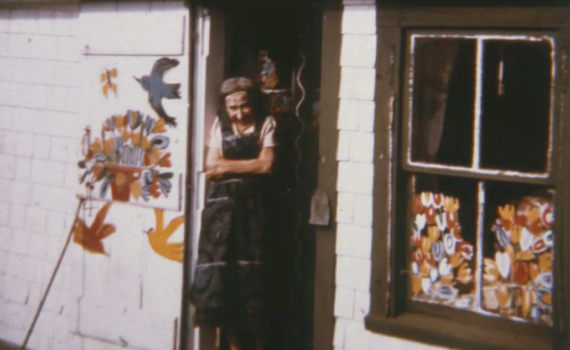
    Maud Lewis in front of her house, 1961. Photo by Cora Greenaway. Courtesy of the Art Gallery of Nova Scotia.


    Her story begins on March 7th, 1901. Born in the Yarmouth hospital, Maud Lewis grew up in south Ohio. Lewis was born with such a rare condition that doctors had not diagnosed it in her lifetime. This condition caused her to be frail and small, have sloped shoulders, a spine that was curved, and a recessed chin. She grew up as the only daughter with an older brother. Because Lewis’s father was a blacksmith, her family was fortunate enough not to have lived in the poverty of the area. 

    Early on in Lewis’s life, she learned to paint, a skill she would later come to love. In 1914 her family moved to Yarmouth, Nova Scotia. Her brother was a manager of the theatre, her father ran a harness store. Lewis lived a happy life, but because of her condition, she got bullied during her youth. In the early 1920s, Lewis began selling Christmas cards and trays she painted. She first started going door to door with them, then a friend and a local businesswoman sold her paintings and painted trays. In the early 1930s, she painted commercial illustrations, where her first illustration looked similar to some of her earlier paintings. Into adulthood, Lewis was still living at home with her parents and was with a man named Emery Allen. She gave birth to a daughter, Catherine Doowley, in 1928. After Catherine’s birth, Emery left Lewis, and a couple years later, her father died in 1935, and, in 1937, her mother died. She lived with her brother until her aunt in Digby took her in. In 1937, a man named Everett Lewis put up signs looking for a housekeeper. Lewis replied, changing her life. 

    Although they did not click right away, the pair eventually fell in love. By 1938, they were married. On their wedding day, Everett claimed to be thirty-four although he was thirty-six. Maud eventually moved in with Everett. They lived in a small twelve-square-foot house. She and Everett were impoverished. Eventually, it came to the point where Lewis was incapable of doing chores. Due to her worsening arthritis, her hands started to get worse, eventually curling up into sealed fists, along with that she had neck and back conditions. Those conditions made her have a hard time lifting things that were heavy or prevented her from being able to climb stairs. As time passed, Lewis began to start painting again. Her paintings showed scenes from her life in Nova Scotia. These paintings included oxen, sleighs, carriages, cats, and other things. She also began to sell her paintings. She even painted her house. She painted pictures on nearly everything inside and outside of the house. She painted things from the walls to the stove and even the dustpan. Everett made sure to keep her paintings he eventually ended up putting Lewis outside to paint near the highway. His idea was that people would go by and take pity on her, and be more likely to come in to buy stuff. Everett eventually lost his job as a watchman, this caused him to make Lewis paint more. The more she kept painting, the worse her arthritis became. Despite her health conditions, Lewis’s art always managed to uplift her spirits, and so she continued to create.

    In the last five years of Lewis’s life, her art began to become internationally famous, even being talked about on CBC there was even an article written about her in the Star Weekly. This article did so well that the demand for Lewis’s paintings rose. While living her final years, she had a hard time completing all the paintings people wanted. This led to Everett helping her out, at one point he even made stencils for her of the things she liked to paint. In order for Lewis to have more space to paint, she ended up working by the house in a trailer, however, in 1970, Lewis died in the hospital due to pneumonia, and had been buried in Marshalltown, whileher husband Everett, was murdered nine years later, because of a break-in. Today, the house she painted can be seen on display in a museum in Halifax. As Maud’s life came to an end, her paintings and story will continue to live on for years to come.  

  • Donald Trump continues to be taken off Presidential ballots.

    Donald Trump continues to be taken off Presidential ballots.

    Photo by Markus Spiske via unsplash

    Former President Donald Trump has been speedily taken off ballots ahead of the 2024 election.

    Maine and Colorado have both decided to remove Donald Trump from their ballots. 

    Some see this as an anti-democratic move, while others reference the danger Donald Trump poses to American democracy.


    There have been challenges to Trump’s candidacy in 32 states so far. 

    Colorado has stated the 14th Amendment as justification for disqualifying Trump in their Presidential ballots. 

    The 14th Amendment was ratified after the Civil War. It states that officials who take an oath swearing to define the constitution of the United States are disqualified if they engage in insurrection or give aid or comfort to insurrectionists.

    Colorado is no doubt referring to the January 6 attack on the United States Capitol. Donald Trump egged on his supporters to storm the capitol in an attempt to overturn the 2020 Presidential election, where he lost both the electoral college and popular vote.


    The goal of the insurrectionists was to prevent a joint session of Congress from counting the Electoral College votes, which would formalize President Joe Biden’s victory.

    Trump made multiple false claims about the 2020 election being stolen, and during Trump’s Save America rally, he repeated these claims. Immediately following the rally, thousands of supporters walked to the Capitol, breached Police barricades, and stormed the building while Congress was in session. 

    More than 2000 rioters entered the building, including Proud Boys and Oath Keepers militia groups. This incident resulted in 9 deaths, assaults on at least 174 police officers, and extensive damage, which would cost over $30 million to repair. 


    The Colorado Supreme Cout was not alone in barring Donald Trump from being eligible to appear on their Presidential ballots. Maine became the second state to disqualify Trump from their ballots. Maine Secretary of State Shenna Bellows concluded that Donald Trump is guilty of inciting an interaction when he engaged in spreading false claims of voter fraud surrounding the 2020 election. 

    Meanwhile, in Michigan, the state’s Supreme Court has denied a request to disqualify him from their ballots. The court has stated they will not hear an appeal of lower courts that sought to remove Trump. 


    Donald Trump has called this ruling a “pathetic gambit”. Donald Trump so far has been criminally indicted four times and will attend more trials as he heads into 2024. 

    Trump turned himself into Fulton County Jail on the 24th of August due to his involvement in a 41-count indictment for alleged attempts to overturn his 2020 election loss. 

    The smoking gun was Trump calling Georgia’s top election official and asking them to “find 11 780 votes “. 


    As a consequence, Trump was hit with 13 criminal counts, which includes a violation of Georgia’s Racketeering Influenced and Corrupt Organizations Act, commonly known as Rico. 

    In a separate federal investigation, Trump has been criminally charged in efforts to overturn the results of the 2020 Presidential election. 

    The 45-page indictment includes conspiracy to defraud the United States, Conspiracy to obstruct an official proceeding, 

    These actions have had long-term consequences. A group called Project 2025 aims to finish what Donald Trump started. This project seeks to defund the Department of Justice, dismantle the FBI, Break up the Department of Homeland Security, and Eliminate the Departments of Education and Commerce. They also wish to give the President total power over agencies such as the Federal Communications Commission. 

    Their plan to reshape the United States Federal Government also aims to recruit thousands of Conservatives to replace existing federal civil service workers, which would politicize the civil service and target the boogeyman, which some MAGA Republicans call the ‘Deep State”.


    This plan takes inspiration from the Unitary Executive theory. The Unitary Executive theor is about U.S. constitutional law, which proposes that the President of the United States possess total power and control over the federal executive branch. 

    The first administration to explicitly reference the theory was the Reagan administration. George W. The Bush administration included the Unitary Executive Statement as a standard feature of signing statements. Bush’s willingness to overrule US courts was heavily criticized during his administration.


    The worrying trend of extremism and polarization in United States politics has had effects on Canadian democracy as well as deteriorated trust in American democracy. No doubt taking inspiration from January 6th, where the Freedom Convoy occupied downtown Ottawa for over a month in the beginning of 2022. Conservative leader Pierre Pollievre has politicized independent government institutions such as the CBC and the Bank of Canada. 


    Hopefully, Canadians and Americans alike realize the importance of democracy and stand by it during these worrying times.

  • Wolfville Vintage Market Returns to Acadia on Saturday January 13th.

    Wolfville Vintage Market Returns to Acadia on Saturday January 13th.

    Photo by Clem Onojeghuo via Unsplash

    Acadia students will be delighted to hear that the Wolfville Vintage Market is returning on January 13th.


    The market will be held at Acadia’s Student Union Building from 11 am-6 pm with free admission.


    The event will host 20+ of the best vintage/antique vendors in Nova Scotia.


    There will be a variety of items available such as vintage clothing, retro video games, vintage cameras, and much more.


    We hope to see you there! 


Betzillo positions itself as a versatile gaming hub where structured bonuses and adaptive gameplay mechanics support both short sessions and extended play.

Built with a focus on innovation, Spinbit integrates modern casino architecture with rapid transactions, appealing to players who value speed and digital efficiency.

Ripper Casino emphasizes bold entertainment through high-impact slot titles and competitive promotions crafted for risk-oriented players.

A friendly interface and stable performance define Ricky Casino, offering a casual yet reliable environment for a wide spectrum of gaming preferences.

King Billy Casino channels classic casino spirit into a modern platform, delivering recognizable themes supported by contemporary reward systems.

Immersive visuals and layered slot mechanics are at the core of Dragonslots, creating a narrative-driven casino experience.

Lukki Casino appeals to players seeking direct access and minimal friction, focusing on fast loading times and intuitive controls.

Casinonic provides a structured and dependable gaming framework, blending modern slots with transparent operational standards.