Category: Science

  • Water traced on Moon: Another Achievement by NASA

    Water traced on Moon: Another Achievement by NASA

    For a long time, the moon has been thought of as waterless, though recently, numerous researchers have discovered water in some parts of the moon. New observations by the SOFIA telescope and Lunar Reconnaissance Orbiter by NASA reveal traces of water in some small dark craters as well as sun-baked lunar soil. Earlier large shadowed craters were thought to be a significant source of water storage.

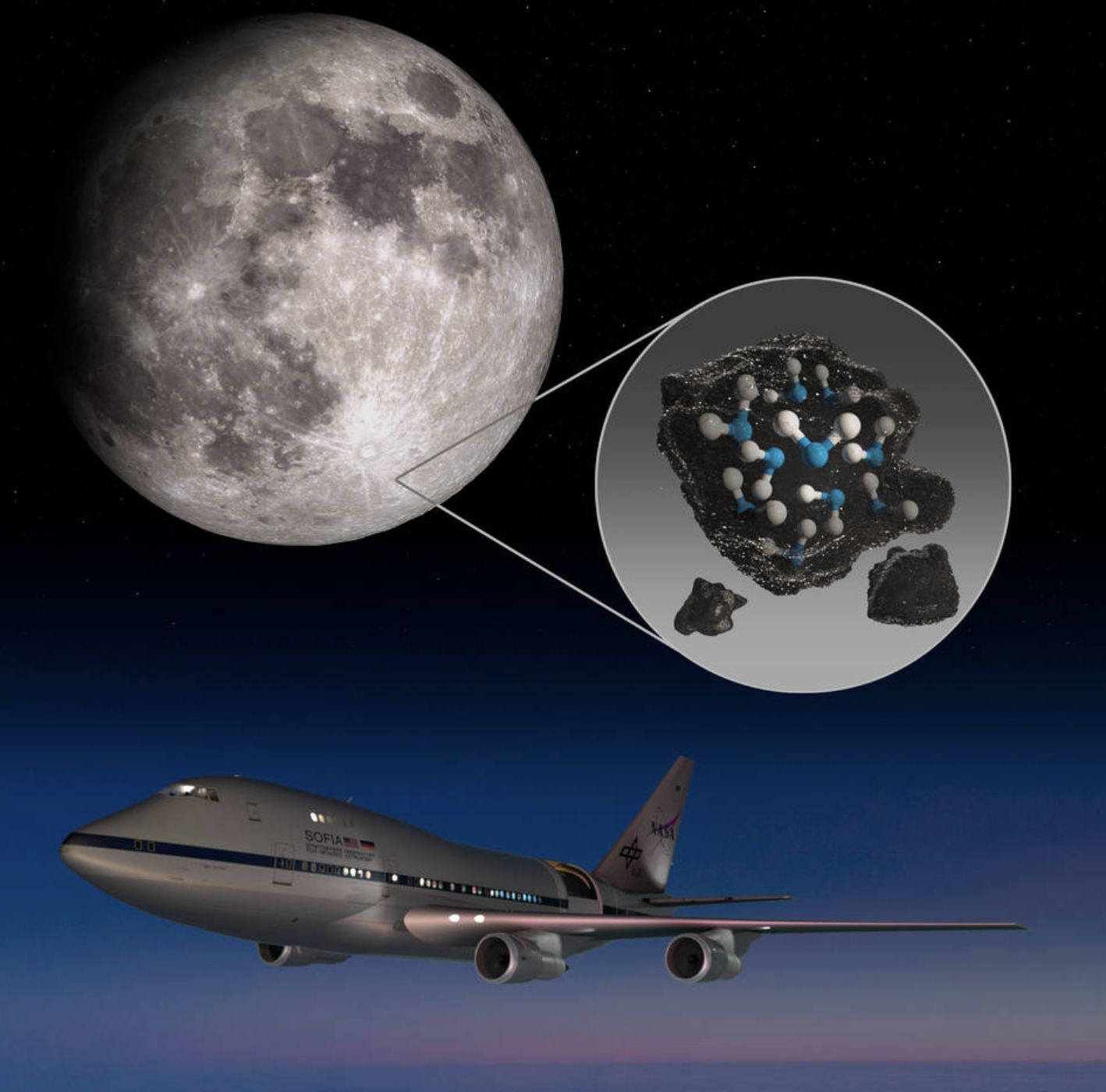
     This discovery has proved itself to be a milestone in the mission to discover possible life on the Moon. SOFIA is a very innovative and unique approach by NASA in the field of lunar science. SOFIA- Stratospheric Observatory for Infrared Astronomy, is a modified Boeing 747SP jet which gives its telescope, which is 2.7 meter, a view above 99% of the atmosphere’s obstructive water vapor which helps in more precise observations.
    NASA’s SOFIA confirmed the presence of water on the sunlit surface of the Moon.
    Water molecules were detected on the Clavius Crater located on the southern hemisphere of the Moon, which is one of the largest craters visible from the Earth. Previous research and missions towards the Moon have revealed hydrogen molecules but some were not able to spot the difference between water (H 2 O) and hydroxyl (OH) since hydroxyl is a close chemical relative of water. The data from the location (Clavius Crater) has revealed the presence of a water concentration equivalent to 12-ounces of water trapped in a cubic meter of lunar soil which is
    spread throughout the lunar surface.

    The observations on the 10-minute span focused merely on the region in the southern hemisphere of the moon since it is the largest crater (Clavius) which revealed a very strong emission of infrared rays with a wavelength of six microns. The area warmed by the Sun was reemitting the absorbed radiation exactly how water (H 2 O) would.

    The researchers who led the project at NASA, also said that they aren’t familiar with any other material on the Moon that can emit single feature rays at 6 microns other than water. It is thought that the water might be stored in either the naturally occurring volcanic glass or is that it is between microscopic grains of rock dusk, in which case it suggests that it is getting shielded from the extreme conditions on the Moon’s surface, that is, high temperature and vacuum conditions. This would allow water to persistently exist, though there are no further answers to how water came to be there in the first place. The assumption is that water could have formed by the free oxygen and hydrogen which are liberated from the lunar rocks by the impact of the micrometeorites.
    Earlier in 1969, observations by astronomers G.R. Hunt and J.W. Salisbury, show how much they focused on the characterization of minerals on the lunar surface instead of water, despite noticing the spectral emission, not realizing their huge discovery.

    Now the Astronomers and scientists are planning to map the vast lunar surface in order to get some answers to questions concerning the characterization of the behavior of water, a variation of water behavior across the lunar surface in accordance with specific days, latitude, etc., source of water, etc. There are also some doubts within this discovery that this might also be just weak bonding of solar wind hydrogen with oxygen at the surface of grains of silicate glasses and minerals in the regolith as per Jack Schmitt who is a geologist and member of Apollo 17’s crew
    who are the last astronauts to have walked on the moon.

  • Mystery of Black hole and Milky Way: Nobel Prize in Physics in 2020

    Mystery of Black hole and Milky Way: Nobel Prize in Physics in 2020

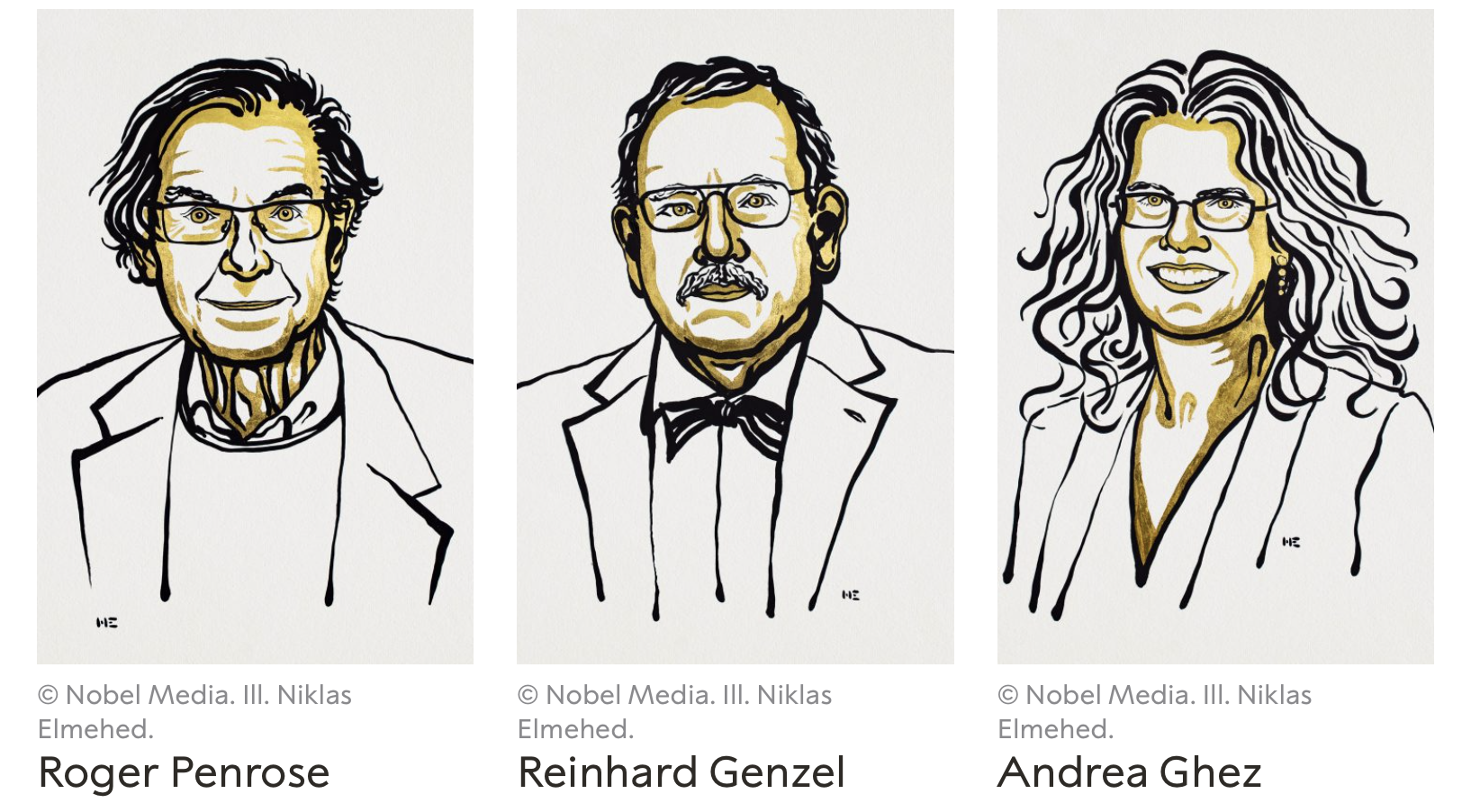
    The Nobel Prize in Physics this year was shared amongst three laureates for their discoveries concerning one of the most searched mysteries in the Universe, the black hole and the Milky Way. Roger Penrose, one of the three Nobel prize Winners proposed the general theory of relativity leads to the formation of black holes. The other two winners, Reinhard Genzel and Andrea Ghez found out that there is an invisible and extremely heavy object governing the orbits of stars right in the centre of our galaxy, The Milky Way. The only known explanation currently is that it is a black hole.

    Roger Penrose was born in 1931in Colchester, UK. He received his PhD. In 1957 from the University of Cambridge and is now a Professor at the University of Oxford.

    Reinhard Genzel was born in 1952 in Bad Homburg vor der Höhe, Germany. He got his Ph.D. in 1978 from the University of Bonn in Germany. Director at Max Planck Institute for Extraterrestrial Physics, in Garching, Germany, He is currently Professor at the University of California, Berkeley.

    Andrea Ghez was born in 1965 in the city of New York, USA. She received her PhD in 1992 from the California Institute of Technology, Pasadena, USA. She is currently a professor at the University of California, Los Angeles, USA.

    The total prize amount was 10 million out of which one half was given to Roger Penrose and the other half was subsequently split between Reinhard Genzel and Andrea Ghez.

    Roger Penrose proved that black holes are a direct consequence of Albert Einstein’s general theory of relativity using mathematical methods, which is pretty fascinating since Einstein himself did not believe in the existence of black holes. Black holes are thought to be heavyweight monstrosities that engulf everything which enters them, not even light can escape a black hole. Dr Penrose proved that black holes can form in reality and he described them in detail in his ground-breaking article which is considered as one of the most essential contributions to the theory of relativity, post-Einstein.

    Reinhard Genzel and Andrea Ghez each had a group of astronomers that they were leading since the early 1990s which focused on a region called Sagittarius A* at the centre of our galaxy. The orbits of the brightest stars which are closest to the middle of the milky way were mapped with increased precision. Both the group’s measurements match in terms of findings, both of the groups found an extremely heavy, invisible object that pulls on the jumble of stars which causes them to run around at dizzy speeds. There are around four million solar masses which are packed together in a region which is as big as our Solar System.

    Using the World’s largest Telescopes, Reinhard and Andrea came up with methods to see through the huge clouds made of interstellar gases and dust which come between the centre of the milky way and hinder our vision of it. The refined new techniques to compensate for distortions caused by the Earth’s atmosphere. They built unique instruments to carry out this process which has given the world one of the most convincing evidence of a supermassive black hole at the centre of the Milky Way.

    This year’s discoveries have decidedly broken new ground in the field of compact and supermassive objects. These new discoveries have created more questions to be answered and have generated the future potential for further research. It is very impressive to see how Laureates have pushed the concept forward and how they have gotten closer to deciphering of one the greatest scientific mysteries of all time.

  • Psychology is weirder than you thought

    Psychology is weirder than you thought

    When many people think of psychology, there is an immediate mental image of a client on a couch and a therapist with a hovering speech bubble asking, “and how do you feel about that?” Numerous studies over the years, have examined misconceptions of psychology. One such misconception is that psychology is not a science. After all, as humans, we tend to gain confidence in our abilities to understand and predict the behaviour and mental states of others – simply based on our lived experience. And fair enough, but there must be more to it…where does the science come in?

    Whether you want to understand treatment effectiveness, why people develop certain fears, or simply why people persist in actions that cause themselves or others pain, there is an experiment, a study, or most likely an entire academic journal, providing insight based on, well, science.

    Most definitions of “science” will include the word systematic. That is, it is an ordered system under which researchers operate to formulate scientific laws and theories. Given that science requires evidence and critical exposure to scrutiny, it can be tempting to assume it is unbiased. It would be nice if that were true!

    In the case of psychology, some have argued that the discipline has inadvertently presented a skewed view of the human mind. A popular University of British Columbia paper asserted that although a significant portion of the discipline’s trusted research is drawn from Western, Industrialized, Educated, Rich, and Democratic (WEIRD) societies, this population represents a “thin, and rather unusual, slice of humanity.”

    That is, people who grew up in so-called “WEIRD” societies often act, think, and process quite differently than people who grew up in other areas of the world. If you step back from the science lens for a moment and think instead about your personal experience, this is an obvious point.  Whether by watching the news or by engaging with people from different backgrounds, it is apparent that despite our shared humanity, there is significant diversity in behaviour, thinking, and perception.

    In fact, some studies have demonstrated how “WEIRD” subjects tend to be outliers on domains such as visual perception, fairness, and cooperation when compared to subjects from other societies. For example, certain optical illusions that tend to fool people from industrialized contexts do not have the same effect on those who grew up in rural, nonindustrialized contexts.

    This is not to suggest that the aim should be to pit certain groups against one another. A pertinent word of caution, given a bleak history of some scientists seeking to bolster racist, xenophobic sentiments by positing differences between groups that were not backed by evidence. Rather, it is an assertion that research should account for nationality, class, gender, sexuality, race and other identities so that the bulk of psychological insight is not purely derived from a narrow dominant cultural lens.

    A 2018 study examined the geographical diversity of samples in research published in three 2017 issues of Psychological Science, a leading academic journal – and the results were staggering. Not a single study sampled people from Africa, the Middle East, or Latin America, and less than 7% sampled people from Asia, leaving the vast majority of those studied from “WEIRD” societies. So, almost 85% of the world’s population comprised less than 7% of the samples in this leading journal. Researchers tend to acknowledge the extent to which their research can be generalized, but the issue is that when the majority of research shares the same lack of generalizability, at some point, those findings when replicated enough, generally become accepted as the norm.

    The bottom line is that yes – despite misconceptions, Psychology is a science. But perhaps the greatest misconception of all, is one that is taken for granted, even among many at the top of the field. Psychology is the study of mind and behaviour, but until deliberate steps are taken by the field as a whole, the picture that the discipline paints of the human experience is limited at best and flawed at worst.

    Note: This article was produced for our Black and Indigenous print edition from March 2020. The edition was postponed due to COVID-19 and is just being released now.

  • Discovery of Hepatitis C: Noble Prize in Medicine/Physiology 2020

    Discovery of Hepatitis C: Noble Prize in Medicine/Physiology 2020

    It’s October, which is also known as the Nobel Prize season amongst scholars. The Nobel prize winner’s announcements began on Monday, October 5th, 2020, with the Physiology and Medicine category. The announcements began in Sweden, though due to the ongoing pandemic, some events usually organized by the Nobel Prize committee were cancelled.

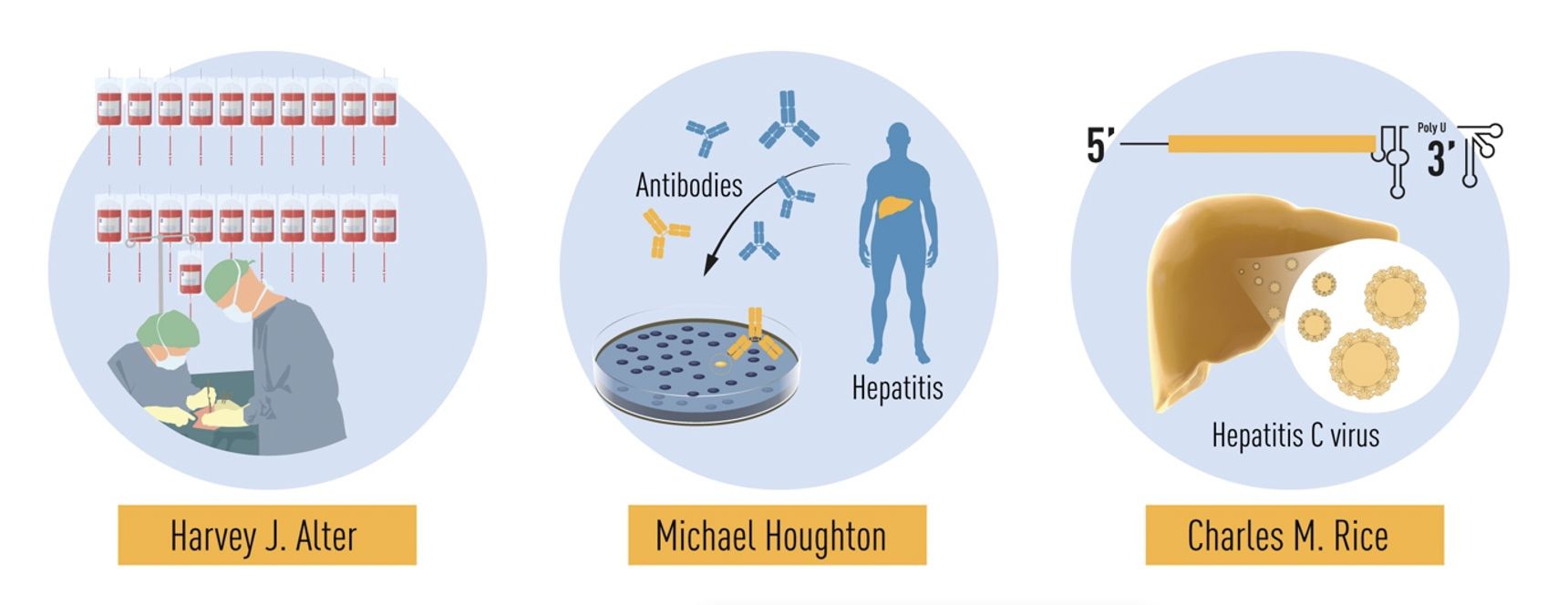
    This year’s Nobel prize winners for the category of Physiology or Medicine were Harvey J. Alter, Michael. Houghton and Charles M. Rice. They were jointly awarded the prize for their discovery of the Hepatitis C virus. They made a significant contribution to fight against the blood-borne disease. The discovery of Hepatitis C virus has definitely helped in unfolding the remaining cases of chronic hepatitis which has made it possible to save millions of lives and improve overall global health.

    Harvey J Alter was born in 1953 in New York and graduated from Rochester Medical School. In the year 1961, he became a part of the National Institute of Health (NIH) team as a clinical associate. He joined NIH back in 1969 as a senior investigator in the Clinic Centre’s Department of Transfusion Medicine.

    Michael Houghton is a British born doctorate degree holder from King’s College in London. He moved to California in the year 1982 and came to the University of Alberta in the year 2010. He is currently the Director and Research chair in Li Ka Shing Applied Virology Institute, as well as research chair at Canada Excellence.

    Charles M. Rice was born in the year 1952 in Sacramento and got his PhD in the year 1981 from the California Institute of Technology. He founded his own research group at Washington University School of Medicine. He was the Scientific and Executive Director at the Centre for the study of Hepatitis C at Rockefeller University where he is currently active.

    Hepatitis is looked at as a global threat to human health as it can cause cirrhosis, liver failure, liver damage, liver cancer or even death in severe cases. Hepatitis is also referred to as liver inflammation which is mainly caused by viral infections, although some other major disease-causing factors include alcohol abuse, autoimmune disease, environmental toxins, some medications etc. There are three most common hepatitis viruses Hepatitis A, Hepatitis B and Hepatitis C. Hepatitis B and C are transmitted via blood and bodily fluids and are considered pretty serious as in severe cases/chronic stages the development of cirrhosis and liver cancer can occur. This is because in some cases after a short-term infection, the virus stays in the body and causes a chronic infection. While on the other hand, Hepatitis A is transmitted through polluted food and water and is usually considered a short-term infection, depending on the cause and severity. Although the three types of viruses can show similar symptoms, the way they spread and affect an individual is different.

    Bloodborne Hepatitis-C is considered dangerous since a healthy individual could be infected and would not necessarily be aware of its presence for several years until serious effects start showing up. Hepatitis C is also linked to morbidity and mortality at times because it causes more than a million deaths worldwide each year. It can range from mild to acute illness. Acute Hepatitis C usually occurs within 6 months of exposure to the Hepatitis C virus and is usually a short-term illness if not converted into the chronic infection. Chronic Hepatitis C on the contrary can be a life-long infection if it remains undetected, and could lead to serious diseases like cirrhosis, liver damage, liver cancer or death.

    Identification was the first step to attain the goal. Michael Houghton isolated the genetic sequence of the virus and collected a collection of DNA fragments from nucleic acids found in the blood of an infected chimpanzee. Most of the fragments were taken from the genome of the chimpanzees but the research team suspected some to come from the unknown virus. The scientists used the hepatitis infected patient’s blood to identify cloned viral DNA fragments encoding viral proteins. After a lot of in-depth research, one positive clone was found. This clone was derived from an RNA virus which in turn was from the Flavivirus family and got named as the Hepatitis C virus.

    The major hurdle in the process was to determine if the virus alone is causing hepatitis. Investigations were done on cloned viruses to check if the virus is able to replicate itself and Charles M. Rice, along with his team, while working on the RNA virus observed a very essential piece of information. They saw that there exists an uncharacterised region at the end of the Hepatitis C virus genome. The thought that it might be an essential component for virus replication. He also happened to notice some genetic variations in the isolated sample of the virus and suspected that some of them might be hindering virus replication. Using Genetic engineering Charles came up with a variant RNA of the virus which included a new region and was devoid of inactivating genetic variations. He then injected this newly formed RNA into the liver of chimpanzees. The virus was detected in the blood and pathological changes were similar to ones observed in humans who were suffering from chronic diseases. This made them believe that the virus alone can cause deadly disease.

    Discovery of the Hepatitis C virus has made it possible to conduct highly sensitive blood tests, as well as rapidly develop an antiviral drug directed at Hepatitis C. It is now possible to cure this disease which can be seen as the final milestone in the journey of eradication of the Hepatitis C virus globally.


  • Hand washing Vs. Hand Sanitizer

    Hand washing Vs. Hand Sanitizer

    You’ve probably seen the mass shortages of hand sanitizer caused by mass hysteria about COVID-19, but is stocking up on supplies in a panic worth it? Probably not, but let us discuss.

    You have a few options when it comes to cleaning your hands: the classic soap and water, alcohol-based sanitizers, and non-alcohol-based sanitizers. 

    How does soap and water handwashing work?

    A regular soap has a chemical structure with a hydrophilic “head” and a hydrophobic, lipophilic tail. The lipophilic tail will bind to oils or fats, while the hydrophobic head will bind to water. Cell walls are made of a lipid membrane, which the tail is attracted to and binds to. The cell is bound by several of these soap molecules, and the surface is then coated in hydrophilic heads that will bind to water when you rinse your hands off, taking the pathogen cells with it. This is why you cannot only rinse your hands with water. Oil and water do not mix, but the soap acts as a binding agent to make them work together. So, just like you can’t wash oil off your hands with just water, you can’t effective “wash” your hands without using soap. This process is also why an antibacterial soap isn’t necessary, a regular soap will do the job well; and exposing bacteria to antibacterial agents on a regular basis can contribute to antibiotic resistance. 

    Photo source: Wikipedia – Micelle

    Alcohol-based sanitizers require a concentration of 60% ethanol/isopropanol, or n-propanol to be effective. While you may immediately think “well, I want the highest concentration possible then, more must be better”, but the minimum of 60% is effective due to the majority of the remaining ingredients being water. When the cell wall of a bacterial/fungal cell or the envelope of a virus is exposed to alcohol, it disrupts the structure of the membrane. Once the membrane has been compromised, water will move via osmosis into the cell due to the concentration gradient of high-water content in the sanitizer to the lower water content in the cell, which makes the cell explode, known as “lysing” in cellular biology. 

    Non-alcohol-based hand sanitizers typically uses Benzalkonium Chloride as the active ingredient with effective concentrations at 0.12%-0.13%. Like alcohol-based sanitizers, Benzalkonium Chloride destroys cells by disrupting cell wall membranes. The benefits of this type of sanitizer are that they can be less drying to skin, pose less of a fire risk, and are supposed to be effective after the solution has dried since, unlike alcohol, Benzalkonium Chloride is not volatile. 

    In general, hand sanitizers are not as effective in eliminating all types of pathogens compared to hand washing. What does this mean? Hand sanitizers are not always active against bacterial spores, protozoan oocysts, or non-enveloped viruses (polio is an example of a non-enveloped virus); but handwashing will be effective against them all. Hand sanitizers are also only very effective when your hands are not visibly soiled, and hand sanitizer cannot remove harmful compounds your hands may have come in contact with depending on your field of work. For example, providing hand sanitizer to agricultural workers who come in contact with pesticides during their work duties will not be ideal for protecting them against chemical hazards in addition to biological ones, so handwashing stations are preferred.

    Who should opt to use hand sanitizers?

    If handwashing is not an option, sanitizers are the next best thing. When is handwashing not an option? When you are physically unable to use a sink. This doesn’t necessarily mean “I’m not within 10 feet of a sink, so it is more convenient for me to whip out a bottle of sanitizer than to walk to the nearest restroom” it means “infrastructure is not built for me and it takes an excessive amount of effort to wash my hands in a public restroom”. Sinks are often built to be at a height that when a person is standing up, their hands will fall approximately where the sink is, but not everyone who uses a bathroom is necessarily able to stand up. People with disabilities face hurdles day to day where sinks are placed at a certain height for aesthetic purposes, while forgetting that everyone needs to be able to use them.  

    As of writing this article, there are no coronavirus cases in Nova Scotia, but locally we do have a Norovirus and the flu virus circulating in our community, so staying on top of your hygiene is still a reliable and necessary way to stay safe from all pathogens.

  • Coronavirus 101

    Coronavirus 101

    *Terminology explanations found at the bottom of this page

    Coronaviruses are viruses that infect the upper respiratory system and invade epithelial cells, causing disease. Coronaviruses are named for the structure that resembles a crown, or corona in latin, on individual virions under microscopy. This virus was first found in from samples collected from the noses of patients suffering from the common cold, but it has recently drawn media attention from the recent outbreak of 2019-nCoV strain of coronavirus, suspected to have originated from illegally traded wildlife in Wuhan, China. 

    Viral Infection: The Basics

    Viruses are biological agents that consist of protein coats that are sometimes encapsulated in a membrane that contains DNA or RNA depending on the type of virus. Coronaviruses have single-stranded RNA. This genetic code is inserted into a host cell ( the cells of the individual infected) and the cell’s machinery is hijacked by the virus to produce the genetic code of the virus instead of the cell’s genetic code. Viruses cannot replicate outside of the host cell, so they need a host in order to reproduce. Coding begins, and the cell is now producing new virions that will burst out of the cell, killing the host cell in the process. The newly released virions will find more cells to infect and repeat the cycle. How does this cause disease? Viruses reproduce at a rapid rate, which means exponential numbers of host cells will be destroyed in the process of replication. Cell death = tissue damage. When tissues are damaged, the immune system responds by recruiting a number of immune cells to the infected area. These immune cells have a range of mechanisms to eliminate the pathogen, and they are usually the reason you suffer from symptoms. A fever is the immune system trying to essentially burn up the pathogen, inflammation is caused by damaged tissues releasing chemicals that recruit immune cells to come try and help get rid of the pathogen, and even coughing is the body attempting to get the pathogen physically out of the infected respiratory system. Most drugs cannot get rid of viruses (most pathogens like bacteria are killed directly by drugs, but viruses are not a living agent, so antiviral drugs prevent replication so tissue damage can be reduced) so they need to be eliminated from the body by the immune system in order for the infected individual to recover. This is why viruses pose such a serious threat to immunocompromised individuals, who cannot mount a response strong enough to eliminate the pathogen.

    Why is an outbreak so concerning?

    The human coronavirus strain SARS-CoV was the causative agent for the 2003 severe acute respiratory syndrome (SARS) outbreak that infected 8000 people and killed 774 during the 2003 outbreak. Another coronavirus caused an outbreak of Middle East Respiratory Syndrome (MERS) that infected 2500 people with 861 fatalities.  The coronavirus that caused the SARS epidemic caused extremely severe disease by extending its infection into the lower respiratory tract, something that has not been observed with the 2019-nCoV. While the current outbreak is not either of these strains, there is concern for the virulence potential of 2019-nCoV as it is considered a new, novel strain.

    Who is at risk?

    Just like the annual flu season, viral epidemics are are typically more high risk for people who are considered immunocompromised, meaning their immune system is suppressed in some way, the elderly, pregnant women, and those with medical conditions that directly affect immune cells are part of this group. However, some viruses can take out perfectly healthy people. When healthy people are infected with some viruses, the immune system can sometimes mount and attack on the pathogen so powerfully that it causes a cytokine-storm, where cytokines (substances made by immune cells) are produced en masse and end up damaging the body in their attempt to damage the virus. Basically, the collateral damage caused by the immune system trying to eliminate the pathogen can be so severe, it is worse than the disease itself. As of now, most lethal infections of 2019-nCoV have been in people who were already considered high-risk, and not part of the healthy population. 

    How do we treat and prevent this virus?

    Development of vaccines and treatments can be extremely difficult for this type of virus as coronaviruses are difficult to grow in laboratory conditions. Viruses are a particularly tricky pathogen to deal with. You’ve probably known someone who came home from the doctor frustrated that they didn’t receive any sort of prescription for their flu or stomach virus, claiming the doctor dismissed or ignored them, but all you can really do with viral infections is manage symptoms and treat secondary infections. Anti-viral treatment like valcyclovir is rarely prescribed for typical viral infections unless it is a severe infection, or for chronic management such as managing sore outbreaks in herpes patients, or for HIV patients reducing their viral load. Since targeting the virus is so difficult and mutations are rapid, we focus on managing symptoms with drugs to reduce fevers, reduce inflammation that causes coughing or pain, while monitoring for symptoms of secondary infection; like bacteria that may have taken the opportunity to colonize the lungs and cause pneumonia while the immune system was suppressed (known as an opportunistic pathogen). Diagnosis is not simple, and requires throat cultures and blood work to confirm a case of coronavirus as the symptoms are so similar to other diseases.

    Some key facts to know:

    1. The current coronavirus is not SARS, but it is in the same family. Like how pilot whales and killer whales are within the same family; but there are clear distinctions between the two. 
    2. Symptoms consist of a fever and respiratory issues like coughing, sore throat, or runny nose
    3. Prevention parameters have been outlined by Acadia: -Wash your hands frequently with soap and water, or use alcohol-based hand rub when hands are not visibly soiled.

      · Cough or sneeze into your elbow or a tissue. If using a tissue, immediately place it in the waste disposal and wash hands.

      If possible, stay at home when ill with acute respiratory symptoms. If this is not possible, limit close contact with others, avoid placing your hands on high-touch surfaces such as handrails, counters, and doorknobs

    4. The source of the virus is not definite, and there is no need to make racist remarks about the cultural practices of Chinese people in finding someone to blame for the outbreak. Zoonotic disease can result from any interaction between humans and animals. If you get salmonellosis from eating raw cookie dough, thats the same type of zoonotic transmission as someone getting a coronavirus from eating a wildlife product.
    5. The outbreak is considered under control as of now, with lessons learned from the SARS outbreak being put into practice. This outbreak is still very new, and the specifics about the virus are still mostly unknown, and information is changing constantly.
    6. Influenza, a disease that can be prevented by a simple vaccination, kills 3500 Canadians each year. The Coronavirus is new and unpredictable, and there is no prevention currently available, but you can always protect yourself from the viral enemies we do know with an annual flu shot.


    *Understanding epidemiology/pathology 101:

    Pathogen: A microorganism capable of causing disease such as virus, bacterium, fungi or protozoa

    Strain: a viral strain is a genetically distinct type of pathogen. A common example is flu viruses with different subtypes, or strain.

    Virion: A single viral particle that replicates to cause disease and pass the virus to others

    Outbreak: sudden start of a disease appearing in a population

    Epidemic: spread of an infectious disease quickly that affects more people than what is typical in a given area

    Pandemic: a worldwide epidemic

    Immunocompromised: an individual with an impaired immune system

    Antiviral: a drug made to eliminate a virus from the body or reduce the viral load on an individual

    Viral load: the number of copies of a virus in body of an individual

    Virulence: ability of a pathogen to cause disease 

    Zoonotic: a pathogen that can be transmitted from animals to humans


  • Connecting Climate Change to Australia’s Devastating Bushfires

    Connecting Climate Change to Australia’s Devastating Bushfires

    While the idea of experiencing raging fires in extreme heats is difficult to grasp here in Canada when cold winds are whipping our faces and ice makes the sidewalks slick, it is a horrific reality for Australians right now. Summer has just begun down under, where a bushfire season amplified in intensity by climate change has wreaked havoc on the continent. 

    In order to understand what is happening in Australia, we need to know the basics of fire ecology. While terrifying and devastating, bushfires are a natural process that shape the environmental landscape, with some native plants having adaptations to fire disturbances, such as Australian native Eucalypts. These resilient plants have dormant buds that remain just below the soil known as lignotubers, which will provide the plant with essential nutrients to promote regrowth after the fire has burned off the vegetation above ground. These adaptations are necessary for survival in a fire-prone environment found in Australia, and humans must also learn to adapt to it as best we can. The strategy for human adaptation to these events is extensive research aiming to predict and control the bushfires. 

    Controlling bushfires once they have started poses a challenge, but there are 3 ways to put out a fire: 1. Remove oxygen, 2. Remove heat, and 3. Remove fuel. Removing oxygen to control a bushfire is not a viable option, and climate change significantly affects control measures as the summers in Australia become increasingly hot and the number of days where the heat poses an extreme fire danger increases as well, the last element, fuel, is the easiest part to manage. The fuel available to a fire can be limited by creating “fuel breaks” which involves raking twigs/branches/etc away from the fire so it cannot spread as easily. When a fire is approaching an area with a lot of fuel that would facilitate the spread of the fire, it can be deliberately burned before the larger bushfire spreads to that area, leaving it with no fuel to continue burning. Water bombing is a well-known fire control strategy, but the mechanism behind it is often misunderstood. Although it may look like the aim of water bombing is to put out the fire by extinguishing it out with water, but the most effective mechanism behind water-bombing is the change of state of the water from liquid to gas. The water vapor produced will increase the humidity in the air, making it harder for the fire to continue burning.  Recently rain has given some relief to those fighting the fires, but it is hardly the end of fire season on the continent. 

    Now that we understand the essential elements of fire and how bushfires are part of the natural cycling of the environment in Australia, we can better identify the role of climate change in the exacerbation of the fires. In Australia, the major impact of climate change is extremely hot and dry conditions. The heat in Australia is already extreme, but Australia’s average temperature has increased by more than one degree over the past century. The extreme heat and dryness create highly flammable fuel by killing flora through droughts, leaving completely desiccated plant material in its wake, which makes excellent kindling to start any forest fire. With parts of southern Australia facing declines in precipitation due to the shift in direction of the Southern Annular Mode towards Antarctica, bypassing Australia entirely (This shift is attributed to climate change). With little to no rainfall since 2017, there is no natural force to counteract the dryness and/or control fires naturally when they start, and the extremely dry brush facilitates rapidly spreading flames that quickly rage out of control, no matter how the original fire started.  

    While climate change deniers will dismiss the underlying causes of these particularly vicious fires and point the blame to an “arson epidemic”, this is not the case. Arsonists did not somehow create a three  year long drought, extremely high temperatures, and the excessive dryness of the environment, but also, the reports of inflated numbers of arson-related arrests are inaccurate. Any source of ignition would have run the risk of resulting in a massive bushfire, arsonists rampant or not. The environmental conditions have been described as “the perfect storm” for bushfires, and we have unfortunately been hit hard by said storm. 

    The environmental devastation of the bushfires has been horrendous, with an estimated one billion animals dead, a massive biodiversity loss from many ecosystems entirely. While the Koala is the face of Australian wildlife, there are plenty of unique species that lost acres and acres of habitat and faced high mortality rates. While some ecosystems have natural burn cycles and have adapted to survive occasional inferno, some like the subtropical Gondwana rainforests of Queensland-New South Wales border, have not. These areas have also been engulfed by the flames, however no record of these habitats burning has ever been made, so rebounding from such a devastating event will at the very least be a huge challenge, if not impossible.

    While at times like this where we are bundled up facing the cold we can feel detached and slightly helpless to the fires, we can always provide some sort of assistance. There is always hope for recovery, with options to donate to relief efforts available here : https://www.canadahelps.org/en/australian-fires/

  • Some Superb Science Clubs to Join in 2020

    Some Superb Science Clubs to Join in 2020

    Missed out on the club extravaganza? Need to find some extra circulars to keep yourself busy? Trying to expand your social life beyond the classroom? Look no further! If you need some more information on some great science clubs to join this semester, look no further, some great options are listed just below:

    Biology Society

    Hey Biologists! The Acadia Biology Society serves to enrich the academic and social experience of Acadia’s Biology students (although to be honest, there is not much room for improvement)! Whether you need assistance with your Bio courses, or want to network with professors and fellow students, our events will help you succeed as a Biologist. For 1st and 2nd year students, our weekly Bio Help Centre consists of advisory sessions for studying, scientific writing, and reviewing lecture material. If group sessions aren’t your thing, then the Biology Student Mentorship Program provides a one-on-one approach! For upper-year students, we offer our Research and Course Gong Shows, to give a baseline to students pursuing Honours, Co-Op, and/or Research Topics. One of our newest, the Annual De-Stress event, is open for everyone to discuss the physiology of stress, mental health awareness, and give feedback to our faculty (The 2nd annual destress event, “All in with Adrenaline” will take place THIS MONDAY, January 20th, beginning at 6:00PM at the KCIC Auditorium, and ending at 8:00PM with a reception (pizza and snacks provided) upstairs in the study area). A complete list of what we do would be too long, so if you are interested in our events, then please join your respective Biology Graduating Class Facebook page (below), follow our Instagram (@acadiabiologysociety), and pay attention to you emails!

    Class of 2023 – https://m.facebook.com/groups/1161850657338610/?ref=group_browse

    Class of 2022 – https://www.facebook.com/groups/246775996180772/

    Class of 2021 – https://www.facebook.com/groups/1025847100868277/

    Class of 2020 – https://www.facebook.com/groups/1025847100868277/

    WISE

    WISE (Women in Science and Engineering) Acadia is a group of female faculty, staff and students who gather together to promote full participation by women in STEAM fields.

    Centred initially around women in academia, the group has supported learning opportunities and identified opportunities for Acadia women faculty members, staff, and students. Following a gathering held in October 2014 additional WISE Acadia priorities were identified related to mentoring, science camps for young women, and a course offering for undergraduates in Women and Science. WISE Acadia is currently developing and delivering programs and holding events to address these priorities.

    WISE has been supported in these endeavours by members of Women’s and Gender Studies. The mission of WGS is to foster a vibrant, dynamic campus community that critically engages with issues of gender, sexuality, race, class and ability. Working together with WISE Acadia students, staff, and faculty, WGS strives to address inequities and draw attention to opportunities facing all women.

    WISE Facebook page – https://www.facebook.com/WISEacadia/

    WISE Students Private group – https://www.facebook.com/groups/383949648953526/

    Acadia University Psychology Association

    The Acadia University Psychology Association (AUPA) is a group of students who aim to create a community for psychology majors and students from other departments. The AUPA hosts social events and educational workshops throughout the year so undergraduate and graduate students can interact with each other and make connections with their professors.

    AUPA facebook –https://www.facebook.com/AcadiaUniversityPsychologyAssociation/


    Climate Action Club

    Acadia’s newest science club is the climate action club, who successfully rallied for climate justice this Fall. Information on their work and how to join can be found here: https://theath.ca/science/rally-for-climate-action-this-friday/ 

  • The Kingston Sand Barrens Need Your Help: A Letter from the students of ESST 3003

    The Kingston Sand Barrens Need Your Help: A Letter from the students of ESST 3003

    Dear Readers,

    We are a group of students from Acadia university currently conducting research on the Kingston Sand Barrens, the intent of this article is to hopefully raise awareness for the sand barrens.  Specifically, we aim to stress the multiple benefits of the barrens, and the ways in which they are currently being endangered. 

    The Kingston Sand Barrens is an endangered ecosystem. Sand barrens are often perceived to have little to no intrinsic value, and as a result they are often destroyed for more “productive” uses including building airports, sand mining, construction of houses, establishing graveyards, and more. It’s estimated that roughly 97% of the original sand barrens have been lost due to fire suppression, agricultural development, sand quarrying, and invasion of non-native species. Also, due to human activities such as ATV driving, the remaining ecosystems are being disrupted, plant cover is getting damaged, and there is a reduction of biodiversity. This leaves the barrens susceptible to sand erosion, as the sand is no longer bound in place by vegetation. The blowing sand not only becomes a nuisance to drivers on the adjacent highways, but it also causes damage to the agricultural sector and home gardeners alike. The traveling sand (when blowing onto fields and home gardens) makes the soil less productive and subsequently increases the need for fertilizers. This further exacerbates the issue that the soil in the historically sand barren areas is not very fertile to begin with, as it is mostly composed of sand. This increases the need for chemical fertilizers even further, which leads to issues like chemical run-offs, eutrophication , and water pollution. By protecting the sand barrens, we can also preserve the whole ecosystem. One of the main services it provides is a natural water filter which purifies the water and minimizes the risk of water pollution. 


    If you’re interested in learning more about the sand barrens make sure to visit our website: www.sandbarrensns.ca. Here you’ll find more information on the species found in the barrens, ways in which they’re being endangered, and ways that you can help.

  • First All-Female Spacewalk a Success

    First All-Female Spacewalk a Success

    Jessica Meir and Christina Koch successfully conducted the first all-female spacewalk on Friday October 18th, 2019. The team replaced a faulty battery charge/discharge unit, with the excursion being uneventful, but “in a good way”.   

    Although there is a widespread belief in the Western, developed world that women and men are already equal, there are barriers in science the public does not see behind the scenes. Female scientists encounter situations in the field, and the lab that hint subtly that ‘this space was not designed for you’. Laboratories exclusively stocked with large and extra-large lab coats and safety equipment, lab benches designed for people 5’5” and over with shelves far out of reach for petite women, and an atmosphere of male comradery you’re unwelcome in. 

    Both Meir and Koch have made comments on how important representation of women in STEM was for their career to working for NASA, and how they themselves have lived to become idols and role models for young women today to look up to. While this event might be marked as a pointless feminist stunt by misogynists, this spacewalk emphasized the assertion of women’s place in science. The vigorous training required for astronauts would have horrified the protestors who told Kathrine Switzer, the first woman to run the Boston Marathon, that her uterus was going to fall out if she completed the race. While that sounds like some archaic belief, that was in 1967, and the argument to ban women from sport due their ‘fragility’ was even used in 2005 by the president of the International Ski Federation. 

    Earlier this week I discovered the record of the first Acadian government representative in Nova Scotia on a Wikipedia scouring adventure and thought “oh I guess that would have been a big deal back then”, and that’s the goal of these events. The significance is found in the future, where the hope is that one day we look back and say: “I can’t believe that was ever a big deal, that’s completely normal now”.

  • New Kid on Campus: Hydroponics

    New Kid on Campus: Hydroponics

    You may have heard about the new hydroponic unit that’s been established on campus up by meal hall, but maybe you’ve wondered: what is a hydroponic system? 

    Hydroponic systems use water, light, aeration and nutrients to grow plants in a controlled environment. Chemical nutrient solutions must be properly balanced, and ideally be customized to the crop being grown for optimal growth. These systems can overcome the obstacles of pest and soil management that plague traditional farming and can make land that would be otherwise unproductive into abundant agricultural zones. Hydroponics is not a new innovation, but recent technological developments have made managing lighting, monitoring oxygen and customizing fertilizers in hydroponic systems easier to execute successfully.

    A similar system we could be using is an Aquaponics. Aquaponic systems grow both plants and fish simultaneously in one integrated system, combining hydroponics with aquaculture. Aquaculture is the practice of raising fish or other aquatic organisms, so the waste produced by the fish in the system provides nutrients to the plants, while the plants provide a natural water filter for the fish, in turn providing them with a clean environment. This mutually beneficial relationship efficiently produces both a quality protein source and fresh, healthy plants with minimal interference needed for crop/animal management. This system is currently being implemented in Liverpool, NS, in the Aqualitas cannabis growing operation. Aqualitas grows Koi fish alongside their cannabis crop, a method they claim uses 90% less water and 50% less power than traditional production.  

    While here in NS we can source our produce from local farmers when crops are in season, and then use our hydroponics system to have fresh greens during the winter, hydroponics can help communities where that is not an option. Hydroponic systems like Acadia’s Growcer are currently bringing fresh produce to Canada’s Arctic where food insecurity is a major issue. Hydroponic systems allow these communities to supplement their diets with locally produced healthy food that comes at a much lower cost and carbon footprint than produce that must be shipped in. 

    The utility of these systems in extreme environments such as deserts and tundra may seem impressive, but the implementation of hydroponic systems has even been suggested to have potential use in space exploration to supply astronauts with additional food supplies, other than the rations they bring aboard. 


    To learn more about the specific hydroponic unit being used at Acadia, information can be found here: https://www.thegrowcer.ca/growing-systems

  • Science Snapshot

    Science Snapshot

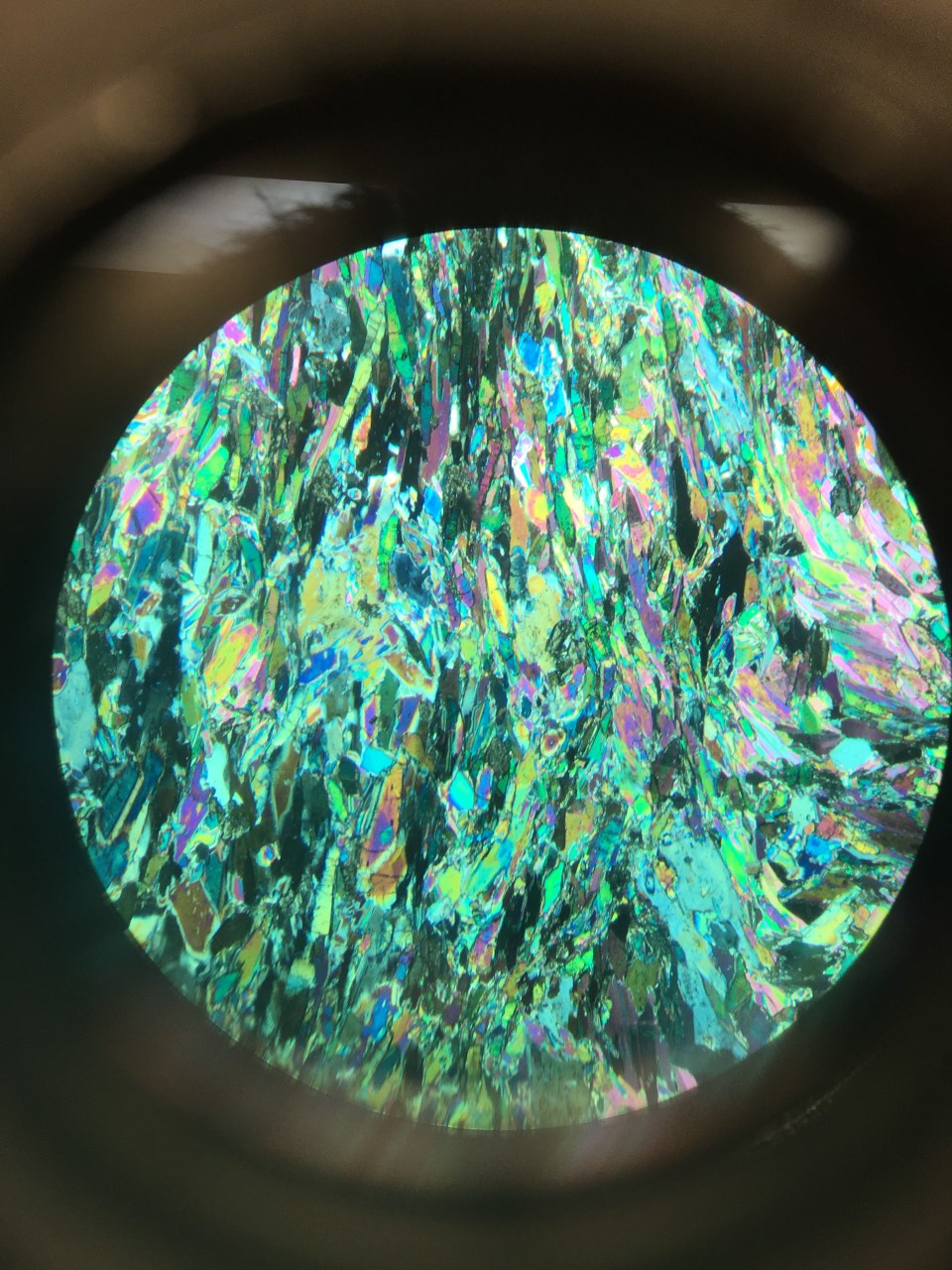
    A thin rock section from the Huggins collection under microscopy by Anthony Chu (‘19)

  • In Defense of The Campus Crows

    In Defense of The Campus Crows

    Every Spring you get that email:

    Once again we have received reports of crows acting aggressively towards persons on campus…”

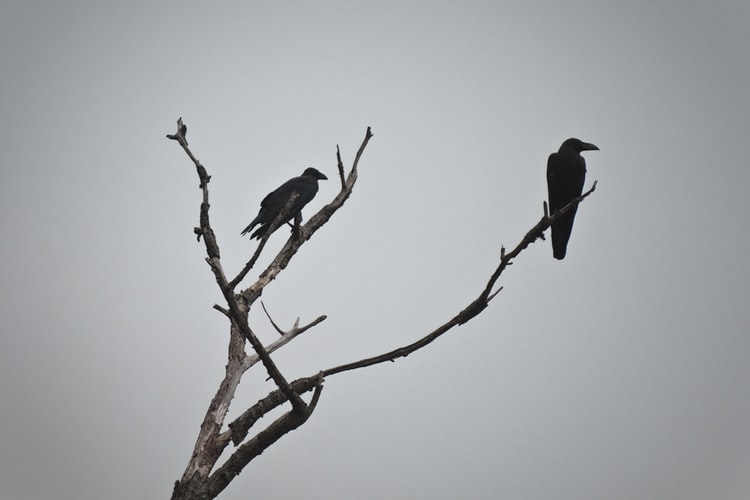
    Crows are often the symbol of death, disease and bad omens, as well as considered a pest by farmers and by those who have their trash scavenged by the birds. While, the campus crows have become infamous for harassing students, they deserve a better reputation than they have gained.

    Crows are classified as part of the Corvidae family along with ravens, magpies, and jays. Corvids are a family well known for the numerous observations of the birds displaying remarkably intelligent behavior. Although sometimes being exceptionally smart means they may also be incredibly weird, and occasionally a little aggressive

    Using tools is a hallmark behavior that scientists look for when assessing the intelligence in different organisms, and corvids have a well-documented history of using the assistance of objects to obtain food in the wild and in captivity. While swooping in and snatching a muffin from an unsuspecting student is much easier, crows will use sticks or other tools to help them access food. Crows have even been shown to choose tools best suited to the task at hand when presented with multiple tools in a laboratory environment; choosing longer sticks when the first short stick they chose could not reach their target. Crows have been shown to understand basic concepts such as water displacement in experimental trials where they needed to use various tools to obtain a piece of water floating in a container that needed to have a certain number of stones added to it in order for the food to be close enough to the top of the container for the crow to reach it (video of the experiment here: https://www.youtube.com/watch?v=ZerUbHmuY04)


    Corvids have also been recorded engaging what we recognize as play, with viral videos featuring crows playing in the snow popping up every winter (this one where the crow uses a makeshift sled in the snow is very cute, fyi:  https://www.youtube.com/watch?v=tUBMSnHH7hc). Like humans, crow brains release endorphins, or ‘feel good’ hormones, when they engage in play. Playing also gives crows an opportunity to develop skills and sometimes establish dominance. 


    While mocking your sibling is a form of “play” in humans, crows, ravens and jays are all capable of mimicking, where they can copy and repeat a noise they have heard. This behavior is another display that often gets recorded by observers and goes viral online, with some crows completing phrases like the one featured in this video: https://www.youtube.com/watch?v=RB3ruxchwaY. Their vocal abilities are extensive, with numerous different calls (yes, they do make other noises other than the infamous caw), and even regional dialects. These dialects account for territorial differences and communicate to those of a different region to find another place to roost.


    Now, with all that praise for the intellect of crows and their brethren, I understand why Corvids have such a bad reputation. Alfred Hitchcock’s movie The Birds made the mobbing behavior crows often engage in when they feel threatened infamous. This co-operative behavior keeps crows safe from larger birds of prey and other predators, but for an unsuspecting pedestrian accidentally entering crow territory, this defensive reaction is nothing less than terrifying. However, this behavior attests to the extremely social nature of the birds. In fact, they are so social they may even mourn the death of members of their flock. “Crow funerals” are a phenomenon that has piqued the curiosity of animal behavior scientists for a while. Crows will leave “gifts” to crow corpses, with observations of crows mobbing the scene of the death, leaving candy wrappers, sticks and other tokens for their fallen comrades. The weird side of crows is brought out during these “funerals”, because occasionally crows will engage in coitus with deceased crows (translation: crows will sometimes fuck other dead crows).


    As part of their social side, corvids are noted for their capacity to recognize individuals, including themselves, with magpies being among the few species proven to be able to recognize themselves in the mirror. If you have been a victim of a campus crow, I may have some bad news for you: crows are also able to recognize human faces. A study was executed with a researcher testing the theory of facial recognition in crows using masks. Researchers wore one mask to capture crows- making this mask “dangerous”. Another mask was worn while researchers did not bother the crows- to make this mask “neutral”. Crows would harass researchers wearing the “dangerous” mask walking on campus, while leaving the “neutral” mask-wearing researchers alone. So, if you were harassed by campus crows and reacted violently, they may recognize you as a violent person and avoid you, or they may hold a grudge. Watch out. 


    Although the fascinating nature of crows makes them a very easy defense case, any species should be respected. Crows are a species that can largely attribute its success to their proximity to humans and the interactions that occur between us. We as students must understand that urban wildlife is a part of our environment, and we share our space with them. This understanding is key to avoiding humans clashing and conflicting with other species. Personally, I’ve never had any negative encounters with campus crows, but I also avoid doing the following:

    1. Carrying food on campus
    2. Harassing the crows
    3. Entering an area, I know the crows frequent

    Co-existing with urban wildlife can be filled with conflict, but the onus is on us to keep our distance and let nature take its course; even if sometimes that means an occasionally muffin-carrier accidentally discovers where a crow has decided to claim stake. Stay safe, and maybe do some crow watching some time.

  • Science Snapshots

    Science Snapshots

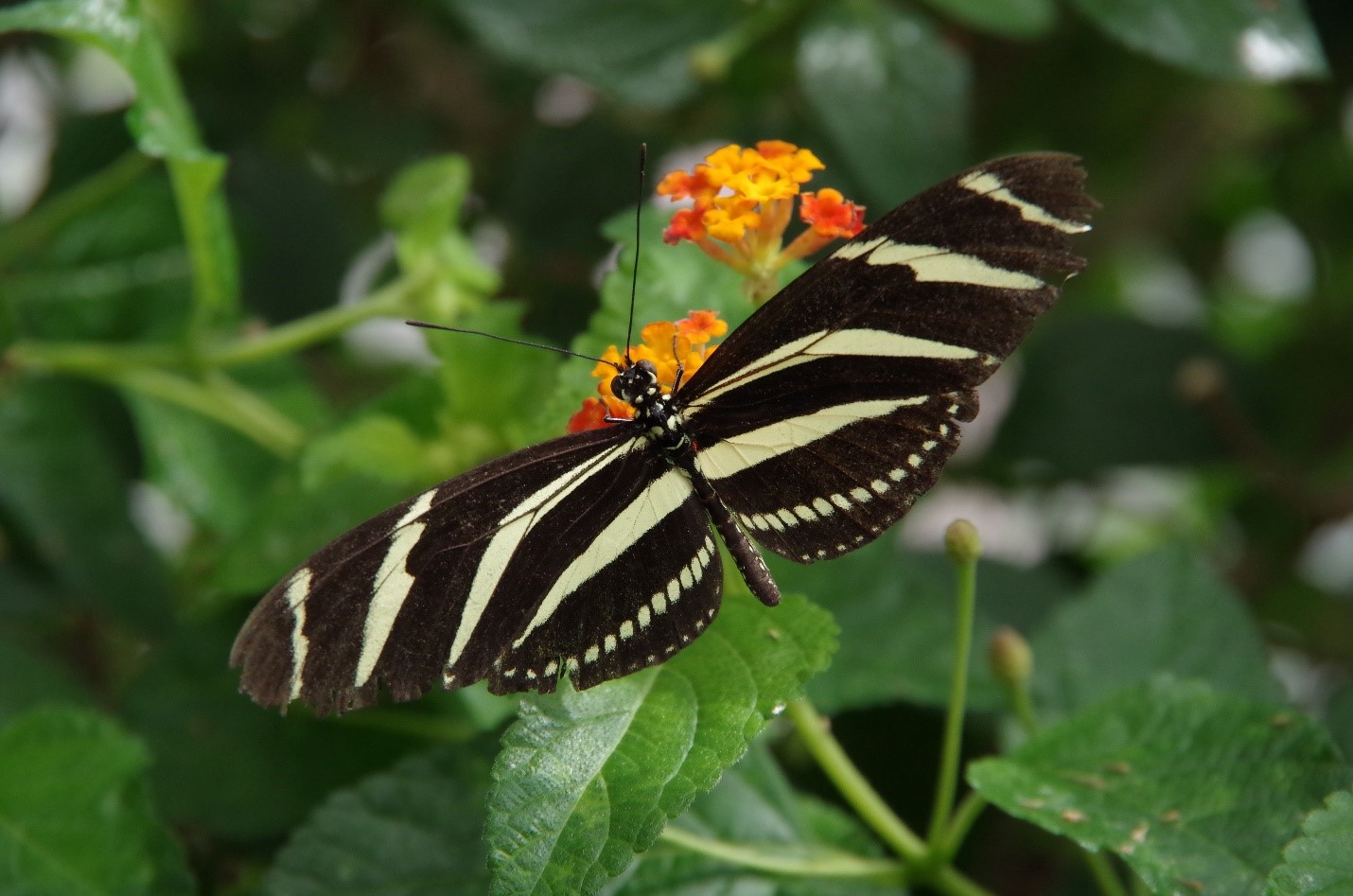
    Featured: A Zebra Longwing (Heliconius charitonia) at the Canadian Museum of Nature’s Butterfly exhibit. (Source: Laura Porter-Muntz)

    • Zebra Longwing butterflies are uniquely shaped butterflies with long narrow wings. This species’ range extends from Central America to the southern United States.


    • Zebra longwings are considered long-lived butterflies compared to other species that typically live for a few weeks, while these butterflies are able to live and lay their eggs for several months.


    • Like most butterflies, Zebra longwings consume nectar, pollinating flowers while they feed. However, this species is unique in its ability to also eat pollen. The saliva of these butterflies dissolves pollen, a very protein-rich food source compared to the simple sugars found in nectar, allowing them to obtain more nutrients than other species.


    • Butterflies in the Heliconius genus are well-known for being highly intelligent insects. These butterflies have established social orders while roosting, and demonstrate socially aware behaviors such as nudging each other early in the morning to get the roost on the move.

     Fact source: https://www.fs.fed.us/wildflowers/pollinators/pollinator-of-the-month/zebra_longwing.shtml

    To submit a science snapshot please email [email protected] or [email protected] with a photo and brief description

  • Listen Here: Science Podcast Recommendations

    Listen Here: Science Podcast Recommendations

    Look I know what you’re thinking, “why would I listen to people just talking about whatever?”. For me, podcasts can be quite useful as background noise for studying, writing an essay, or drudging through hours of lab work. Sometimes you just want to listen to someone talk without the labor of interacting with another human ya know? Or you know that the second you pull out a headphone to say something briefly to your study buddy that you will proceed to talk about how insane that one prof is, or who you saw at the bar last weekend, or literally anything other than what you’re supposed to be working on, and subsequently absolutely nothing will be accomplished for the rest of the study session. Podcasts are like a study buddy that doesn’t need you to talk back, so you can write a few paragraphs while they chat away.

    So, the next time your study playlist gets repetitive, here are some alternatives to try:

    Ologies with Alie Ward

    Image result for oologies

    Ologies is a talk show style podcast with expert guests chatting with host Alie Ward about their field of study, aka their -ology. This show adheres to the mottos of “ask smart people stupid questions” with complex curiosities being explained in simple terms by experts who are passionate about their work. Alie edits in silly sound clips and references to keep her recordings lively, avoiding any dull moments. This podcast explores some of the most exclusive niches in research, you’re bound to learn something new.

    Oologies is available on Spotify here: https://open.spotify.com/show/5nvRkVMH58SelKZYZFZx1S?si=8a5u5YGIRo6I-6aUN46mAg


    This Podcast Will Kill You with Erin Welsh and Erin Allmann Updyke

    Image result for this podcast will kill you

    This podcast is an absolute dream come true for an aspiring pathologist like me, but the ladies from This Podcast Will Kill You deconstruct the complexity of epidemiology and pathology into simple to understand terms that even your arts major friends can wrap their head around and enjoy. Erin and Erin are two disease ecologists who explain the history and biology of diseases; particularly those that have had an intense societal impact. If the first episode about influenza doesn’t convince you to get your flu shot, I don’t know what will.

    This Podcast Will Kill You is available on Spotify here: https://open.spotify.com/show/7cujpkzRygYyLylnv5SVFu?si=qTo2WWv4S8Cl3fJhS589sw


    Science rules with Bill Nye

    Image result for science rules

    Yes, you read that name right, its…BILL! BILL! BILL! You may have thought you’d never experience the euphoria of watching your science teacher roll a TV into class to let Bill Nye the Science guy bless you with scientific knowledge, but baby I’m here to introduce you to a modern way to relive your childhood while learning something new: Bill Nye the Science Guy has a podcast! Bill has listeners call in with scientific inquires and proceeds to discuss them with scientists experienced in the field in question. If your issue with getting into podcasts is having a hard time trying to find one that’s not hosted by someone with a voice you can tolerate; perhaps Bill’s familiar tune will help ease you into them.

    Science Rules is available on Spotify here: https://open.spotify.com/show/3zGr8BgdHMdhUeLhgEYX8R?si=QNydo8YVTxOAt47j_OTqog


Betzillo positions itself as a versatile gaming hub where structured bonuses and adaptive gameplay mechanics support both short sessions and extended play.

Built with a focus on innovation, Spinbit integrates modern casino architecture with rapid transactions, appealing to players who value speed and digital efficiency.

Ripper Casino emphasizes bold entertainment through high-impact slot titles and competitive promotions crafted for risk-oriented players.

A friendly interface and stable performance define Ricky Casino, offering a casual yet reliable environment for a wide spectrum of gaming preferences.

King Billy Casino channels classic casino spirit into a modern platform, delivering recognizable themes supported by contemporary reward systems.

Immersive visuals and layered slot mechanics are at the core of Dragonslots, creating a narrative-driven casino experience.

Lukki Casino appeals to players seeking direct access and minimal friction, focusing on fast loading times and intuitive controls.

Casinonic provides a structured and dependable gaming framework, blending modern slots with transparent operational standards.