Day: October 1, 2015

  • First Year Forecast: Adjust, Adapt, and Modify

    First Year Forecast: Adjust, Adapt, and Modify

    The following is a narration based on a study conducted by the University of Windsor.

    The first set of three Chemistry midterms had just finished. April glanced around with a curious suspicion and a creeping sense that most of her classmates felt as unsettled as she did. There was no denying the fact that this had been the hardest midterm she had ever dealt with.

    September had brought with it lots of changes, and it had begun to become more apparent that some of these changes would wait for a while before they resolved. There were so many people from high school that April had kept in touch with, but there were also a lot of people that had disappeared. Knowing the exact things to do had always been easy and now things were changing in unexpected ways. Studying had become a lot harder. April realized her lack of depth and the difficulty that she would have continuing with this course. Residence life was isolating but exciting nonetheless. It’s different being around people that you’ve just met and not people that you’ve known for a long time. Communication with people from home had been great, but it was starting to become tiresome. The month had presented many difficulties with becoming familiar with facilities on campus.

    October was the month that her roommate had started arguing with her. April had visited home for the first time since starting at Acadia and was excited to continue her adventures. Acadia was become more familiar and things were becoming a lot easier.

    November brought with it a brilliant amount of uncomplicated troubles and straightforward assignments. School was becoming less stressful and everything was becoming more peaceful. There were no more nights of assignments being completed at the last minute.

    December’s exams had caused a lot of late nights and spending too much time at meal hall. There was too much going on and too many people leaving at different times. As much as April was excited to see her family, there was also a lot of stressing over changing her major.

    January brought with it the realization that her exams and fall semester had not gone as well as they could have. There were too many problems to count, and she could tell that many of her fellow classmates also felt disappointed. Sadness and disappointment were paramount among fellow first year students.

    February brought exhilaration and excitement. There was a lot of anticipation for the upcoming year. April felt delighted to know that the school year was getting easier. Classes that had once felt complicated had now become less challenging and the academic year was now taking a major turn.

    March was filled with anticipation of summer and possible living arrangements for the following year. There was also much excitement over possible summer job opportunities.

    April was bittersweet in that it presented many boring nights of studying, but also a delightful excitement for the summer to come.

    Although the academic year had presented many difficulties, many of these problems had ceased to exist over the course of the year and April was excited for everything to start again.

  • To Yik, or To Yak?

    To Yik, or To Yak?

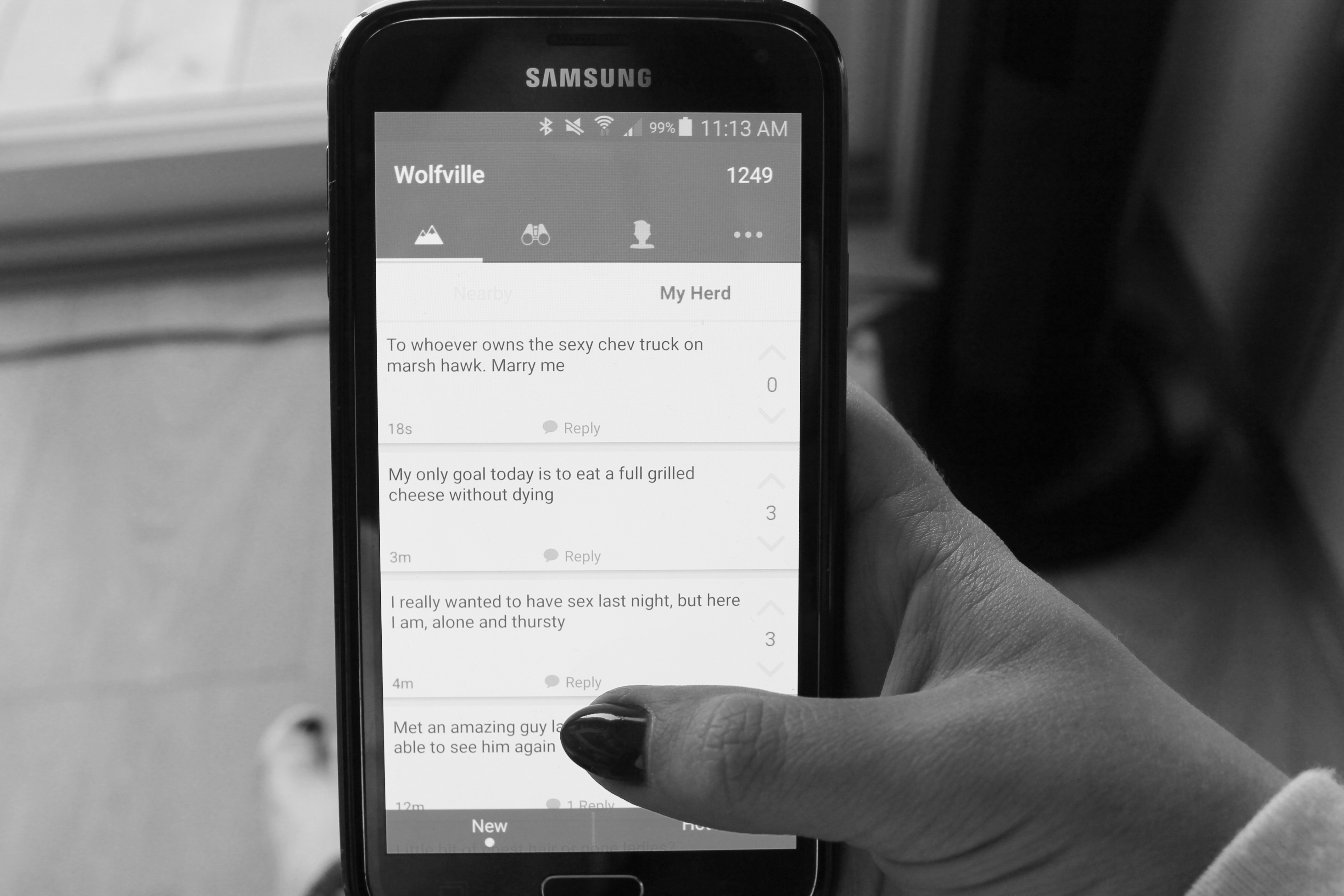
    Yik Yak is an anonymous app that lets you post random comments in your area. People are able to post anything from complaints, hopes, and questions with the knowledge that only local viewers will be able to comment.

    While Yik Yak is able to connect people in new and exciting ways, it also has major drawbacks. The anonymous nature of Yik Yak can lead to people being ruder than they normally would be. Negative reactions to statements such as, “So tired of this,” or, “Does anyone else think that res is too loud?” can lead to people thinking that responders represent a majority opinion instead of a minority one. There are many ways that the weight of comments expressed can be disoriented. There are a lot of cases that suggest that this belief is core to explaining why social media insults can have an immense impact on people.

    Majority opinions are valued more heavily than minority opinions, in most cases, and this can cause a change in the way that people see certain belief sets. The anonymous and impersonal nature of such Apps can change the way that the person sees their position in relation to their critical responders. While responses and comments made by one person can seem daunting, responses that come from a single anonymous person can have a bigger impact. Not knowing who has stated what can lead people to misunderstand other important factors that should be taken into account when receiving hurtful information.

    Another key element of Yik Yak criticism comes from the fact that you are unable to choose who you are talking to. If you knew that someone had a stance on something that fought against your own, you would decide ahead of time not to ask this person what they thought. Knowing ahead of time how something you ask will impact a viewer is crucial to ensuring that you get information that is helpful and not hurtful.

    Despite the fact that people from other areas are able to view Yaks, our Herd members can be reassured that only locals are able to respond to questions. This limitation also prevents foreign people from filled Yik Yak feeds with spam and otherwise useless information. Yik Yak has taken steps to ensure that only Teens are viewing feeds, and has dedicated research into ensuring that Yik Yak won’t be usable near Elementary and Middle Schools.

    Although it may cause some negative consequences to occur, it can also help to connect students of the Acadia community in very different, and sometimes personal, ways. This App is able to foster a sense of Acadia spirit and relatable posts help to unite us as a student body. While there may be some drawbacks that result from any form of social media, Yik Yak, overall, is able to unite us all in a personal and immediate medium with which we can express our thoughts.

  • Managing Your Werkspace

    Managing Your Werkspace

    First year university can be a challenging time to start over in a new place. New places mean new areas to study and also new ways of cooperating with the environment that surrounds you. The following are a few tips that can help with studying in a new place.

    Part 1: Paper

    It’s important to come up with a good system for filing papers at the beginning of the semester. Having a clear space for paper to be stored will help with the tranquility of your room (especially if it’s hidden). Some students find that having lots of paper on their desk can be a stressful reminder of everything that they haven’t done. The residence rooms at Acadia, for the most part, have a limit amount of desk space (included the wardrobe and dresser). This space is meant to be used for everything from toiletries, extra food, books, hair and makeup items, plants, and other odd things. This means that table space must be cherished. Consider finding a place to store papers that is tucked away and not immediately noticeable. It will make a world of difference.

    Part 2: Electronic Documents

    Decide what sort of naming system you would like to apply to all of your work, and start using it right away. A consistent system will prove to be useful later on down the road.  The physical appearance of a paper free workspace can help to ease tension. It is always a good idea to make the Downloads folder of your laptop as neat as possible. This section will often become overcrowded with lots of PowerPoints and class notes provided by professors. It should also be noted that a lot of people use their computer or laptop screen for Post-It notes that give them a list of things to do. This could lead to the same feelings of clutter if not managed properly.

    Part 3: Space
    Some students find that it’s easier to study in a public place. Some find that it’s easier to study in their room. Take the first couple of weeks to try out new things and see what you like best. It may take a while to find the perfect workspace, but it is very much worth it. The following are a couple of environmental combinations to brainstorm and experiment with:

    • Public A – Public S (a public area where people surround you)
    • Public A – Private NS (a public area where no one can see you)
    • Private A – Private NS (a private area where no one can see you)

    Examples of good places to check out around campus:

    • The K.C. Irving Center
    • The Vaughn Memorial Library (check out the study rooms as well as the quiet room. As for help if you don’t know where those places are)
    • Clark Commons
    • Residence Lounges
    • The SUB (the main floor is great, as well as the Michener lounge)
    • Wheelock Dining Hall
  • Bloody Science

    Bloody Science

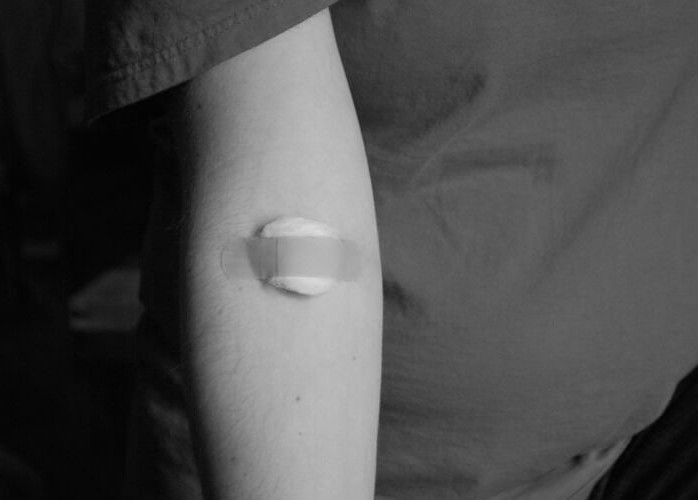
    It is not very often that someone is asked about their blood type. Many people don’t even know what their blood type is. Although it is not vital information for day-to-day life, a person’s blood type is very important in determining what donated blood they can receive. Many advertisements for blood collection by the Canadian Blood Services has contained a message directed at people of a specific blood type, O-, the universal donor. Through a simple test done by doctors and Canadian Blood Services personnel, your blood type can be determined. But what does your blood type mean? Why is it important? You may think that blood is blood, right? While all blood is composed of the same four basic constituents: plasma, red blood cells, white blood cells, and platelets, not all blood is alike. There are, in fact, eight different blood types. They’re differentiated by the presence or absence of antigens, substances that “trigger an immune response if they are foreign to the body” (American Red Cross, 2015). The four type categories, based on the presence or absence of these antigens on the surface of the red blood cell are:
    Group A – has the A antigen on the red blood cells with the B antibody in the plasma.
    Group B – has the B antigen on the red blood cells with the A antibody in the plasma.
    Group AB – has both A and B antigens on red blood cells, with neither A nor B antibodies in the plasma.
    Group O – has neither A nor B antigens on red cells with both A and B antibodies in the plasma.
    There is a third antigen, called the Rh factor, which also plays a role in determining your blood type. If the Rh antigen exists in your blood, your blood type is positive (i.e. B+), whereas if the Rh antigen was absent, you would be type negative (i.e. AB-). Some blood types are more common than others. Type O+ is the most common, accounting for around 38% of the American population, while type AB- accounts for only 1% of the American population (livescience.com, 2012). Blood type O is the universal donor blood type, meaning that type O blood can be administered to anyone, regardless of blood type. Someone with an AB blood typeis a universal plasma donor, because the plasma does not contain either A or B antibodies. Blood type is hereditary, just like eye colour, and is therefore determined by the blood types of your parents. If you are unsure of your parents’ blood types, or of your own, a simple test can be conducted by your family doctor or by the Canadian Blood Services to identify your specific blood type, and evaluate the current need for your type. If you are unsure of whether you are eligible to donate blood, Canadian Blood Services conducts a simple questionnaire either online or in person. Saving you the trouble of going to the clinic and finding out you are not eligible, the eligibility requirements will be outlined here. For further information, consult the Canadian Blood Services website, or go to the on campus clinic October 7th or 8th for a consultation. In general, if you are in good health, feeling well and able to perform your normal activities, you are older than 23, or are between 17 and 23 and meet the height and weight requirements, you can become a blood donor. A calculator can be found on the Canadian Blood Services website to determine whether or not you meet the height and weight requirements. However, you may still be ineligible for donation if ‘your own health or the safety of the blood supply would be at risk by having you do so,’ (Canadian Blood Services, 2015). Some common reasons why people are deemed in eligible for donation include recent body piercings, Chronic Fatigue Syndrome, possible exposure to HIV/AIDS, tattoos, and vaccinations.If you have gotten a body piercing or a tattoo done within the last 6 months, you are ineligible to donate blood because of the increased risk of Hepatitis C. Acupuncture and electrolysis fall under the piercing category. Donors with a medical history of Chronic Fatigue Syndrome (CFS) are ineligible – even if their condition is not active. If you have recently been vaccinated, depending on which vaccination you received, you may be temporarily deferred from giving blood. There is a full list of deferral periods for various vaccinations on the Canadian Blood Services website. If you have ever had a positive HIV test, or if you have done something that puts you at risk for becoming infected with HIV, you may be ineligible as well (Canadian Blood Services, 2015). For example, anyone who has taken money or drugs for sex since 1977 cannot give blood; nor can anyone who has ever used intravenous street drugs. In the past, gay men were restricted from donating blood, but for the first time in thirty years changes to the regulations have made it easier for gay men to donate blood. “Men who have had sex with another man more than 5 years ago, and who meet other screening criteria, now may be eligible to give blood,” (Canadian Blood Services, 2015). Numerous groups are rallying for the removal of this ban, deemed archaic and homophobic, but the Canadian Blood Services organization is still reeling from the aftershocks of a tainted blood scandal. As many as 800 people died, 20 000 are now living with Hepatitis C, 400 with HIV. Despite more accurate tests, a false negative to an HIV screening would still have devastating consequences, and so a group ban on sexually active gay men still stands.
    If you are interested in donating blood, or want more information, visit the Canadian Blood Services website. Alternatively, go to the blood donor clinic on the Acadia campus between October 7th and 8th, 2015.
  • The Newest Addition to our Family Tree

    The Newest Addition to our Family Tree

    Beginning with adventurous spelunkers and culminating with the discovery of a distant ancestor, the Homo naledi story is one of luck, skill, and perseverance. When Steven Tucker and Rick Hunter entered the Rising Star cave in South Africa two years ago, they were looking to explore new paths and maybe go where none had gone before. Instead, they found a path that likely hadn’t been trodden by human feet in hundreds of thousands of years. While moving out of shot for a photo to be taken, Steven happened across a fissure that extended downwards into the yet unknown. Following this thin chute, a times narrower than eight inches, the two discovered a chamber with an astonishing surprise. Fossils, numbering in the thousands, littered the floor. The two were aware of a scientist in Johannesburg wanting people to keep an eye open for fossils in this “Cradle of Humankind.” The rush was on to secure the site before it could be disturbed. The next step was an excavation. But a site this difficult to access required a peculiar set of attributes: slim individuals with scientific credentials, caving experience, who had no fear of tight quarters. Six young women were recruited, becoming palaeontologist Lee Berger’s “underground astronauts.” Working in teams of three pulling two-hour shifts, they collected 400 bones off the surface before beginning the careful excavation of the cave floor. Fifteen individuals have been excavated so far. With 1200 bones removed from the chamber and many more remaining to be uncovered, the discovery has been made and the interpretation can begin. Familiar yet alien, these fossils are a peculiar combination of modern and archaic characters. Tooth traits and skull qualities varied from modern to very primitive, but the rest of the body was more divided. From the pelvis up, primitive characteristics win out. Present were apish shoulders geared for trees, flared hipbones harking back to before Australopithecus, and curved fingers for a life among trees. From the modern pelvic base down to feet nearly identical to our own, Homo naledi seems to have evolved beyond its time. The remains were described as “weird as hell,” by paleoanthropologist Fred Grine of the State University of New York at Stony Brook. Two things in particular stand out about Homo naledi – the complete lack of other animal bones and plant debris within the chamber where it was found, and the possibility of dozens of individuals within layers upon layers of cave sediment. The huge number of bones in the cave were likely not from a single placement event. Purposeful, repeated placement suggests intentional burial – suggesting Homo naledi were an intelligent, capable, habitual species, despite their brain cases roughly half the size of ours. For more information on the Homo naledi discovery, check the National Geographic website, numerous scientific websites, or talk to your history professor.
    Another interesting skeletal story right on the tail of the Homo naledi discovery comes from beneath the roots of a 215-year-old tree that recently fell victim to a violent storm near the town of Collooney, in the northwestern part of Ireland. The 17-20 year old man found within the root system of the tumbled tree is believed to have suffered a violent fate. Though given a proper Christian burial, his 1000 year old body had suffered knife wounds on his hands and ribs during the early medieval period (1030-1200CE).
  • Axemen Alumni Coming Home

    Axemen Alumni Coming Home

    The Acadia Sports Hall of Fame is pleased to induct former athletes who left their mark on the Acadia University athletics program. Induction ceremonies will take place Saturday, October 17th, honouring those from various teams. I had the opportunity to interview the 1994 All-Canadian football star, Larry Jusdanis. After breaking numerous records at Acadia, Jusdanis played professionally in the Canadian Football League (CFL). He was drafted by the B.C. Lions and then traded to the Hamilton Tiger Cats, which brought him back to his home town. He was the first Canadian quarterback to start a CFL game in 25 years. Beyond football, Jusdanis applied his love of athletics to business as the founder and owner of the successful strength and conditioning training business, Sports Specific Training (S.S.T.).
    How does it make you feel to be inducted into Acadia’s Sports Hall of Fame? Well, I was obviously very honoured and it was the same week I was invited to be inducted into my high school. Again, I was extremely honoured to be chosen by a great school, along with a great bunch of athletes.
    Were you recruited by other universities to play football and if so, what made you choose Acadia?
    I went to Central Florida first, and then I lost my scholarship due to an injury. Nick Richards, Dan Laramaee, and Eric Cederberg were the guys I met on my recruiting trip to Acadia when I came back from Florida. Plenty of other schools recruited me, but I fell in love with Acadia! When you were a student playing football at Acadia, what was a typical day like for you? I went to class just like you would normally. Most of my classes were early in the morning. After I’d go to my room to work, workout, go to football practice, and then go to my room again at around eight o’clock to finish homework.
    I’m sure it was a challenge balancing varsity football, academics, and a social life. How did you manage?
    My good coach, Sonny Wolfe, told me that “there were three things you could do in university: you could party, go to school, and play football. You can only do two out of the three well.” I believed you could do all average. Have fun – because university is meant to be a fun experience – you can balance it all with sufficient time management. University is not that hard if you attend class and apply effort you will succeed, you will be fine.
    How did playing football at Acadia inspire you and shape the rest of your life; and what life lessons did you learn while playing Acadia football?
    I don’t think I would specifically say “Acadia football,” just football in general. In my opinion, football is the best team sport in which anyone could ever get involved. In football, you’re on the field working with twelve guys in a unit and you can’t let that unit of yours down. It’s the same when you are working with business people in the community. It’s also similar to individuals in the military: if you’re carrying your unit and you let someone down, someone dies. Football instills in you a lot of different and great characteristics; such as, discipline, time management, working together, and coping. Maybe you don’t agree with someone, but you have to work through it as a team to make the situation better. Football is probably the best sport there is for teaching life skills. To be honest, if you asked numerous people in the work force who played at least high school, if not college football, they would agree with me.
    Is there anything else special about your time at Acadia that you would like to share?
    Acadia is a great place. It’s a great university, because not only are the professors great, but the small teacher to student is small and the classroom environment is amazing. When you go to university you go to get an education, but you also need to have an exceptional experience and Acadia does offer that. I remember the beautiful summers in Wolfville, and the perfect small town effect that makes it such a great place to live. Every student should enjoy their time at Acadia. I cherish that I made life-long friends during my time there. To this day, I’m close friends with fellow football teammates Grant Davy, Lee Barette, Dave Stefnitz, and Mike  Balint. All of us being inducted into the Hall of Fame have been friends for a long time, and it’s like a family reunion. You create a special bond when you play not only football, but any kind of sport.
  • Caution: Low Flying Blue Jays

    Caution: Low Flying Blue Jays

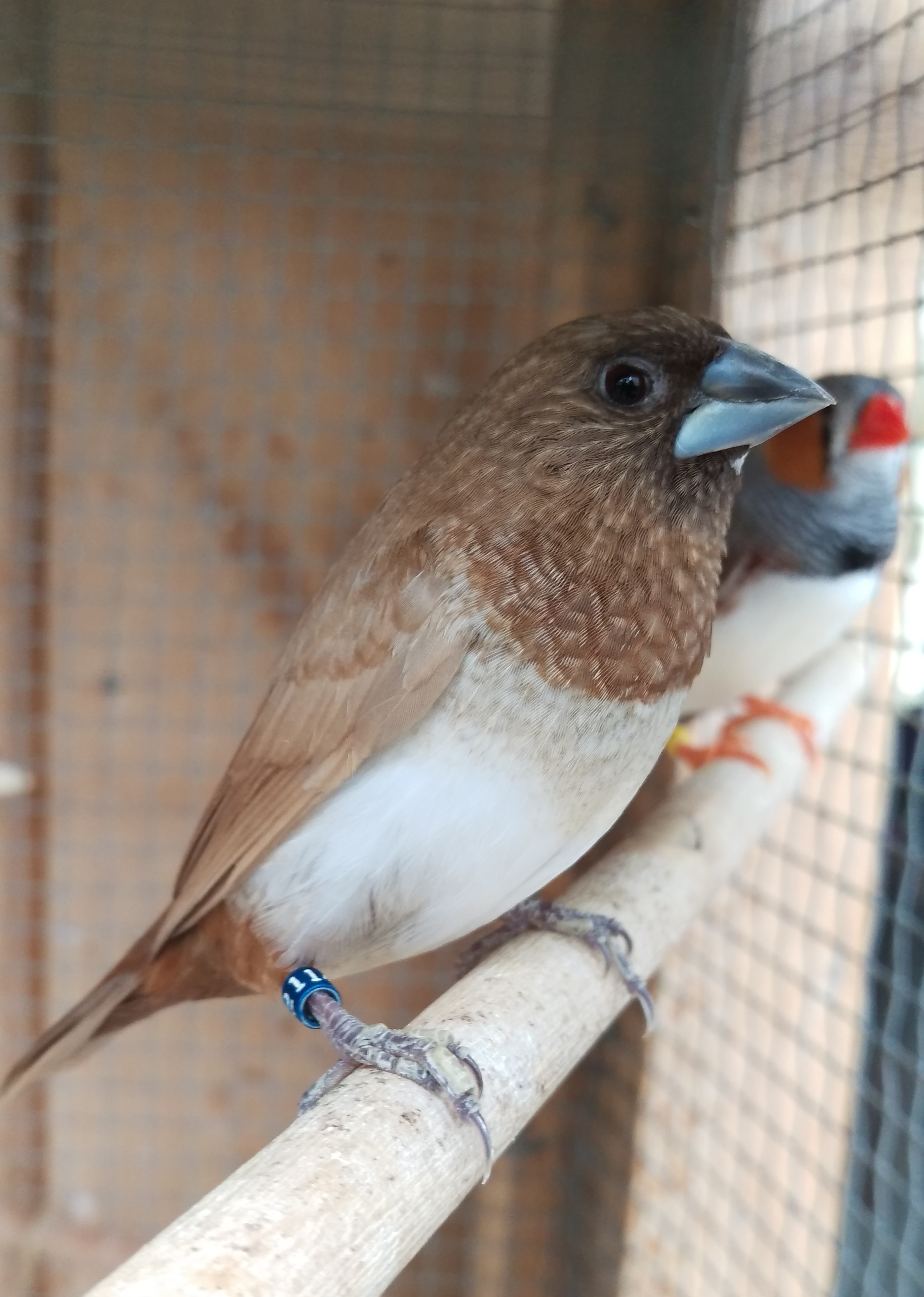
    There seems to have been a natural evolution among the noisy backyard bird, commonly known as the Blue Jay. Its diet typically consists of fruits, nuts, grains, and occasionally insects. But there has been recent sightings of forty, Toronto based, Blue Jays who have been eating the majority of teams in Major League Baseball. The Toronto Blue Jays were established and welcomed into the American League in 1976. In their first season they recorded a dreadful record of 54 wins and 107 losses. This shot the birds down to a stellar last place position and their results didn’t change anytime soon. Toronto’s first relatively good season came in 1982 as they finished with a nearly, positive, 78-84 record. Things were only going up-hill as they set their sights on an American league title. The year was 1985 when the lonely Canadian team won their first championship of any sort. Unfortunately their luck didn’t continue through the World Series as they watched The Kansas City Royals lift the Commissioner’s Trophy, what a shame. The Jays’ were not able to duplicate their success in the following year, but the northern-most team was now a tough competitor in the league. The road trips across the border to the Rogers Centre were becoming more and more difficult for the competition as the Blue Jays took their momentum and flew with it. With consistent positive records, it was inevitable that the boys in blue were picking up some more championship titles. Our team came to their most successful five-year period of the clubs history; the ‘89 American League East title, the ‘91 American League East title, the ‘92 World Series champions, and the ‘93 World Series champions. The only thing Toronto was missing was a back-to-back rap song from their cities golden boy, Drake, who was twenty-two years late.
    This is where we cut the history lesson short due to the fact that our country’s team hasn’t had the slightest bit of joy since that 1993 season. To save your brain from doing the math, it is 22 years. They are the current, not-so-proud holders of the longest current postseason drought. In more humiliating terms, they have sucked for the longest amount of time in comparison to every other professional baseball team. I wouldn’t dare say this about a Canadian team unless there was good news to follow. Finally things are looking up for Toronto. So as I sit my couch with a beer in my hand, watching The Jays take down Tampa Bay, I feel a rush of pride. Our only Canadian representative of baseball has the chance to secure their playoff spot right now.I take another sip, look out my window to see a Blue Jays flag flying from another quiet, television focused house. So if you haven’t gotten the chance to tune in yet, it’s time. With games running all through October, it shouldn’t be hard to make up for lost time and hop on the bandwagon. Plus, it’s cooler to say you watched their first World Series win in 22 years, opposed to their second World Series win in two years. Let’s go Blue Jays!
  • Contraception

    Contraception

     Contraception, colloquially known as birth control, has a long and strange history. Women in ancient Egypt would vaginally insert into themselves a mixture of honey and crocodile dung to prevent pregnancy, concubines in ancient China would drink lead and mercury, women in Persia were advised to jump backwards seven to nine times post coitus, and Greek gynecologists recommended that women hold their breath during sex and sneeze immediately afterwards to expel sperm. These methods fell out of favour as scientific progress advanced, and today a wide variety of more effective methods are employed. Yet, with so many options to choose from, it can be difficult to pick the best one for you.Today, over 85% of Canadians report using contraception at some point in their lives, and condoms are one of the oldest methods still employed. Illustrations of condoms date back as far as 15,000 years ago and legends from 3000 BCE describe goat bladder use. We have come a long way from goat bladders to today’s latex and polyurethane. Today’s condoms, when used consistently and correctly, are 98% effective (percentages represent the number out of every 100 women who do not get pregnant after one year of correct use). Condoms are cheap, easy to obtain, can be made into dental dams, and are one of the few readily available contraceptive methods to provide a nearly impermeable barrier to STIs. The condom’s major flaws are primarily user based. Issues include removing the condom too soon, putting the condom on too late, opening the condom package with a sharp object, using an oil-based lubricant, or using an expired or improperly stored condom (such as one stored in a wallet).

    Other easily accessible contraceptives available to men include spermicides, which can have an 80% success rate when used alone; and the “pull-out” method. This method can be up to 96% effective, but has an increased risk of pregnancy through contact with pre-ejaculatory fluid, and does not protect against STIs. Men who rely on the pull-out method must be able to detect an approaching orgasm and withdraw prior to ejaculation. If this is used as the primary form of birth control, and the man fails to pull out prior to ejaculation, there is a 20-85% chance of the woman getting pregnant during her cycle.

    For women, the most well-known and commonly used method is the birth control pill. This contraceptive is an estrogen and progesterone based pill, and if taken daily at the same time can be 99% effective against pregnancy. The primary reason for failure results from the pill not being taken daily at the same time. The pill also regulates and treats heavy menstrual cycles, PMS, endometriosis, Polycystic Ovarian Syndrome (PCOS), acne, anemia, and may decrease the risk of endometrial and ovarian cancer. However, the pill may have side effects like nausea, breast tenderness, headaches, weight gain, mood changes, missed periods, decreased libido, joint pain, decreased bone density, an increased risk of cardiovascular side effects such as heart attacks, strokes, and blood clots, and may increase the risk of breast, cervical, and liver cancer.

    Other hormonal methods available to women include hormonal intrauterine devices (IUDs) like Mirena and Skyla, which offer 99% effectiveness and can be in place from three to five years, the NuvaRing, which can be up to 99% effective, and the birth control implant. The birth control implant is a small matchstick sized hormonal capsule inserted into the woman’s arm. Over a three-year period it releases progestin, and has a 99.95% success rate. All hormonal methods include similar deleterious side effects to the birth control pill.

    If you feel uncomfortable using a primarily hormone based contraceptive, the copper IUD may be for you. Much like a hormonal IUD, this small copper T is inserted into the uterus. Once in place it can be 99% effective for anywhere from five to ten years. Side effects may include heavier and more painful periods. Female condoms are another non-hormonal method that can result in a 95% success rate when used correctly, and provide basic STI protection. Much like the male condom their failure rate stems mainly from improper use. However, female condoms can be expensive at $4 a condom, difficult to find, and uncomfortable for the woman. Diaphragms may also be employed. These thin silicon domes are placed over the cervix to prevent sperm entry. When used with spermicides, diaphragms have a 94% success rate and can help stop the spread of some STIs. The rhythm method, or fertility awareness method, is a contraceptive method employed by the woman, who tracks her menstrual cycle to determine ovulation and her peak fertility. She then abstains from sex during these days. When used correctly the rhythm method can be up to 87% effective. If for any reason your birth control fails you, Plan B is a non-prescription emergency contraceptive available at most pharmacies and health clinics.

    If you are looking to start a new contraceptive method, change over from an existing method, get STI testing, need pregnancy guidance, or have questions about access to abortion information, there are a variety of clinics around the valley and Halifax area to choose from. In Wolfville, both Acadia Student Health Services and Mud Creek Medical Co-op offer Pap tests, STI testing, and a variety of contraceptive options. In Kentville, the Red Door also offers these services and in Halifax, the Halifax Sexual Health Center (formerly Planned Parenthood) provides similar services. Acadia also offers free condoms in all residences, the Peer Support Lounge, and through Student Health Services.

    Hopefully this article helps make your only post-sex concern how soon you can do it again.

  • Don’t Fly Your Way Through University

    Don’t Fly Your Way Through University

    There is a concerning sentiment held by many of Acadia’s students about the difficulty of courses they should take. Belief that you should take at least one so-called “bird course” per semester is common. A bird course is a class that is notoriously easy, often demonstrated by the high percentage of students that pass with an A or greater. These classes may or may not have a final exam or project, and generally have little-to-none in terms of assignments. The term is of Canadian origin, and it suggests that students who take these bird courses are capable of flying right through them (the actual origin of the word is unknown, from what I can tell. Some resources state that the term comes from the idiom “for the birds,” meaning trivial or worthless, yet others state that it comes from the antiquated opinion that women (sometimes called birds) were capable of taking the course because it was easy).

    Regardless of the perhaps sexist origin of the term, the idea seems to have stuck. In this article I hope to illuminate some of the reasons why you should take bird courses, and why you shouldn’t.

    1. Money: Acadia tuition for Nova Scotian student in the 2015-2016 academic year is $6430.00 CAD. For international students, this figure is more than doubled. If you consider the fact that most students (ignoring first year engineers) are required to take five courses a semester, then by simple mathematics the average student is paying over $600 for a single course over one semester (not to mention the additional cost of textbooks, online homework class keys, etc.). Now the crucial question is: do you consider the courses you are taking to be worth this much? Money is scarce among university students, and for good reason – they are spending most of it on getting an education. But for many, this step is nothing more than a practical necessity for future endeavours. If it means a higher GPA, then why bother with educational idealism?
    1. Intellectual Challenge: This is another important factor. Everyone is here to learn (I hope). Whether that learning enables you to continue doing research, or to proceed to graduate school, or go into the workforce – it doesn’t matter. The skills you acquire will not come from the courses that do not challenge you. They will come from the courses that push you to new limits. Only then will you discover new things about yourself. You will be forced to manage stress and maintain balance in the face of difficulty. However, how much is too much? When will you know if your academic saturation point has been reached – beyond which you begin to struggle and lose footing in a certain topic? These are hard questions to answer. Needless to say, I have yet to come up with an answer, and I’m over halfway finished my degree.
    1. Interest: Most people I talk to about the easy courses they take describe them as incredibly dull. If you don’t have interest in a topic, why would you devote your time to it? Take courses you are serious about, courses that pique your curiosity and expose you to new things. The more interest you have in a topic, the more effort you will put into understanding it. That being said, sometimes you enjoy a course so much you want to spend all your time studying it. Then taking an easier load grants you the most precious gift a university student can have: time. It allows you to prioritize, and work harder on the things that are important to you. Instead of spending your life behind a book, you can spend it with friends, volunteering, or at the gym. It gives you the pportunity for breathing space – keeping yourself healthy and sane so that you don’t burn out early.

    With these three ideas in mind, I think it is safe to say that there is a balance that needs to be struck in order to survive university in one piece while still coming out of it with a real education. I believe in the importance of pushing yourself to your limit. To do such and survive is a proud achievement for anyone. Yet this limit differs between students. With respect to marks: try and remember that a number on a page does not define you as an individual. Yes, it is (sometimes) important to employers, and yes, it is a large factor in selecting medical, law and graduate school applicants (sadly), but don’t let a drop in your GPA motivate you to stop pursuing the topic you love in hopes of restoring your mark to the number you had before. Instead, focus on enjoying your short time here at university, learning what you care about, and spending time with the people you love the most.

  • Why I Hate Meal Hall

    Why I Hate Meal Hall

    When walking into meal hall a year ago for my first campus tour, I was amazed by the large, open space, the abundance of food, and the concept of “My Pantry.” The description of fresh, full salad bars, healthy sandwich stations and the idea that I could cook my own food was one of the main attractions of Acadia.

    After spending my first night on campus, I was looking forward to waking up to a fresh, healthy, simple breakfast of plain yogurt and muesli, maybe some fruit and a glass of pure orange juice. To my horror I was faced with Mystery Meat, French toasted waffles, potatoes, sausages, rubber eggs, yogurt with more sugar than Ben and Jerry’s, and orange juice that came out as a bright, orange substance immersed in water. And as I searched for muesli, I instead discovered Lucky Charms and Cheerio’s; not a healthy oat in sight. Horrified, I went into town to buy breakfast supplies for my room and have not been back for breakfast since.

    Dinner was much of the same, with dry old carrot sticks, dying celery and creamy fat and sugar-rich salad dressings. Pizza, fries, burgers, perogies, ice cream, cookies and brownies were plentiful. Settling for lettuce, cucumbers, and chickpeas, I ate my disappointing dinner with looks of disdain and confusion from other students, who were relishing the opportunity to stuff their bodies with fat and sugar.

    Meal hall isn’t a completely rotten institution – it employs the lovely idea of sourcing local foods and supporting local farms, and provides ample vegetarian options. It does its best to please a very large population of students, which is hard considering the diversity this beautiful campus provides. Reducing myself to the lowest meal plan available, (only 5 days a week), I am still paying $4000 just to eat chickpeas and lettuce since students cannot cancel their meal hall subscription while living on campus. This waste of money means I am unable to buy myself the healthy, fresh food I want unless I move off campus in my first term.

    There are many simple things that could significantly improve meal hall. A station of just “plain food” with the same set-up as a salad bar is one option. Providing plain oven roasted chicken breast with no flavourings, plain brown rice, plain roasted vegetables at night, and plain yogurt. Include some real juices, muesli and seeded breads such as rye, with low fat spreads in the morning. Simply providing real meats daily, not the heavily processed meats found in the sandwich bar and simpler, plain foods year-round would improve meal hall significantly. Then, students could at least have the choice of making their own meals without consuming the additional fat and sugar.

    So good-bye, Wheelock. The risk of never becoming a meal hall crush is one I’m willing to take if it means I can avoid the next mac and cheese day.

  • Brew Review: Boxing Rock Crafty Jack English Ale

    Brew Review: Boxing Rock Crafty Jack English Ale

    Last issue, I ended up writing a review for a beer from BC. I figured I had to throw all you Vancouverinos (Vancouverites? Vancouverians? Whatever.) a bone or two. However, today I’m bringing it back home and reviewing a beer from our beautiful have-not province, Nova Scotia. The beer for today is Boxing Rock’s Crafty Jack English Ale, which is brewed in Shelburne, a place that I assume has plenty of nice old people and good seafood. Boxing Rock just started selling its product in liquor stores a couple years ago and it’s already killing the local beer game. Their pale ale is one of my favorite beers of all time, but I figured I’d give one of their more unique ales a shot. 

    The beer pours with a one and a half finger light brown head and has a dark brown/amber colour to it. The scent has a strong malt component, with a hint of coffee and chocolate. Anything that smells like chocolate gets an A-grade in my books, and that includes people. The mouthfeel is pleasant, with little offensive alcohol taste and a lot of roasty-toasty malts giving the beer a smokey feeling. The body on the beer is medium-heavy, but it goes down smooth like a stout. Crafty Jack doesn’t have the bitterness that might be found in other English ales, making it a much easier drink. The aftertaste is deliciously complex, a phrase I sometimes wish people would use to describe me. It combines sweetness with chocolate/coffee flavours and a small hint of roasted nuts. It’s like a beer trail mix. 

    Boxing Rock’s Crafty Jack English Ale is a solid drink. It’s a tad expensive, sitting at about five bucks a bottle, but it’s worth it to pair with a meal or to start off a night of getting crunk. Warning to those trying to get crunk: Crafty Jack is only 4.2% alcohol so it’s a bit of a lighter fare, but I’d still gladly drink three or four of them. I’d also recommend checking out the rest of Boxing Rock’s repertoire if you can – at the risk of sounding like a granola, local stuff is pretty alright. Stay fresh, folks. 
     
    Summary: roasty-toasty with the mosty. 
     

  • A Heart of Soul

    A Heart of Soul

    Imagine you’re as free as you possibly could be – feeling as much rapturous emotion as you could ever feel – while simultaneously making others feel that way too… September 9th marked what would’ve been Otis Redding’s 74th birthday. He was a man who could make people feel those things just by stepping into a room. The entity of soul music is Otis. No one else can quite embody soul the way he did. His presence on a stage is even thrilling to see now, captured and played back on TV or a computer screen. His emotional delivery makes every last one of your bones tremble with delight from his achy ballads, and his voice is an absolute pleasure for ears with a sound one can ever forget.

    Born in Dawson, Georgia and raised in Macon, Redding – also known as “The Big O” – grew up listening to the works of Little Richard and Sam Cooke. He was the son of a minister and thus ended up singing in the choir at his father’s church. At age fifteen, Redding dropped out of school to take care of his family’s financial needs. His father had fallen ill with tuberculosis. He first worked as a well digger and then an attendant at a gas station. Soon, he started working for The Upsetters (Little Richard’s band) which kick-started his realization that music was what he loved.

    Mr. Redding’s first recorded song was “These Arms of Mine” in 1962. He was one of the first soul artists with a large Caucasian audience, which was pretty groundbreaking at the time. His big hit “Sittin’ On the Dock of the Bay” was the first ever #1 hit single released posthumously in the United States. It was recorded just three days before Redding tragically died on December 10th, 1967 in Madison, WI. He died in a plane crash that killed him and all but one of his
    band members.

    Redding had a memorable career. He changed the way people look at music and how deeply it can affect them. Although his music wasn’t overtly about racial discrimination, he firmly believed that changes were going to come at a time when changes were desperately needed. But to connect to all audiences, he knew he had to sing about something more relatable; something that individuals could interpret however they wished: love and relationships. Redding sang soul music the way a seed sprouts into a tree – naturally, and that is why he captured the attention of a large audience.

    Redding got his big break at Stax Records, a recording studio that was friendly to those who were black and those who were white. It was the one place where everyone was considered a person and was treated like one. There, people could create music together in the otherwise bitterly divided south. Stax knew that they had hit a gold mine when Redding casually strolled in and politely asked to sing a song. He blew them away.

    Jim Stewart (founder of Stax Records) immediately wanted Redding to record. No one could get enough of him. Redding was spreading through Memphis like an illness – impossible to contain – and although he was at first just playing in the small clubs and bars of Memphis, to him it was the real deal. Something was different about Redding and his performances. His audience was more than just one ethnic group. He was well loved, and without even really knowing it he was slowly bringing together two worlds that were once so fiercely isolated from each other. He was bringing people together like opposite ends of a magnet.

    The genre of southern soul came about in the 1960s, and I believe Otis Redding was a mainly responsible for its creation. Of course, Blues, Rock and Roll, and Gospel genres all existed long before Redding, but soul was still a fresh concept when he began his career. Redding changed allowed the genre to flourish by letting his soul escape him and wander amongst the ears of eager listeners waiting to hear his emotions, feel his words, and understand that love can equally mend all wounds and tear you apart.

    I absolutely love Otis Redding. As soon as I came across his voice I knew I had found someone sincerely beautiful, and it’s not often that something really feels that way anymore. We live in a world where new artists are singing new songs on the radio each day. They are without passion or purpose, just hoping to make a buck. When reading through articles and interviews with those who knew Redding, one can see a trend in how people viewed him; a gentle and happy man, who gave it his all every time he stepped out onto a stage. He truly was the King of Soul. You don’t call someone The King of anything if they haven’t practically created that something. Without Otis Redding would there be soul? Maybe. But it would have never been as satisfying or alluring.

    Art is the quality, production, expression, or realm according to aesthetic principles of what is beautiful, appealing, or of more than ordinary significance. That is Otis.

  • The REDress Project

    The REDress Project

    Did you know that Acadia University has an Art Gallery in the Beveridge Arts Center (BAC)? If you have not yet heard of the gallery or if you have not been there, I fully encourage you to visit and take advantage of its exhibitions and programming.

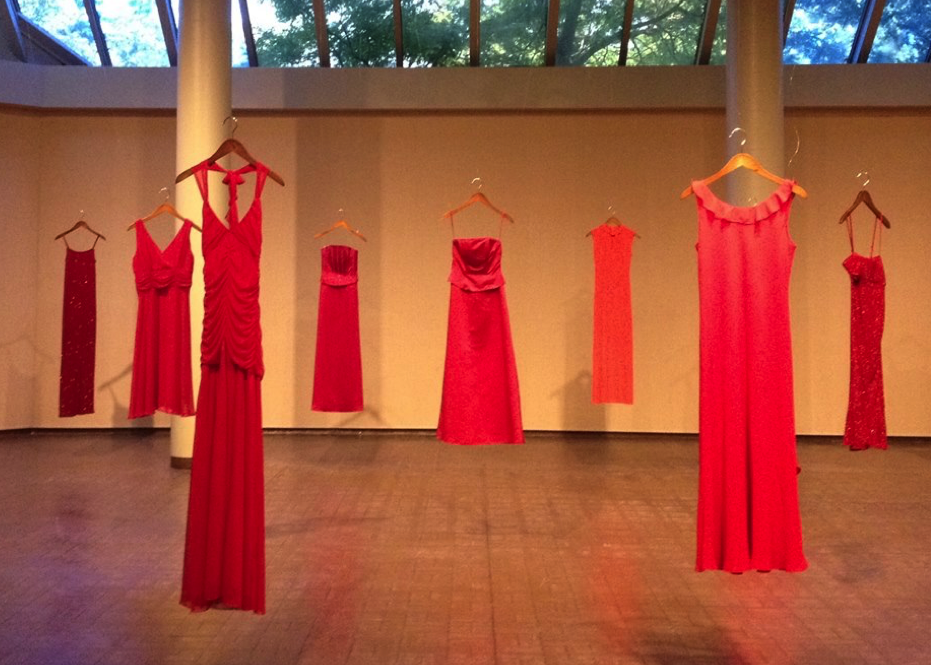
    Currently on display is The REDress Project by First Nations Artist Jaime Black. This captivating exhibit is aimed at bringing awareness to the issue of missing and murdered Aboriginal women in Canada. Jaime Black started this exhibit in Winnipeg and has since travelled throughout West and Central Canada, making appearances at a number of universities. This is, however, the first time REDress Project has made its way out east, now on display at the Acadia University Art Gallery until November 29th.

    As artist Jaime Black describes, “Through my ongoing installation, The REDress Project, I have placed the absence of the body as central to the work. This work involves empty red dresses installed ‘floating’ in public space as a spectral reminder of the hundreds of murdered or disappeared Aboriginal women across Canada. This installation piece attempts to situate the Indigenous female body as a contested entity and the specific target of colonial violence while reclaiming space for Indigenous female bodies.”

    Not only are red dresses hung in the gallery space, but there are also dresses located outside the BAC, hanging in the trees. Many students and visitors who have walked passed the Art Gallery are pulled in by the eeriness and emptiness that the dresses convey, while others are drawn simply by curiosity of the dresses themselves. One visitor described her experience in the exhibit as “a sad dance” as she walked around the dresses. The REDress Project can be overwhelming, as it deals with a very difficult topic, but it allows the viewer to contemplate the issue in an encouraging environment.

    Though many visitors have commented on the effectiveness of the red dresses that hang outside the BAC on the trees, it seems that a few others did not feel the same. Within only a few days of the exhibit being up, two dresses have been stolen from the trees and another was torn apart. This has been very sad, not just because of the destruction of the work, but the fact that the dresses symbolize missing/murdered women’s bodies. We encourage anyone who knows anything about the disappearance to bring information to the Acadia University Art Gallery. If you are in possession of one of these dresses, we ask that you bring it to the Gallery (no questions asked). These dresses were collected by the artist Jaime Black to help the public explore the issue of missing and murdered Aboriginal women, and as students of Acadia University we must do our best to make sure this issue/exhibit is respected.

    I would personally like to thank the anonymous donation of three new red dresses, which hung on the trees outside the BAC. This act of kindness was greatly appreciated, as it lifted both the spirits of those working in the Art Gallery and those involved in this exhibition.

    If you have not taken a look at the exhibit The REDress Project yet, I encourage you to come and enjoy! The Acadia University Art Gallery is open from Tuesday – Sunday 12-4pm (till 7pm on Thursdays).

  • The Missing Page

    The Missing Page

    I sat at the kitchen table while the storm raged outside like wild wolves, biting and tearing at the plains. Through the scalding steam of my tea I could see Christoph staring out the window of the den. He smoothed his white beard and puffed on his pipe in disconnected thought. The aroma of cinnamon tobacco drifted across the flitting flames of the fireplace behind him. Morality. Immorality. Resolution. Indecision.

    Erratic self-contemptuous reflections crawled their way through the corrugated folds of the pulsing mound of pregnable flesh lodged within his skull. His health was failing beyond measurable means, and as of late he had taken to referring to me simply as: “The American.” He had forgotten my name entirely, but there were some things that he could never forget. I knew more of him than he believed he knew of himself; I watched him always, like a hawk to a snake. He was reading that damned book again: ‘The Premature Burial of Dr. Matteucci’ or something along those lines. I had seen the book many times; the cover was tattered and the edges badly worn. Mould crept along the inside crease: a blue vein.

    Christoph pondered through few pages with his mind wandering from the yellowing paper to the scorching lashes of lightning, and he learned of a young physician of Naples who found misfortune and death. As the story goes, he and his partner were accused of medical malpractice that resulted in the death of a well-to-do fiancé of a prominent lawyer. Matteucci disappeared, but he was found hiding in an abandoned barn. His location was presumably given for the lawyer’s money.

    Before trial a band of besotted peasants tossed Matteucci into a coffin and buried him alive. The second doctor fled as well, but like a wraith, disappearing amidst the city’s mortar. Christoph believed that he may have encountered the text before, but when he sought to discover the result of the man’s fate he realized that the final page was absent. It was erased like a memory conceived in the darkness of sin. Christoph looked behind the laden bookshelf and under his chair. He crawled along the floor like a benighted infant, but he could not spot the page. It was missing.

    He approached the front door in a stupor, his hand clutching his jewelled cane. He weakly yelled for the American, but I was naturally there. I must admit, his behaviour was mildly alarming. He had never acted as such even in his most profound delusions. He professed the urgency to apprehend Phillip, his confidant, who was travelling to Linz to deliver a medical analysis for Mr. Flint’s practice. His worry was that Phillip would become stranded in the storm, but I had reason to believe that he had reached his destination many hours before his master’s coaxed concern. Nonetheless, I had no choice but to oblige, and without a moment’s hesitation two horses and a cart were prepared. The aging man drove himself down the cobbled path of the estate through the shrieking wind.

    Upon later questioning, he claimed he hadn’t travelled two miles before he saw Philipp trying to push his cart out of the mud. One of his horses veered off the road out of fright and the cart became stuck just inside a thicket of foliage. Philipp’s hair hung in his eyes and his tunic was stuck to his cold, wet skin. He gave a hesitant wave to the arrival of Christoph as his heart beat quickly with the fear of reprimand.

    Christoph tipped his hat and beckoned with a large hand for the page to come forward. “Gather the supplies from the cart and come with me. Someone will be along for the horses,” he said.

    Philipp grabbed some quilts from the cart and draped them over the backs of the hulking beasts. They breathed reams of hot air from their noses and nodded in approval as Philipp retrieved an armload of hay and placed it under the cart so that it wouldn’t get wet but they could still reach it. The horses wouldn’t be alone for long and he didn’t want to leave them, but Christoph waited impatiently with nothing more than a pipe and its fumes to keep him company in the cold. His impatience was accelerated by his belief in his good hospitality.

    The duo reached the estate shortly after midnight. I observed Christoph’s hulking gait from the upstairs bathroom window; I knew where he had been. Phillip was not with him. Phillip had arrived in Linz long ago. Christoph’s delusions of grandeur allowed him a façade of heroism and a fabricated narrative of rescue. The thinning rain revealed a burlap sack carried in two shaking arms made frail with age and regret.

    The loud cracks of thunder were softening with distance. The night grew still blacker, making the foreign land comforting to me in its universal darkness. I had finished drawing a hot bath upstairs when I heard the door open. It was a slow creak, a hesitant entrance. I slowly descended to the lobby, the overhead chandelier casting a soft glow in the otherwise dim house. In the den I could hear Christoph conversing.

    “Will you be having drinks?” I inquired in the doorway.

    “Dark rum will be fine,” Christoph muttered without looking in my eyes.

    Sitting in the chair opposite he was the corpse of the missing accomplice, albeit not the one that had travelled to Linz. Matteucci stared slack-jawed into the dripping eyes of his companion, his mutilated arms draped neatly on each side of the leather chair. Christoph fingered his muddied shovel nervously, sweat and rain mingling affectionately in the crevices of his forehead.

    I went to gather drinks. On the kitchen table next to my cold tea there sat a single page with ripped edges, long ago removed from its text by the man who traded friendship for bounty.

  • Let’s Think About Ink

    Let’s Think About Ink

    A tattoo on your hand, a place you could never hide it, used to be one of the most provocative forms of self-expression imaginable. Now the hands have become the arms, and the face is the hands. More and more people display their artwork proudly, without fear of judgement. Working professionals carry ink on their hands and fingers, and the bravest of us cover our necks and faces in vivid imagery that may represent something incredibly personal, or may have been thrown on there for shits n’ gigs.

    The point is that we don’t need to be afraid of accumulating a healthy collection of ink. Some of us have grand portraits, some have small infinity signs with cute lettering, and some of us have something that looks kind of like a skull and was done with a sewing needle. No matter the size or quality of a tattoo, each one can carry a unique story. The tattoo could represent a meaningful time in your life, or the story could be how you acquired that jailbird style ink. Maybe you want to share your story with the world, and maybe you don’t. That’s your choice, but if anyone ever asks about your ink there’s always one good answer: it’s badass.

    My favourite tattoo is also my shittiest tattoo. It’s a small design on my leg that I drew up one night in my dorm room with my best friend. I proceeded to break out my personal kit to make it a lasting memory. We burnt the sewing needle with a lighter, dipped it in ink we got from Wal-Mart, and went to work on it. I guarantee it looks like shit, and I may have spilt ink all over my bedding during the process, but it’ll be one hell of a story to tell my kids. I don’t regret the tattoo, and even though it looks pretty rough I don’t think I would ever change it. My friend and I really bonded over our willingness to experiment and express ourselves in a permanent form of art. I’ve spent over a thousand dollars on professional tattoos, with flawless lines and bright colours, but my favourite one will always be my shittiest one.

    Ink demands attention. Refute the pressure to hide yourself away. Companies sell tattoo cover-up, basically concealer, so you can “look professional,” but all it does is perpetuate the idea that tattoos are shameful and irresponsible. Ink on someone’s skin does not have any effect on someone’s character. We are the politicians, the doctors, the teachers, and, in some cases, the dropouts of the future. We don’t need to abide by an old time version of professionalism. If you care that much, tattoo a tie on your chest. If you’re hiding your art, what was the point of getting it in the first place?

    For those of you who are thinking about getting inked up, here are some tips: (1) Don’t over think it. A tattoo doesn’t have to show your life story for it to be meaningful. Getting a tattoo is a journey, and well worth the pain. Bring a friend with you and make some memories. If anything, they’ll be there to laugh at you while you squirm in pain. (2) Shop for an artist you’re comfortable with. If you don’t trust your artist, they’ll be able to tell and the art will suffer. (3) Don’t use Google. If I can find your exact tattoo in a mass search, it probably isn’t that creative. (4) Finally, put it on your arm. Don’t hide it underneath layers of clothing, because you should be proud of your art. Also, the arm is a great starting spot, because it’s not that painful and it’s easy to tattoo. Always be proud of your ink, and quite literally wear it on your sleeve.

Betzillo positions itself as a versatile gaming hub where structured bonuses and adaptive gameplay mechanics support both short sessions and extended play.

Built with a focus on innovation, Spinbit integrates modern casino architecture with rapid transactions, appealing to players who value speed and digital efficiency.

Ripper Casino emphasizes bold entertainment through high-impact slot titles and competitive promotions crafted for risk-oriented players.

A friendly interface and stable performance define Ricky Casino, offering a casual yet reliable environment for a wide spectrum of gaming preferences.

King Billy Casino channels classic casino spirit into a modern platform, delivering recognizable themes supported by contemporary reward systems.

Immersive visuals and layered slot mechanics are at the core of Dragonslots, creating a narrative-driven casino experience.

Lukki Casino appeals to players seeking direct access and minimal friction, focusing on fast loading times and intuitive controls.

Casinonic provides a structured and dependable gaming framework, blending modern slots with transparent operational standards.