
Category: Science

  • Rally for Climate Action

    Rally for Climate Action

    With the start of the school year comes the usual stress of showing up on time for classes, keeping up with assignments, and getting used to a busy schedule. Meanwhile, many students are plagued with another stress, one that seems bigger than the rest: the idea of climate change, and what it means for our future. Youth around the world are demanding government action against this crisis, because the science is clear and the predictions are alarming. In fact, the impacts of climate change are already being felt, and we do not want to see additional drought, spread of disease, collapse of ecosystems, catastrophic storms, or displacement of communities.

    Students at Acadia are not ignorant of what is happening in the world right now, and many of us have decided to join the movement for climate justice. The Acadia Climate Action Club is a new group for students to gather and work together to make sure climate change is no longer set aside as an inconsequential issue. We are organizing a rally this Friday September 20th, on the front lawn of University Hall at 1pm. A poster-making session will be held on Wednesday the 18th at 1:30pm in the SUB.  Join us this Friday and add your voice to the millions around the world demanding action against climate change.

    Besides organizing demonstrations, the club will host critical discussions, and campaign for strong climate policies in the upcoming federal election, among other projects. If you are eager to join the movement, please join the Acadia Climate Action Club Facebook group  at https://www.facebook.com/groups/403970280175104/, or email Natalie at [email protected]. The time to act is now.

  • Science Atlantic Award Winners 2019

    Science Atlantic Award Winners 2019

    Since the beginning of 2019, our Acadia researchers have been attending conferences in their respective areas of research, presenting their projects through posters and oral presentations. Exceptional presenters are eligible for awards, which included some Acadia students! As of now, conferences have been held for biology, aquaculture and fisheries, environmental science, and nutrition, with conferences for other disciplines being held later in the year. We’re incredibly proud to announce some of the winners of Science Atlantic awards:

    Biology

    Biology student Sarah Robertson took home the Science Atlantic Undergraduate Research Award for her oral presentation: Docosahexaenoic Acid-Acylated Phloridzin, a Novel Compound Derived from Apple Phytochemicals and Fish Oil, Inhibits the Metabolic Activity and Proliferation of Colon Cancer Cells in vitro.

    Aquaculture and fisheries

    Judith Bjorndahl and Jackson Zhe Yang were both awarded individual Science Atlantic Graduate Research Awards in aquaculture and fisheries. Judith tied with Viviane Baldwin from Memorial University for second place with her research: Long-term monitoring protocol for American Eel (Anguilla rostrata) based on sampling effort simulations; while Jackson was awarded 3rd place with his research: Identifying and quantifying Atlantic Salmon (Salmon salar), Arctic char (Salvelinus alpinus), Cod (Gadus morhua), and Capelin (Mallotus villosus) in Striped Bass diets in Labrador.

    Environment

    Science Atlantic Environment awards were given to two Acadia students. Sarah Stewart received the 2nd place Science Atlantic Undergraduate Research Award for her oral presentation: Running on empty: Determining the presence of feeding behaviour in Anadromous Alewife in Jolicure Lake, AB, while Sarah Adams received the 2nd place award Science Atlantic Graduate Research Award for her oral presentation about fungal diversity found in marine wood from the Bay of Fundy.

    Nutrition

    Hillary Fry won a Science Atlantic Undergraduate Award for her research: The Effect of Matcha green tea on metabolic and physiological responses at moderate intensity exercise in females. Nutrition student Lydia Hayward also won the Clara Jefferson Award, an award given in memory of Clara Jefferson, an alumna of the Acadia School of Home Economics (48’). The Clara Jefferson award is presented to a food science/nutrition student who makes strides within the discipline, an award well deserved for Lydia with her research, which you can read about here: https://theath.ca/science/reading-between-the-wines-studying-the-impact-of-caloric-values-on-consumers-sensory-perceptions-of-rose-wines/ .

    Congratulations to all our winners! We thank you for representing the best of Acadia’s academic excellence and wish you all the best in your future endeavours!

    *if there are any names missing from these lists, please contact [email protected]

  • Research Feature: Sabrina Nunn

    Research Feature: Sabrina Nunn

    My name is Sabrina Nunn and I am a fourth year Kinesiology with Honours student.  My honours research, “Past Action, Current Challenges, and Future Initiatives – An Investigation into the Hurdles for Achieving Gender Equity in Nova Scotia Sport” has been written under the supervision of Professor Ann Dodge.  I cannot thank Ann enough for her unwavering support throughout the entire project.  I would also like to thank the organizers and attendees of the Shattering the Glass Conference for their enthusiasm and willingness to be a part of this study.

    My study is based on a November 2018 gender equity meeting in Nova Scotia reporting on the individual experiences of both organizers and participants. Barriers that keep women from fully engaging in sport were identified. By sharing conversations with women directly involved in the sport sector, this study aspires to give them a voice in relation to their experiences, and to profile specific areas where improvement can be made to effect positive change for female athletes, coaches and administrators in sport in Nova Scotia.  Despite the fact that gender gaps have narrowed in general, there are still inequitable differences prevalent in society – specifically in sport (Sherry, Osborne & Nicholson, 2015).

    When discussing equity, the word can sometimes be used incorrectly by being used interchangeably with equality.  Equity refers to the allocation of resources that reflects fairness or justice by taking into account the individual circumstances of everyone involved.  Equality refers to all people getting the same, regardless of any individual circumstances.  Equality is like creating the same starting line for everyone, whilst equity works towards creating the same finish line.  Equity is important because when given the chance, women have shown they are capable of succeeding in sport.

    The results of the study indicate that there are numerous barriers that can prevent or deter females from being involved in sport in Nova Scotia.  The barriers that were identified by the participants in this study were related to: confidence, stereotypes, lack of role models, systemic biases, external barriers, and low perceived significance.  With this knowledge, sporting organizations in Nova Scotia can continue, or in some instances begin to do their part in bridging gender gaps by creating opportunity and limiting barriers for females in sport.

    The perceived significance barrier is one of the most important findings as it can be identified as an overarching umbrella term that effects almost every other barrier noted in the study. This refers to the amount that an individual or organization cares about or recognizes gender equity issues or barriers for women in sport.  For any barrier to be dealt with, change must be seen as worthy of consideration, comprehension and support.  Perhaps this means that the first barrier that needs addressing is the perceived significance of gender equity in sport in Nova Scotia.  Sport has the potential to be a vehicle for change; therefore, making positive changes in the sporting world can be an integral step in profiling gender gaps in society.

    In conclusion, the current status of women in sport needs to be addressed as there is still much work to be done.  From my research, the first step to tackling the issue is evidently caring about it enough to inspire change.  My full thesis will be available in The Vaughn Memorial Library in the upcoming months.

    References:

    CAAWS Facts and Stats. (2019). Retrieved from https://www.caaws.ca/facts-and-stats/

    Sherry, E., Osborne, A., & Nicholson, M. (2015). Images of sports women: A review. Sex Roles74(7-8), 299-309. doi: 10.1007/s11199-015-0493-x

  • Research Feature: Aimee Rideout

    Research Feature: Aimee Rideout

    Plastic pollution is a major environmental stressor for marine life and is both long-lasting and near-ubiquitous in ocean ecosystems due to anthropogenic activity.  Since the 1950s, when mass production of plastic products began, plastic debris has accumulated significantly in coastal, open ocean, and terrestrial environments. The effects of macroplastic (> 5 mm diameter) debris on marine life are well known as they cause entanglement and choking. Large plastic debris, however, degrades into smaller pieces known as microplastics (<1 mm diameter), small enough for ingestion by a wide range of marine organisms.The effects of microplastic ingestion on marine life remains poorly understood.  Overall the objective of my Honours research, with co-supervisors, Dr. Laura Ferguson and Dr. Glenys Gibson (Biology Department), is to explore how microplastics affect marine life and specifically, to determine if ingested microplastics change the structure of exposed tissues.

    We used Carcinus maenas (Green Crabs) as a model organism to investigate the effects of microplastics on the tissues of the hepatopancreas, a digestive organ at risk of exposure to pollution associated with food. Green crabs are scavengers, which exposes them to microplastic debris, and also contributes to their being a very aggressive, invasive species on Nova Scotia shores. We used histochemistry to visualize potential tissue-level effects of microplastic ingestion. Crabs were exposed to polystyrene microbeads (5 μm diameter) in aquaria water and in food at low concentrations that are typical of water samples of the mid-Atlantic Ocean (1-2 particles/ m3) and at higher concentrations typical of coastal areas (approx. 100 particles/ m3). Controls included field-sampled crabs and crabs cultured in the lab without polystyrene exposure.

    This study is part of a larger project that also looked for effects of microplastics on the bivalve mollusc, Mytilus ediulis (Blue Mussels). Blue Mussels (yes- the same species that are so tasty steamed with a little butter and lemon) are filter feeders and thus are at high risk of microplastic exposure. We also sampled haemolymph, a tissue that like your blood, contains immune cells, and took DNA samples to look for how microplastic uptake potentially changes the microbiome (i.e. the community of microbes in a particular environment such as those that live on and in our bodies).

    We exposed crabs to microplastics for six-weeks, compared the tissue structure of microplastic exposed crabs to controls, and used different stains (Periodic-acid Schiff-Alcian Blue, Giemsa, Hematoxylin & Eosin, and Nile Blue A) to analyse changes in the exposed tissues. We found several cell types in the hepatopancreas including R cells that function as absorptive and storage of glycogen and calcium, B cells that secrete digestive enzymes, and F cells that are darkly-staining precusors to B cells.

    Statistical analysis indicated that the abundance of R cells increased in response to the high exposure to microplastics, but that gut structure was not affected by growing the crabs in the lab. These data suggest that levels of microplastics found in some coastal areas do affect structure of exposed tissues (R cells) in these wide-spread scavengers.

    Additional research is required to investigate the uptake, transfer, and accumulation of microplastics on tissues, the immune system, and the microbiome of marine organisms exposed to many types of microplastics in order to better understand the effects of microplastic pollution, a growing global problem. Overall, whether or not you enjoy eating seafood, the influx of plastics in the marine ecosystems and their impacts on animal health is something for us all to chew on.

  • Research Feature: Alexandra Pulchny

    Research Feature: Alexandra Pulchny

    My area of research is within the sociology of education, specifically Indigenous education in Canada. My master’s thesis explores institutional arrangements of the Nova Scotia Department of Education and curriculum for public high schools in Nova Scotia, asking how Indigenous histories and voices are acknowledged and honoured, and more specifically, what is being done to incorporate and maintain Treaty education. It also involves finding solutions to decolonizing the social studies curriculum in Nova Scotia through the voices of curriculum developers and teachers.

    According to Christine Martineau in her dissertation, Digging Up the Roots of Educational Policy: Curriculum Infusion and Aboriginal Student Identity Development (Martineau 2018), the function of Canadian provincial schools is to reproduce Canadian society, which helps them reinforce a core belief that contributed to the structure of Residential schools and the modern education system: the belief that first peoples are inferior and that the land they claimed upon arrival is their own (Martineau 2018). In terms of modern institutions, Martineau notes that according to The Coalition for the Advancement of Aboriginal Studies (CAAS), “[… the absence of aboriginal worldviews in classrooms is a major factor in the racism and discrimination that Aboriginal peoples currently face in Canadian society and its institutions.” (Martineau 2018:21) In order to eliminate this discrimination and racism within educational institutions, CAAS and Martineau believe that the knowledges and experiences of Indigenous peoples need to be presented (Martineau 2018).

    My inspiration to do this project stemmed from my own experiences with the education system in Nova Scotia and was encouraged by the professors in the department of sociology, as well as the encouraging environment they produced. I attended a rural high school before attending Acadia for my undergrad, and it wasn’t until I took “Introduction to Social Problems” in Sociology that I began to really think about the history of colonialism in Canada and the lack of education we received on the subject in high school. Although it was touched on briefly in Social Studies, and students were given a choice to take Mi’kmaw Studies 11, I do not remember learning a significant amount; and I found, when I sparked the conversation with friends, that many of us did not remember what we learned about colonialism and Mi’kmaw culture and histories. These histories, cultures, and ways of knowing are things that we should remember; we should be able to take something away from the education, whether we are Indigenous or non-Indigenous students. For Indigenous students, having their ways of knowing, histories, cultures, and languages taught and respected in schools helps them build self-identity and feelings of belonging and representation. For non-Indigenous students, it helps us recognize that there is more to the history of our country than what the Western institutions present to us, and in fact, the history of this land began long before Europeans arrived. Finally, it also helps students connect and respect the varying backgrounds and ways of life, and helps them learn and build bonds outside of the classroom.  

    My aim is to (a) present the importance of Treaty education within Nova Scotia’s public K-12 schools; (b) inform the process of providing students access to a quality and equitable education regardless of social location (i.e. education that is representative and considerate of their varying cultures, values, and social classes); and (c) to work towards building an inclusive curriculum – in other words, a curriculum that aims to provide educational access and successful participation for all students, in acknowledgement of multiple, valid ways of knowing, being, and learning –  keeping in mind the importance of Indigenous voices and studies in the K-12 school curriculum.


  • Family Roles & Sympathy Casseroles

    Family Roles & Sympathy Casseroles

    In the event of a death, there is a Western tradition to visit the family to give condolences; this visit is commonly paired with comfort food like casseroles, soups and sweets. However, the casseroles do not last forever, ultimately leaving the family to reorganize family roles in an attempt to regain functionality. My research specifically explored the functions of family dynamics after the death of parent. This research question originated from my first-hand experience of growing up through grief. At the young age of sixteen, I lost my mother suddenly to a heart attack and this altered the function of my family. The loss of my mother not only left a huge hole in my heart, it also left huge gaps in the everyday functions of my home: things like washing laundry, organizing my sister’s and my sport schedules and daily cleaning of the house were all tasks left unspoken for.

    Anyone who has suffered a tremendous loss knows one of the hardest things about grieving is that life continues; knowing this, my family and I had no choice but to pick up her responsibilities and adjust to this new everyday life. Not only did I watch roles in the family change, but I observed transformations in my own relationships and even formed new ones within the family. Having lived this far-from-normal adolescence, I could not help but wonder how other families with similar experiences compared. Specifically, my thesis study focused on the loss of a parental family member and how that absence changes the function of the home and family. I argue that parental loss disrupts the function of the family, creating a gendered division of labour through the shifting of roles in terms of food labour, domestic labour and emotional labour. To explore this, I relied on a qualitative methods approach, beginning with a qualitative questionnaire to recruit participants then following this up with semi-structured interviews. The sample consisted of six students: two males and four females between the ages of 18 and 23 who attend Acadia University and have lost a parent. The findings highlighted the association between the ease of transitioning roles depending on whether the death was anticipated or sudden, as well as that even in times of grief, the division of labour in the home remained gendered as women of the family were more likely to step in to maintain functionality.

    This research also demonstrated how Western traditions related to death can negatively impact the grieving process. In times of grief and bereavement, individuals typically experience feelings of emptiness, therefore our society’s reaction is to fix an empty heart with a full tummy. The data alleges that since the grieving process is so individualized, society’s “one size fits all” response to death, while intended to be a kind gesture, is ultimately problematic. When these ‘sympathy casseroles’ stop, it is society’s way of dictating to the family that it is time to start ‘moving on’. Most of those who comfort the family are blind to the ways their actions dictate a timeline for grief. As per the data, most interviewees stated that these visitations last for roughly a week while the food lasted for weeks up to even a month. This societal response wrongly suggests that the structure of the family will have regrouped and regained function within this timeline. This widespread ignorance to the emotional weight of losing a loved one depicts a bigger issue at hand: what the data illustrates is a clear lack of societal understanding of the grieving process.

    This research has contributed greatly to the understanding of grief and family from the societal, familial and individual level. While this research has been both insightful and therapeutic for me and the interviewees, its greatest benefit will be to individuals and families deeply entrenched in grief. To those who are grieving and struggling to find words, I hope this research gives you a voice.

  • Research Feature: Holly Giacomondonato

    Research Feature: Holly Giacomondonato

    The goal of my thesis is to present a history of the Halifax Public Gardens that subverts the nature-culture binary that is fundamental and implicit in so many academic subjects, including environmental disciplines. For example, how many times do we engage in the conversations about returning to or protecting nature as something that is outside of the human? Much of the literature that critiques the nature-culture binary has been conducted by sociologists and anthropologists of science (Donna Haraway and Bruno Latour are two of my favourites).

    This is partly because in the lab, scientists often interact with actor-networks that include animals, plants, and bacteria. As well, the idea of a human who is a sovereign unit separate from all other living actors, is laughable when considering the bacteria colonies present in and on any part of the human body. Based on this understanding, the nature-culture binary appears to be a false dichotomy that the methodology of my research seeks to avoid.

    My thesis argues that both human and plant assemblages are history-making actors affecting the creation of the Halifax Public Gardens. This relationship is examined by using Actor-Network Theory (ANT) to analyze power dynamics between the principal designer and plant assemblages in the Gardens, as well as exploring other significant actors’ relationships with plants. ANT subverts the nature-culture divide by both recognizing a diverse array of actors and using collectives such as networks or assemblages as preferred units of analysis. In ANT an actor is a being that enlists and represents other actors.

    The principal designer of the Halifax, Richard Power, enlists and represents the plant assemblages in the Halifax Public Gardens by creating a design for the Gardens to which they are expected to conform. However, the plants in the Gardens attract Power with characteristics such as beauty or colour and affect his design by being successful or unsuccessful in the space. Plants in the Gardens are also selected based on their connection to the landscape of Europe or their ability to create European design features. This adds another layer of complexity to the power dynamics within the Halifax Public Gardens as the Europeans and their related plant assemblages claim more agency than indigenous people and plants due to the idea of improvement in landscape through design.

    Plants are also shown to be actors through an exploration of their relationships with other significant actors in the Halifax Public Gardens. These actors include the City Council of Halifax, the Royal Family, and the public of Halifax. For example, the Royal Family is a significant component of the Halifax Public Gardens due to events held in their honour, their visits to the Gardens, and their impact on the design of the Gardens. The Royal Family has direct relationships, such as personally planting trees, and indirect relationships, such impacting flower bed design, with the plants in the Gardens.

    Through Actor-Network Theory (ANT) the Halifax Public Gardens is shown to be a natural-cultural space. Why is this significant considering that ANT would argue that any space is a natural-cultural space? Well, as ANT is a relatively recent and unorthodox theory, it is useful to create case studies of how ANT can be applied to spaces. More importantly though, Halifax Public Gardens provides a good model for analysis as it is an understudied space, with strong patriotic association, and is a creation of the Victorian-era which was loaded with ideas of purity and separation which are criticized in this research.

    Holly Giacomondonato is a fourth year Environmental & Sustainability Studies and Environmental Science student

  • Research Feature: Katie Campeau

    Research Feature: Katie Campeau

    In my undergraduate research, I created and distributed a survey for my honours thesis in Acadia’s sociology program. In it, I questioned how students felt about Acadia’s student counselling services. More specifically, I sought to understand whether students felt this service provided adequate treatment. My findings concluded that the counselling services were created for students with minor to moderate mental health issues. In my open-ended question, students with eating disorders, Obsessive Compulsive Disorder (OCD), Bipolar Disorder, Post-Traumatic Stress Disorder (PTSD) and psychotic disorders wrote that the counselling services were not designed to treat their severe mental illnesses. As a result, many of these students either spent a considerable amount of money to seek treatment off campus or received no treatment at all.

    I’m not suggesting that this service wasn’t successful in meeting other students’ needs—the service is designed for students who face minor to moderate mental health problems; stress from a large academic workload, relationship issues, and adjusting to new responsibilities associated with being a university student. In fact, I was informed by the head of the counselling services that their treatment is designed to meet the needs of the majority of students, and that the majority of students do not have severe mental illnesses. While this is true, I still couldn’t help but feel affronted by this statement. I am an individual with a severe mental illness. I am a part of the minority that the services exclude. Am I not important? Are the opinions and work of individuals with severe mental illnesses not a valuable contribution?

    This line of questioning led me to question how we, as a society, conceptualize severe mental illness. More importantly, I questioned how individuals in power define severe mental illness, and what these definitions mean for individuals living with them. This focus on power and definitions led to my interest in mental health policy, and more specifically how severe mental illness fits into various levels of government policies. My research questions are: How do Nova Scotia policy makers define severe mental illness? How do definitions of severe mental illness influence the creation and implementation of mental health policies? I am particularly interested in how the provincial government includes, or fails to include, the needs of individuals whose mental health issues are severe and debilitating in their day-to-day life. Furthermore, I want to understand how the provincial government defines severe mental illness when compared to minor and moderate mental health issues, and how this impacts their policies. I intend to explore these questions using qualitative methods, which include conducting an Intersectionality-Based Policy Analysis (IBPA) of Nova Scotia’s three most current mental health strategies, and a section of legislation entitled Bill 109—the Mental Health Act. I will also interview fifteen individuals who work as policy makers, mental health professionals, and members of mental health Non-Profit Organizations (NGOs). Once all of my data is collected and analyzed, my goal is to define my thesis in April of 2020.

    As a graduate student in sociology, I have had to defend my sociological study of severe mental illness. I often get asked why I didn’t pursue a degree in psychology. Here is my answer to curious readers: mental health and illness is a sociological issue. I am not interested in studying mental health and illness through pathology and neuroscience. I want to understand how severe mental illness is socially constructed and understood across society. Individuals with severe mental illness were perceived as “deviant” and “crazy” in the 1950’s, during the age of the “asylum”. Today, on the other hand, we openly discuss mental health and illness as a universal issue during events like Bell Let’s Talk. I am interested in how our society’s conception of mental health and mental illness is shifting, and how this shift is reflected in health policy. This research is important because individuals with severe mental illness are a vulnerable population and are at times overlooked due to their small numbers. It is important to ensure that their needs are being met.


  • Research Feature: Jill Northcott

    Research Feature: Jill Northcott

    Memories of Coming Out: Parents and Adult-Children Recall the Coming Out Experience

    Coming out, or revealing oneself to be lesbian, gay, bisexual, transgender/transsexual, queer, etc. (LGBTQ+) can be incredibly stressful, largely due to fear of parental disapproval or rejection. It has been shown that parental approval and/or disapproval is tied to the identity formation, mental well-being, and physical health of LGBTQ+ youth and adults. While previous research on the coming out experience has assessed the experience from the adult child’s perspective, and occasionally the parent’s perspective, no studies have looked at both perspectives simultaneously. This undergraduate honours thesis, as a part of a larger study being conducted by Dr. Diane Holmberg at Acadia University, and Dr. Karen Blair at St. Francis Xavier University, addresses this issue and aims to fill the gap in the existing literature. This study examines the reported recollections of coming out by the LGBTQ+ adult individual and one of their parental figures, additionally, it explores how the potential discrepancies between the recollections predict the well-being of the LGBTQ+ individual. The larger study examines many variables including physical health, sexual behaviour, and perceived closeness of relationship to the parent, but for the purpose of the honours program, only the mental health and internalized homophobia of the LGBTQ+ participants was analyzed. The objective of this research project was to determine firstly, if there were any patterns of discrepancy between the adult children and parents’ recollections, and secondly which direction of memory discrepancy predicted better mental health and a more positive sexual identity (or less internalized homophobia) for the adult child.

    It was predicted that more negative recollections of coming out by the adult child would predict poorer mental health and higher internalized homophobia. It was also predicted that agreement between parents’ and children’s memories, especially when positive, would predict better mental health and lower internalized homophobia than when there were discrepancies between memories. If there was a discrepancy between recollections, it was predicted that the adult child would have better mental health and lower internalized homophobia when the adult child had a more positive recollection compared to the parents’. Polynomial regression with response surface analysis, created by Shanock, Baran, Gentry, Pattison, and Heggestad (2010), was used to analyse both perspectives simultaneously as predictors of the LGBTQ+ adult child’s mental health and internalized homophobia. Though no significant results were found, there were interesting and unexpected trends found in the results that contradicted the hypotheses. These results will be further investigated as the larger study conducted by Dr. Holmberg and Dr. Blair is ongoing.

    By understanding this intricate relationship, it can be further understood how LGBTQ+ individuals’ mental health is related to parent-child relationships and parental approval/disapproval. Investigating both perspectives simultaneously allows for in-depth analysis of how mental health is affected by potential memory discrepancies, and whether it is more beneficial for adult children to have a more positive recollection of coming out that their parents do, or if the opposite is true. This research will also contribute to understanding the importance of child-parent relationships, especially for those who identify as LGBTQ+ as this community is just gaining acceptance and still faces prejudice and discrimination. It is important to understand how pivotal moments in the lives of LGBTQ+ individuals, such as coming out, affect their future mental health.

    Sound interesting? Please consider participating, in this study or in other current studies on other relationship topics (e.g., disapproval of relationships, affectionate touch in relationships)! Go to https://www.drkarenblair.com/ongoing ; you will find a link there to this study, as well as other ongoing studies.

  • Research Feature: Katie Winters

    Research Feature: Katie Winters

    My name is Katie Winters and I am a fourth-year Honours Sociology student. I have written my thesis as a content analysis of the multi-media project “Die Jim Crow”. I would like to thank my supervisor Dr. Tony Thomson for his intelligence and expertise. I have also been told at research conferences to thank my funders when presenting and discussing my topic. I have paid about $100 for my research out of my own pocket, so shout out to myself.

    To set the stage for the project itself and its relevance, I believe it is imperative to first describe the scope of mass-incarceration in the United States. The land of the “free” is the land that incarcerates the highest rate of citizens per capita than any other country in the world. As of 2018, “the American criminal justice system holds almost 2.3 million people in 1,719 state prisons, 102 federal prisons, 1,852 juvenile correctional facilities, 3,163 local jails, and 80 Indian Country jails as well as in military prisons, immigration detention facilities, civil commitment centers, state psychiatric hospitals, and prisons in the U.S. territories” (Prisonpolicy.org, 2018). This epidemic of mass-incarceration targets specific groups, especially Black Americans. Although Black Americans account for approximately 12% of the United States’ general population, they account for approximately 38% of the United States’ prison population (Federal Bureau of Prisons, 2018).  This is not because they commit more crime, but because they are more likely to be arrested, tried, and handed heavier sentences than their White peers. Depending on the state, a Black person is three to ten times more likely to be arrested than a White person for possession of marijuana (ACLU, 2017). Now that I have laid down the statistics so that people cannot come at me with the “facts don’t care about your feelings” garbage, I will explain what I found in my analysis of the very impressive multi-media project, “Die Jim Crow”.

    To begin, I want to preface that I myself have never been incarcerate nor am I Black. I do not claim to understand these experiences or wish to exploit them, but I wish to use the privilege that has been afforded to me by my race and education to communicate the art and lived experiences from the talented, determined, and inspirational contributors of “Die Jim Crow”.

    “Die Jim Crow” is a multi-media project that consists of six songs, one music video, and various examples of visual art compiled into a 200-page book. According to the website, the project is about the Black American experience in the era of mass-incarceration and it is the first ever album recorded in multiple United States’ prisons. The project and its title suggest that mass-incarceration is new form of Jim Crow segregation laws. Titles of the songs include: “My Name Be Jim Crow”, “A215-162”, “Tired and Weary”, “Plastic Bag”, “First Impressions”, and “Headed to the Streets”. I began by coding the lyrics of the songs for frequent themes. I compiled these themes into a word-cloud that included themes like: poverty, humiliation, racism, dehumanization, PTSD, and reintegration. These themes are clearly present in both the lyrics and in the literature that I reviewed. An example of powerful lyrics from “Headed to the Streets” that represents a variety of these themes reads as follows: “Another day another hope for a dolla/ I hit the pavement/ Been filling out 20 applications/ A day since I got out”, as well as the lines: “Society don’t trust you- they couldn’t get any leerier/ I’m tired from my struggle- I couldn’t get any wearier”. These lines are loaded with representations of themes like trouble with reintegration, poverty, stereotyping, and mental health struggles.

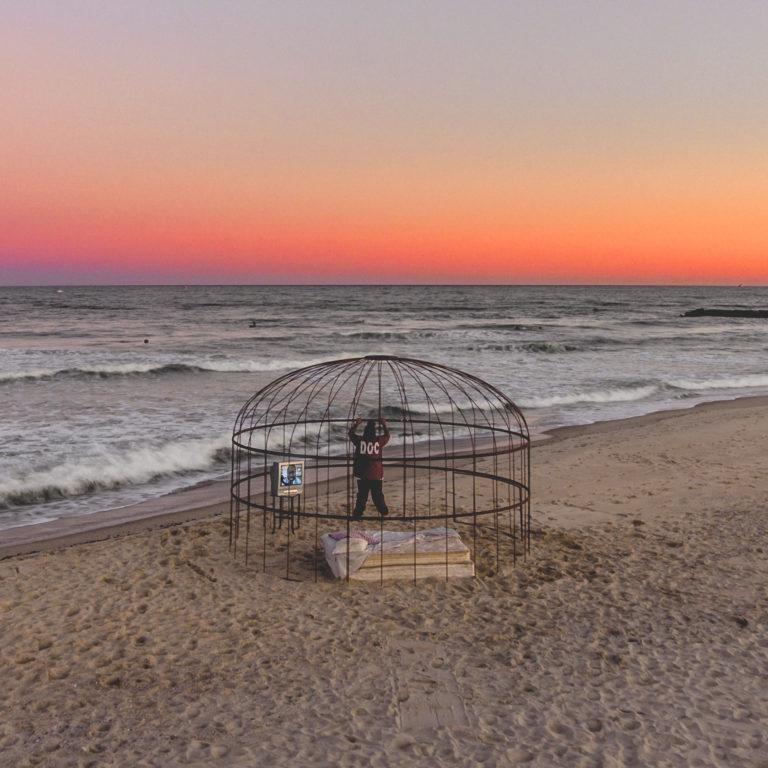
    I was fortunate enough to have the opportunity to interview project founder Fury Young and lyricist and performer B.L. Shirelle. I asked Shirelle what her favourite imagery from the music video was and she mentioned the scene on the beach (pictured below).

    She explained why this was her favourite imagery: “It just explains so much like how you feel when you’re not able to properly able to reintegrate. It’s like I’m out here, I’m free, I’m breathing the air. But it’s still like I’m locked the fuck up”. She explained what she meant by stating the following: “When I was locked up at least my mind was free. I could think, I could wonder, like do shit. Out here, I don’t even got that”.

    In summary, this article does not even begin to scrape the surface of the complexities of mass-incarceration and the symbolism that lies within “Die Jim Crow”. I urge everyone reading to Google the project and see for yourself the talent and thought that goes into the project. My full thesis will be available for reading in the spring/summer months are The Vaughn Memorial Library, but please do not hesitate to ask me any questions before then.

  • Research Feature: Victoria Taylor

    Research Feature: Victoria Taylor

    Marine ecosystems are difficult areas to investigate due to their vast ranges, but as a result of technological advancements, our understanding of ocean life including understudied marine microbial diversity is constantly improving. Marine fungi contribute to nutrient cycling as they are major decomposers of organic matter in coastal and marine environments. They reproduce and grow on woody and herbaceous substrates containing chemically recalcitrant lignin and cellulose. Lignicolous marine fungi produce enzymes such as cellulases, laccases, xylanases and peroxidases which decompose woody material.

    Some species possessing these enzymes can also degrade complex hydrocarbons, making them of interest for bioremediation of environmental contaminants. Considering 40% of the world’s oil travels by water during the production process, exposing marine and coastal environments to accidental spills, marine fungi have been of particular interest in recent years for their potential use in the bioremediation of crude oil spills in marine ecosystems.

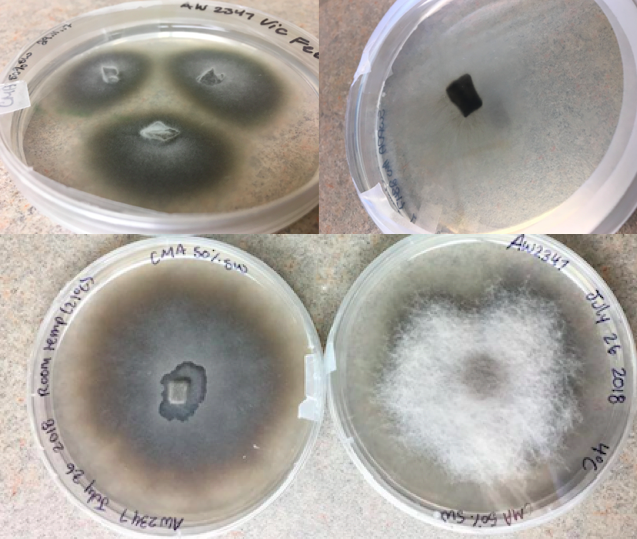
    In 2017, the Walker lab at Acadia University isolated a new species of Lulworthia, an obligate marine ascomycete fungus, from recently exposed intertidal wood from Apple River, Nova Scotia. There are currently 13 accepted species of fungi in the genus Lulworthia worldwide. Seemingly the largest genus of the marine ascomycetes, these fungi are often recorded as “Lulworthia sp.” as they frequently cannot be distinguished using long-established morphological techniques. Lulworthia atlantica, a closely related species isolated from submerged wood on the North coast of Portugal, was described in 2017. Using the same methodology, I genetically characterized a new species from the Bay of Fundy using rDNA as well as macro- and micromorphology. Phylogenetic trees were constructed for 3 rDNA gene regions, providing genetic evidence that it is a new species of marine fungus, provisionally named Lulworthia fundyense. The fungus grew faster at warmer temperatures, but sexual spores were not observed in culture, nor in wood block incubations at 4°C or 21°C. Asexual spores were observed and measured after 7-8 months, and I am currently describing this new species. Obligate marine fungi are understudied organisms and many do not sporulate in laboratory settings or only after prolonged incubation periods.

    This lack of knowledge on conditions that induce ascomata (fruiting body) production has greatly hindered experimental studies. Previous studies have shown that perithecia formation in Lulworthia sp. generally occurs after 100 to 200 days on submerged wood in environments where water temperatures are below 5°C. As sexual reproduction of L. nom. prov. fundyense was not observed after more than 300 days in our study, this fungus was either not grown in adequate sporulation conditions, or it is slower growing than previously discovered marine species.

    To acquire further knowledge on marine fungi, the development of new culturing techniques is required to induce sporulation to better understand novel species. This new fungus is now being tested for its ability to degrade crude oil. If L. fundyense is able to eliminate crude oil residues in the ocean, and we can optimize its growth, this could be an important environmental advancement in oil spill remediation and oceanic health.

    The issue of hydrocarbon contamination is significant as an estimated 3.5 million tonnes of petroleum hydrocarbons are introduced into marine ecosystems each year, negatively affecting the invertebrates, birds, mammals, and plants that inhabit these areas. This project emphasized the ecological importance of fungi and the need for further research on these organisms within each of Nova Scotia’s coasts, to identify biotechnological potential and develop new strategies to reduce marine pollution.

  • The role of genetics in understanding the Nova Scotia Blanding’s Turtles

    The role of genetics in understanding the Nova Scotia Blanding’s Turtles

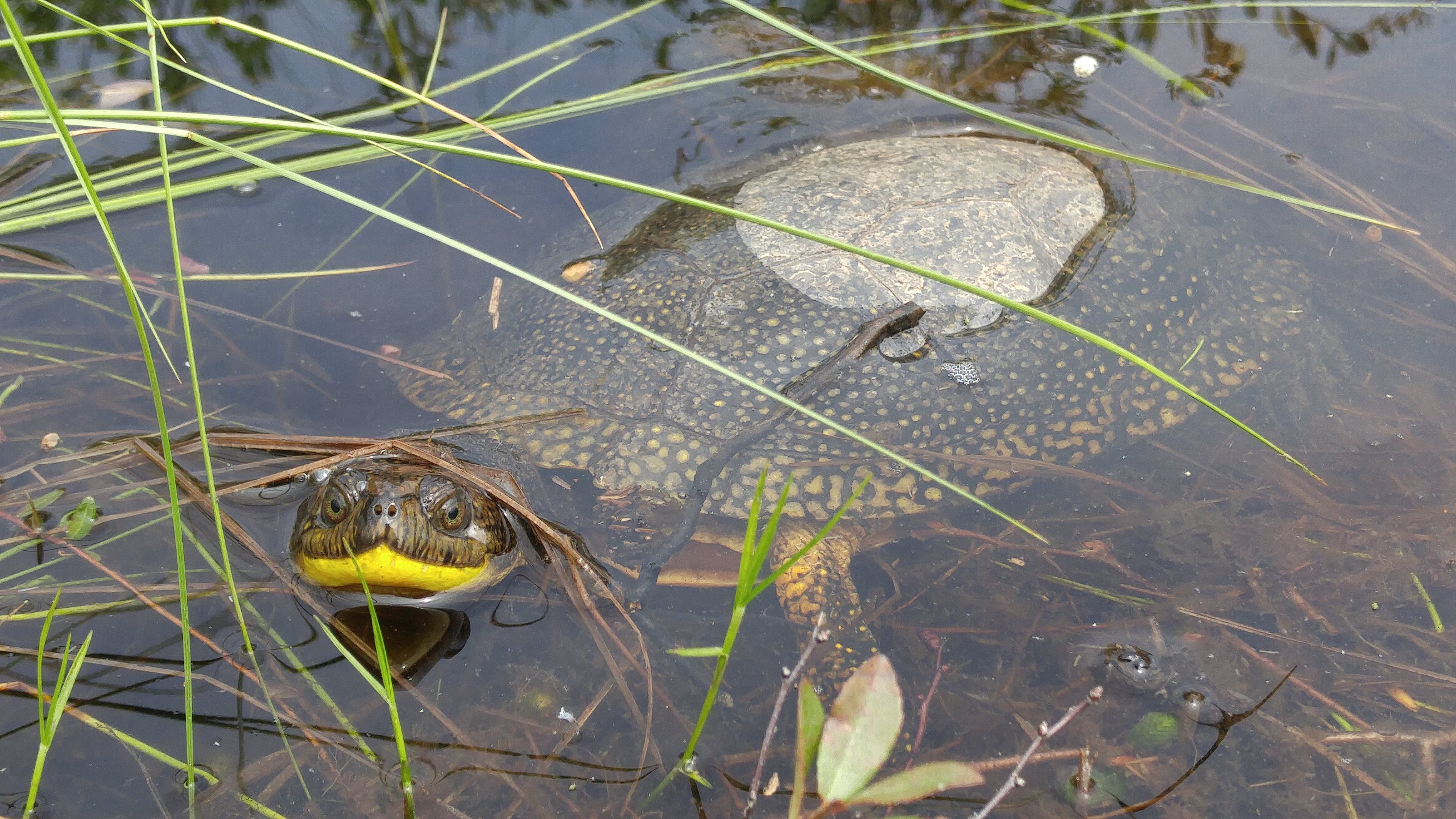
    Blanding’s Turtle is an endangered species and one of the four turtle species in Nova Scotia. There were three previously known populations of Blanding’s Turtles in the southern region of Nova Scotia.  The populations of Kejimkujik National Park and Historic Site, McGowan Lake, and Pleasant River contribute less than 250 mature individuals. A new group of Blanding’s Turtle was discovered in the Lower Medway and since its discovery in 2016 over 60 new individuals have been identified. This group is a welcome sign of Blanding’s Turtle resilience in Nova Scotia however their presence requires further investigation.

    As the landscape is continually altered for harvest, land development and roadways, turtles lose precious habitat. Losing habitat can be more than just a loss of living space but can also affect migration, nesting locations and opportunities to mate. Areas between group of turtles with proper habitat and waterways allow turtles safe passage with lower risk of dangerous encounters. Without habitat to facilitate movement between groups of individuals, it can be difficult to find food sources, areas to nest or encounter mates. If group numbers are low, inbreeding increases and can cause negative genetic effects due to a lack of genetic recombination. Overall this can lead to lower fitness, lower resistance to disease and a reduced capacity to respond to environmental changes. Considering that it takes a Blanding’s Turtle 20 years to reach sexual maturity this could result in a significant reduction in the breeding population.

    Analyzing DNA samples will allow us to explore the genetic structure of this new group of Blanding’s Turtles. This data will be compared to previous data collected from the other three populations of Blanding’s Turtle in Nova Scotia. Determining if this new group of turtles is a distinct population or an isolated extension of another population will allow us to build recovery plans at a scale that matches that of the species. This would mean dedicating the appropriate amount of effort and funding towards this group based on its size and need in relationship to the other populations. It is important to understand where to allocate funding and efforts for recovery actions to maximize benefits for the species overall.

    For this project, DNA will be isolated from blood samples we collect in the field. A process called Polymerase Chain Reaction (PCR) will allow us to amplify minute amounts of DNA for genetic analyses. The procedure involves an initial lysis step which releases the nucleic acids from the cell, that are then separated from the rest of the cellular material which is eventually discarded leaving the DNA behind.

    Using known sections of DNA called primers, PCR replicates DNA and makes millions of copies of these target sequences. These DNA ‘fingerprints’ can be analyzed for allele frequencies and subsequently compared to genetic profiles of other Blanding’s Turtles from Nova Scotia. Essentially, the process explores differences in the DNA at the same site (loci) on the DNA strand of different individuals. These differences can illustrate how closely related the individuals or populations may be at the genetic level.

    Allele frequency data not only informs on the genetic relatedness of the turtles but explores several other genetic factors, such as; inbreeding, migration, parentage, etc. With this information we can understand the physical and genetic factors that may impede development of this group of turtles. Understanding these issues is the first step towards overcoming them. With effort and time, these Blanding’s Turtles’ communities should be stable and not under a constant threat of extinction. It is the goal of every conservationist to see an endangered species thrive again and it is my goal to see the Blanding’s Turtles smiling faces for many years to come and long after I am gone.

    Carter Feltham is a candidate for a Master of Science in Biology and supervised by Dr. Russell Easy and Dr. Steve Mockford

  • K.C. Irving Environmental Science Centre: Connecting Students to Meaningful Opportunities

    K.C. Irving Environmental Science Centre: Connecting Students to Meaningful Opportunities

    The K.C. Irving Environmental Science Centre is a beautiful representation of the natural science community that exists at Acadia. The spacious and comforting Garden room with its’ cheerful citrus trees is a popular study place among students. The greenhouses are busy with various projects, and the downstairs laboratories are alive with professors and students doing interesting and often important work on everything from mercury contamination to seed preservation. It is obvious that the K.C. Irving Centre is a hub of academic activity.

    The K.C. Irving Environmental Science Centre is named to honour the founder of Irving Oil and Acadia alumnus, Kenneth Colin Irving. The Harriet Irving Botanical Gardens is named in honour of Kenneth Irving’s wife, Harriet Lila Irving.

    The centre, as well as the Harriet Irving Botanical Gardens, are gifts to Acadia University from his family, and were opened in 2002.

    In 2014, the Arthur Irving Academy was inaugurated by Arthur and Sandra Irving, son and daughter in law of Kenneth Colin Irving. The Arthur Irving Academy aims to support students in environmental studies through education, research and scholarships.

    While Arthur Irving Scholars are expected to become involved in activities in the Irving Centre, there are also opportunities for any motivated and hard-working student to become involved with the Acadia Seedbank, plant tissue culture work, the E.C. Smith Herbarium, the greenhouses, or the CARE labs. Such opportunities may help students further down the road, by helping to identify key interests  and providing  invaluable  hands on experience.

    The Arthur Irving Scholarships in Environmental Studies are awarded to students in the fields of Biology, Environmental Science, Environmental Sustainability, and Environmental Geoscience. Arthur Irving Scholars are expected to become active members of the K.C. Irving Centre community, by volunteering, and providing mentorship to younger students. The scholarship also aims to provide recipients with research and learning opportunities in the K.C. Irving Centre and Harriet Irving Botanical Gardens.

    Hannah Machat and Rachel Clarke, both Arthur Irving Scholars, offered their insights about their experience in the K.C. Irving Centre.

    Machat is a fourth-year environmental science student who has been in the Arthur Irving Scholarship program since her first year. She has had a variety of experiences with the K.C. Irving Centre throughout her time at Acadia that have exposed her to many different academic paths. Machat considers the many connections she made in the Irving Centre as having been integral to her experience as an environmental science student at Acadia.

    One of Machat’s experiences included working as a research assistant growing tomatoes for an aquaponics project, as part of her co-op work term in 2nd year.

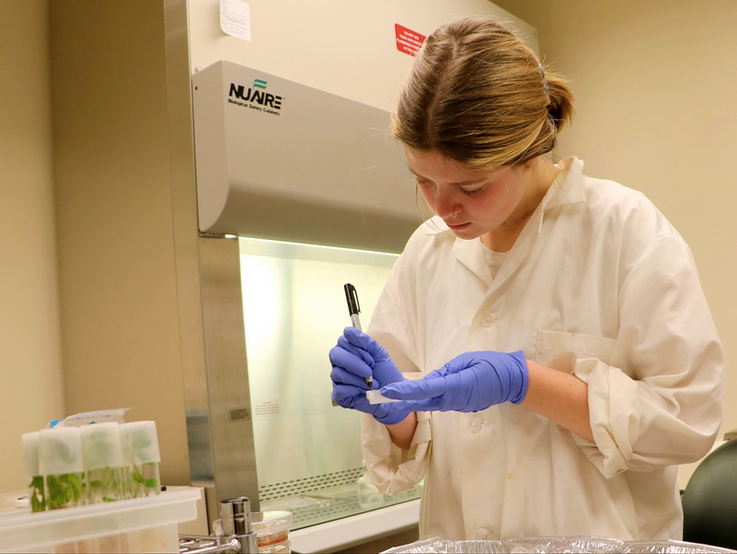
    In her third year, Machat completed her second co-op with Agriculture Canada. She also volunteered in the plant tissue culture lab in the K.C. Irving Centre. Both experiences were very valuable to Machat, who learned many laboratory skills and discovered more about her interests.

    Courtesy of David Kristie

    Now in her fourth year, her honours research is concerned with the reproductive consequences of the endangered plant Rockrose (Crocanthemum canadense) and florivory by the moth, Mompha capella . Although Hannah is an ENVS student, her research is supervised by Dr. Rodger Evans, a professor in the biology department.

    Rachel Clarke, now a Masters student upon having completed her undergraduate degree in Environmental Science through the Irving Scholarship program, has also had many diverse experiences as a result of her connections to the K.C. Irving Centre.

    At first a little unnerved about the prospect of eventually conducting her own research, Clarke started talking to some older Irving Scholars. Being exposed to the research conducted by the older Scholars made research seem more approachable– even fun and exciting.

    In her second year, Rachel worked as a lab assistant in Dr. O’Driscoll’s mercury lab, which ultimately led her to discover her interest in the field of contaminants and mercury. Rachel spent the summer after her second year a field and laboratory assistant, assisting in sample collection and preparation on Brier Island, Nova Scotia.

    Clarke in the field, courtesy of David Kristie

    By her third year, Rachel knew that she wanted to continue to work in Dr. O’Driscoll’s lab for her Honours research, largely out of the opportunities she had to work in the C.A.R.E. mercury laboratory in the Irving Centre with “such great people”. Her honours research was concerned with mercury bioaccumulation in invertebrates in Kejimkujik Park.

    Rachel has now been awarded a Master’s Irving Scholarship to continue her research on mercury contamination in Dr. O’Driscoll’s lab. Rachel’s Master’s thesis is concerned with the influence of water salinity on mercury reactions in estuaries and interconversions.

    While both Machat and Clarke are Arthur Irving Scholars, they credit the many opportunities they have experienced not just to the scholarship program, but to the many connections they made through the K.C. Irving Environmental Science Centre. These connections can be made by all students wanting to enhance their environmental education. The importance of connections was something that came up often in our conversation, and should not be overlooked by any students, Arthur Irving Scholar or not.

    As Rachel poignantly expressed, “when you get passionate, like-minded and driven students together, really interesting things can happen”. The K.C. Irving Centre is an incredible resource for making connections of all kinds– highlighting the increasing collaboration needed to overcome the environmental challenges of today.

    Sarah Lavallée is a first year ESST student and 2018-19 Arthur Irving Scholarship recipient

  • Research Feature: Zachary Visser

    Research Feature: Zachary Visser

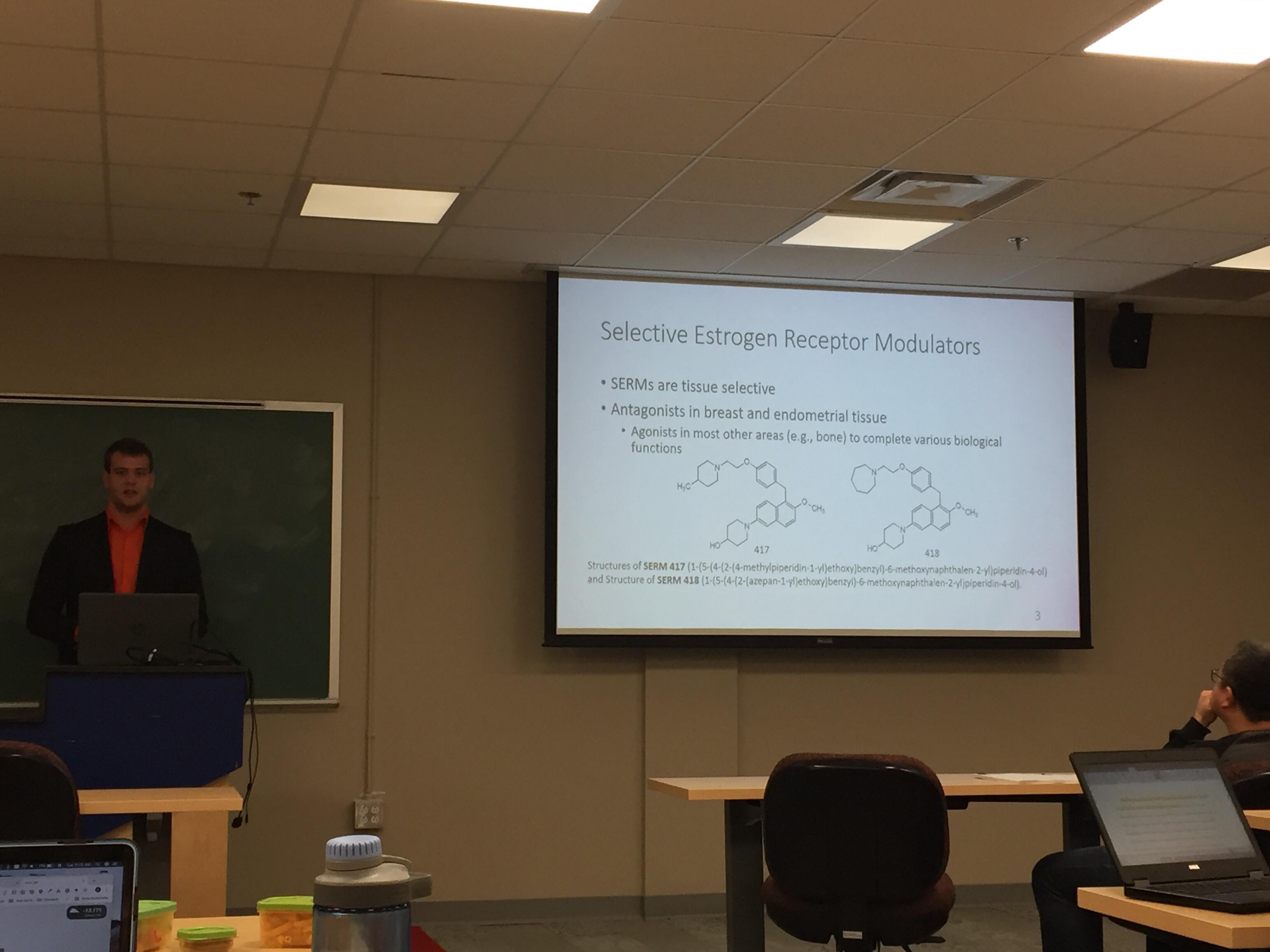
    My name is Zachary Visser and I am a fourth-year student pursuing my Honours in chemistry and double major in biology. The nature of my degree has allowed me to complete molecular biology research under the supervision of Dr. Russell Easy as my honours project in chemistry. My project looks at the gene expression profiles of novel Selective Estrogen Receptor Modulators (SERMs for short) when administered in banded killifish (Fundulus diaphanous). The novel SERMs have been synthesized by Dr. Amitabh Jha (Acadia Chemistry) and his research team, showing promise in initial biological assays. The main research objective is to assess the mechanism of action of these drugs. Mechanism(s) of action could provide indication of efficacy and tissue selectivity as well as possible indications of deleterious side effects.

    The novel SERMs are 6-(4-Hydroxypiperidino) naphthalen-2-ol-based, which essentially means they mimic the structure of the most common naturally occurring estrogen: 17β-estradiol. The need for SERMs is based on the conundrum of estrogen being essential for many biological functions, yet also being linked as a carcinogen (cancer-causing agent) for breast and uterine cancers. SERMs can be administered as an adjuvant hormone therapy in addition to other traditional cancer treatment options like surgery, radiation therapy, and chemotherapies. As the name suggests, SERMs (Selective Estrogen Receptor Modulators) are tissue selective, meaning they can cause varying effects in different parts of the body. Ideally, SERMs will cause agonistic (or estrogen-like) effects in many tissues of the body, carrying out those essential functions of estrogen. Yet, in breast and endometrial tissue, the SERMs should act as antagonists, inhibiting the growth and metastasis of cancerous tissue. There have been a few SERMs which have been used in clinical trials; however, the trials have been discontinued due to side effects including thrombosis, fatal strokes, and increased incidence of endometrial cancers. As a result, there is still the potential for SERMs which have the proper tissue selectivity and do not include deleterious side effects.

    My work has included looking at gene pathways being modified through administration of the SERMs. I have accomplished this through administering the SERMS, collecting tissues and subsequently quantifying RNA. Since our genes are first transcribed into RNA (from our DNA) before they are translated into proteins, we can assess cellular function by quantifying RNA. Some of the genes of interest I have been looking at include cyclin D1, foxP3, and rap1gap. All these genes are considered oncogenes, meaning their mutations could lead to cancer. The genes mentioned previously have functions related to regulating the cell cycle (the growth and replication of cells), acting as a transcription factor (regulator of various gene pathways, known to be overexpressed in breast cancer), and signal transduction pathways (cell-cell communication) respectively. My work has shown that the novel SERMs have played a significant role in regulating cyclin D1 in gill tissue. The cell cycle gene was upregulated when the fish were administered both novel SERMs and 17β-estradiol (natural estrogen). This agonistic result was observed for gill tissue – an antagonistic (downregulation) response would be expected for the SERMs on other tissues (breast and endometrial).

    Future work on this project would include looking at more tissues (including those where the SERMs should act as an antagonist) and more gene pathways. This would make the study completer and more robust, providing a more complete profile for the mechanism of action of these SERMs. This information would be useful for Dr. Jha and his research group for the movement of one of these novel SERMs to clinical trials, or potential future syntheses of more novel SERMs.

    Zachary Visser is a fourth year (Honours) Chemistry and Biology student and member of the Men’s Varsity Soccer team

  • Research Feature: Micheal Light

    Research Feature: Micheal Light

    Honey bees (Apis mellifera L.) are the most agriculturally beneficial eusocial insects for crop pollination. Chemical communication is critical in maintaining colony structure and activity, which may be exploited by some parasites. Varroa destructor (Anderson and Trueman) (hereafter Varroa) is regarded as one of the biggest threats to apiculture, blamed for annual colony mortalities of over 30%. My research tests whether previously identified odourants affect Varroa behaviour and investigating those that elicit minimal response in honey bees. Volatile collection involving in- and ex-situ techniques is being used to identify individual compounds and sensitivity of live Varroa through gas chromatography-mass spectrometry and gas chromatography-electrotarsal detection, respectively. Furthermore, volatile components confirmed as Varroa-active will be investigated for behavioral valence through behavioural assays and electro-tarsograms. In addition, this study will compare methods for in-situ capture of hive odours. Results from this research can then be applied to colony-wide testing of active odourants in developing effective alternative methods for Varroa control as well as developing methods for future research exploring chemical ecology of social insects.

Betzillo positions itself as a versatile gaming hub where structured bonuses and adaptive gameplay mechanics support both short sessions and extended play.

Built with a focus on innovation, Spinbit integrates modern casino architecture with rapid transactions, appealing to players who value speed and digital efficiency.

Ripper Casino emphasizes bold entertainment through high-impact slot titles and competitive promotions crafted for risk-oriented players.

A friendly interface and stable performance define Ricky Casino, offering a casual yet reliable environment for a wide spectrum of gaming preferences.

King Billy Casino channels classic casino spirit into a modern platform, delivering recognizable themes supported by contemporary reward systems.

Immersive visuals and layered slot mechanics are at the core of Dragonslots, creating a narrative-driven casino experience.

Lukki Casino appeals to players seeking direct access and minimal friction, focusing on fast loading times and intuitive controls.

Casinonic provides a structured and dependable gaming framework, blending modern slots with transparent operational standards.