
Category: Sports & Wellness

  • Monday Motivation

    Monday Motivation

    ‘I’m just trying to be everything my 13 year old self thought I would be!

    I remember sitting on my bedroom floor dreaming about what life would be when I was 20.

    I wanted to be a doctor.

    I wanted to do nothing with business #sciencelife

    I wanted to have the biggest friend group ever.

    I would finally get those abs I wanted.

    Maybe I could rock a swimsuit someday.

    I’m 20 now.

    I’m working to be a doctor every day.

    I started my own business, too #notonlythesciencelife

    I have the biggest, most supportive friend group ever.

    I’m the closest I have ever been to those abs.

    For the first time ever, I’m confident in swimsuits now.

    “Success” was a different definition when I was 13.

    Now, “success” is making myself proud every single day.

    Now, “success” is being 1% better every single day.

    Now, “success” is creating a life I’m happy in.

    FRIEND – 13 year old you had dreams for you. Make them proud.’

  • Mitch Marner Signs Extension with Leafs

    Mitch Marner Signs Extension with Leafs

    Toronto – On Friday evening restricted free agent Mitch Marner signed a contract with the Toronto Maple Leafs worth an average annual value of $10.893 million. The playmaking right winger will rejoin his hometown team as he looks to continue his excellent play after coming off his best season that saw him tally a total of 94 points, with 68 assists. Last year, those numbers were good enough to make Marner the 5th highest scoring winger in the league as he led the Leafs in scoring.

    Coming off a disappointing year that saw the Leafs lose in game 7 (once again) to the Boston Bruins, it was crucial to get Marner locked up as they vie to cement a cup contending team for the foreseeable future. Not to mention, avoiding the negotiating debacle that occurred last season with William Nylander, which gave the Leafs and General Manager Kyle Dubas, more than enough incentive to sign Marner as soon as possible. Dubas made it clear after the Leafs were eliminated in the first round of the playoffs last season, that getting Marner signed was the number one priority as they entered the off-season. Trading forwards like Nazem Kadri, Connor Brown, and Patrick Marleau, opened up much needed cap space to get this deal done.

    The Leafs have arguably the most talent in the NHL, but it has yet to translate during the most pivotal time of year; the playoffs. The Leafs have lost in the first round the last three seasons, and fans are becoming impatient. This will be one of the most important seasons for the team as they’ve had three years to let their young stars get playoff experience; and with the addition of Tyson Barrie to strengthen their defence, it is Toronto’s time to show the hockey world that the “plan” the Leaf’s organization has been talking about for the last 5 years, is ready to be fulfilled.

    Now that Marner is signed, the team can begin to focus on achieving that plan as they begin this 2019/2020 campaign. Dubas and the rest of management, have assembled a team with a core of players capable of beating any team on any given night. The only question is, will the Leafs rise to the occasion? Many believe they will, but only time will tell. Signing Marner lifts a huge weight off the shoulders of the team, management, fans, and the entire Leafs organization. They only thing left for the Leafs to do is prepare to be ready when their season begins on October. 2nd as they face the Ottawa Senators at home.

    This season in the NHL will be interesting for many reasons, and the Toronto Maple Leafs are right at the top of that list.

  • Uniting Community through Dance

    Uniting Community through Dance

    Dance is an outlet that many use to express themselves. It is a beautiful art form where individuals perform choreography to produce profound messages. These messages evoke great emotions in the audience, and in the dancers themselves. Olivia Dobson is a third-year psychology student who has been passionate about the art of dance since she was young. Olivia wanted to share her love for dance with Acadia and the greater Wolfville community. In particular, Olivia witnessed the great success of Acadia’s SMILE program, but noticed there wasn’t an accessible dance class that was widely available within the Annapolis Valley. Upon this discovery, Olivia began organizing a dance class to fill this gap in the Valley. Then, came the creation of Dancepiration. Dancepiration is a dance program that is designed to be accessible for individuals, primarily children and youth, of all abilities. Olivia’s dance class began in September of 2018 and has grown from eight dancers, to over twenty dancers since. The program offers an interactive dance class every week, where dancers move their bodies to express themselves in a way that many participants have never experienced before. 

    I sat down with Olivia to learn more about the tremendous initiative she created, and to see where Dancepiration will progress in the future.

    1) Why do you believe dance is such a powerful form of art?

    First off, dance is a multi-layered discipline, sport, and art form. I say that because I believe it involves four foundational elements:

    • Social Interaction (Communication): Dancing often involves cooperation and team work. Since our class practices as a group, each class is a social experience. The dancers work with one another by encouraging each other to do their best. Our dance class is a judgement free place where participants work with instructors to learn new dance moves, supporting each other along the way. I see our dancers learning from each other and even picking up on new dance moves by observing their fellow dancers.
    • Creativity: Dance is an opportunity for individuals to express themselves without the use of language. We teach our dancers structured dance moves, as well as guiding “expressive dance” sessions where we encourage our dancers to move their bodies in whatever form they desire. I am always in awe of how creative the dancers are with their movements. It brings me great joy to see our dancers move so passionately to the beat of music.
    • Physical Activity: Dance is a low-impact form of exercise that provides an immediate opportunity to work one’s mobility, balance, endurance, coordination, flexibility, etc. Since all of our dancers enjoy movement and music, dancing is a great way to enjoy physical activity! We try to stay moving as much as possible during our dance sessions; as well as improving participants’ flexibility at the same time.
    • Cognitive Skills: Dance requires concentration, attentiveness and memory, along with many other cognitive skills to execute dance routines. We often learn various dance choreographies, and I am always impressed with how quickly the dancers are able to perform the moves taught. Sometimes the dancers show up to class remembering the dance moves they learned previously, and perform them by heart; and sometimes, they remember dance moves even better than I do!

    2) There has been new research conducted in the field of dance therapy, can you speak to some of the research that has been done? Moreover, how does this research relate to your class?  

    An increasing amount of research is being published regarding the benefits of dance for individuals who have a disability. Dancing is an innovative form of therapy that has been shown to have positive benefits for all people, and especially for those who have a disability. The University of Montana is currently conducting research on creating accessible dance programs, as they “envision dance for all students.” Dance has been described as a “rich experience of exploring and creating, with the added benefits of lively movements that promote overall well-being.” Dancepiration aims to instill this creativity and well-being in our dancers. Our dancers naturally share a collective passion for dance, music, movement and the social experience that comes with the class.

    3) Can you describe to us the types activities you engage in during a dance session?

    In this dance class we engage in many different creative activities such as: attempting to make our bodies portray a snowflake falling gently to the ground, or a tree as the wind blows through its leaves, and other similar activities. In addition, we play dance-related games like “freeze dance”, “wax museum”, and “head-shoulders-knees and toes.” We frequently use the entire studio to perform our dances, while working on stretching and balancing our bodies as we do so. Each week we learn “mini” dances and practice them the following week to build on muscle memory skills; currently, dancers love to imagine being dogs as they dance to the song “who let the dogs out.” Last semester we learned a full dance routine and performed it on-stage for a live audience. Seeing the dancers perform for their loved ones was a highlight for me since starting this program. This semester, we are learning a full dance routine for a show in April.

    4) This is obviously a great initiative that many individuals are benefiting from. Where would you like to see this program going forward in the future?

    Honestly, I just want this program to become more well-known around campus and the community. I am so grateful to have met the dancers and their families, who currently participate in the class. The dancers who have participated so far are so talented and bring such a light to my life. I hope that Dancepiration can continue offering dance classes for anyone who is interested. A specific goal moving forward is to divide the dance program into separate dance classes for participants of varying ages. I also want to build a website that will allow individuals and their families to sign up easily, and to share information about the class more widely. Having volunteers from the Acadia Dance Collective at each class has been amazing because the dancers bond with instructors, and can receive one-on-one attention.

    Upon graduating in 2020, I hope this program will be established enough so that my successor can continue growing the program to reach more interested individuals. Having the opportunity to speak with you will hopefully introduce many more interested participants. 

    I want to thank Olivia for taking the time to sit down with me and inform us about the tremendous program that she has started, and the remarkable things the program has already achieved in its short existence. It is passion like this that makes Acadia such a special place, as Olivia exemplifies how just one idea can turn into something extremely meaningful for so many. As said by a dancer’s parent to Olivia, “You are touching the hearts of so many people. Not only the participants, but as a parent seeing your child dance, smile and interact with others, it makes me so happy.” I look forward to seeing Olivia develop this program further, as it will surely bring happiness to so many going forward.

    If you wish to learn more information about participating or volunteering with this program, please email: [email protected]

    Sebastian Farkas is a third year Politics student and Sports and Wellness Editor of The Athenaeum.

  • Sports Hall of Famer Sutton awarded Honorary Degree

    Sports Hall of Famer Sutton awarded Honorary Degree

    Warren Sutton (’63) was 21 in 1960 when he came to Canada for the first time, traveling in a car with legendary Acadia basketball coach Stu Aberdeen to suit up for the Axemen.

    A star player, Sutton had started his basketball career three years earlier at Alfred University in Alfred, New York. While there, he began a romantic relationship with the school treasurer’s daughter. Unhappy about it, the treasurer put pressure on school officials to have Sutton, an African American, end the relationship or face expulsion. Unwilling to do so, Sutton withdrew and moved to New York City.

    While he was in New York City, his coach, Pete Smith, put Sutton on Aberdeen’s radar. Smith, who was working with Aberdeen at a basketball All-American camp, told Aberdeen about Sutton, which prompted a conversation between Sutton and Aberdeen. Sutton says, “he knew I wanted to continue my education and spoke to me about coming to Acadia. Come September, Stu packed me up with his wife and newborn and we were off to Nova Scotia.”

    Although Wolfville is about the same size as Alfred, the move was an adjustment for Sutton. “I had been living in New York City for nine months, so it was a bit of a culture shock, but I was able to adjust,” he says. The atmosphere, though, was completely and refreshingly different. “The people were wide open and welcoming. I didn’t know what to expect. I had never been out of the country, and I didn’t know much about Canada, but was prepared to try a new adventure and continue my education.”

    Sutton describes his Acadia experience as one of the best of his life, partially because of the way people regarded him.  “When I went to Alfred, my image of myself was as a basketball player and that’s how I thought people saw me and related to me,” he says. “When I came to Acadia, I found that my friends accepted me for me. It wasn’t so much a basketball thing. It made a whole different environment for me because they saw me as a person.”

    Awesome experience

    A stand-out in his first year, Sutton helped the Axemen win the Maritime Championship for the first time in over two decades. “We had a good nucleus for the team. It was an awesome experience, all the guys got along. It was really fun,” he says.

    Unfortunately, an eligibility issue cut short his second season and “I didn’t hang out with the team a lot after that. It was too hard,” he says. “But as far as the campus and the guys I knew on campus, it was the same thing. They were relating to Warren the person, not Warren the basketball player.”

    After Acadia, Sutton chose to remain in Canada instead of returning to the United States. He worked as a business systems analyst and project manager until he retired, coaching basketball in his free time. “Coaching was always a hobby, but I worked in the computer field since the early ’60s. That’s what paid the bills,” Sutton says. He coached university women’s basketball and club league, where he led teams to multiple championships.

    Sutton was inducted into Acadia’s Sports Hall of Fame in 2012 as an individual and a member of the 1960-61 basketball team, which he considers quite an honour. “I only had one season there, so I must have made an impact or impression to get in with just one season. And our whole team was inducted, so that was like a double bonus,” he says.

    Sutton has also been inducted into several other sport halls of fame for his playing and coaching abilities. He tries to return to Acadia as often as he can, calling it his second home. “I come back frequently. Last time was in November 2016 when they renamed the gym the Stu Aberdeen Court.”

    Kind words

    Nearly 60 years after his controversial relationship drove him from Alfred, Sutton has nothing but kind words for the university. “I perceived it quite differently from a lot of other people. They saw me as a victim. I never put this on the university; I always saw this as one or two or three individuals who were involved in the process,” he says.

    On May 13, 2017, Sutton was awarded an honorary degree from Alfred University. In a press release dated Feb. 24, 2017, Alfred University President Mark Zupan said, “awarding an honorary degree to Warren Sutton helps heal a wound suffered in 1959 by one of its greatest all-time student-athletes.” The release also notes that “Alfred University honors him in 2017 not for his extraordinary basketball skills, but for his character and his history.”

    “I received a written apology from the president last July,” Sutton says. “He hadn’t even been inaugurated when he contacted me. A few days later I got a phone call from the chair of the board of trustees and he indicated that Alfred wanted to present me with an honorary degree. The apology was a total surprise and I didn’t expect it. It was welcome, though. The times were different back then, but at least they wanted to make amends.”

    While the apology and award were nice, the support he received from his peers was overwhelming. “I got loads of support from across the country from some of my former classmates and teammates, and some of them traveled pretty far to come to the convocation and support me. That was the amazing part; people I hadn’t seen in 40 or 50 years came to support me,” he says.

    Drawing from his experiences, Sutton has some advice for young students today. “You have to pursue your own goals and objectives. You shouldn’t be influenced by your peers or what people are saying. Sometimes you just have to go against the grain and follow your beliefs. Whether it’s social, business, whatever, you just have to take the step yourself. If it works, great, and if it doesn’t, you still tried.”


    Clancy Waite (’15)

    Originally published in the Acadia Alumni Bulletin

  • Thank you, Acadia

    Thank you, Acadia

    I’m still struggling to wrap my head around how quickly 5 years can go by. I remember like yesterday my 18th birthday, and the first day of Axemen Football training camp. During my first meal hall experience, I was kindly instructed by a 5th year player to stand up on my chair, announce to the packed meal hall that it was my birthday, and sing happy birthday to myself. At the time (feeling slightly embarrassed), I had absolutely no idea that it would be the first of countless memories from Acadia that I would look back upon and grin ear to ear.

    I grew up watching the Acadia Axemen play football, and at every game since I started playing at age 9, a friend or family member in the crowd always said, “That could be you someday.” Becoming an Axemen football player became my dream; and I couldn’t be more thankful that for 5 years, it was me. Something they didn’t mention to me at age 9 was that Acadia would be much more than just football.

    It wasn’t an easy road. There were midterms I’d forgotten about, labs I submitted with just a title page, upwards of four shoulder separations, and even finding out how well Coach Cummins can project his voice a couple of times. Thankfully, I had the support of so many incredible people in this community, and to each and every one of you I could not have had this amazing experience without you.

    Choosing to study Kinesiology is something I haven’t regretted for a single second, with one potential exception being the biomechanics final. From the top-down the entire department is packed with wonderful individuals eager to help you succeed. Administratively, I could never have made it without Kim Vaughan and Peggy Weir’s help, the support of our tremendous professors, and all the classmates who supported my absurd procrastination and knew that if I asked you a question about the assignment, I was looking for an answer pretty quickly.

    During my time here, I had the opportunity to be a part of groups that easily prove how special the individuals we have at Acadia really are. From the SMILE program to Relay for Life, Cardiac Rehab to the Acadia Players Association, the amount of passion students bring towards giving back to the community is incomparable to any other university. The time, energy, effort and kindness displayed each day by so many students is what makes Acadia much more than a university and is what truly engrains us in the community.  

    Wolfville – don’t ever change. Well, maybe change the cover at the Vil, that’s getting out of hand.

    There’s just something special about this place, an energy that can so quickly turn heading out for one beer with a couple of friends into one of the best memories you’ll have. The support our community gives Acadia Athletics, and the entire Acadia community, each week is never overlooked. We played our AUS Championship game at 2:00 on a Tuesday, and that was the most electrifying moment I’d ever seen at Raymond Field. Thank you to all of our fans and supporters who came out each week to stand up and cheer whether we were winning or losing, whether it was hot or cold, or whatever the circumstance.

    Being a member of the Acadia Axemen football team will forever be one of my proudest accomplishments. Teammates quickly became brothers and those relationships built through the blood, sweat and tears will last forever. The 2017 AUS Championship is and will forever be amongst the best moments of my life. That moment is not possible without the dedication, hustle and commitment of each and every individual in the program, not just in 2017 but also in the years leading up. From our coaching staff to athletic therapists, strength and conditioning staff, and equipment managers, nutrition consultants and all support staff, I wish I could give you each the thank you that’s deserved. You showed up each day, gave your full effort and did it all with a smile on your face. I appreciate each and every one of you more than you’ll ever know.

    No matter how hard some days may have been, I always knew I had family within the Acadia community. I failed tests, took W’s, fumbled the ball, missed blocks, had too many tequila shots and questioned what in the world I was doing 95% of the time. At the same time though, I made lifelong friendships, grew up at least a little bit, and met some of the best people in the world.

    Thank you, Acadia. You gave me an opportunity I could never say thank you enough for. It wasn’t always perfect, but it was always my dream.

    Cam Davidson is a fifth year Kinesiology student and accomplished running back of Acadia’s Football Program. 

  • A Wake-up Call for Sexually Violent Language in Sports

    A Wake-up Call for Sexually Violent Language in Sports

    In light of the recent hockey brawl that took place on Saturday, February 2nd between St. Francis Xavier University and Acadia University, several individuals have reached out to me disappointed with the way Acadia handled the situation. Armed with the facts, I interviewed multiple people with the hopes of accurately representing the feelings of students about the brawl. Some individuals within this article remain anonymous due to positions they currently hold on campus and within the Acadia community.

    In case you haven’t been keeping up with the news, during the third period of the hockey game, both the Acadia and St.FX players were engaging in typical hockey banter. Acadia player Rodney Southam was pushed into the opposing team’s box during the banter and it was in that moment Southam, as identified in his official statement, told St.FX captain Sam Studnicka “You look like a little ******* rapist”. Studnicka, who has a relationship to a sexual assault survivor, was deeply affected by this comment and as Studnicka faced off against Southam minutes later the brawl ensued.

    Since the second week in February, the conversation around the brawl died down following the official statements from Southam and Acadia University. But this conversation is one that should be talked about and not pushed under the rug.

    A distraught student wanted to highlight that “Acadia is bending over backwards to protect a player with poor sportsmanship and who may not be innocent of sexual misconduct himself, meanwhile [the university] has no strong nor functional Sexual Violence Policy (SV Policy) in place”. This student acknowledges many sexual assault survivors on campus do not feel nearly the same kind of support that Southam has received for his role in the continual appropriation of sexually violent language.

    Jenna Purkis, Head of Acadia’s Mental Health Initiative, informed me while “Acadia currently does have some infrastructure in place to respond to incidents of sexualized violence but all Nova Scotian Universities, per the 2015-2019 Memorandum of Understanding, are required to have a ‘stand-alone sexual violence policy’, which is still in development at Acadia.”

    While Purkis assures there have been serious developments towards the creation of a functional SV policy in this past year such as a consultation with students in November and faculty regarding the current presentation of the policy in December, these proposed changes, as of late-February, have not been adopted into the current draft. This news means Acadia is not as close to having formed a working SV policy as students and faculty would have liked. The distraught student points out that due to the lack of progress since 2015, “Acadia’s commitment [to creating a functional SV policy] seems as strong as a toothpick”.

    Purkis, along with this anonymous student both expressed sexual violence is an issue affecting individuals on campus and the best way for Acadia to show their support to victims is to finalize a working SV Policy.

    Purkis supports her beliefs by noting that “Acadia can and should verbalize their support for victim-survivors, but Acadia’s good intentions mean very little if we do not have an adequate policy in place to follow through.”

    Through the individuals that have reached out to me, it has become apparent that while Acadia can do their part in supporting victim-survivors by creating an SV policy, there is a larger problem at hand. Students have expressed that sexually violent language in sports has become appropriated and is now unfortunately embedded in ‘sport culture’

    Samantha Teichman, a leader in Commit Sociology, held a community discussion following news of the brawl. The aim was to discuss in a diplomatic manner Southam’s response statement and the problems with using sexually violent language in sports and how, if possible, to fix this appropriation. In a comment from the Commit Sociology community discussion, students said that “the response must come from more than the individual players but a change from the institutions themselves.”

    Currently, Acadia uses a system called Bystander Intervention Training (BIT) with their Varsity Athletes. The goal of BIT is to prepare athletes to become active bystanders who are ready to intervene in similar situations such as the brawl. Teichman noted the community touched on how Acadia’s hockey players currently undergo BIT but agree that “when events like this arise and our repercussions are not sufficient, these preventative measures (BIT) ring hollow. It was agreed [by Commit Sociology] that this event should be a time for reflection and furthermore, a learning opportunity”.

    “I’ve heard “sensitivity training” for athletes suggested as a means to address incidents like these”, Purkis noted regarding the brawl. “While I do think training and programs such as BIT (in which many athletes receive mandatory training) can be useful, they absolutely are not “the” solution. They are superficial remedies for a structural and cultural problem; we can employ trainings like these to convey a message about the seriousness of sexual violence, but that message means very little without serious follow-through and consequences”.

    In a conversation with another student who asked to remain anonymous, they believe that Acadia must be strict when it comes to sexually violent language and they must punish instead of protecting any student who does so.

    If students are able to use this kind of language and get away with it, or worse be protected by their institutions, change will never come. This is a critical problem affecting universities across the country. At this point, the only way to rid ‘sport culture’ of sexually violent language is for these institutions to hold students responsible for their words.

    Sexual Violence is a critical issue on university campuses. It is my understanding, through the various conversations I’ve had regarding the topic, that this hockey brawl is a chance for the university to take a step back and address how they can learn from this incident and improve the stature of things on campus. Instead of worrying about their own or their player’s reputations, Acadia should be using this opportunity to show support to victim-survivors on campus and make the changes necessary to improve our institution.

    Commit Sociology “hope[s] to see a more constructive response of how to prevent the use of sexually violent language in sport moving forward”.

    “The ASU denounces all forms of violence on campus. The ASU has been an advocate for enhancing all forms of student wellness on campus” stated George Philp, ASU President in response to this article.

    “This year our Executive and Council have been active in ensuring better access to medical professionals at the Dennis Clinic, which is better staffed this semester than it has been in years. The ASU has been a strong leader in our work with the Acadia Student Resource Centre to role out the Nova Scotia Bystander Intervention Training to more students including many of Acadia’s varsity athletes. This year’s Executive has spearheaded the modernizing of Acadia’s Non-Academic Judicial Process to better support survivors of sexual violence and we look forward to the implementation of Acadia’s Sexual Violence Policy in the coming weeks. Again, the ASU is proud of the funding, services, and advocacy that we provide for all students and violence within our campus community is never justifiable.”

    Rylie Moscato is a first year English student and Columnist for The Athenaeum

  • Player Insight: What is it like to play in the WHL?

    Player Insight: What is it like to play in the WHL?

    Junior hockey is a staple for so many Canadian households. Players are treated like NHL stars in many of these communities and junior hockey unites small towns across the country. Canada is home to the best junior hockey league in the world: the Canadian Hockey League (CHL). The CHL is an umbrella organization representing three amateur leagues in the country: the Western Hockey League (WHL), the Ontario Hockey League (OHL), and the Quebec Major Junior Hockey League (QMJHL). These leagues serve as developmental leagues for young hockey players that want to improve their skills and hopefully pursue a career in the NHL (commonly referred to as the “Show”). These are the best junior hockey leagues in the world, and year after year they graduate some of the best players in the world. NHL Super Stars like Sidney Crosby, Connor McDavid, Mitch Marner, and many others began to hone their skills in these very leagues.

    So, what is it like? What is it like to be playing in one of the best three junior hockey leagues in the world? What is it like to face off against future legends of the game? Carter Czaikowski is a former defenseman for the Portland Winterhawks of the WHL. Carter was born and raised in Calgary, Alberta, where he began playing hockey for the Crowchild Blackhawks of NW Calgary before moving on to play for the Northwest Calgary Athletic Association (NWCAA) at the bantam AAA and midget AAA levels. Carter was drafted in the sixth round of the 2013 WHL Bantam Draft to the Portland Winterhawks. He was the Winterhawks’ first pick in the draft and went on to play three seasons for the team.

    I sat down with Carter to find out his experience in the WHL.  

    To begin, how did you get into hockey in the first place?

    It’s a funny story. My mom put me in figure skating when I was four years old, and I loved it, until we started doing twirls and whatnot. When that started, I tossed my figure skates and grabbed a hockey stick because that’s what I wanted to play. With that being said, I believe that figure skating during my youth was paramount to building a strong skating base and moving forward with my hockey career.

    At what point did you realize that you were just a little bit better than everyone else, and had a chance of playing at a high level?

    I don’t know if I was better than everyone else as much as I simply loved the competitive aspect of the sport, and always pushed myself to become the best player I could. As far as playing at a high level, that was never my main goal. All I wanted was to grow into the best player I possibly could: if I did that, the level I played at was bound to take care of itself.

    I want to take you back to the day you were drafted by the Portland Winterhawks. It’s funny because I don’t know if you remember where you were when you got the call, but I was sitting beside you in the computer lab at St. Vincent and I just remember how happy and excited I was for you. What was that day like for you?

    It was a special day for sure. The bantam draft is one of those days where anything can happen, and it is hard to predict what team will pick you, or if you will even be picked for that matter. I was very thankful that Portland saw potential in me and gave me the opportunity to try and take my game to the next level.

    You chose to take the WHL route instead of the college route by playing in the AJHL (Alberta Junior Hockey League), why?

    My biggest reason for taking the WHL route was the amazing scholarship program the league offers its players. My family and I hold Canadian universities in high regard, and I wanted to complete my post-secondary education in Canada. In addition, the WHL gives its players the opportunity to play against some of the top talent in the world, all while balancing a schedule that is modelled after a professional schedule (72 regular season games). I believed it was the best place to develop as a young hockey player with lofty aspirations.

    Can you describe to us what it was like to be living on your own at such a young age? Additionally, can you tell us what a billet is like, and describe life in Portland?

    Moving away from home at a young age was an adjustment. To do it at 16 years old, just entering grade 11 of high school, posed some difficulties. But I genuinely believe it allowed me to mature quickly by learning important life skills. I was very fortunate to have amazing billets throughout my junior hockey career. These families take you in at a young age and treat you as one of their own. It is a very special bond and I still keep in touch with each family that I lived with over the years. Before moving to Portland, I did not know much about the city. Upon moving there, I learnt that it is a beautiful place with endless things to do. The people there are very kind, and I was able to make many meaningful relationships in Portland.

    Is there something that you think many people do not know about junior hockey?

    One thing that most would not know is the difficulty that one faces while playing junior hockey away from home during high school. It was a significant adjustment and I believe over time it allowed me to become a better student because I became diligent with my habits, especially in terms of understanding the value of completing things ahead of time. For example, in the month of October in my grade 11 season, I attended only seven or eight days of class, as our team was on a long Eastern road trip at the time. I was lucky to work with fantastic people who scheduled our schooling, and ensured we were accommodated to write tests from abroad, etc. Sue Johnson, our academic advisor played a big role in my academic career and I am forever grateful for all that she did for me.

    During your time in Portland you had some injuries, and were in and out of the lineup – can you describe what that was like and the challenges it posed?

    Injuries are extremely difficult to handle in sport as they put you on the sidelines for a substantial amount of time. I remember not being able to do anything for a prolonged period of time, and being the type A personality that I am, this was extremely difficult. However, one thing I learned from these experiences and believe has helped me since, is the importance of patience. There are times when the best thing you can do for yourself is nothing. This is something I initially found extremely uncomfortable, and I still battle with the notion today; however, learning to be patient has helped me grow as a person. Equally, another difficulty is getting back to game speed as your timing and instincts are off after returning from injury. Things that have always been second nature suddenly become foreign, and this can be immensely frustrating as it takes time to regain those instinctual tendencies that are often taken for granted. Through hard work and a relentless mindset, those habits are regained, and game speed feels natural again.  

    You played with some special players during your time in Portland (Oliver Bjorkstrand, Cody Glass, Paul Bittner, Nic Petan, etc.), what teammate taught you a few things?

    One of my teammates that I learned a lot from was Cody Glass, who happened to be one of my closest friends on the team. Cody and I spent a lot of time together and one thing that I always admired about him was his genuine love for the sport and his “never quit” attitude. He is a special player, and an even greater person, who I know will have great success as a professional.

    Mike Johnston was your coach in Portland: can you describe what it was like to have him as a coach? Especially, as he coached in the NHL for the Pittsburgh Penguins, and had the opportunity to coach Crosby, Malkin, Letang, Fleury, and other high-level athletes during his tenure.

    Mike Johnston is a coach that expects a lot from his players but is fair in his expectations. I was lucky to have him as a coach as he taught me a lot about the game, but also in terms of how individuals should carry themselves on and off the ice. Through and through, Mike is a professional, who portrays a level of decorum that you don’t see everyday.

    I have to ask about Cale Makar. Obviously, growing up you got to know him pretty well as you two were the star defensemen at what was formerly called Crowchild Hockey Association in NW Calgary. How does it feel that you had the chance to share the ice with Cale, and got to know him personally while growing up? Did you ever think he was going to be this successful playing the game?

    Cale is a class act. To this day, he is still the same person he was when we were young. I was fortunate enough to be really good friends with him when we were younger, and we were able to push each other to become better players both in practice and on game days. I am not surprised by the amount of success he has already achieved in his young career due to his absolute passion for the game. Cale, like Cody, is a special person who loves hockey in a way that few do. I am excited to continue watching him grow and achieve great success in the future.

    Did you ever think you could make the NHL? If so, was that always your dream?

    When I was a boy, like any Canadian growing up, I thought I had a chance of playing in the NHL. Once upon a time, that was indeed my dream. I believe that having that goal enabled me to become a better hockey player each day. The life lessons I gained from striving towards this goal are unparalleled, and I am thankful that I was a boy with big dreams.

    If you had to do things over, would you do it again? After having time to reflect, would you still have taken the WHL route?

    Absolutely. I am not one to live with regrets and I believe the lessons I learned both on and off the ice, are not learned in many other environments. The WHL is a tough league to play in, and it is something that I was fortunate enough to do.

    What has it been like to be away from the game for some time now? Did you ever consider playing U Sport Hockey or college hockey in the US?

    Being away from the competitive atmosphere of junior hockey has been a change of pace. Although, I believe my competitiveness in hockey has translated into forming my approach towards my education. I did consider playing U Sport hockey, but I have thoroughly enjoyed playing a different pace of hockey in my intramural league at school and at various other skates I participate in.

    Finally, describe to us what you have been doing since leaving the game? And what is the new goal for Carter going forward now that hockey is behind you?

    Since leaving the game, I have been working towards a degree in Supply Chain Management at the Haskayne School of Business here at the University of Calgary. I am in my second year of studies and have enjoyed my time here considerably. As for new goals, I am focused on getting into law school in Canada and working towards becoming a corporate lawyer. I have applied many of the lessons I learnt in hockey to my schooling, and I love the competitive nature of my business program. With that being said, I am taking it one day at a time, as I am still focused on becoming the best version of myself each day.

    I want to thank Carter for taking the time to sit down with me and tell his story about being a player in the WHL. I look forward to watching him succeed in the future, wherever he decides to take his life next.

    Sebastian Farkas is a third year Politics student and Sports and Wellness Editor of The Athenaeum

  • Counselling for Varsity teams and why #BellLetsTalk is Problematic

    Counselling for Varsity teams and why #BellLetsTalk is Problematic

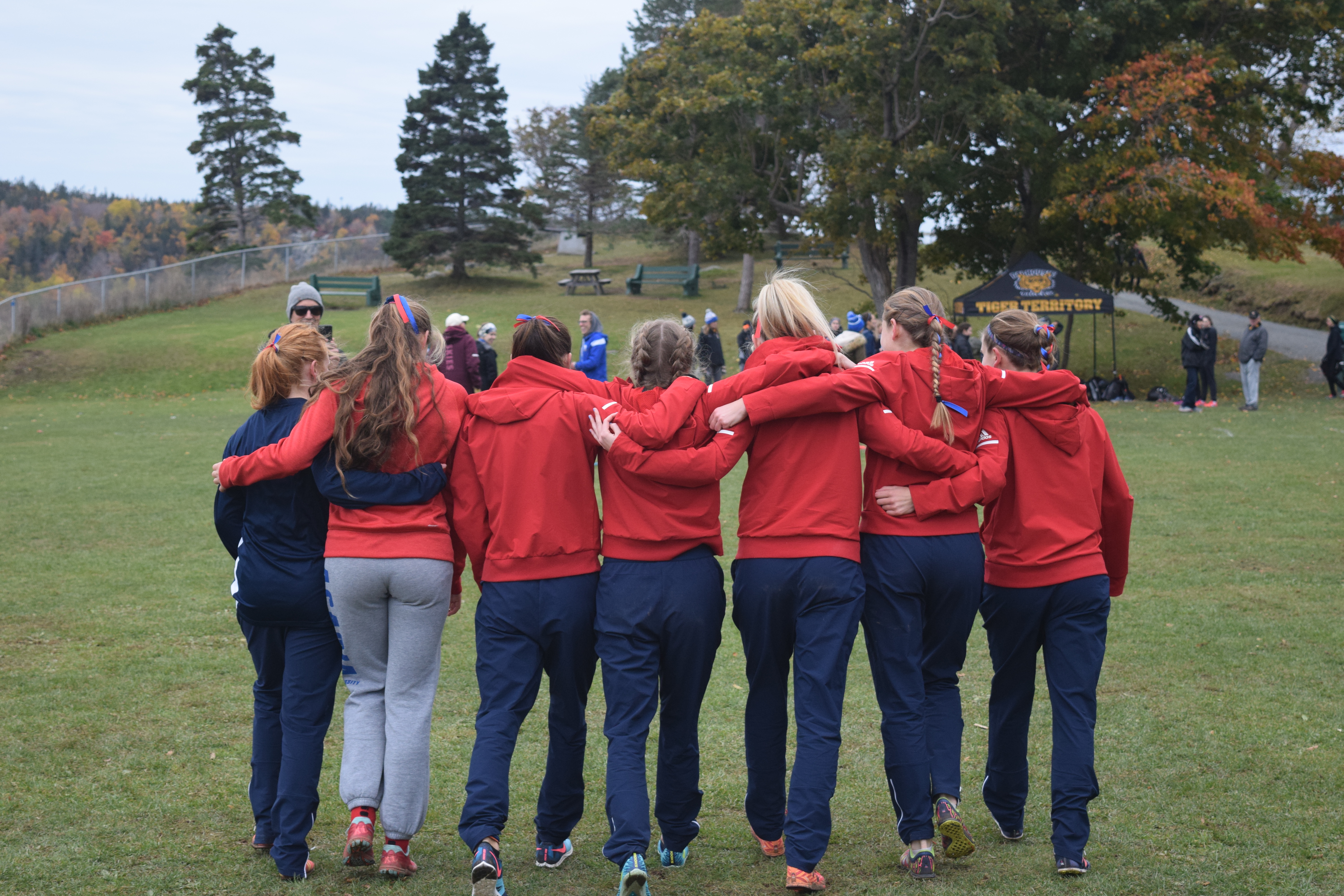
    As a student-athlete on the women’s Varsity Cross Country Team, it’s often very challenging to keep up with not only academic pressure but also athletic pressure and expectations. Being part of a team means that there are conflicts, but I feel exceptionally proud to be part of a varsity team.

    Right now, mental health supports at Acadia are limited to the Peer Support Centre and counselling in the Old Students’ Union Building. I don’t believe that these supports are enough. Acadia University needs to hire counsellors specifically allocated to varsity teams that understand the pressures of academic responsibilities on top of athletic pressures. Training eight times a week takes its toll on the body and mind so these specific supports are essential.

    While Acadia University has many athletic therapists to provide attention to the physiological aspect of one’s well-being, the mental health of athletes is not addressed effectively. Hiring counsellors who understand academic pressures and athletic pressures is necessary. Counsellors would be just as much of a part of the staff just as athletic therapists.

    Varsity athletes are expected to be strong not only physically but mentally. Having mental health challenges doesn’t make you weak, it makes you human. Addressing these challenges within a team environment where student-athletes have support before and after practice and during competition days would be hugely beneficial. Varsity team counsellors should be just as much of a part of the team staff as athletic therapists. Mental health is just as important as physical health, if not more.

    While the #BellLetsTalk hashtag is aimed to support to ‘mental health initiatives’ across the country, we have to wonder what mental health initiatives are being supported. This vague umbrella statement leaves a lot of questions up in the air. One of mine questions is simple: where is the money is going and how much of it is going directly to ‘mental health initiatives’?

    One of the aims of #BellLetsTalk is to create an open discussion about mental health and mental illness, yet this requires that students talk about their own mental health challenges. Many people don’t feel comfortable doing so. The vulnerability of students should not be feeding a campaign that is based on a capitalist model.

    An alternative strategy would be for money raised from #BellLetsTalk to support different branches of therapy, through counselling, music therapy programs, art therapy programs and others based on student voices and a student need.

    I believe that there has to be a far more effective strategy to address mental health challenges within post-secondary institutions across Canada. The restructuring of this campaign may be effective if students knew where this money was going, what this money was being used for, and how much of the money is going to towards external costs.

    Being in my last semester at Acadia University, I hope that students who address mental health challenges in the future are heard so they have all the supports they need to thrive.

    Jennah Lay is a fourth year Sociology student and member of the Women’s Varsity Cross Country team

  • Benefits of Bullet Journals

    Benefits of Bullet Journals

    Like most people, every time I buy a new journal, I feel the promise of what is to come. Unsoiled pages bound perfectly by an unbent spine always excite me when I first open a new journal. There are so many ways I could use this space: to pull abstract ideas from my brain and put them on paper, to draw, to release anger, and to solidify my to-do lists, among others. All these thoughts are good in theory, but after about two weeks of use, I tend to find the journals better suited to my bookshelf than my backpack.

    With a new year comes an urge to do better, stay on top of things and not lose motivation as the months pass. After watching a lot of YouTube videos and reading many articles I decided that in 2019 I would give bullet journaling a serious try. In November and December, I played around with the monthly bullet journal to help me stay on top of things and scratched the surface of bullet journaling. Between Pinterest, coworkers and friends, I have heard my fair share of claims that “bullet journaling is easy and extremely helpful”. The reality of bullet journaling, however, is a concept that took me by storm.

    In essence, the bullet journal is designed to become whatever you want it to be. You could use it to track your water intake, sleep or period cycles, you could use it to creatively write down your favourite quotes and stories, or you could use it to simply plan out your week.

    I started by purchasing a Leuchtturm1917 Medium A5 Journal, as it was the brand most recommended to me. Based on the aforementioned YouTube videos, I’ve learnt that for me, what would work best is a journal is set up to accommodate a whole year, with each month having a separate spread. And so, I began to start planning my 2019.

    For me personally, setting up for the year meant including longer term spreads. I made pages such as “year at a glance”, where I designed the calendar for each month and recorded birthdays or important events that had already been planned, as well as a yearly goal page, a “stuff to check out” page, a travel page, and a monthly polaroid page where I include one polaroid from each particular month. I tried to make this 2019 set up very minimalistic so that it would be easy to follow and keep up with, and so that I wouldn’t look at it as a year-long commitment. If you are looking to try bullet journaling, I highly recommend spending some time on YouTube to find inspiration and help setting up spreads.

    The bullet journal for me is a way of being productive as well as creative all in one. I don’t feel pressured to write in it and therefore I find myself more inclined to do so. When it came to preparing monthly spreads, I decided to make goals for things that are important for me to track and be mindful of. I took my time drawing and colouring the first page of the upcoming month and then I chose my trackers of the month. I will consistently track my period, water intake, sleep and moods every month, but sometimes (depending on my actions the previous month) I might add extra trackers such as screen time or exercise. By tracking everyday activities, I am able to view my health in a different light. I can see how one habit may be affecting other habits as well. In addition to trackers, I do weekly spreads within the monthly one in order to view each day of the week and what I need to do when. This is really helpful when it comes to school, as I’ve been discovering, because it allows me to realistically construct a timeline for each project or reading I have due.

    While I may have just hopped on the bullet journal train, it has already been very helpful in my day to day life. My trackers remind me to be wary of my bad habits and having my weeks and goals for the year set out in front of me helps me to become motivated in completing these tasks and goals. My bullet journal is not time consuming, it is just another routine task in my day that I am developing into a habit in order to create the best version of myself. At first glance, I was skeptical about the bullet journal, but I am quickly starting to realize that while bullet journals don’t work for everyone, they do work for me and were definitely worth trying out.

    Rylie Moscato is a first year English Student and Wellness Columnist for The Athenaeum

  • For When It All Becomes Too Much

    For When It All Becomes Too Much

    One of my New Year’s resolutions for 2019 is to take better care of my mental health, and I definitely don’t feel like I’m alone in that decision. I think in recent years there’s been a pretty dramatic improvement in how we talk about mental health, but we can always do better.

    I want to focus on the concept of self-care. A lot of corporations have taken the term self-care and made it into just another way for them to sell you stuff…

    “Planet Advertising in America orbits completely around the need to convince the uncertain consumer that yes, you have actually warranted a special treat. This Bud’s for You! You Deserve a Break Today! Because You’re Worth It! You’ve Come a Long Way, Baby! And the insecure consumer thinks, Yeah! Thanks! I AM gonna go buy a six-pack, damn it! Maybe even two six-packs! And then comes the reactionary binge. Followed by the remorse. Such advertising campaigns would probably not be as effective in the Italian culture, where people already know that they are entitled to enjoyment in this life. The reply in Italy to “You Deserve a Break Today” would probably be, Yeah, no duh. That’s why I’m planning on taking a break at noon, to go over to you house and sleep with your wife.

    -Elizabeth Gilbert, Eat Pray Love

    ….but that’s entirely missing the point. Sometimes self-care does look like in advertisements or on social media: a face mask, a bath bomb, a new book, a meal out. And that’s great! Little luxuries are fantastic and no one is a bigger advocate of them than I (ask my family about me and bubble baths, they’ll tell you). However, to make self-care contingent on how nice it looks on your Instagram story is to miss out on what self-care actually is: things that you can do for yourself to help you feel good/get through the day/what have you, rather than just another excuse to buy stuff.

    So, my point. I want to discuss a few of the slightly less glamorous ways to practice self-care. I haven’t always stuck to these perfectly (hence the necessity of a resolution), but they have gotten me through some pretty tough times. University is not always an easy place to be, and I hope that maybe they’ll help you too.

    Develop morning and evening routines

    Everyone’s schedule is different and so are their personal needs, so what this looks like will differ for each individual. However, having these in place helps me immensely on days when even getting out of bed (and going back to sleep at night) feels like a challenge. Try to keep them flexible enough so as to give yourself leeway for when things come up (as they so often do when you’re living the student life), but once you find something that works for you, stick with it. One thing I would recommend including is picking out clothes for the next day before going to bed. It’s such a small thing, but it makes getting out the door the next morning feel ten times easier.

    Unplug

    The world is a stressful place to be sometimes, and I’m not just talking about the near-constant bombardment of apocalyptic-sounding news headlines. As wonderful as our small Acadia community is, it can feel like a bit like a pressure cooker sometimes. At a school where everyone knows everyone else’s business and the rumour mill never takes a break, even passive participation in campus culture can be hard on the head. I don’t quite know why this is, but very often people are quick to tell me quite personal things despite us only meeting recently; thus, I end up entertaining a lot of gossip and I always regret it afterward. If this sounds like you, take a break. It’s okay to disable your social media accounts, even temporarily, if that helps. It’s okay to tell a friend “I don’t have the mental space for this right now” if their gossiping is getting to you. Do whatever you need to do to not feel stressed out about your environment; try to remember all the good things about being here. It’s way easier said than done, but try not to stress about things you hear through the grapevine. What people have to say about you or those you love is none of your business, and it almost always reflects more on the person saying it than anyone else.

    Reach out

    We’ve all heard this one before: if you’re having a hard time, talk to someone. However, for many people, myself included, that is far easier said than done. I have struggled immensely with opening up to people for pretty much as long as I can remember. Part of that was because I always felt like opening up to someone had to be this big dramatic thing where I cry for a million years and the other person gives some sappy motivational speech. It doesn’t, though. It can be as simple as being honest with someone when they ask how you are. If you’re having a shit day, say so! Chances are they’ll be sympathetic, and it feels much better to commiserate with someone over a rough day than it does to fake more cheerful small talk.

    Reaching out goes both ways, however. If you think a friend or acquaintance is struggling with something, take a second to ask them if they’re alright. Don’t push them, but if they do want to talk, be there as best you can. It’s hard to feel like all you can do is listen, but most of the time that’s all people need. University can be an incredibly isolating experience for some, so try to create as many moments of genuine connection as you can.  

    I would like to end this article by letting you know that if you’re struggling, you are not alone. If talking to a friend doesn’t feel like enough, there are many resources you can try. The ASU has the Acadia Mental Health Initiative, the university has a Counselling Centre that also offers online assessment tools, and the Nova Scotia government recently rolled out a new program called HealthyMindsNS, which aims to make professional online and telephone counselling available 24/7 to students at all 10 universities in Nova Scotia. Please seek help if you think you might need it. Whether you feel like it or not, your presence on this campus and in this world is valuable, and you deserve to be happy.

    Good luck this term, my friends. Let’s take care of ourselves this semester and beyond.

    Mallory Kroll is a fifth year Economics student and Managing Editor of The Athenaeum

  • The Calgary Stampeders are Grey Cup Champions

    The Calgary Stampeders are Grey Cup Champions

    The 106th Grey Cup was awarded on Sunday as the Calgary Stampeders were crowned champions at the historic Commonwealth Stadium on a cold winter’s night in the city of Edmonton. The Stampeders were led by quarterback Bo Levi Mitchell, who was able to lead his team over the hump as they won their first Grey Cup since 2014, after losing the previous two previous Grey Cups. The Stampeders defeated the Ottawa Redblacks, who got the better of the Stamps in 2016.

    There were many questions coming into this game, specifically ones revolving around the Stampeders, as the Stamps had lost the previous two Grey Cups after being the favourites in both games. Many doubted Bo Levi Mitchell, who has had considerable success in the regular season and holds the best regular season record as a starting quarterback in CFL history but has not had this success translate into the post-season. However, those doubts were quickly forgotten as the Stamps scored the opening touchdown of the game on a beautifully orchestrated screen pass that saw running back, Don Jackson, take the pass 21 yards to the house for a touchdown. The Stamps did not look back from the there as they continued to force the ball down the field.

    In the end, this game really came down to turnovers. Any coach, player, manager, or anyone who knows anything about football will tell you that if you are able to win the turnover battle, you are more than likely going to win the game. That is exactly what the Stamps did, as they forced Trevor Harris, Quarterback for the Redblacks, to make many ill-advised throws that led to 3 interceptions, which tarnished any hopes the Redblacks had of winning this game. The final turnover numbers conveyed this reality as the Stamps took the ball away from the Redblacks six times, and only gave the ball away twice.

    Aside from the game itself, there were many reports that cited major complaints from the players about the quality of the field in Edmonton as many players were not able to get their footing during the game. You could see it during the telecast as players were forced to change their shoes in an effort to combat the less than favourable field conditions. CFL on TSN analyst Milt Stegall said after the game, “I feel bad for the fans who watched this game because they definitely did not get their money’s worth.” The field conditions were definitely an issue, but both teams had to play in the conditions and the Stamps were the team that did a better job of making the necessary adjustments to win the game.

    Sebastian Farkas is a third year Politics student and Sports and Wellness Editor of The Athenaeum

  • Atlantic Schooners the Name of the Proposed CFL Team in Halifax

    Atlantic Schooners the Name of the Proposed CFL Team in Halifax

    Edmonton – On Friday November 23rd, two days before the 106th Grey Cup, the announcement was made in Edmonton that the CFL team coming to Halifax, Nova Scotia would be named the Atlantic Schooners. Talks about a team coming to Atlantic Canada have been ongoing in the CFL for some time, but nothing had really materialized until recently.

    Earlier this month, a group called Maritime Football Limited Partnership (MFLP), together with the CFL, put forth a ticket drive campaign along with a “name the team” contest to spark excitement at the prospect of a team making its way to Halifax in the near future. The name “Schooners” has some relevance as it was first proposed in the 1980s in the hopes of adding another CFL team to the league at the time, but things never quite materialized.

    The team will look to begin play as early as the 2021 season: the only thing they now need is a stadium. MFLP placed a bid for stadium that would be constructed on the east side of the Halifax harbour, and would seat approximately 24, 000 fans. The estimated cost of the stadium is between $170 and $190 million dollars, and MFLP has expressed that they will need help from the public to construct this stadium. The team has begun receiving this public support as there have already been 5,000 deposits put down for season tickets for when the team hopes to begin play.

    The CFL’s commissioner, Randy Ambrose, is very excited about this team coming to Halifax. In his words, “As Canada’s national league, the CFL aspires to have a presence from coast to coast. Our players want to play in the region and our fans tell us they want the league to expand east. We’re happy to see fan excitement growing for an Atlantic franchise.” This idea of the CFL as a truly coast to coast league with teams in all corners of the country is becoming a reality and many, both fans and players, are eager to see this reality in action in the coming years.

    Sebastian Farkas is a third year Politics student, and Sports and Wellness Editor of The Athenaeum

  • Men’s Rugby: Season Conclusion

    Men’s Rugby: Season Conclusion

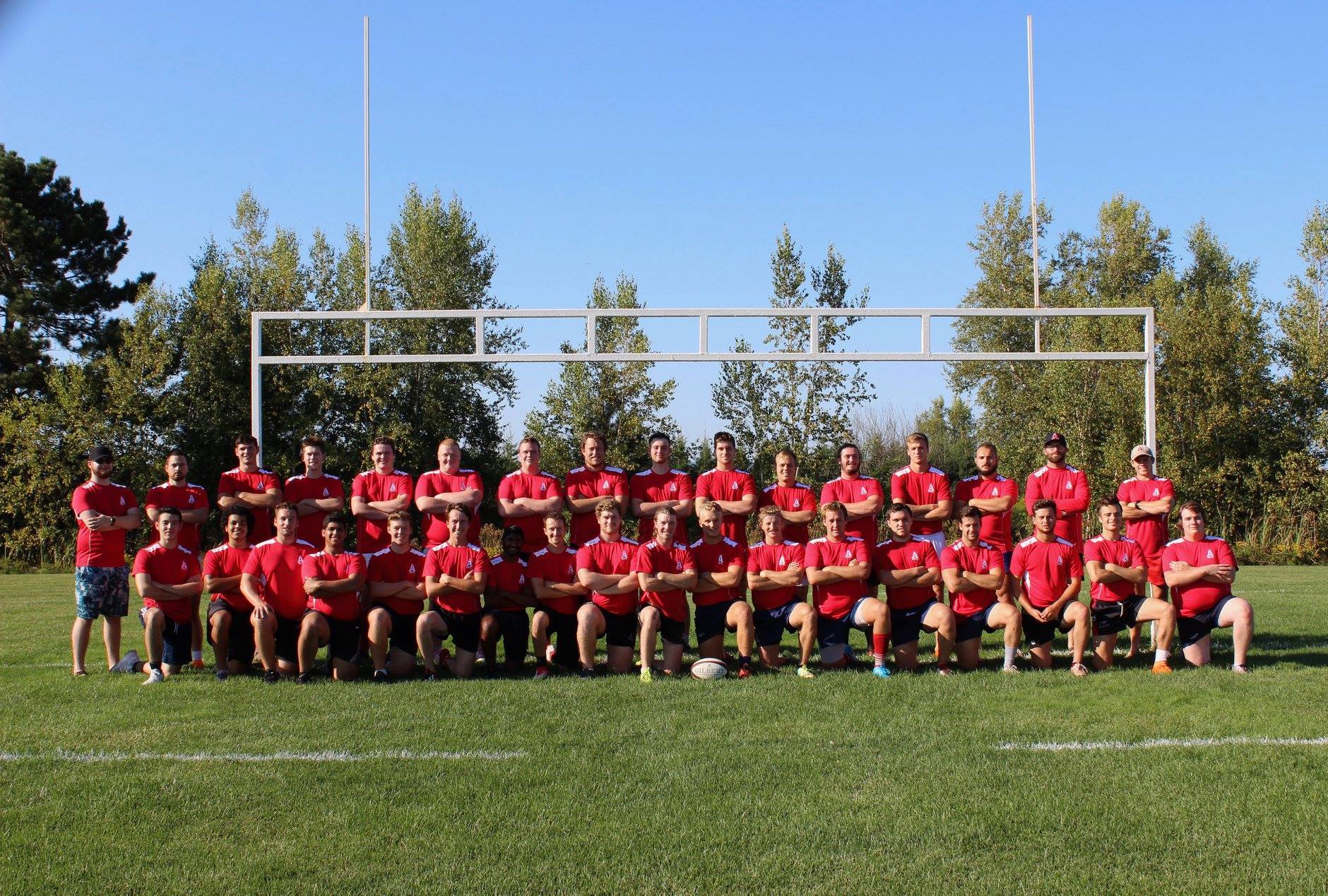
    The conclusion to the Acadia Men’s Rugby Club season was a bit of a mixed bag.

    The First Division hosted the provincial final in conjunction with the CIS women’s national tournament on Raymond Field against the St. FX X-men. Acadia spent the weekend volunteering at the event, building anticipation for the Saturday evening game throughout the team. The weather was poor, but it didn’t matter: this was our opportunity to capitalize.

    The first half saw Acadia dictate the pace of the match, with an almost typical individual major score from constant threat Conor Sheehan and Daniel Simpkin’s stellar sideline conversation. St. FX scored a solo try off a long run from broken play, but things looked positive for Acadia going into the second half.

    Credit will be given where credit is due, and commentary on the match would be incomplete without a nod to the St. Fx defensive line. The second half saw Acadia run phase after phase deep in the St. Fx half, with a X providing defensive stand that would eventually win them the contest. X’s backline would break through late in the game, and time ran out. Final score Acadia 20, St. Fx 29.

    Directly following the First Division match, the Killer Bs kicked off their Nova Scotia final against the biggest team in the league, Cape Breton University. Using their size, CBU took an early lead, causing spectators to assume a blowout. ARFC had other ideas. Through spectacular attack from some first year players, and leadership from Captain TK Kim, the Killer Bs sent it to overtime.  The comeback was complete, and celebration ensued. The Killer Bs were headed to Maritimes.

    The following week of training saw the previously jammed Raymond field vacant, and the boys took advantage. Quality sessions led by coaches Axel Lawrence and Ryan Alguire, both ARFC Alumni, prepared the Bs for the final. While the First Division didn’t get a shot at UNB, the Bs did, and they delivered again. A strong team performance including man of the match worthy play by Tyren Desmond saw a decisive victory. After two overtime victories in weeks prior, the first Maritime Championship in Second Division history finally happened. In the true spirit of the game, ARFC hosted the Ironmen for the 3rd half at Joe’s Food Emporium at 11pm. What a story for the Killer Bs.

    I stated the ARFC’s playoff run was a mixed bag. It’s true. We had a goal of sending our first division side to Victoria, BC for the second ever men’s national tournament. We didn’t accomplish that goal. This is fact, and it is still a very bitter pill to swallow.

    Holding the trophy for the first time in Club history, the leader of the Killer Bs, TK Kim took the proverbial mic and addressed the team, coaches and some friends and family. In that moment of victory he didn’t speak about tries, or individual performances, or winning, or what have you. In that moment he expressed gratitude to our coaches and talked about how much he’ll miss playing alongside graduating players, who he referred to as friends. We may not have accomplished our goal, but we accomplished our purpose.

    See you in August.

    Eamonn Sullivan is a fifth-year Psychology major and scrum-half for ARFC

  • Surviving Flu Season 101

    Surviving Flu Season 101

    At this point of the fall, you’ve either had the flu/cold or are about to receive it. If for some reason you manage to escape flu season without so much as a sore throat and runny nose colour me impressed because you must be invincible. For those of us regular folks, it is more of an inevitability when it comes to being cursed with the sickness. In order to help those who have not yet been infected and bring some relief to those sick ones who have, welcome to Surviving Flu Season 101: tips and tricks to preventing that flu:

    1. Get Your Flu Shot

    This may be the most obvious way to beat the flu but you would be surprised how many people don’t go down and get their flu shots (myself included). All you have to do for this one is suck it up and go down to the clinic for the shot. It really is that easy. While this trick is not going to guarantee keeping that pesky cold away, it is a good way to prepare yourself against the flu.

    1. Avoid Unnecessary Stress

    Stress really does hamper your ability to stay healthy. Between assignments, labs and exams it can be really hard not to be a little stressed out. Do yourself a favour and get your work done. The sooner you study and complete assignments the less stress you will have later when the due date is fast approaching. Avoid unnecessary stressors and take a break during your day to unwind. Maybe give meditation a shot.

    1. Catch those Zzz’s

    Your body needs the opportunity to charge and recharge the energy drained during the day. Getting your sleep is important for your body to be working to fight your immune system. When you aren’t sleeping for the proper amount each night, your body is more prone to catching infections. Try staying in bed an extra 10 minutes a day, by the end of the week you will have slept an extra hour.

    1. Clean Your Desk

    With a little dusting and a disinfecting wipe, your desk can go from flu central to a germaphobe’s dream in just a few minutes. Desks are a hotspot for germs to sit and linger. Your keyboard? Covered in germs. Pencils? Probably gross. Your cellphone? Trust me you don’t want me to go there. Curb the germs and invest in some disinfectant instead.

    1. Wash Your Hands

    This has been preached since you were in elementary and somehow there are still people who just don’t understand. Don’t worry I’ll repeat it for you. Wash. Your. Hands. Think of all the things you come into contact with throughout the day. A lot of things = a lot of germs. So just humour me and wash and sanitize your hands before and after eating and using the washroom.

    Done all the above and yet you still managed to catch a cold? Don’t worry I’ve got some tips for you as well. Surviving Flu Season 101: Tips and tricks to making it out of the sickness alive:

    1. Take Some Time To Rest

    Sleep, relax, take some of the stress off your body. The more you rest when you first get sick, the more likely your body will be able to repair your immune system and fight against the virus. This may even call for you to miss a lecture for an extra hour of sleep. Your mind won’t be able to properly function while battling a virus and so taking the time to heal will get you back out in the world faster and healthier than if you had not.

    1. Breathe in the Steam

    Fill the bathroom sink or a bowl with some boiling hot water and breathe the steam in for several minutes until you start to feel some relief. This can ease congestion and open up your nose and throat giving your congestion a much-needed break. This tip may not heal you but it sure will have you feeling good even if just for a few minutes.

    1. Drink! Drink! Drink!

    Make sure you drink a lot of fluids. Although juices will help it doesn’t hurt to force some water in your body. When you are sick you are at the most risk of becoming dehydrated. By refreshing your body and staying hydrated you can help turn that gross mucus into a more thin liquid that is easier to cough up.

    Hopefully, my survival guide has helped you to overcome or postpone the annual virus that has been floating around. If you try your best and follow my tips you just might even make it out as a survivor by Christmas.

    Rylie Moscato is a first year English student and Wellness Columnist for The Athenaeum

  • What it’s like as an NCAA athlete in Alabama

    What it’s like as an NCAA athlete in Alabama

    College sports are held in high regard by many, and, as a result, some athletes are treated like stars in their local communities. As Canadians we get a taste of that, but it cannot compare to our neighbours to the south. College sports in the US are on a totally different level. Millions of people, millions of dollars, and millions of hours are invested into American college sports every year.

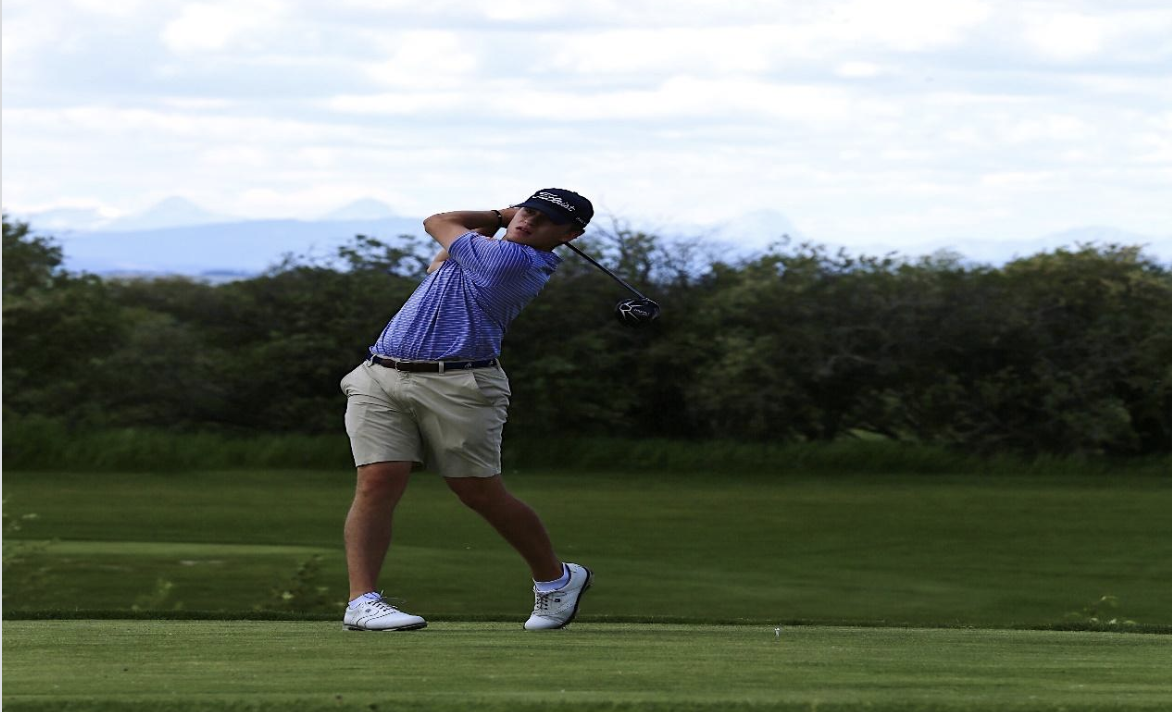
    What is it like to be an athlete directly involved in the phenomena that is NCAA sports, and to have the glory that comes with competing under that logo? I had the opportunity to conduct an interview with Josh Berze, an athlete who is entering his second season of play as a member of the Samford Bulldogs Varsity Golf Team in Homewood, Alabama. Josh was born and raised in the city of Calgary, Alberta where he grew up a very successful multi-sport athlete. Some of his highlights include being a participant in the 2012 Junior Little League World Series in Taylor, Michigan, playing Bantam and Midget AAA hockey, and collecting multiple top-finishes as one of Alberta’s top junior golfers.

    I sat down with Josh to find out what life has been like as an NCAA athlete in the state of Alabama.

    How has the year been so far?

    As a team we finished the fall season strong. We had a little bit of a rough patch in the middle of the season where we weren’t playing our best, but we finished the fall season strong with a 4th place finish at our final event of the season in Georgia. Since then, the early season rankings have come out, and we are not happy with where we sit, but this tournament has made our team eager to improve our ranking by continuing the solid play into the spring schedule as we look to make a run for the conference title this year.

    Individually, I didn’t qualify to play in any team tournaments this fall as I had some rough qualifying rounds in August. However, since then, I feel I have shown better form as I am hitting the ball well, driving it well, hitting my irons well, and putting well which has allowed me to feel confident about the things I can accomplish this upcoming spring season.

    How did you get into golf in the first place?

    I feel like I had a unique upbringing in golf in that I really only played a couple times per year before I was in grade 8. I really had no interest in the game, and only went to play because I was forced to. However, once I began playing high-level hockey in grade 8, I felt like I needed a break, and golf was that break for me.

    My dad purchased a membership for me at the local golf club by my house (Country Hills G&CC), and I began to bike there everyday after school to play and practice until the sun went down. I would do that everyday no matter the conditions, and this is where my love for the game really took shape.

    You were a pretty good hockey player growing up and had opportunities to further your career at a junior level – but you chose golf instead. Why? Was that a difficult decision?

    I played hockey at the Bantam AAA level, Midget AAA level, played a few games at the Junior A level, and attended two Western Hockey League (WHL) Camps hosted by the Swift Current Broncos. However, when it came down to golf and hockey I was really a “seasonal athlete”. What I mean by that is when it came time for hockey season that’s all I did, and I didn’t want anything to do with golf during that time. The same was true when it came time for golf season.

    In Grade 12, I had a really strong final year playing Midget AAA and was signed to play with the Calgary Canucks of the Alberta Junior Hockey League, the following season. But a golf opportunity arose and honestly, I felt burnt out from hockey. I felt this golf opportunity was a unique one that I probably would not get another chance to pursue.

    Even though it was a very difficult choice to make, I am happy with the decision I made because I love golf and everything that comes with it. I will always be thankful for the experiences I had in hockey: they have made me a better person, and taught me many life lessons that no other experiences could.

    Why did you choose Samford?

    I was lucky to attend Samford when I did. Initially, I began my college career in Kansas at the NAIA level with the dream of playing division 1 golf. Some unfortunate events occurred that led to the school shutting down its golf program, and I was then in a search for a new program. My coach at the time understood this was my goal, and helped me get into contact with a few different schools: Samford was one of those schools.

    There were definitely a few things that stuck out about Samford that enticed me to compete for their team. Obviously, it is a division 1 school competing in a highly competitive conference and it’s one of the top-ranked schools in the South for academics. In terms of location, Birmingham, Alabama, but more specifically Homewood, Alabama where Samford is located is a beautiful spot to call home during your college career. We are close to all the big-time schools like Alabama, Vanderbilt, Auburn, Georgia, which gives us the ability to compete on some of the most pristine courses in the country.  Everything just seemed to line up perfectly for me here at Samford, and it’s a great place to be.

    What is it like living in Alabama?

    Alabama is different, I can’t lie about that. People are different in the way they talk and dress, and the way they live their life is different than what I am used to. One reason I think it’s different is because Alabama sits in the “bible belt”, and people here are deeply committed to their faiths.

    Besides that, people are laid back here, and are extremely personable and nice individuals. People say that Canadians are nice, which they are, but I truly feel the same way about Alabamians. Everyone is so friendly, and they always ask how your day is going. It’s just common courtesy around here to get to know a person before you start doing business with them.

    I still feel like I stick out like a sore thumb when I talk sometimes. I use certain slang being born and raised in Canada, that they have a hard time comprehending sometimes. They like to say “y’all”, where in my case I say “eh” like any Canadian would, and they definitely get a good chuckle out of that. It’s been really cool to interact with these guys and learn how they live.

    However, they love hearing about my experiences too, being Canadian and what it’s like to grow up there. I love sharing my experiences with them because I feel proud to be Canadian, I feel proud to be from Western Canada, and I feel proud to be a Calgary native.

    If you could tell someone what they need to do to be a successful as an athlete in college, what would you tell them?

    I would tell them to set their priorities. Figure out what exactly is important to you, and where you want to take your life. For me, everything I do is to improve my golf game, and I am going to do anything and everything to make that happen. To me there is a “trickle-down effect” at play here because even though golf is my number one priority, I have to ensure I am taking care of everything else, so I can perform at my top level when I need to. That means practicing hard and with a purpose, working out consistently, and making sure my homework is done well and on time. I try to get my homework done early, especially when I know I have a tournament coming up because it frees my mind up and I usually play better.

    I recognize that college is supposed to be a fun part of your life, and there is a time and place to go out and have fun with your buddies. But, you can’t prioritize having fun over your goals. At the end of the day I am here to play golf and become the best golfer I can possibly be.

    I know your Head Coach, Al Del Greco, is a former kicker in the NFL who played 17 seasons. What has it been like having him as a coach?

    Coach Al has been a huge influence for me. Knowing that he had great success in the NFL really makes you pay attention to him when he talks because you know he’s a guy who knows how to become successful. He’s played on the biggest stages, having competed in Super Bowls, and it’s reassuring to know we have a coach who has first-hand experience in what it’s like to be at the top of the professional sports world.

    He’s a quiet coach, but when he does say something you know you better listen and take it to heart. He has really taught me a lot about the game, and the areas I need to improve upon should I hope to have success. Coach Al has been pivotal in my learning process and has helped me realize how I will become the best golfer I can be.

    How are you treated as a varsity athlete, compared to the other varsity athletes on campus?  

    I think about this a lot, in terms of how our team compares to other teams on campus. First of all, the football team is in their own world: they have their own facilities, their own gym, their own athletic therapists, their own rehab programs, essentially everything they could want they have direct access to. All the other teams share the facilities on campus. We share therapists, trainers, advisers, tutors, and everything else that is available to athletes on campus.

    The biggest thing is knowing when to use these resources. All teams have their designated times to use these resources, and the availability given to them is pretty much equal for all teams. Our team has 10 guys, and we have one designated trainer for our team; he is really knowledgeable about the body and works us hard in the areas we need to develop to become better players.

    Around campus the other athletes recognize how difficult golf is. A lot of the other athletes play golf in their spare time and ask members of our team multiple questions about how they can improve their games. During class the other day, I had a member of the football team come up to me and explain to me how insane he thinks it is that golfers think about landing their ball on a certain portion of the green, so that their ball spins a specific way in order to get closer to the hole. I appreciate that other athletes around our campus are recognizing that golf is a difficult sport and requires many unique skills.

    What is next for you, and what do want to do after your time at Samford?

    Our spring season starts in February, and we will be playing 6 to 7 tournaments during our spring schedule. Our biggest tournament will be the conference championships in late April in Pinehurst, North Carolina – that’s a trip you want to be a part of.  Technically, spring is our main season, and you want to make sure you are ready to go when February hits. Our goal as team is to win a conference championship because from there it allows us to move on to playoffs, and potentially battle for a national championship.  

    Academically, I am majoring in sports management, and the goal is to graduate with a bachelor’s degree in that. Athletically, I want to finish my career here at Samford with both an individual and team conference championship. Upon graduating, I want to give professional golf a shot and see how far that can take me. I want to compete at the highest level possible, and I want to win at the highest level possible. It’s all a process, and as long as you trust that process, I believe everything will work out in the end.

    Josh is an outstanding athlete and I look forward to watching him achieve great success in the future, no matter where he decides to take his life next.

    Sebastian Farkas is a third year Politics student and the Sports and Wellness Editor of The Athenaeum

Betzillo positions itself as a versatile gaming hub where structured bonuses and adaptive gameplay mechanics support both short sessions and extended play.

Built with a focus on innovation, Spinbit integrates modern casino architecture with rapid transactions, appealing to players who value speed and digital efficiency.

Ripper Casino emphasizes bold entertainment through high-impact slot titles and competitive promotions crafted for risk-oriented players.

A friendly interface and stable performance define Ricky Casino, offering a casual yet reliable environment for a wide spectrum of gaming preferences.

King Billy Casino channels classic casino spirit into a modern platform, delivering recognizable themes supported by contemporary reward systems.

Immersive visuals and layered slot mechanics are at the core of Dragonslots, creating a narrative-driven casino experience.

Lukki Casino appeals to players seeking direct access and minimal friction, focusing on fast loading times and intuitive controls.

Casinonic provides a structured and dependable gaming framework, blending modern slots with transparent operational standards.