Tag: holiday

  • The Spookiest Thing About this Year’s Halloween: Covid’s Effects on the Holidays

    The Spookiest Thing About this Year’s Halloween: Covid’s Effects on the Holidays

    There’s no doubt that COVID-19 has had terrible global effects for so many people. But how much are all of the changes we’re facing really affecting our lives? The stress, anxiety, and fears associated with a global pandemic may be changing our lives much more than we know. The full effect of Covid on people’s mental health is still unknown, but the uncertainty alone which the virus brings is stressful at best. The loneliness, boredom, and sadness that quarantining brings for so many exemplifies how deeply the virus has affected most people.

    October – and fall in general – is an exciting time for so many. Changes in the weather and the colours of the leaves, spending time with family over Thanksgiving, PSLs, and trick-or-treating no matter your age, are only a few of the highlights of the month. However, big October events will undoubtedly look different this year due to the pandemic.

    Family gatherings for Thanksgiving will most likely go on, but some might be much smaller. In the Maritimes at least, gatherings are easier, but for larger provinces that have more active cases of Covid, families and friends might feel the lonely effects of the virus more than ever. For students in the Atlantic Bubble that won’t be able to safely get home for Thanksgiving, the holiday may do the exact opposite of what it does for those who are able to spend time laughing and eating with loved ones.

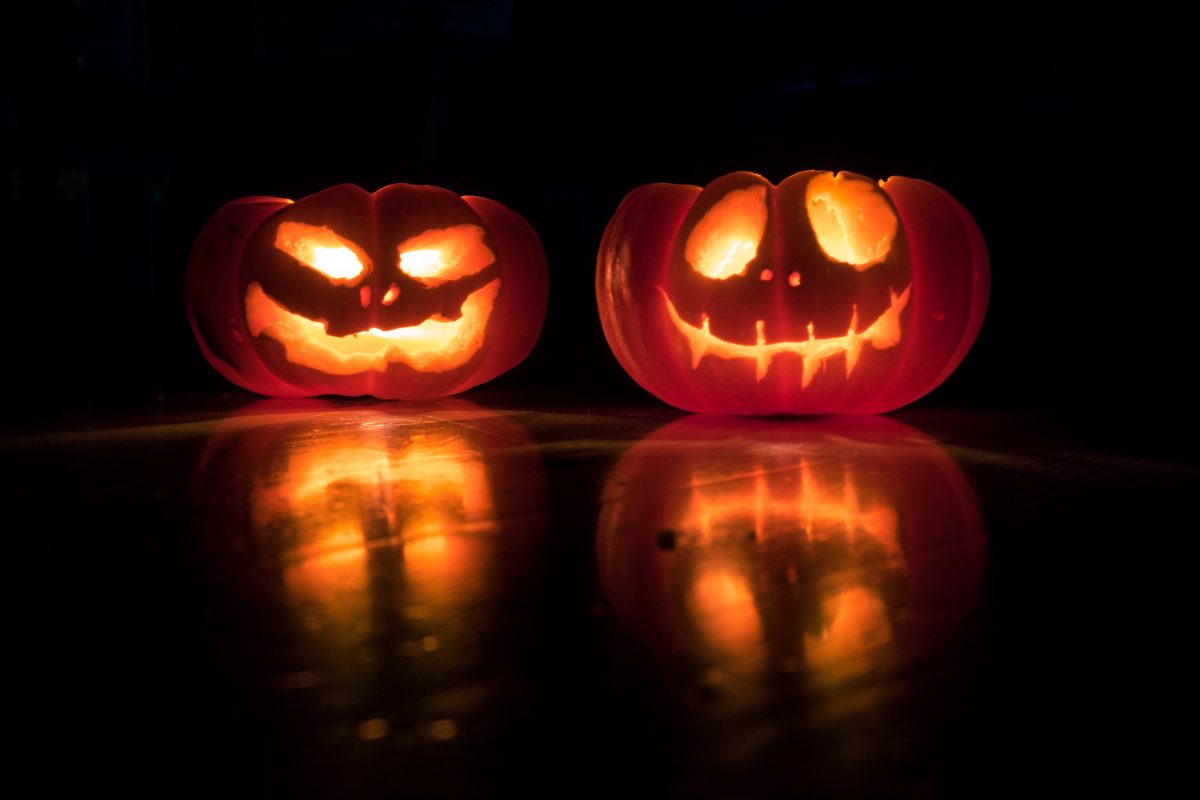
    Similarly, Halloween will be unique this year. Children incorporating masks into their costumes is perhaps the least significant difference. Still, it’s something novel which parents will have to consider. Many Halloween festivities, such as trick-or-treating and haunted houses are already being discouraged, leaving children with a drastically different experience. The stress and fears of Covid affect children all the same, especially when they see their lives changing so significantly for a reason they most likely do not completely understand. There is no doubt that this will lead to changes in children’s mental wellbeing, something else we’ll have to consider this holiday season.

    Whether we feel the direct impacts of the pandemic or not, our holidays will unquestionably be different this year. With limitations on gatherings and restrictions keeping some people from getting home, it might be easy to forget the things we have to be thankful for. Make sure to take the time to check in on both yourself and your loved ones this fall.
  • Warm Wishes from the EIC

    Warm Wishes from the EIC

    Here’s to a happy holiday and a happy New Years from everyone at the Athenaeum. Stay safe, and we’ll see you very soon.

    Andrew Haskett

    Photo by Kayla Westhaver-Covin
    Photo by Kayla Westhaver-Covin
  • Origins of Halloween

    Origins of Halloween

    Halloween is a fun time of year for many people. It is often a chilly season that leads to lots of weather changes and exciting social events. According to The History Channel, Halloween is thought to have originated from the ancient Celtic festival of Samhain. This festival included people dressing up in costumes to scare ghosts while also lighting bonfires, and marked the end of summer and the beginning of cold weather. The Celts believed that that night was special, and that the walls between the dead and the living became unstable. They also believed that the ghosts of the dead would return on that day and cause trouble by damaging crops. November first was declared as the honorary All Saints’ Day by Pope Gregory III, and incorporated some of the traditions established by the Samhain. The night before this day was known as All Hallows’ Eve, and later became known as Halloween. The concept of going door-to-door dates back to the All Souls’ Day, in which poor citizens would beg for food and families would distribute food in order to encourage them. This practice replaced the tradition of leaving food outside a residential house to please wondering spirits enough to stop them from entering the house. The practice of wearing costumes originated from the Celtic concept of wearing masks in order to avoid being identified by a ghost.

    There are many different Halloween superstitions that exist today. Some, such as the fear of a black cat, relate directly to older customs. It was often believed that witches would turn themselves into cats in order to avoid being caught. It is interesting to note that many of the older superstitions that haven’t become more prominent have related to telling the future and help with making decisions. 18th-century cooks might hide a ring in the mash potatoes in the hopes that the person they were meant to marry would find it. Another belief was that if a woman ate something sugary made from walnuts, and nutmeg before bed, she would dream about the person she was supposed to marry.

    The celebration of Halloween was very limited because of religious systems that were prominent in colonial New England. As the beliefs of European groups began to combine with those of Native American Indians, the celebration of Halloween included public events to celebrate harvest. These events were common in Southern areas of North America, and only reached the Northern parts during the second half of the nineteenth century.

    The late 1800s presented a desire to shift Halloween from an event that celebrated ghosts, pranks, and witchcraft, to an event that encouraged community development and friendly communication. By the beginning of the twentieth century, grotesque and scary depictions had been taken out of the celebration, and were replaced with games, food, and festival costumes. Halloween had lost many of its original religious meaning before the end of the nineteenth century.

    By the 1920s and 30s, Halloween was a community filled event with parades and town oriented celebrations. Early Halloween celebrations were swarmed by widespread vandalism, despite efforts by local schools and organizational boards to halt the festival trouble. By the 1950s, this problem had been resolved, and Halloween had become an event for young children. There were high numbers of young people during the baby boom that took place in the fifties, and this resulted in celebratory parties shifting from town halls to individual homes.

    Despite the differences in the practice of Halloween throughout the centuries, the concepts all rely on the same abnormal and prominent spirits to play a part. This presence has been depended on by the Celts as well as people today.

Betzillo positions itself as a versatile gaming hub where structured bonuses and adaptive gameplay mechanics support both short sessions and extended play.

Built with a focus on innovation, Spinbit integrates modern casino architecture with rapid transactions, appealing to players who value speed and digital efficiency.

Ripper Casino emphasizes bold entertainment through high-impact slot titles and competitive promotions crafted for risk-oriented players.

A friendly interface and stable performance define Ricky Casino, offering a casual yet reliable environment for a wide spectrum of gaming preferences.

King Billy Casino channels classic casino spirit into a modern platform, delivering recognizable themes supported by contemporary reward systems.

Immersive visuals and layered slot mechanics are at the core of Dragonslots, creating a narrative-driven casino experience.

Lukki Casino appeals to players seeking direct access and minimal friction, focusing on fast loading times and intuitive controls.

Casinonic provides a structured and dependable gaming framework, blending modern slots with transparent operational standards.