
Tag: research

  • Show Me the Muscles

    Show Me the Muscles

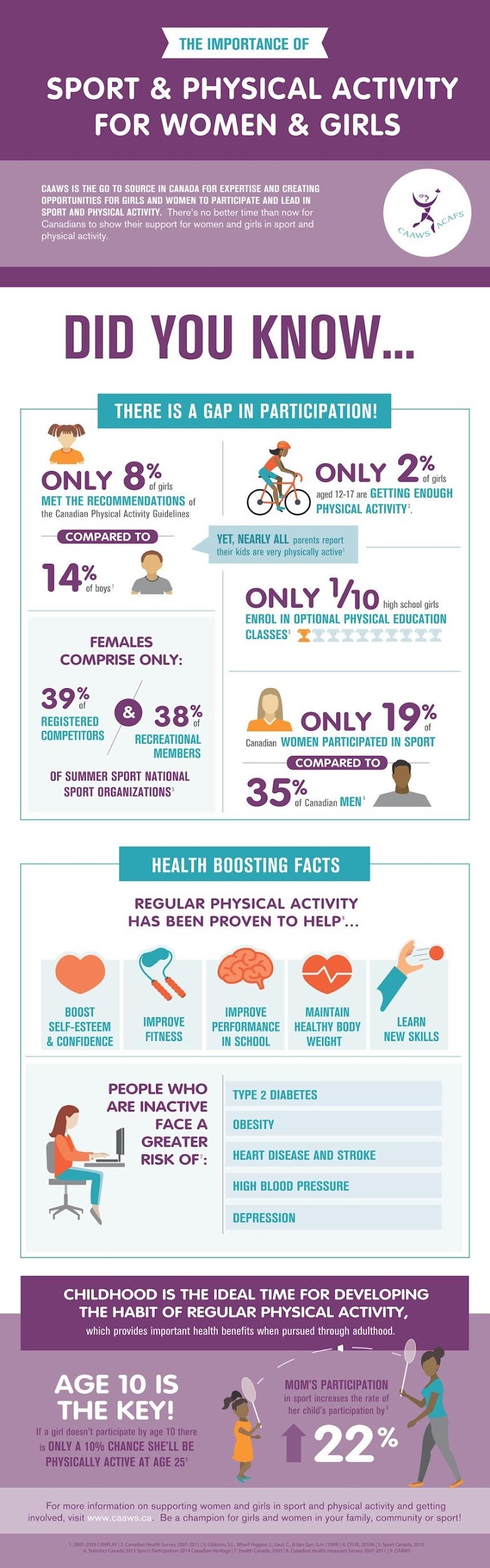
    I have a confession to make. I am not ashamed, nor am I going to hide it. I am in a cult…the spin cult. That’s right, this summer I donned a sports bra and leggings, said my prayers (cardio and I do not get along most of the time), and entered into the bright lights, thumping music and happy gaze of the spin studio. By the time that sweaty, grueling fifty minutes was up, I stumbled out of the studio, dazed, dripping in sweat, and like a woman possessed, immediately pulled out my phone and registered for another class a couple days later.

    It was several weeks later at the spin studio when I overheard a conversation from two girls who were waiting for the same class that I was. Part of the spin class is a weight track of nonstop upper body exercises for the duration of one or two songs, where you could choose from two, three, four, or five-pound weights for that track or tracks. The instructor had encouraged the class to go up in weight because the weight track that day was shorter. The girls were discussing what weights to use.


    “I might go up to four…maybe five…” one girl, in a black sports bra, mused.


    “I’m going to stay at two or three.” Her friend, in a pink sports bra, was firm.


    “Oh, why?” Black Sports Bra asked.


    “I don’t want to get bulky.” Pink Sports Bra shrugged. “I just want to be toned.”

    Though she was the catalyst for this article, Pink Sports Bra is not alone, nor is she unique in stating this. Women everywhere are flocking to gyms in the pursuit of being ‘toned’, but never ‘big’ or ‘bulky’. Lucky for them, the fitness industry is only too willing to comply with this demand: this century’s latest edition of the ‘perfect body’. So, what do you need to be ‘toned’? The first ingredient is cardio. Lots of it. And one company has tapped so far into this need that it has become a piece of popular culture in its own right.

    SoulCycle seems to have initiated a takeover of the fitness industry in the US, and has recently begun an expansion into Canada. If endorphins (that feel-good hormone that you get from exercise) are a drug, then SoulCycle has the stuff to fulfill your junkie needs, and they have the numbers to prove it. According to the company, their classes welcome 50,000 riders every day. A drop-in class in one of these brightly colored cardio fantasy lands will set you back $30. When you do the math, that means SoulCycle brings in roughly 1.5 million dollars weekly (adjusted for the fact that monthly and yearly passes bring the cost of a single class down somewhat). This is their class revenue only, not counting their clothing line with Lululemon and their in-house brands of fitness accessories. SoulCycle is entirely cardio-based, and cardio is widely acknowledged to be the best way to burn fat (read: be ‘toned’).

    What is the next step to building that much-discussed, ‘toned’ physique? A gym, of course. And not just a gym, but a gym experience. Because, did you even go to the gym if you didn’t take a selfie in a spotless mirror mounted in an aesthetic changeroom? Hence, the rise of the luxury gym.

    Equinox is SoulCycle’s parent company, and purchasing a gym membership at this luxury chain will set you back $165 monthly. A membership includes a fitness assessment, a personal training session, spa treatments, a discount at the gym store, filtered water stations, eucalyptus scented towels, steam rooms, saunas, Kiehl’s body products to use in the changerooms, coat check, locker rental, access to the Kid’s Club for daycare, and birthday discounts. Why do I bring up Equinox in particular? Because many gyms are striving to be the next Equinox. This past summer, GoodLife gyms upped their membership prices to the annoyance of many. An anonymous employee told me that this decision was made to change GoodLife’s image in relation to the demographic that it caters to. In terms of marketing, this is not all that surprising given that dirt-cheap gyms have become somewhat a joke (consider how Planet Fitness is viewed among the internet-dwelling public).

    What also makes Equinox famous is its endorphin-inducing group fitness classes. These classes also are known for their fat-blasting abilities, with some women commuting far from their places of living to Equinox for their classes, as the gym is based in large cities. The creators of these classes are becoming celebrities in their own right online, with enthusiastic followers who sometimes live nowhere near that instructor’s particular gym (Equinox New York instructor Gina DiNapoli, creator of Jabs with Gina, boasts 17,000 followers on Instagram).

    Speaking of Instagram, the social media app has also become a breeding ground for the fitness industry. Because, what happens when you can’t afford or can’t go to the gym (I’m looking at you, broke students)?

    The most popular fitness app in the Apple App Store was born on Instagram, and is a women’s app. The Sweat App is the brainchild of Australian fitness guru Kayla Itsines, who’s Instagram page is full of images of healthy meals, exercise videos, and selfies of Kayla herself, an enthusiastic woman (who somehow boasts prominent abs even after giving birth this year) whose every move is fawned over by her 11.8 million followers.

    The Sweat App is interesting because it taps into another commonly held belief about being ‘toned’: weights and dumbbells equal big and bulky, i.e. not good. So, you take out the weights. This is the gateway into another huge sub-category of the women’s fitness industry: at-home workouts. The Sweat App began with Itsines’s famous BBG (Bikini Body Guide) workout, 28-minute workouts that are done at home with minimal equipment. The Australian isn’t the only one to pick up on this trend. The self-proclaimed ‘Instagram queen of home workouts’, @BrittneBabe, has a loyal following of 1.6 million, who lap up her cardio-intensive, body weight routines with little to no equipment (a recent post by her gave an enthusiastic demonstration of a workout where the only equipment requirement was a pair of socks). Actress Jennifer Garner recently happily endorsed the Instagram-famous personal trainer who ‘toned’ her for her action film Peppermint, Simone De La Rue, who runs a dance-based gym in Los Angeles without a weight in sight.

    I will admit to going to the spin studio this summer with the hopes of shedding a bit of stubborn body fat, though I love my body for what it is and what its accomplished in the two years since I embraced fitness. I have no regrets in wanting to lose a few pounds, because I knew that with or without that five pounds, I was still healthy. The classes were fun and definitely effective. But the classes also introduced me to the dark side of the women’s fitness industry (through no fault of the studio’s). In the waiting room prior to class beginning, I can’t tell you how many times I heard about women and girls doing X amount of classes per week to erase a weekend of ‘bad’ eating, sometimes even two or three classes a day. More on overeating later, though. Through my un-ashamed eavesdropping, I realized that these women were punishing themselves in pursuit of the ideal body that the women’s fitness industry, and Instagram, have embraced tenfold. Miss Perfect Body has minimal to no body fat, no sagging skin in sight (hence the word ‘toned’), but likewise has little muscle definition, with the exception of her butt, which she achieved through resistance band exercises (again, no weights). Her stomach is flat, with a bit of ab poking through (but never a six pack), and she is able to ditch shirts with ease. And the women’s fitness industry is only too happy to take your money and help you get to her, no matter how difficult or even impossible it actually is to achieve that kind of body.

    The conclusion that I came to at the end of this past summer was that this industry is largely built on fear, if you didn’t pick up on my sarcastic summary of this industry. Specifically, fear of falsities.

    The women that flock to cardio-based fitness classes to punish themselves for eating more than a bite of pizza are afraid of food. But, gaining muscle and weight is actually harder than diet companies would have you believe. To gain muscle, it is a matter of being in a caloric surplus, that is, consuming more calories than you burn. Many people that seek to enter a so-called ‘bulk phase’ abandon cardio altogether during the phase. The women that avoid any dumbbell over five pounds are afraid of building muscle, and looking manly (the generally accepted truth is that one would need to increase their weights virtually every other week to gain muscle, in addition to being in a caloric surplus). Large size, even if it is healthy muscle, has become the enemy, ironic for an industry that somehow manages to preach both ‘balance’ and ‘control’.

    Oddly, I don’t really blame women for these fears they have. These are the messages that are being put out there by any number of so-called authorities. The models who grace billboards and ads are not muscular, and are widely touted to be beautiful. Weight loss programs take a hardline approach based on restriction, and the idea that you as the participant are an uncontrollable food monster that has to be told what to do, or, like a petulant child, you’ll misbehave. This mindset has only gained prominence as of late, coincidentally (or not) growing alongside social media. What is especially disturbing is how these fears have gradually seeped down the age groups. We often forget that we are being watched by younger generations, and not only watched, but imitated. I admit, when I embarked on a mission to locate some studies to support my claim that this industry is based on some horrifying ideas and goals, I thought that I had a pretty good idea of how nauseating it all was. Unfortunately, I was wrong, and I admit to having gotten up from my desk to take a break from it all. However, this only emphasizes to me the importance of reporting these statistics.

    The comparison between over-exercising, destructive eating behaviors, self-consciousness and social media may seem like an odd comparison to make, but when you think about it, it’s actually not odd at all. In 2008, two years before Instagram launched, the Journal of the American Dietetic Association published the results of a study conducted among 300 participants, 105 men and 1181 women of college age. Among the women, the most prominent desire identified was the desire to lose weight. 13% reported being currently on a diet, with women being far more likely than men to have tried a variety of diets, such as Weight Watchers. Of that 13%, only 17% reported being satisfied with the results of the diet.

    This was in 2008. By 2015, when Instagram was five years old, the National Eating Disorder Association that the average age for a woman to become concerned for her weight was 6 years old. According to them, the best-known environmental contributor to this was the sociocultural idea of thinness, followed by a high risk for girls whose mothers were overly concerned with their weight. The connection between self-consciousness about weight and exercise cannot be understated even if you tried. The same association estimates that 90-95% of eating disorder victims have a gym membership, and roughly 80% of these individuals were prone to excessive exercise in their efforts to lose weight. Of gym-goers in general, it is estimated that 42% over-exercise. In adolescents, it has been reported that 57% of girls engage in crash dieting, fasting, self-induced vomiting, diet pills, or laxatives (weight loss teas). Even amongst non-overweight girls, 1/3 reported being or having been on a diet.

    Instagram is estimated to have 1 billion active users, more than 100 million of these in North America. The app is especially popular with the age demographic of people between 18 and 29 years old. 41% of Instagram’s user base is under 24 years old (statistics concerning Instagram’s usage among minors, other than the acknowledged fact that its popular in that group, are hard to find and likely inaccurate). Is it a coincidence that the age at which women become concerned with their bodies is dropping, whilst Instagram and social media only grow in popularity? As the saying goes, coincidence? I THINK NOT.

    So, I’ll leave you with a final conclusion: Instagram became the authority on fitness as quality information became less accessible (though I am not saying that every influencer espouses bad information). These days, anyone with a following (which, by the way, you can buy) is seen to have some sort of credibility. More importantly, it is far easier to locate a fitness influencer in under two minutes than it is to find quality research. Moreover, how do you tell if an article contains quality research? How long would that take?

    Ironically, quality information and long-lasting health choices share a cliché: anything worth having is not easy to get. Take the time to find good information, rather than taking two minutes to enter your credit card information in an order form for diet tea or sign up for a program that promises huge results with little time input. Unfortunately, the internet doesn’t have a quality control board. As is usually the case, if a program promises results or ‘research’ reports results that sound good to be true, it probably is. But likewise, do not be governed by fears, because if something sounds too scary to be true, like gaining a pound on one piece of pizza, it probably is as well.

    If you or someone else is experiencing an eating disorder, there is help available. Call the National Eating Disorder Information Centre, toll-free, at 1-866-633-4220.

  • Research Feature: Sabrina Nunn

    Research Feature: Sabrina Nunn

    My name is Sabrina Nunn and I am a fourth year Kinesiology with Honours student.  My honours research, “Past Action, Current Challenges, and Future Initiatives – An Investigation into the Hurdles for Achieving Gender Equity in Nova Scotia Sport” has been written under the supervision of Professor Ann Dodge.  I cannot thank Ann enough for her unwavering support throughout the entire project.  I would also like to thank the organizers and attendees of the Shattering the Glass Conference for their enthusiasm and willingness to be a part of this study.

    My study is based on a November 2018 gender equity meeting in Nova Scotia reporting on the individual experiences of both organizers and participants. Barriers that keep women from fully engaging in sport were identified. By sharing conversations with women directly involved in the sport sector, this study aspires to give them a voice in relation to their experiences, and to profile specific areas where improvement can be made to effect positive change for female athletes, coaches and administrators in sport in Nova Scotia.  Despite the fact that gender gaps have narrowed in general, there are still inequitable differences prevalent in society – specifically in sport (Sherry, Osborne & Nicholson, 2015).

    When discussing equity, the word can sometimes be used incorrectly by being used interchangeably with equality.  Equity refers to the allocation of resources that reflects fairness or justice by taking into account the individual circumstances of everyone involved.  Equality refers to all people getting the same, regardless of any individual circumstances.  Equality is like creating the same starting line for everyone, whilst equity works towards creating the same finish line.  Equity is important because when given the chance, women have shown they are capable of succeeding in sport.

    The results of the study indicate that there are numerous barriers that can prevent or deter females from being involved in sport in Nova Scotia.  The barriers that were identified by the participants in this study were related to: confidence, stereotypes, lack of role models, systemic biases, external barriers, and low perceived significance.  With this knowledge, sporting organizations in Nova Scotia can continue, or in some instances begin to do their part in bridging gender gaps by creating opportunity and limiting barriers for females in sport.

    The perceived significance barrier is one of the most important findings as it can be identified as an overarching umbrella term that effects almost every other barrier noted in the study. This refers to the amount that an individual or organization cares about or recognizes gender equity issues or barriers for women in sport.  For any barrier to be dealt with, change must be seen as worthy of consideration, comprehension and support.  Perhaps this means that the first barrier that needs addressing is the perceived significance of gender equity in sport in Nova Scotia.  Sport has the potential to be a vehicle for change; therefore, making positive changes in the sporting world can be an integral step in profiling gender gaps in society.

    In conclusion, the current status of women in sport needs to be addressed as there is still much work to be done.  From my research, the first step to tackling the issue is evidently caring about it enough to inspire change.  My full thesis will be available in The Vaughn Memorial Library in the upcoming months.

    References:

    CAAWS Facts and Stats. (2019). Retrieved from https://www.caaws.ca/facts-and-stats/

    Sherry, E., Osborne, A., & Nicholson, M. (2015). Images of sports women: A review. Sex Roles74(7-8), 299-309. doi: 10.1007/s11199-015-0493-x

  • Research Feature: Aimee Rideout

    Research Feature: Aimee Rideout

    Plastic pollution is a major environmental stressor for marine life and is both long-lasting and near-ubiquitous in ocean ecosystems due to anthropogenic activity.  Since the 1950s, when mass production of plastic products began, plastic debris has accumulated significantly in coastal, open ocean, and terrestrial environments. The effects of macroplastic (> 5 mm diameter) debris on marine life are well known as they cause entanglement and choking. Large plastic debris, however, degrades into smaller pieces known as microplastics (<1 mm diameter), small enough for ingestion by a wide range of marine organisms.The effects of microplastic ingestion on marine life remains poorly understood.  Overall the objective of my Honours research, with co-supervisors, Dr. Laura Ferguson and Dr. Glenys Gibson (Biology Department), is to explore how microplastics affect marine life and specifically, to determine if ingested microplastics change the structure of exposed tissues.

    We used Carcinus maenas (Green Crabs) as a model organism to investigate the effects of microplastics on the tissues of the hepatopancreas, a digestive organ at risk of exposure to pollution associated with food. Green crabs are scavengers, which exposes them to microplastic debris, and also contributes to their being a very aggressive, invasive species on Nova Scotia shores. We used histochemistry to visualize potential tissue-level effects of microplastic ingestion. Crabs were exposed to polystyrene microbeads (5 μm diameter) in aquaria water and in food at low concentrations that are typical of water samples of the mid-Atlantic Ocean (1-2 particles/ m3) and at higher concentrations typical of coastal areas (approx. 100 particles/ m3). Controls included field-sampled crabs and crabs cultured in the lab without polystyrene exposure.

    This study is part of a larger project that also looked for effects of microplastics on the bivalve mollusc, Mytilus ediulis (Blue Mussels). Blue Mussels (yes- the same species that are so tasty steamed with a little butter and lemon) are filter feeders and thus are at high risk of microplastic exposure. We also sampled haemolymph, a tissue that like your blood, contains immune cells, and took DNA samples to look for how microplastic uptake potentially changes the microbiome (i.e. the community of microbes in a particular environment such as those that live on and in our bodies).

    We exposed crabs to microplastics for six-weeks, compared the tissue structure of microplastic exposed crabs to controls, and used different stains (Periodic-acid Schiff-Alcian Blue, Giemsa, Hematoxylin & Eosin, and Nile Blue A) to analyse changes in the exposed tissues. We found several cell types in the hepatopancreas including R cells that function as absorptive and storage of glycogen and calcium, B cells that secrete digestive enzymes, and F cells that are darkly-staining precusors to B cells.

    Statistical analysis indicated that the abundance of R cells increased in response to the high exposure to microplastics, but that gut structure was not affected by growing the crabs in the lab. These data suggest that levels of microplastics found in some coastal areas do affect structure of exposed tissues (R cells) in these wide-spread scavengers.

    Additional research is required to investigate the uptake, transfer, and accumulation of microplastics on tissues, the immune system, and the microbiome of marine organisms exposed to many types of microplastics in order to better understand the effects of microplastic pollution, a growing global problem. Overall, whether or not you enjoy eating seafood, the influx of plastics in the marine ecosystems and their impacts on animal health is something for us all to chew on.

  • Family Roles & Sympathy Casseroles

    Family Roles & Sympathy Casseroles

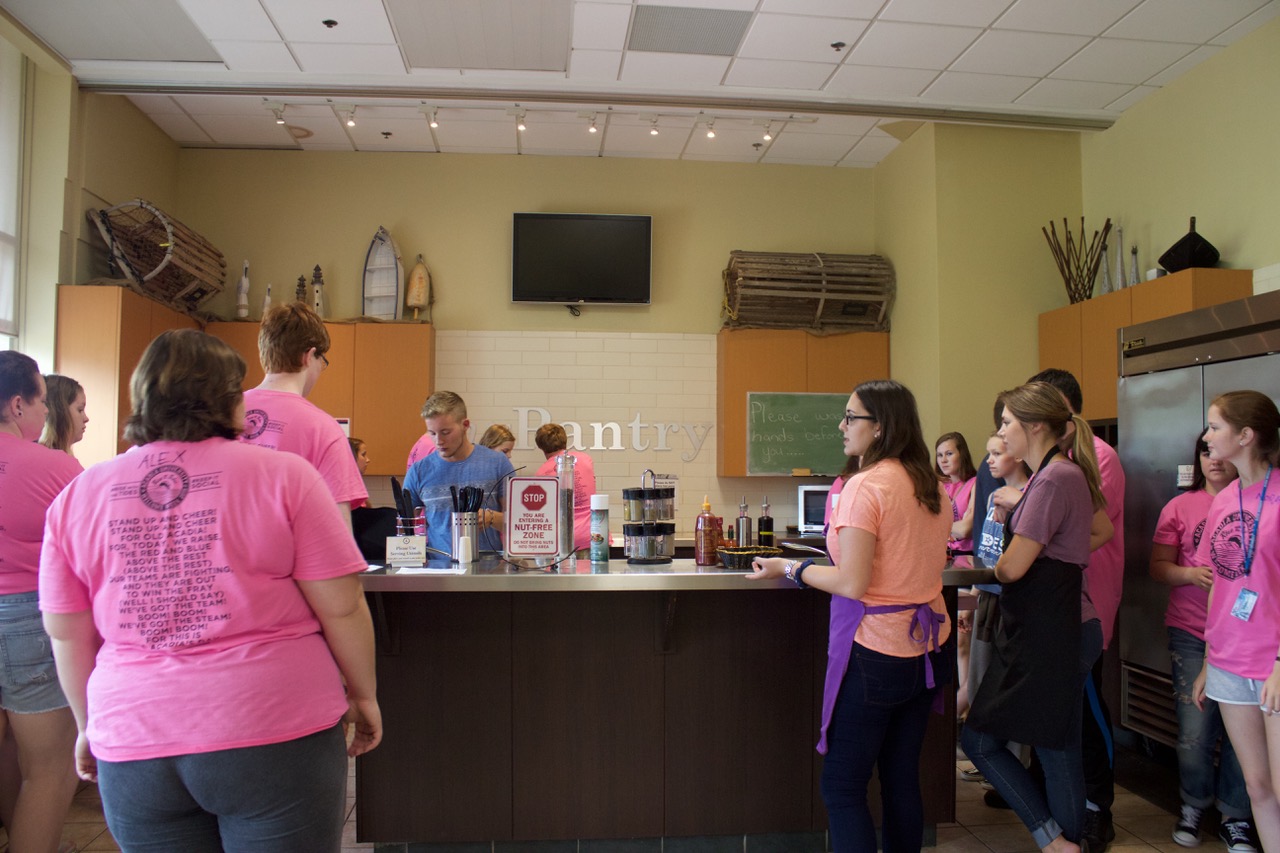
    In the event of a death, there is a Western tradition to visit the family to give condolences; this visit is commonly paired with comfort food like casseroles, soups and sweets. However, the casseroles do not last forever, ultimately leaving the family to reorganize family roles in an attempt to regain functionality. My research specifically explored the functions of family dynamics after the death of parent. This research question originated from my first-hand experience of growing up through grief. At the young age of sixteen, I lost my mother suddenly to a heart attack and this altered the function of my family. The loss of my mother not only left a huge hole in my heart, it also left huge gaps in the everyday functions of my home: things like washing laundry, organizing my sister’s and my sport schedules and daily cleaning of the house were all tasks left unspoken for.

    Anyone who has suffered a tremendous loss knows one of the hardest things about grieving is that life continues; knowing this, my family and I had no choice but to pick up her responsibilities and adjust to this new everyday life. Not only did I watch roles in the family change, but I observed transformations in my own relationships and even formed new ones within the family. Having lived this far-from-normal adolescence, I could not help but wonder how other families with similar experiences compared. Specifically, my thesis study focused on the loss of a parental family member and how that absence changes the function of the home and family. I argue that parental loss disrupts the function of the family, creating a gendered division of labour through the shifting of roles in terms of food labour, domestic labour and emotional labour. To explore this, I relied on a qualitative methods approach, beginning with a qualitative questionnaire to recruit participants then following this up with semi-structured interviews. The sample consisted of six students: two males and four females between the ages of 18 and 23 who attend Acadia University and have lost a parent. The findings highlighted the association between the ease of transitioning roles depending on whether the death was anticipated or sudden, as well as that even in times of grief, the division of labour in the home remained gendered as women of the family were more likely to step in to maintain functionality.

    This research also demonstrated how Western traditions related to death can negatively impact the grieving process. In times of grief and bereavement, individuals typically experience feelings of emptiness, therefore our society’s reaction is to fix an empty heart with a full tummy. The data alleges that since the grieving process is so individualized, society’s “one size fits all” response to death, while intended to be a kind gesture, is ultimately problematic. When these ‘sympathy casseroles’ stop, it is society’s way of dictating to the family that it is time to start ‘moving on’. Most of those who comfort the family are blind to the ways their actions dictate a timeline for grief. As per the data, most interviewees stated that these visitations last for roughly a week while the food lasted for weeks up to even a month. This societal response wrongly suggests that the structure of the family will have regrouped and regained function within this timeline. This widespread ignorance to the emotional weight of losing a loved one depicts a bigger issue at hand: what the data illustrates is a clear lack of societal understanding of the grieving process.

    This research has contributed greatly to the understanding of grief and family from the societal, familial and individual level. While this research has been both insightful and therapeutic for me and the interviewees, its greatest benefit will be to individuals and families deeply entrenched in grief. To those who are grieving and struggling to find words, I hope this research gives you a voice.

  • Research Feature: Micheal Light

    Research Feature: Micheal Light

    Honey bees (Apis mellifera L.) are the most agriculturally beneficial eusocial insects for crop pollination. Chemical communication is critical in maintaining colony structure and activity, which may be exploited by some parasites. Varroa destructor (Anderson and Trueman) (hereafter Varroa) is regarded as one of the biggest threats to apiculture, blamed for annual colony mortalities of over 30%. My research tests whether previously identified odourants affect Varroa behaviour and investigating those that elicit minimal response in honey bees. Volatile collection involving in- and ex-situ techniques is being used to identify individual compounds and sensitivity of live Varroa through gas chromatography-mass spectrometry and gas chromatography-electrotarsal detection, respectively. Furthermore, volatile components confirmed as Varroa-active will be investigated for behavioral valence through behavioural assays and electro-tarsograms. In addition, this study will compare methods for in-situ capture of hive odours. Results from this research can then be applied to colony-wide testing of active odourants in developing effective alternative methods for Varroa control as well as developing methods for future research exploring chemical ecology of social insects.

  • Research Feature: Chaiti Seth

    Research Feature: Chaiti Seth

    My research aims to identify key leverage points for shifting towards more healthy, just, and sustainable institutional food systems, using Acadia University as a case study, and examining findings in the broader provincial context. This research builds on my prior work and relationships at Acadia investigating food system issues and university food culture.

    Food is fundamental to all human life, and food systems – the ways that our food is produced, processed, distributed and consumed – have significant social, cultural, health, ecological and economic implications. The shift towards industrial food production has resulted in massive loss of knowledge and biodiversity, soil erosion, deforestation and habitat destruction, pollution, animal welfare concerns, waste production, as well as significant greenhouse gas emissions. The health crisis in relation to food is growing – societies are facing both over- and under-nutrition and diet-related diseases are prevalent amongst all populations. Most Canadians eat food that is neither healthy nor sustainably produced, and many face food insecurity or inequitable access to food.

    Just as current food systems have many detrimental impacts, their potential for improving quality of life is also immense.  Sustainable pasture and farmland management strategies can support biodiversity, conserve soil and water, and help sequester carbon. Combined with other lifestyle factors, nutritious food has enormous preventative and healing potential. The market for food represents a source of positive and sustainable economic activity and community-based food systems have the potential to contribute to local economic development and provide meaningful employment. Last, but not least, is the magic of food in bringing people together – for everyday gathering and special occasions, for nourishment and healing and celebration. Food is powerful, and the decisions we make about what we eat, and how we produce it, matter.

    Studies assessing individual behaviours identify the most effective food choices and habits for a shift to a healthy and sustainable food culture. At a societal level, national and regional organizations are currently advocating for a strong national food policy, and the federal government is engaging citizens in an ongoing consultation process. Bridging the space between individual and policy levels, institutions play a key role in food systems. They are large enough to have significant impact but do not typically have internal policies or a strong vision for food systems. In this gap, food services providers (FSPs) – multinational for-profit companies that typically run institutional food services – often unofficially dictate food policy. Due to the standardization and scale of institutional food systems, FSPs wield significant influence on food production, processing and consumption patterns. Research shows that institutions can strategically leverage their purchasing power to generate greater wealth and health in their communities. Despite a few individual success stories, there are significant barriers to broadly shifting institutional food practices.

    Universities can play an essential role in facilitating change in institutional food culture. They serve and can critically engage young adults as both eaters and future leaders in food systems, and invest in economic and community health through food procurement. There is a growing demand for healthy and sustainable food services at universities. Research shows a critical need for effective strategies that address systemic and cultural barriers to change.

    For this research, I use critical social science and transdisciplinary methodologies, incorporating mixed methods with four primary components: semi-structured stakeholder interviews, participant observation, document analysis of food services contracts, and numerical analysis of procurement data. I have conducted 14 interviews with internal stakeholders including students, faculty, staff and administration as well as external stakeholders such as change makers at other institutions, public policy-makers and non-profit advocates to gather rich data from a diversity of perspectives. I will integrate findings based on thematic coding and analysis of these interviews with information about strengths and gaps in existing contract language from other post-secondary institutions. Numerical analysis of procurement data will help determine relative impact and feasibility of specific interventions.

    My research aims to build knowledge for shifting towards healthy, sustainable and just university food systems and is intended to support institutions to find creative and innovative solutions that can contribute to building more sustainable and resilient local communities through food systems change.  

  • Reading Between the Wines: Studying the Impact of Caloric Values on Consumers’ Sensory Perceptions of Rosé Wines

    Reading Between the Wines: Studying the Impact of Caloric Values on Consumers’ Sensory Perceptions of Rosé Wines

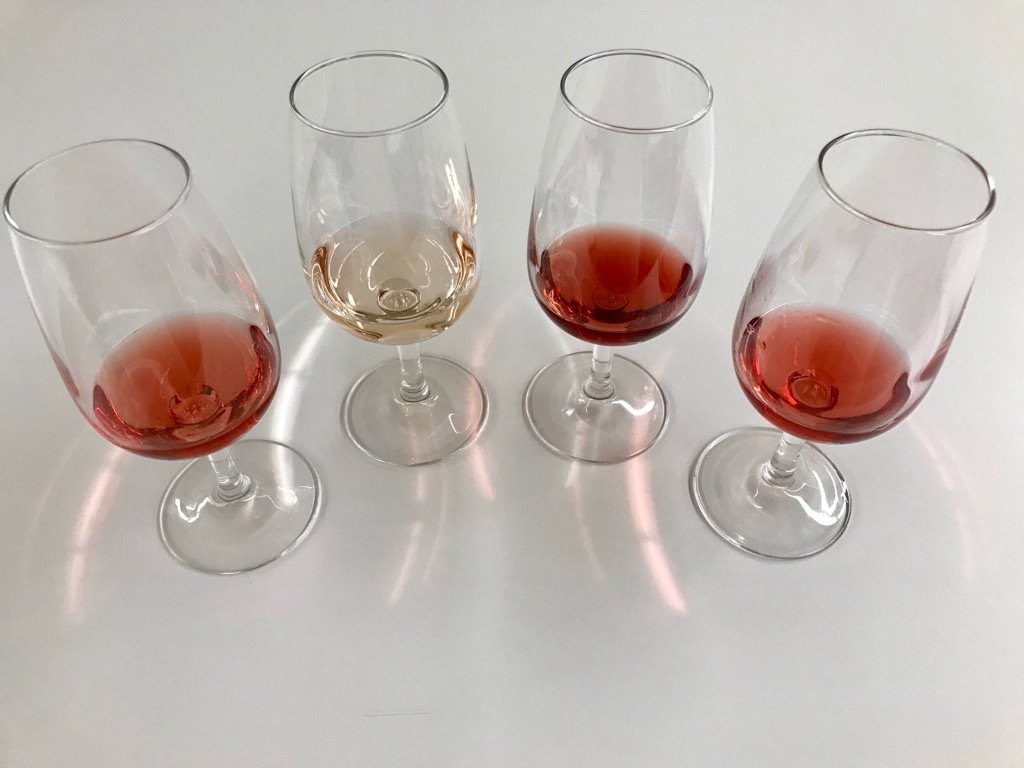
    With the production of local wine increasing in Nova Scotia, the government is investing a significant amount of money into wine research. As a recipient of funding from the Nova Scotia department of agriculture, Nutrition and Dietetics Honours student, Lydia Hayward, was able to investigate two areas of wine research that have yet to be studied. In an attempt to strengthen the growth of this industry, Hayward and supervisor, Dr. Matthew McSweeney, have begun research to develop a consumer lexicon to describe local wines in a way that resonates more effectively with consumers. This was the primary objective of the research, which used Projective Mapping and Ultra-Flash-Profiling to identify consumer descriptors. Participants also assessed their associated liking of these wines using a 9-point hedonic scale. This study is specific to rosé wines, as Hayward’s peers have already investigated reds and whites.

    Additionally, companies are hesitant to comply with the increased consumer demand for the disclosure of nutritional information. Although studies have shown that this disclosure will increase willingness to purchase, there is controversy surrounding how this will affect sales. Other studies show that consumers tend to prefer products with lower calories, a trend especially prevalent in women. However, these studies have not considered the influences of taste and pleasure on alcohol choices. This is why the secondary purpose of the study was to investigate the impacts of caloric values on the sensory perception and enjoyment of wine.

    In the first test, participants were asked to evaluate eight rosé wines and place them on a 2-dimensional plane on the computer screen, placing those more similar together and those differing apart. Also, they were asked to identify descriptors related to each wine.

    As for assessing the caloric values, this was done in two sessions. The first, without labels, acted as the baseline. Then, there was a session that implemented nutrition labels. In this second session, the four wines were assessed with four different nutrition labels; low, actual, high and highest in calories. They were asked to rate the wines on appearance, flavour, mouthfeel, and overall liking. Only four wines were assessed at a time, and the order was different for each participant.

    In both studies, consumer knowledge of wine was also assessed both subjectively and objectively, as they tend to differ.  The wine knowledge test, an objective evaluation of knowledge, found that the majority of participants, 90% were low to lowest in knowledge, accurately representing the consumer population.

    In the end, there were two clear categories found in the consumer descriptors, wines that had fruit flavours and those that lacked fruit flavours. It was also found that those attributes associated with fruit drove consumer liking of the rosé wines.

    The statistical analysis also demonstrated no significant difference in overall enjoyment of wines with varying caloric values. Although this contradicts the tendency to choose low calorie foods, prior studies have found pleasantness and taste to be the largest factors in wine choices. Thus, this supports that caloric transparency would have negligible effects on consumers wine choices.

    In order to more accurately predict the results of mandating nutrition labels in the future, labels must be similar to the label they plan to release and should be tested with a variety of alcoholic beverages, as opposed to wine alone.

    Pictured: Researcher Lydia Hayward

  • Research Feature: Julia Koppernaes

    Research Feature: Julia Koppernaes

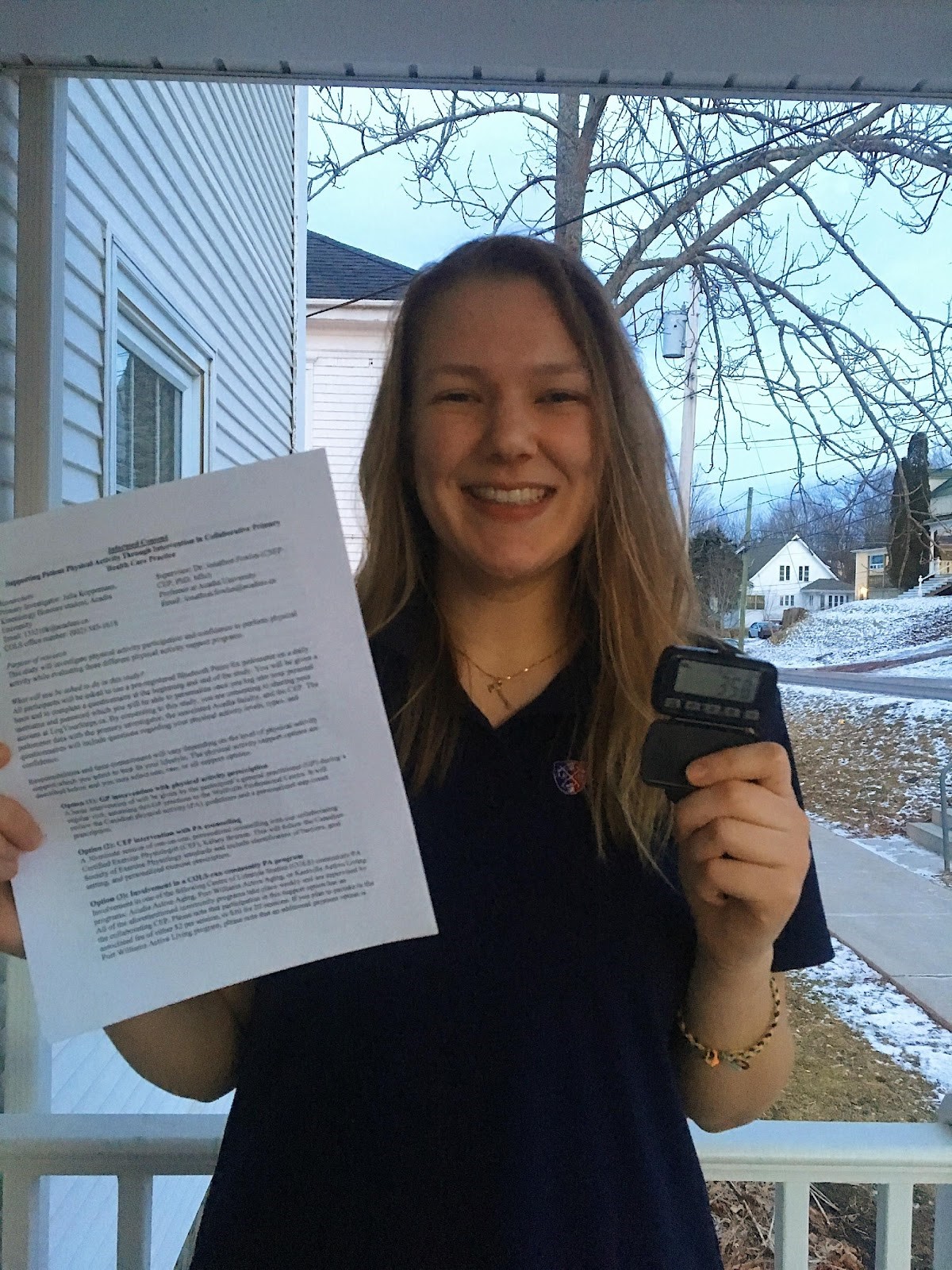
    Allied health networks that incorporate exercise professionals into primary care have been shown to be especially effective at improving physical activity levels in various populations. Nova Scotia is particularly inactive as compared to other regions of Canada, with few Nova Scotians meeting the daily physical activity guidelines. Access to physical activity supports such as tailored physical activity counselling and prescription, and physical activity monitoring devices (all shown to benefit physical activity levels and adherence) can be particularly challenging to access in Nova Scotia, where exercise participation is typically an out-of-pocket (i.e. outside of primary care) expense. To make these supports more readily accessible, and to develop practicable strategies, it is imperative that referral schemes be evaluated and explored in rural communities. My pilot study examined and described the physical activity referral programs of a collaborative health practice that incorporates a qualified exercise professional in the Annapolis Valley, Nova Scotia. Using accelerometers and questionnaires, physical activity and exercise levels were measured pre- and post- exercise/physical activity intervention. The effectiveness of physician-prescribed exercise was compared to exercise referral through an exercise physiologist and to participation in community exercise programs. In addition to physical activity levels pre- and post-, questionnaires assessed participants’ stage of change (readiness to change physical activity habits), task and regulatory self-efficacies (ability to execute and plan physical activity), and physical activity and exercise levels. Questionnaires also left room for open-ended responses to questions regarding which interventions were of most help to the individual in improving the aforementioned variables. By better understanding what people need in terms of support for increasing physical activity, better intervention can be provided in primary care. Ideally, this research will help to pave the way in solidifying the role of exercise professionals in an allied health care world. To incorporate exercise professionals as part of the standard in health care would be to take a step toward a more proactive and sustainable health care system.


    Doing my honours degree at Acadia has given me the opportunity to explore the research world, specifically in the field of kinesiology. Honours has challenged me in ways that I could not have expected, but has also pushed me to grow in my ability to think critically, organize, and prioritize. My little taste of research has provided me with a more wholesome appreciation for the scientific evidence that my degree is founded on. I am grateful to my supervisor, Dr. Jonathon Fowles, to the School of Kinesiology, and to Acadia University for granting me this experience; it truly has been an honour.


  • Research Feature: The Well Sibling Experience

    Research Feature: The Well Sibling Experience

    Siblings play a major role in our lives. For many people, they’re our first friends and our first enemies. They help to shape who we are as people for better or for worse, and often act as supporters during challenging times. However, when one of the siblings has a mental illness, the relationship between siblings can be drastically altered. Despite the impact that mental illness has on sibling relations and on other siblings in the household, there is little research or understanding of the unique experiences of these ‘well siblings’. It is for this reason that my honours research is focused on the narratives of the siblings of persons with mental illness.

    The research that does exist on the topic of ‘well siblings’ is rather limited and focused primarily on quantitative data. Although there is certainly value in knowing statistics around well siblings, they don’t quite capture the stories behind the numbers. So, to address this gap, this exploratory research was started, and data was gathered through a combination of one-on-one qualitative interviews and photo-narratives with five siblings of persons with mental illness. Through the stories shared by the siblings, it became clear that their experiences are incredibly unique and heavily influenced by their own lives, personalities, and circumstances. Therefore, telling their stories and building understanding is so vital.

    Nearly all of the participants expressed frustration and feelings of hurt because of the way their sibling interacts with them. This was challenging for them, as they had reported having a positive relationship with their sibling before the onset of their symptoms. When asked about their relationship, three of the siblings shared that they felt that they had, in a sense, lost their sibling because their current personality was so different from the person they knew before the onset of their symptoms. Despite any challenges the participants had with their siblings, they were still concerned about them and expressed fear for their well being.

    Although the participants do not currently identify as being a ‘well sibling’, their responses did indicate that they and their families tend to put them a well sibling role. For some, this meant having their mental health overlooked because they were perceived as being well in comparison to their sibling. For others, this meant trying to alleviate the challenges their parents were dealing with by withholding their own struggles and acting well or changing behavior to help accommodate their families’ needs.

    Although the research was not designed to focus on the challenges that the participants experienced, their hurt and frustration came out frequently in their responses. For the majority of the participants, anger and frustration played a significant role in their experience as a ‘well sibling’. In one participant’s case, this was anger directed towards the mental healthcare systems and the way that they had let her brother down. For most, the anger was directed towards the hurt their siblings had put them through and at their parents’ previous inattention to their emotional needs. Despite these challenges, each of the participants found various ways to cope with their experiences.

    Of course, the experiences of the siblings were not all negative. Every participant regularly showed empathy and understanding towards their sibling and towards others as well. They shared how they had learnt through their sibling not to judge others, in addition to strategies for helping to support those around them. Each of the participants noted various ways in which their mental health literacy had grown because of their experience and the value that this had brought them and others.

    While stories on their own are an incredibly valuable thing, it’s also important to consider what lessons can be learnt by centering these stories in research. By gaining better insight into the experiences of well siblings, those who work in the mental health field are better able to provide services that support the families of the person with mental illness, as well as the person themselves. These stories also highlight the importance of peer or family-based supports and the challenges that come with offering these types of informal supports. More importantly, research like this creates a space where the voices of siblings can be heard, something that is too uncommon in the mental health community.

    Sibling relationships are complicated at the best of times, and the experiences of well siblings are no exception. The stories heard through this research were ones of resilience, hope, fear, pain, and growth. They are stories that show the importance of siblings in shaping who we are and what we bring to those around us. With that, I would like to conclude by saying thank you to the participants of this study for sharing a part of yourselves with others.

  • Research Feature: Sarah Charnock

    Research Feature: Sarah Charnock

    Sarah Charnock is a 4th year kinesiology student from Newmarket, Ontario. She has spent her time at Acadia actively participating in various kinesiology programs as well as in the wider Acadia and Wolfville Community. She is a volunteer with the Cardiac Rehab and SMILE programs, the president of the Acadia Kinesiology Society, a varsity soccer athlete, and a Sport Injury Assessment and Management program (SIAM) student that works with the varsity volleyball and soccer teams. She is also a Fast and Female ambassador, a leader for Girls on Boards, and has volunteered time with Brigadoon Village and Camp Triumph, camps for children who suffer from or whose close family members suffer from chronic illness. A dean’s list scholar and 3x academic all-Canadian, Sarah was also named an All-Star this season and brought the AUS student athlete community service award home.

    As an avid multi-sport athlete growing up, Sarah has personally experienced various sport-related injuries and became interested in rehabilitation. She volunteered for four years at a spinal cord injury recovery center and has a particular interest in neurological rehab. With a growing interest in sport injury management and the newly enacted Rowan’s Law in Ontario, her interest was piqued, and she is now studying arguably one of the most complex injuries to manage in sport. She has had to manage many concussions and feels strongly that education around this injury has improved; however, there are still many in Nova Scotia who are unaware of how to identify a concussion, of the severity of this injury, and how they can be effectively managed. Upon graduation, Sarah plans to pursue the opportunity to continue to be an athlete abroad and hopes to one day become a physician.

    Sarah’s honours research focuses on uncovering barriers to effective (sports-related) concussion management in Nova Scotia. A significant number of concussions occur in sport at every level and awareness has begun to increase. That being said, many are still unsure what steps they should be taking while recovering from a concussion. The issues seem to range from lack of training in health care providers to various pressures faced by athletes that cause underreporting. This study will further explore what barriers athletes perceive in NS as well as the issues that health care providers see that might prevent athletes from having an ideal rehabilitation experience after a sport-related concussion. Sarah had numerous varsity and club level athletes complete her questionnaire and interviewed 10 athletes to find out more about their experiences with concussions. She wanted to look at this issue from multiple perspectives, so she also had various health care providers complete the questionnaire and did 10 more interviews with various therapists. Upon completion of the study, it is her hope to create a tool for health care providers to use to address the issues uncovered in the questionnaires and interviews. She has begun working on this project under the direction of Dr. Colin King and they will be recruiting the assistance of another undergraduate student, Erin Coughlan, as well as a marketing firm to create a tool that might make managing concussions simpler for those in this province.

  • Biology Graduate Marc Hetu on His Research Experience at Acadia

    Biology Graduate Marc Hetu on His Research Experience at Acadia

    A 2014 graduate from Acadia’s biology department, Marc Hetu now works in Acadia professor Dr. Sherri McFarland’s chemistry lab. He really enjoys his work there which focuses on the exciting field of light activated anti-cancer drugs. The field, called photodynamic therapy (PDT) attempts to find cancer treatment drugs, called photosensitizers (PS), that are non-toxic in the dark so that they can be administered under normal conditions that won’t harm the rest of the body but can kill cancer under specific conditions. This is a priority because the major issue with current cancer treatments, such as chemo and radiation therapy, is that they are a source of constant toxicity throughout the body, harming both cancerous and healthy cells. The key characteristic of light activated anti-cancer drugs is that they are relatively non-toxic in the dark but once you shine a certain wavelength of light on them, their anti-cancer activity is activated. This would allow for targeted treatment to specific areas of the body that need it by simply shining light on the affected parts. By leaving healthy parts of the body in the dark, they remain unaffected.

    There are a few molecular mechanisms by which this can be done with the most well documented being singlet oxygen generation. The PS, in the presence of light, activates oxygen in the cells to transition from a triplet state to a singlet state. Oxygen in its singlet state  is highly cytotoxic, destroying all cancer cells in the near vicinity. However, this singlet oxygen mechanism has limitations. For example, solid tumours tend to have central hypoxic regions (low oxygen) , which means that the singlet oxygen PDT mechanism cannot work if there is no oxygen.

    He credits this incredible opportunity to work in Dr. McFarland’s lab to the transferable job-specific skills he gained as a research topics student starting in 2012. He found that the two research topics courses he took not only opened the door for him to work in the lab he continued to work in as a graduate, but also gave him the opportunity to transfer what he’d learned in class to independent work in the lab. He describes research topics courses as a way for students to get over the significant hurdle they face where most entry-level research jobs in the sciences require several years of lab experience just to get started. These courses also provide students with a sample of what a researcher’s life is like, leading Marc to his most surprising find: the pure workload of doing research. Much time is devoted to making hypotheses, testing them, and attempting to learn something from the results, whether they support the hypothesis or disprove it. In addition, a lot of time is spent mastering experimental skills and trying things that may not work the first time. Then every meticulously planned out and executed experiment is often run in triplicate with controls and, depending on the experiment can lead to hours of work of analysing data.

    A research topics course also provides students with the opportunity to get to know their professors outside the classroom so as to learn more about their research and interests. This gives students the chance to see if a career in research appeals to them before they continue onto graduate school. And so, Marc finds he can’t speak highly enough about the incredible opportunity to do a research topics course at Acadia and hopes other students will feel encouraged to do so.

    The only significant drawback he experienced in his research career at Acadia was that since it is a smaller institution, it can be harder to get research funding than it would be for researchers at a larger institution. Funding agencies (and donors) tend to give their money to larger institutions despite the many excellent researchers at universities like Acadia, and Marc has at times felt like this has limited his ability to grow professionally. Overall though, his experience as a researcher at Acadia has been very positive and he continues to be inspired by the work he does in Dr. McFarland’s lab where he does the initial screening for the light activated antimicrobial drugs project. Some of the compounds that performed well in initial biological testing in this lab have even been licensed to a company in Ontario and are going through human clinical trials. While this is exciting, he warns that a career in research rarely comes with the many eureka moments depicted in media, and that patience is a necessity for a career in research. Some of the best discoveries often come from the “grind” of daily tasks. The hours can be long and the work at times seems redundant, but the satisfaction and personal validation that comes when an experiment finally works out makes the work worthwhile.

  • Acadia Physics and Mathematics Student Researchers Stand Out

    Long hours at the library and countless lectures pay off when you can produce a piece of work that’s exciting. Sometimes it can be helpful to learn about what other students are working on in order to not only understand what it means to be doing research while in your undergraduate degree, but also to gain inspiration from their triumphs. Take a look at some notable current students and the topics they studied.


    Physics Beyond the Standard Model: X plus and X minus

    Miriam Hewlett

    At present the Standard Model (SM) of particle physics is our best description of what occurs at the subatomic level, but it is known that this description is incomplete. Experiments investigating the possibility of new particles and interactions are some of the most prominent in modern physics. For this research the effects of additional vector bosons beyond the SM, X plus and X minus, on electron-positron collisions were examined at the tree level. Such collisions are outlined for Belle-II, an upcoming experiment at KEK. The X plus/minus model introduces direct CP violating phases in the coupling of X plus to anti-fermions and X minus to fermions. Results were calculated in Mathematica with the use of the Feyncalc package, and are in the form of exclusion plots displaying allowed ranges of physical parameters associated with the additional particles.


    Interval Estimation for Risk Analysis with Nonquantal Data

    Dewi Tanasia Saputra

    In the literature of low-dose risk assessment, Piegorsch et al. (2005) proposed five approaches to construct simultaneous confidence bounds with nonquantal data and they recommended Akahira’s Cornish-Fisher expansion method. In this thesis, a generalized confidence interval method proposed by Weerahandi (1995) is used to construct simultaneous confidence bounds for low-dose risk assessment when sample sizes are large. We apply small sample asymptotic methods to obtain interval inference for risk assessment. Simulation studies are conducted to compare their performances based on the coverage probability. The application of the proposed methods is demonstrated by a real data example.


    Bay of Fundy Tidal Power: Analysis of Tidal Velocity Data

    Dillon Burgess

    Models have indicated that 2500 MW of energy could be extracted from the tidal currents of the Bay of Fundy. Harnessing this energy has proved to be a difficult task, with the characteristics of the tidal currents needing to be analyzed and understood before a turbine can enter the water. Using a cabled Acoustic Doppler Current Profilers (ADCP), a year long data set of the tidal velocity at a location in Grand Passage was gathered. Unfortunately, the data sets have several data gaps, when the instrument malfunctioned. The ADCP data can be analysed by performing a harmonic analysis, which produces amplitudes and phases of the tidal constituents. Each tidal constituent represents how an aspect of the periodic change in the relative positions of the Earth, Moon and Sun contributes to the time series data. Tidal velocities can then be reconstructed with the results from the harmonic analysis to generate a continuous time series for a full year. The difference between the ADCP data and reconstructed data is used to analyse the component of the velocity that is not related to the tidal harmonics, as is likely turbulence.


    Design and Construction of an Excitation Spectrometer

    Ms. Alejandra Maria Fuentes

    One method to study the optical properties of materials is by optical excitation spectroscopy.  In excitation spectroscopy, a nearly monochromatic light source is used to irradiate the sample at different wavelengths, and a spectrometer is used to record the spectrum of the emitted light at each incident wavelength. Hence, both emission and excitation spectra are recorded at the same time.  An emission spectrum consists of the wavelength distribution of the light emitted by the sample, measured at a fixed excitation wavelength. On the other hand, an excitation spectrum is the light intensity emitted at a fixed emission wavelength, over a range of excitation wavelengths. Both spectroscopic methods are useful in studying optical transitions occurring in a material.  My project involved the design, construction, and calibration of an excitation spectrometer.  LABVIEW programs were written to automate the experimental apparatus (monochromator, beam blanker, spectrometer), as well as perform the data analysis.  The data could then be investigated in three dimensions: excitation wavelength, emission wavelength and intensity.  This excitation spectrometer was then used to study the luminescent properties of geological rock and powder specimens, and a liquid chlorophyll sample.


    Biomarker Identification for Dementia and Brain Tumour Tissue Characterization with Magnetic Resonance Imaging

    Thalia Magyar

    Magnetic resonance imaging (MRI) is useful for diagnosing brain disorders. For instance, it can be used for stroke, Alzheimer’s disease, multiple sclerosis (MS), and a host of other debilitating neurodegenerative disorders. Yet, the correlation between quantitative MRI metrics and tissue pathology is not yet fully developed. My research focusses on progress toward strengthening correlations through several analysis techniques I have developed. Images from different types of quantitative MR methods are distorted in different ways and image contrast can be different which makes voxel-by-voxel quantitative comparisons difficult. Multimodality images, for instance, position emission tomography images and MR images, are collected with different resolutions and the contrast within the images varies due to different tissue properties. I am developing robust image registration, that is, image aligning techniques, so that comparisons can be done. The Magnetic Resonance Microscopy Centre in Winnipeg now has the capability to perform simultaneous PET and MR imaging. Direct comparisons between cerebral flood flow maps and PET measurements can be done when the images are correctly registered. Direct comparison between MR image findings and histology are best done when the two types of images are co-registered. In my research I work toward these registrations and quantifying image comparisons on a voxel-by-voxel basis. I will demonstrate these methods on control samples as well as disease samples such as brain cancer and Parkinson’s disease.


    An Angular Analysis of the Rare B ! K*µ + µ- Decay Using AdS/QCD

    Ryan MacGibbon

    Using something called Anti de-sitter/Quantum Chromodynamics (AdS/QCD), you can predict the complete set of angular observables in the rare B ! K*µ + µ- decay using light-front holographic B ! K* transition form factors, just as you can with the traditional method of Lattice QCD. Light front holographic AdS/QCD is a relatively new and amazing technique that maps 4-dimensional non-perturbative QCD field theory to a dual gravity curved space string theory! This works because when fields under the quantum field theory are strong interacting, the ones using gravitational theory are weak interacting, and vice-versa. This means that we can use perturbation theory in this 5-dimensional dual gravity theory, then map it back to QCD field theory, where comparisons and further calculations can be made. Since perturbation theory is a more accurate method than nonperturbative methods, this will hopefully allow for better approximations for our particle interactions, resulting in greater precision in our decay models. We are applying this adapted AdS/QCD technique to B-Meson Physics, and more specifically in my case, to the angular observables of B Mesons! Angular observables are a neat tool for measuring the decay angles in different particle decay, and are a useful means of discovering New Physics and hopefully in the future, changing the Standard Model of Particle Physics and our understand on how the physical world works!!!

  • r-e-s-e-a-r-c-h: an anagram and a process

    see
    ease
    har
    har
    har
    re-sea
    ah…
    sh*
    race
    ear
    hear
    rear
    a
    rare
    search
    reach
    ha
    rah!
    rah!
    rah!
  • Things That Should Have Been Curbed in 2016

    Things That Should Have Been Curbed in 2016


    1) The notion that “White Privilege” is offensive and racist towards White People.

    Racism, cultural appropriation, and discrimination have been a hot-button issue throughout history. With the rise of social media platforms, along with the recent election of Donald Trump, there is a plethora of conversation online (and in print) about the hateful rhetoric that seems to be plaguing today’s society. Unfortunately, when people feel that their privilege is being threatened, they enter an automatic defense mode. It is often presented in such a manner where the defendant makes claims of innocence, justifying their feelings of discomfort by exclaiming that they are not guilty of racism, and that if their race is being questioned, that they are automatically being discriminated against. White privilege is not racist; it is not offensive in any way. It is a method of explaining the favorable treatment that white people often receive. There are no systems of oppression designed against white people. Thinking that reverse racism exists is what perpetuates the notion of white privilege further into the foundations of our society. It is a mechanism that is used to validate the comfortable position white people hold in society. Validating your own comfortable position by attacking a marginalized group (by saying white privilege is offensive, racist etc.) is a subtle way of invalidating and shutting down any group who’s LIVED EXPERIENCE has ever been one of systemic oppression. In extension, these feelings can often be described as “white fragility,” a state in which minimum amounts of racial stress becomes intolerable, triggering outward displays of emotion, such as anger, and behaviours such as argumentation. Yeah, this definitely could have been left behind in 2016.

    2) That any Indigenous culture should just “get over” colonization.

    Really? This one amazes me every time I hear it. Let us take a brief moment to recall Canadian History because we are not innocent in the ways or racism and cultural oppression. Residential schools were opened in conjunction with the Catholic and Protestant Churches and the government. Their aim was to remove any form of Indigenous culture from Indigenous children by forcefully removing them from their homes, placing them in schools where they would be taught Western values. As such, a cultural genocide was committed. Often, when hearing the word “genocide,” events such as the Holocaust, Bosnian, and Rwandan genocides. That is because Canada has attempted to repress its history. The horrors of the Residential schools did not end until 1996. Yes, most of us were living when the last school shut its doors. During their time in the Residential schools, Indigenous children were beaten, sexually assaulted, and mentally abused by their instructors. Often, these traumas were difficult to cope with. A stigma surrounds Indigenous peoples in Canada. Many people chose to believe that status cards, funding, government aid, and the Truth and Reconciliation Committee should all be abolished. They question why we should continue to apologize, and why we should continue to work towards mending our relationship with Indigenous peoples. What does it take to get over something like this? How could you possibly put a numerical value on an apology, how can you, a white person, get to dictate the appropriate measures for reconciliation after a cultural genocide has been committed? When you say these things, you act as though you assume the role of the oppressed, you may think you understand their oppression, but you simply do not. I know I do not understand, I never could. However, it is important to listen, to engage in conversation, and to be respectful of what you cannot understand. Please read the above statement about white privilege and then rethink your questions and sweeping generalizations about Indigenous peoples and Indigenous culture.

    3) “She was asking for it”- REALLY?

    For God sakes. How is this type of conversation STILL taking place? Did we not learn after Jian Ghomeshi and Brock Allen-Turner? I simply do not understand. The legal process further victimizes rape victims. Belittlement and slut-shaming occur in the courtroom in order to find loopholes in the victim’s statement. By asking her, “did you say no?” you are questioning her pain and her experience. By asking her, “how much did you drink?” you are assuming that all drunk women are ‘asking for it’, by asking her “what were you wearing” or “how many men have you slept with in the past”, you are slut-shaming her. Although there are false reports of rape, the treatment of victims in the courtroom is inexcusable. This is the reason that rape and sexual assault are so underreported. This process favours the accused, often bringing into play irrelevant aspects of his character, his achievements, and what he strives for in life. However, this does not take into account aspects of the victim’s character, her (or his) achievements in life, and how what she/he had strived for may feel as though it has become so out of reach. It’s simple, folks. If you can’t say no, you can’t say yes. There is no in-between; there is no grey area. There is yes, and there is no. Stop blaming the victim. Stop validating your need for supremacy. Stop questioning the pain of others, instead, start regarding it.

    4) Feelings of self-doubt, as brought on by Instagram and other forms of Social Media.

    I am guilty of this. Most people are guilty of this. It is so easy to feel self-doubt, and it is so easy to think that your value decreases based on the perceived notion of “perfection” in the others who you see on social media. In the last 10 years, we have “networking” apps explode. The original purpose of these apps was to stay in touch with your friends, to be able to connect with people you haven’t seen in a long time and to keep others updated on what is going on in your own life. However, it feels as though there has been a shift in the dynamic, a change in the way we behave on the Internet. Often, all we see is the picture. We believe that everybody’s lives are perfect and full of happiness based on how they display themselves on social media. Getting the “perfect picture” and pairing it with a “fire” caption that will get you over 300 likes is often a goal of most people. I know I am not innocent. There have been multiple occasions where I have found myself thinking, “if I went to the gym more maybe I would look like her and then I would be as happy as she appears.” I know this is wrong. After a conversation with one of my roommates, I found out that she was feeling the same way. She talked to me about how miserable looking at Instagram makes her. It caused her to question her own happiness by constantly comparing it to other girls’ social media pages. So, she slowly began to stop looking as much. As did I. I’ll leave this point here: everybody has their issues, but we have been conditioned to try and keep our problems to yourself. A picture is just that: a picture. You see what the poster wants you to see, just remember that your self-worth should not be determined by a like or how the world views your Instagram page.

    5) Islamophobia.

    Islam is a religion of peace. Often, people do not believe this when it is brought up in conversation. The first time I heard this was in my 11th grade world religion class. Our teacher told us that Islam was the closest religion to Christianity. She was right. It is not Islam you are afraid of, it is the “otherness.” The sense that you see something different, and that you are uncomfortable within a realm of your own privilege is what sets you off. This rhetoric gained prominence after 9/11. We were scared of them. They were scared of us. Although I am not an expert in Islamic studies, I know many men and women from the Arab world who identify as Muslims, and I can honestly say that they are much nicer than many other people I know. If we remove the concept of the “other,” perhaps we will all be able to see each other as we are: human.

  • WISE Acadia Celebrates Diversity in Computer Science

    On Tuesday, October 18th, WISE (Women in Science and Engineering) Acadia presented a collection of poster presentations bringing together a variety of researchers from across campus. Each poster represented a unique way to look at how technology can be applied to different fields. In addition, the event included a talk by Dr. Anne Condon titled, “It All Computes: Celebrating Diversity in Computing”.  The event took place in Fountain Commons, and brought together women from all scientific disciplines to address women in Computer Science. Each poster brought a good topic to the conversation, and the event overall encouraged female scientists to continue pursuing their degree of choice.

    Some of the projects featured in the event include:

    Girls and Gaming: Influencing Young Women to Join Computer Science (Hayly Thackeray)

    The purpose of this thesis was to create a curriculum for girls in Grades 7 and 8 that teaches them the basics of Computer Science through creativity in video game design. The creative and fun game aspect will spark an interest in this age group, influencing their decision on participating in the Computer Science field. The Girls Get WISE Techxpedition was held on August 18th, 2016 with the help of WISE Acadia, WISE Atlantic, the Anita Borg Institute, Open Acadia, and the Jodrey School of Computer Science. The girls learned to create their own video game in Scratch and try out some Lego robotics. 25% of the girls that attended the program said they wouldn’t have considered becoming a Computer Scientist before the event, but are now. In addition, 75% of the girls said they would continue to program after the event, 20% said they weren’t sure if they would continue to program, and 92% of the girls said they enjoyed the event overall.

    New Radial (Jon Saklofske, Marc Muschler, Ian Brunton and the INKE Research Team)

    New Radial is a data visualization environment that offers an alternative digital workspace for visualizing images and text. It encourages users to contribute to ongoing academic dialogue via connections and operates as a middle ground between large datasets and a close reading environment. Radials are circular arrangements of related nodes that play a central role in a user’s exploration, collection, curation and connection of database objects for humanities-based scholarship. They allow users to work within a middle ground between large datasets and a close reading environment, providing an alternative scale of interpretation within a digitized framework.

    Monitoring Mammal Movement Through Terrestrial and Aquatic Passageways in Antigonish, Nova Scotia Using Remote Camera Sensing (Stephanie White, Randy Milton, Trevor Avery)

    Nova Scotia is gradually expanding its major 100-series highways in response to safety concerns. Highway twinning along a stretch of the Trans-Canada Highway intersects with an ecologically sensitive watershed, disconnecting wildlife movement in the area. To mitigate highway impact, wildlife terrestrial and aquatic passageways were installed along with 4 km of fencing and four one-way control gates. Passageways are >50 m long, and the terrestrial passageway has a central atrium. These passageways are the first to be studied in Nova Scotia, as well as the only to integrate both fencing and an atrium into the design. The highway is set to open late fall 2016, providing an opportunity to study wildlife movements before construction, during construction, and after installation. The scope of this 4-year project covers monitoring the movement of mammals through the passageways using remote camera sensing with a focus on medium-sized mammals (i.e. smaller than deer). Quantifying activity through images will be used to identify drivers of wildlife movement within the passageways. Factors under consideration include fencing, light intensity, moon phase, temperature and weather conditions. Select factors are manipulated to identify which may have a greater effect, including altering light levels by covering the atrium for extended periods connected to moon phases. Findings will be used as a baseline for future passageway design in Nova Scotia.

    Escaping Local Minima with Symbols (Ahmed Galila)

    This concept was inspired by how the brain processes sensory input. Inputs are propagated through the network one layer at a time. Each layer learns a certain representation of the input data. Each representation is more abstract than the layer below. This allows deep architectures to provide better generalization. The goal behind training deep architectures is to reduce the error in the model’s output as much as feasibly possible. Deep architectures have complex error functions with many local minima. Deep models tend to be trapped in these local minima.

    In addition, the event included topics such as: Rethinking Time Course Data: Growth Curve Analysis in Spoken Word Recognition Research (Alexander Sproul, Randy Lyn Newman), Data Mining and Machine Learning at the Acadia Institute for Data Analytics (Danny Silver), and Unsupervised Multi-modal Learning (Mohammed Shameer Iqbal)

    “I really liked the poster session because it gave people the chance to talk to people and ask questions, instead of going to a lecture.” – Acadia Computer Science major

    The poster session was followed by a talk given by Dr. Anne Condon (a professor of Computer Science at U British Colombia). Her enlightening portion of the event discussed the difference between male and female enrollment in the area of Computer Science, and suggested some ways to combat this problem. Her discussion pulled together the importance of having programs such as WISE, and made the event even more exciting.

    “If you get the chance, she’s [Dr. Condon] really nice to talk to, and she’s really smart. She really loves what she does, which I think is amazing because I’m struggling myself to figure out what I actually want to do with my Computer Science Degree… She has found her niche and she loves it. I went to her talk earlier, and it’s incredible how much she loves what she does. She’s really amazing, and I like that a lot.” – Hayly Thackeray


Betzillo positions itself as a versatile gaming hub where structured bonuses and adaptive gameplay mechanics support both short sessions and extended play.

Built with a focus on innovation, Spinbit integrates modern casino architecture with rapid transactions, appealing to players who value speed and digital efficiency.

Ripper Casino emphasizes bold entertainment through high-impact slot titles and competitive promotions crafted for risk-oriented players.

A friendly interface and stable performance define Ricky Casino, offering a casual yet reliable environment for a wide spectrum of gaming preferences.

King Billy Casino channels classic casino spirit into a modern platform, delivering recognizable themes supported by contemporary reward systems.

Immersive visuals and layered slot mechanics are at the core of Dragonslots, creating a narrative-driven casino experience.

Lukki Casino appeals to players seeking direct access and minimal friction, focusing on fast loading times and intuitive controls.

Casinonic provides a structured and dependable gaming framework, blending modern slots with transparent operational standards.