Tag: critique

  • Film Review: There’s Something In The Water

    Film Review: There’s Something In The Water


    In 2019, Elliot Page directed and starred in his own Nova Scotia-focused documentary There’s Something in the Water. The documentary is on Netflix and has seen a lot of success since its debut. After Elliot Page’s big break on Trailer Park Boys and following success through Juno and other films like Inception, he realized that he was passionate about the environmental racism going on in his home province, Nova Scotia, and decided to direct a film on the topic.

    Environmental racism has been happening in Canada for decades. When Indigenous and black communities repetitively end up near landfills and other harmful environmental hazards, there’s no question that it’s not simply coincidence. These communities often lack a voice, especially to the government, allowing the racism to continue without being noticed or acknowledged. The idea of environmental racism, as Page’s documentary suggests, is able to survive because it happens slowly, over generations, often making the connection between harmful side effects and racism difficult to see. According to one speaker in the documentary, “It’s also about the government’s slow response to these issues. What we know is that where you live has bearing on your wellbeing”. The film works to expose these issues, and does a great job of explaining concepts and highlighting the upsetting extent of the racism in Nova Scotia.

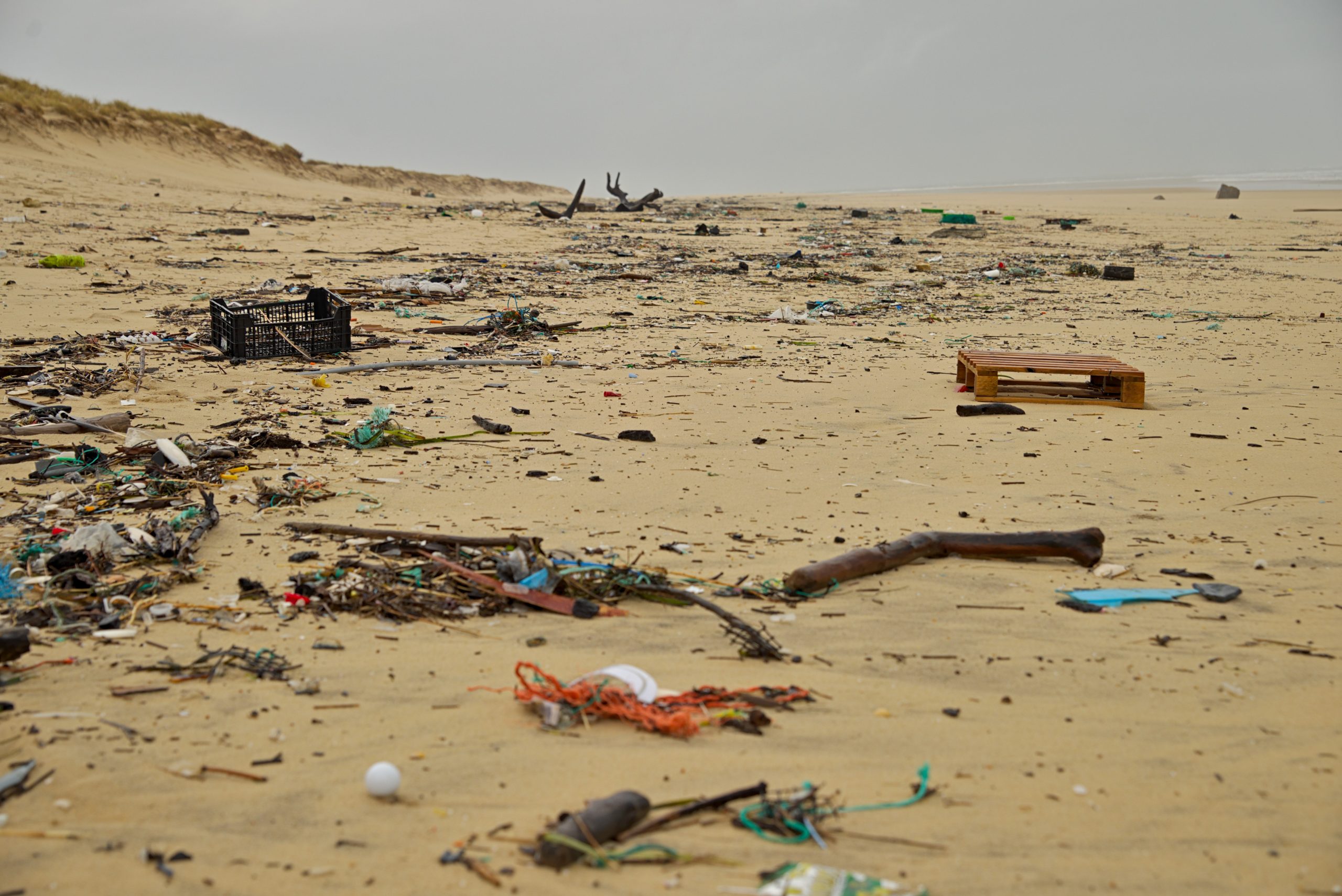
    There’s Something in the Water focuses on issues like Northern Pulp and Boat Harbour in Pictou County. Louise, one of the women being interviewed by Page, points out the shocking number of cases of cancer in her mostly-black community, a direct result of a waste dump nearby. The documentary explains that if you map out Nova Scotia’s BIPOC communities and Nova Scotia’s landfills, you’ll see a horrifying correlation. It also shows the many discouraging ways that the Nova Scotian government has failed to keep its promises to marginalized communities and to fix their errors. It exposes the direct link between environmental racism and its harmful effects. Through all of this, Page’s documentary shows Nova Scotian viewers how environmental racism has been affecting our province for decades. 

    Overall, the film was extremely eye-opening. It was embarrassing to be reminded of my own ignorance concerning the issue and helpful to then learn more about it. The people in the movie felt very real, as opposed to actors, yet important enough to pay attention to. They made me forget that all of these issues are happening right in my own backyard, and once I remembered, I was once again shocked and horrified that these things could happen so easily and simply go unnoticed. Surprising but important situations were brought to light through the film, like how in 2017, a Shelburne councillor blatantly told residents to “stop playing the racism card”.

    I loved There’s Something in the Water. Elliot Page’s ability to make the environmental racism that’s been happening around me seem so realistic, and yet still unsettling enough to make me want to make a difference was incredible. His explanations of the issues were clear and eye-opening, and genuinely encouraged me to start fighting for change. I would recommend this film to anyone, and already have to several people. Overall, I’d rate it 8/10. If it were slightly longer, I’d give it 10/10, because I enjoyed it so much. 

  • Acadia Global Brigades is a Farce: Leave it to Professionals

    Humans are inherently selfish. The only reason students volunteer is to have something nice to look at on their résumés in the hopes that future employers will think that they are well-rounded individuals and should be hired. That statement alone is enough to trigger emotions of outrage, I understand. But allow me a few minutes out of your day to explain to you that volunteering with such groups as the Acadia Global Brigades is an absolute farce. It provides doe-eyed naïve students that opportunity to take a profile picture to shape an altruistic image of themselves while leaving those in need ever-searching for actual solutions.

    Let me pose to you a question: if you’re sick and in need of some life-saving injection, do you want a student administering that shot for you? Do you want a student giving you advice about your nutrition? Do you want a student building your homes? The answer is no. You want an actual doctor giving you medical attention. You want fully-trained nutritionists giving you advice. You want actual labour-skilled workers building your home. By participating with the Acadia Global Brigades or similar voluntourist groups, you are effectively treating the people seeking assistance as guinea pigs for your own “training.” These are students, unlicensed and not yet professionally capable to give assistance. In fact, if a student remained here in Canada to conduct the same actions, they would be charged with fraud. The fact that the Brigades takes place in Honduras makes everything okay though. It’s far away and so are the consequences. Who are you to play doctor with actual human lives?

    The email I received advertising the Brigades asked me if I wanted to “get involved during [my] university experience.” Key word: experience. The Brigades is being pitched to me, to students, as an experience. Experience like going on a vacation, experience like going to a concert. Don’t try to pitch it to me that I’m going to be single-handedly responsible for improving “quality of life, resolve global health and economic disparities and work collaboratively with community members to work towards an equal world all while respecting local culture.” If you wanted to respect local culture, you should not be involved in perpetuating Western forms of “development.” It was the West who defined what it meant to be in poverty. It was the West who pursued to change the standards of other countries to match their own interests. Let the people of Honduras find there own ground-up solutions. Who are you to come in and dictate what the people need?

    Do you ever think about the impact that you’re leaving behind when the voluntour is all said and done? You take a few pictures with local community members, with the ever-smiling kids. If you get a picture with a foreign child who’s all laughs and carefree, that earns you over one hundred likes of Facebook. Good for you. Push that social media agenda and half-assed attempt to tugging at people’s heart strings. You want to look like a good person, so go on the voluntour. Go ahead and build bonds with those kids. Play with them, sing with them, show them that you care. And when every thing is all said and done, you can go ahead and abandon them. Abandon them and go home to Canada, looking upon lovely pictures to remember them by. Leave them to their shoddily built houses made by 18 to 22-year olds with no building experience.

    So, no. I don’t want to partake in this supposedly “amazing experience.” I don’t want to “find that out on [my] own.” I am aware of my actions, domestically and internationally. If you’ve thought about joining the Acadia Global Brigades, I suggest you read the book Damned Nations by Samantha Nutt, MD. Educate yourself before you unwittingly place somebody else at more risk then they already were. It would suck to find out that the house you built for a Honduran family came crashing down on them because it was poorly constructed. It would suck to be on the receiving end of a needle, being prodded like cattle. It would suck to make friends with a foreigner only for them to leave and not give so much as a second thought to how you were doing. Repairing schools and homes may make you feel great, but it may do more harm than good. Having good intentions doesn’t always lead to a good outcome.

    The Acadia Global Brigades is a farce. Leave it to the professionals.


Betzillo positions itself as a versatile gaming hub where structured bonuses and adaptive gameplay mechanics support both short sessions and extended play.

Built with a focus on innovation, Spinbit integrates modern casino architecture with rapid transactions, appealing to players who value speed and digital efficiency.

Ripper Casino emphasizes bold entertainment through high-impact slot titles and competitive promotions crafted for risk-oriented players.

A friendly interface and stable performance define Ricky Casino, offering a casual yet reliable environment for a wide spectrum of gaming preferences.

King Billy Casino channels classic casino spirit into a modern platform, delivering recognizable themes supported by contemporary reward systems.

Immersive visuals and layered slot mechanics are at the core of Dragonslots, creating a narrative-driven casino experience.

Lukki Casino appeals to players seeking direct access and minimal friction, focusing on fast loading times and intuitive controls.

Casinonic provides a structured and dependable gaming framework, blending modern slots with transparent operational standards.