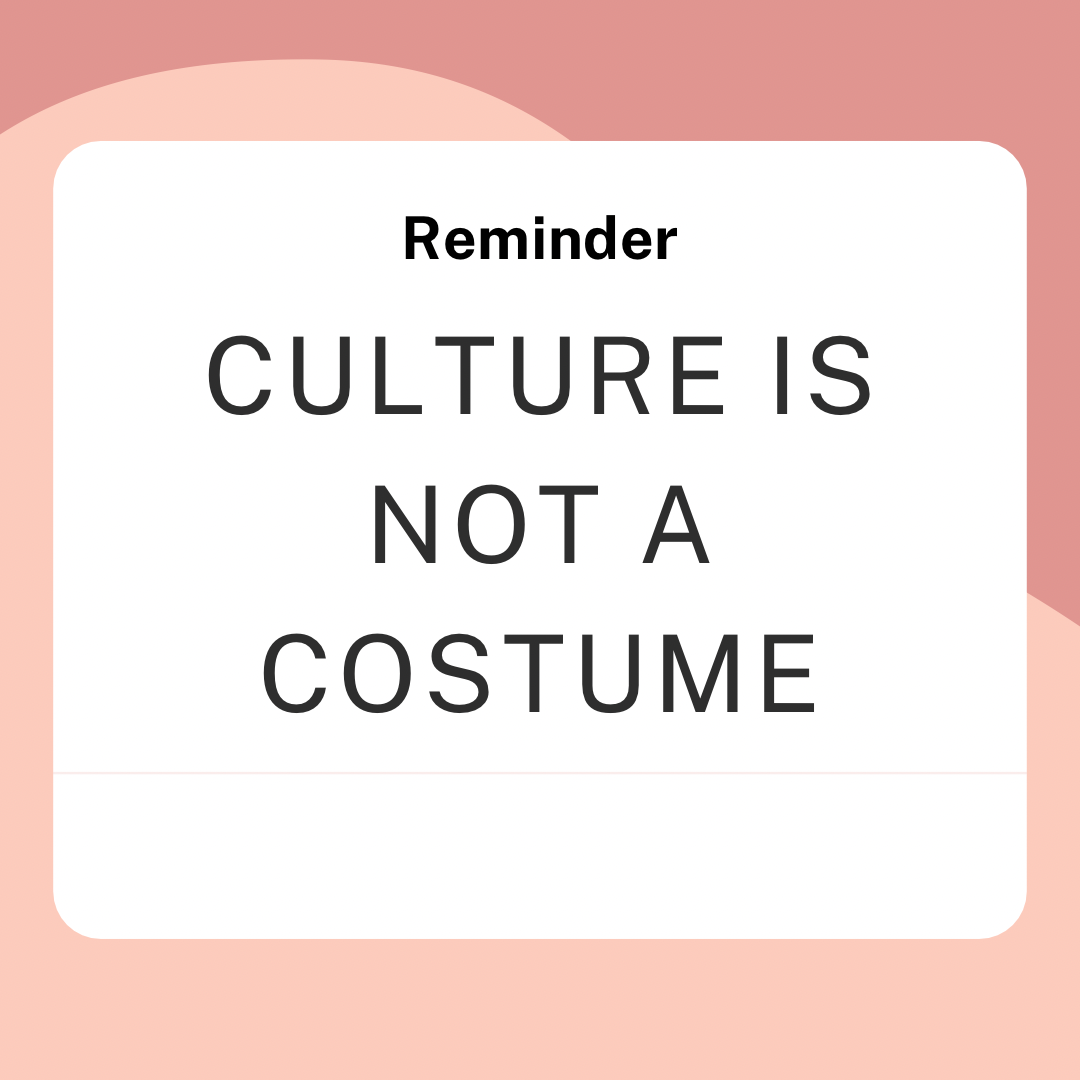
Tag: cultural appropriation

  • White Women Need to Stop Culturally Appropriating Black Women’s Trends

    White Women Need to Stop Culturally Appropriating Black Women’s Trends

    In terms of popular culture, you’ve probably heard of “catfishing”, but have you heard of the term “blackfishing?”. According to U.K. news source, Independent blackfishing is: “a term used to describe someone accused of pretending to be Black on social media by using makeup, hair products, and in some cases, surgery to drastically change their appearance”. Some famous pop culture figures who have been accused of this include The Kardashians, The Jenners, and Ariana Grande. A few common counterarguments I read online in defense of blackfishing either: 1) suggest that White women who appropriate these trends are just appreciating the culture or 2) comments like “well what about Black women who dye their hair blonde?”. In all honesty, I think those arguments are absurd and dismissive of reality and here’s why:

    My fellow White ladies, this may be a hard pill to swallow but hear me out…: not everything is for us. Not everything is designed to please us. We are not entitled to be a part of every pop culture trend that exists, and we are certainly not entitled to poaching someone else’s culture for our own social and economic gain.

    White women appropriate these trends because they think it looks cool and trendy while Black women are simultaneously ridiculed and policed for the same trends that are their natural selves. For example, Black girls in the United States are getting kicked out of schools for wearing their natural hair but White women are getting thousands of Instagram likes and followers for wearing the exact same hairstyles (https://www.elitedaily.com/life/culture/black-girls-natural-hair-racism-schools/1953497). Black women have been consistently discriminated against in the workforce for wearing their hair the way it naturally grows out of their heads and there are currently zero states in the U.S. that ban discrimination of natural hairstyles in the workplace. Racial profiling and police brutality have been affecting Black women for decades and 2020 is no different, for example, the violent arrest of Santina Rao at a Halifax Walmart (https://globalnews.ca/news/6443430/nova-scotia-police-watchdog-halifax-police-rao-assault/). While the appropriation of these trends may not always stem from mal intent, they certainly stem from ignorance.

    It is simply not a good look for White women to be profiting off trends that they stole from Black women. For those who argue that it is cultural appropriation for Black women to wear blonde hair: White women are not getting kicked out of school or robbed of careers because they are blonde. White women are not systemically discriminated against in the workforce or schooling system because they have blonde hair. White women are not getting racially profiled and suffering violence due to police brutality because they are blonde. That is the difference.

    So how do we move forward from this issue? I think it is important to not take a White savior approach. YouTuber Kimberly Nicole Foster, who goes by the username “For Harriet” comments on pop culture issues like Black stereotypes in media and blackfishing. She states White women need to be allies, space makers not space takers. She says that White women need to be allies in the workplace, in schools, when they see racial profiling happening. Foster says that White women need to acknowledge why ignorant acts like blackfishing are problematic and to use their privilege and their platform to raise awareness about racial justice.

    Note: This article was produced for our Black and Indigenous print edition from March 2020. The edition was postponed due to COVID-19 and is just being released now.

  • What’s in a Name? Racism: A Response.

    This is in response to the article in the last issue titled “Unpopular Opinion: Controversial Team Names Aren’t All That Controversial.” In short, I call bullshit.

    I appreciate the fact that you, Anonymous writer, would rather see more productive means of protest that doesn’t involve boycotting games. This I can agree with. I understand that you feel as though the controversial team names in question are honouring the Native people. Not only are you wrong about this, but perpetuating this idea is dangerously ignorant.

    You may be thinking that something as simple as a team name or their mascot cannot possibly promote racist ideologies. It’s all in good fun, right? Wrong. Take the Washington Redskins for example. Do I even have to go further with this explanation? “Redskins” is a term used to refer to the scalps that were collected for bounty. Scalps were literally taken off the heads of Native people and sold off like a trendy pelt. Over time the term developed to literally mean ‘person with red skin,’ aka Indigenous people. Does this development make the term more acceptable? No. It is completely degrading and one of the most grotesque terms available. So, how are the Washington Redskins showing respect and honour as you so eloquently point out? This isn’t an homage. It’s a reminder of social hierarchy. It’s making a joke out of our Indigenous peoples, where the punch line is the acceptance that people like yourself feel towards this issue.

    If you still don’t believe that team names can promote racism, take a look at some of the headlines that have appeared over the years: “Scalp ‘em, oh wonderous Redskins” (Chicago Sun Times, 1987) “Hartley Claims Redskins’ Scalp” (The Mirror, 2000), and most recently “Red Robins Scalp Indians in Solid GNC 6-0 Shutout” (Antigo Daily Journal, 2017). These are only three examples of many more. Now that we have established that racism does exist, let’s turn our attention to cultural appropriation.

    Have you ever seen a Braves game? The “Tomahawk Chop” is a fan favourite that involves swinging a foam tomahawk and participating in a “rallying cry” that is supposed to replicate what these people think a Native one would sound like. The Kansas City Chiefs will also say that they are honouring Indigenous people, and yet they encourage stereotypes. They play at Arrowhead stadium, sport a logo of an arrowhead, and have a horse mascot named Warpaint. The fans are often seen wearing head dresses, and yell out war cries for their team. The Cleveland Indians, besides having a name that is well known as a derogatory term, have an incredibly racist mascot named Chief Wahoo. But I suppose you feel as though Indigenous people should feel honoured to be made fun of, because at least they get some recognition, right? What you are really saying in your article, dearest Anon, is that we should be grateful for any kind of representation we can get in this world, even if it’s offensive. What you are saying is that you can still take and take and take from us, and there isn’t anything we can do about it. We are not your mascots. We are not your property, and we sure as hell aren’t going to sit here and accept it like you want us to do.

  • Unpopular Opinion: Controversial Team Names Aren’t All That Controversial

    The controversy of team names has been a hot topic in the world of sports as of late, and all the attention being brought to the topic has me thinking: are these team names controversial, or are activists just bringing it up to create controversy? Before you gasp in disbelief and accuse me of supporting cultural appropriation, just hear me out.

    Think of other team names that aren’t considered controversial. The mascot of a team usually represents something fierce and unstoppable. Panthers, Eagles, Lions, and the list goes on. If a team isn’t named after an animal, it’s named after something that pays respect and homage to the team’s city, country, or background. This is where we get mascots such as the Maple Leafs or the Oilers. So, isn’t it possible that, like these team names, the “controversial” ones are also used to pay tribute to the Indigenous people? In my opinion, having teams such as the Cleveland Indians and the Kansas City Chiefs remind people of America’s roots. These names aren’t meant to be racist. These names are meant to pay tribute to the strength, excellence, and determination of the Native peoples.

    At the end of the day, people are offended by anything and everything. Environmentalists will take issues with the Edmonton Oilers, tall people might take issue with the San Francisco Giants, and perhaps people are offended with the Boston Celtics because of the Irish. If we are going to insist that sports teams change their names to be less controversial, then it should be consistent. Not just for the sports teams with Indigenous based names.

    Don’t get me wrong, I’m not stubborn in my opinion. I can understand why some people will take offense to these names. But I do not feel like the actions being taken are progressive in any way. It has been reported that many people have boycotted sporting events, reporters refuse to say the name of the teams on broadcast, and merchandise is being destroyed. So, my question is this: why is the team being punished for the name? They did not name themselves. These actions are directly effecting the players, and that isn’t right or fair. There must be a better way to voice your discontent.

    Alternatively, maybe those who are offended should see it from a different perspective and accept that team names honour their namesake. The logos and mascots themselves is an entirely different story, and I could see why that may be taken offensively. However, the team names and their mascots are different matters and should be treated as such. Keep this in mind the next time you decided to hop on the bandwagon and protest something you didn’t care about a year ago.

Betzillo positions itself as a versatile gaming hub where structured bonuses and adaptive gameplay mechanics support both short sessions and extended play.

Built with a focus on innovation, Spinbit integrates modern casino architecture with rapid transactions, appealing to players who value speed and digital efficiency.

Ripper Casino emphasizes bold entertainment through high-impact slot titles and competitive promotions crafted for risk-oriented players.

A friendly interface and stable performance define Ricky Casino, offering a casual yet reliable environment for a wide spectrum of gaming preferences.

King Billy Casino channels classic casino spirit into a modern platform, delivering recognizable themes supported by contemporary reward systems.

Immersive visuals and layered slot mechanics are at the core of Dragonslots, creating a narrative-driven casino experience.

Lukki Casino appeals to players seeking direct access and minimal friction, focusing on fast loading times and intuitive controls.

Casinonic provides a structured and dependable gaming framework, blending modern slots with transparent operational standards.