Tag: Liberal Party

  • Canada 2020: New Government, New Year

    Canada 2020: New Government, New Year

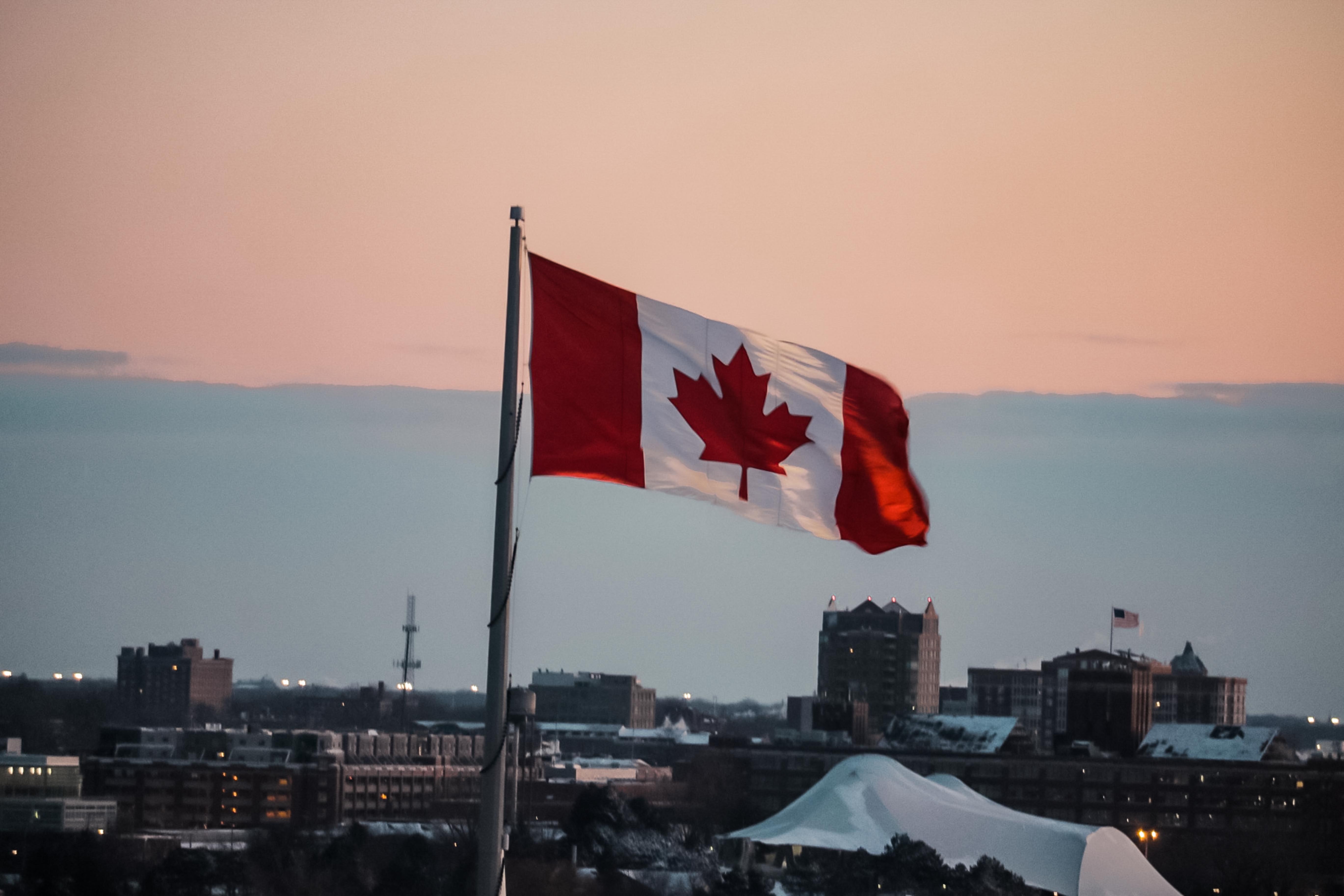
    It has been almost three months since the Liberal Party, led by Justin Trudeau, was voted in for a second term, this time as a minority government. Although it has only been a few months, Prime Minister (PM) Justin Trudeau and his party have already been making many decisions and changes. So, what exactly can you expect from the liberals in 2020? 

    Treading Carefully

    Justin Trudeau and his party may have won the 2019 Federal Election, but they did so by a slim margin. The Conservatives won the popular vote and many other parties gained support that was previously directed towards the liberals. This outcome means that Trudeau will spend 2020 and the next four years thinking more carefully about his future decisions. 

    If Trudeau wants the liberals to continue to be in power, his choices must be managed with care. Already we have seen Trudeau take almost a month to form his government compared to the fourteen days he took in 2015. The extra time demonstrates Trudeau’s recognition that he must make smart choices that benefit all of Canada and not simply a select few.

    The Western Divide

    The liberal’s victory drove a wedge between Canada’s west and east. The western provinces, primarily Saskatchewan and Alberta, expressed concern that their problems were not going to be addressed by the liberal party. Justin Trudeau has promised to do what he can to understand the frustrations of the people in the west and respond in the best ways possible.

    Based on his promises, in 2020 Justin Trudeau will work towards making Canada united again from coast to coast to coast. The first step made towards this unification took place when Trudeau unveiled his cabinet, which consisted of Jonathan Wilkinson as Environment Minister and Chrystia Freeland as Intergovernmental Affairs Minister and Deputy Prime Minister. While neither Wilkinson or Freeland represent ridings in Alberta or Saskatchewan, both ministers were raised in the west and Trudeau hopes that they will be able to respond effectively to some of the west’s major concerns.

    Jason Kenney, Alberta’s Premier in a statement said, “With no ministers from Alberta, I hope that ministers with portfolios of especially urgent interest to our province will listen to Albertans, take our concerns seriously, and work constructively with the Alberta government to address them”.

    Although Trudeau made the first step regarding recognizing the west, 2020 will be the year that determines whether the gap between the west and east closes or continues to grow.

    Climate Change

    One of the factors that played heavily into the 2019 Federal Election and many parties’ platforms was the crisis of climate change at hand. Back in June, the Liberal government proposed a ban on single-use plastics to come into widespread effect in early 2021. If the ban is to take place officially, much of 2020 will be dedicated to finding alternatives to single-use plastics and slowly initiating the changes.

    A number of municipalities have already put this ban in effect. In Devon, Alberta stores in the community are no longer allowed to distribute single-use plastic retail bags as of January 1st, 2020. Many cities in British Columbia have jumped on this initiative such as Surrey, Kamloops, Nanaimo, Salmon Arm, Saanich, Tofino and Victoria. 

    Trudeau has made progress in the past towards reducing the countries carbon emissions and it can be expected that in 2020 he will continue his efforts to make Canada greener.

    Wireless Price Cuts

    Part of the Liberal’s re-election platform was the promise to reduce wireless bills by 25%. Wireless bills are an issue that concerns the majority of Canadian’s and this promise seems to be taking precedence in 2020.

    Minister of Innovation, Science and Industry Navdeep Bains announced to The Canadian Press that these price cuts will take place within two years starting in December 2019. Already prices have dropped between 27-28% from 2016 to 2018 and the liberals plan on furthering that reduction even more. Bains reported that the liberals made a commitment and plan to uphold it in the coming year.

    Many details surrounding how the liberals will achieve this 25% decrease have not been released yet but with the new initiative in place, Canadians should expect details to arrive soon.

    Campaign Promises

    There are many promises made by parties during the campaign period and it is hard to predict which ones will be tackled in the upcoming year. With budgets being decided, the liberals should begin to work on a number of promises in the upcoming year but since we are still unsure, these are merely some important matters the party will be predicted to deal with within 2020.

    With the west, climate change and wireless price cuts in mind, it will be interesting to see what the Liberal Party accomplishes or what mistakes they make this year.

  • Why Your Vote Matters + a Debrief of the Major Political Parties

    Why Your Vote Matters + a Debrief of the Major Political Parties

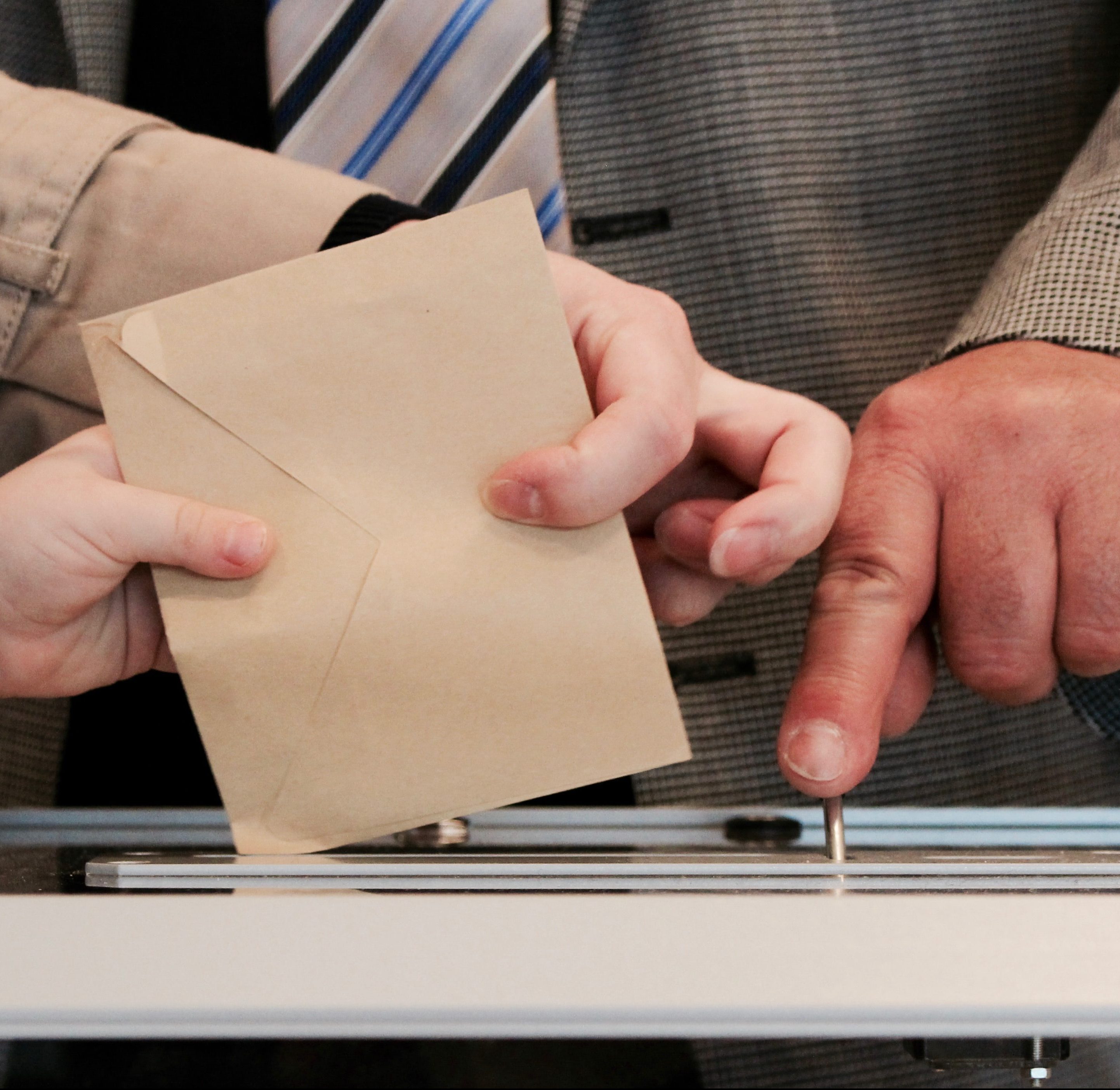
    October 21st, 2019 is a very important day for Canadians all over the country, it is our federal election. The party voted in will be the government in power for the next four years. It is our chance as citizens to voice our beliefs and vote for whatever party we feel represents us best.

    Many students around campus may not realize why they are continually encouraged to vote in the upcoming election. They may be asking themselves “does my vote really matter?”. The answer to that question is YES. Your vote is your voice and although there are reasons why people may not want to vote, there are also so many reasons why you should.

    “What is the point of voting when I already know how my riding will vote?”

    The biggest reason why Canadians tend to not vote is that they feel powerless as a single individual and assume that the riding they are voting in will inevitably vote for a specific party. It is important to remember that your riding may continually result in one outcome because the majority of the people voting in that riding voted for that specific party. This ‘inevitability’ can be changed with your vote. If everyone who thinks as you do chooses not to vote because of a consistent outcome, then, of course, things won’t change. However, if all these people, including you, decided to vote and share their voices then the party that the majority voted for in your riding may change. Don’t be deterred by your riding’s past. New people can vote every single year and it has been four years since the last federal election.

    Our school has partnered with the ‘Get Out the Vote Campaign’ in order to encourage Acadia students to vote. Their website goes over where and when you can vote on campus as well as what you need to bring in order to vote at the polling stations. Additionally, you can pledge your vote on their homepage. Doing so allows the campaign to gain an understanding of how many students from each university plan on voting. Acadia University is also competing against the other schools in Nova Scotia to see who gains the most pledges.

    Many students on campus have not been exposed to some of the parties or their campaigns yet. In order for those people to gain a full understanding of each party and their promises, a summary of all four major parties in Canada are listed below:

    Conservative Party of Canada

    In 2003 when the Progressive Conservative Party merged with the Canadian Reform Conservative Alliance Party, the Conservative Party of Canada was born, technically making it Canada’s newest party. This party in the words of their own mission statement primarily, “stand for sovereignty and a strong national defense; open federalism and national unity; free enterprise and individual achievement”.

    The head of their party, since May 27th, 2017, is Andrew Scheer. He has previously been an elected Conservative Member of Parliament (MP) from 2004 up until he was elected head of the Conservative Party. During his time in office, Scheer was elected Speaker of the House of Commons and served as Official Opposition House Leader. Scheer is currently running on his vision: “where taxes are low, government is limited, opportunity is unlimited, freedom is shared, and people are put before government!”

    Upon reaching out to Kings-Hants Conservative representative Martha Maquarrie, to ask her a few questions regarding her party and platform, The Athenaeum received no response.

    Liberal Party of Canada

    As Canada’s oldest political party, the Liberal Party of Canada is the current governing party. While this party can be traced back far in history, the principles of the party have always been based on the ideas of liberalism including individual freedom for present and future generations, a just society, political freedom, religious freedom, national unity, equality of opportunity, cultural diversity, bilingualism, and multilateralism. Modernly the liberals are a party that is not only fiscally responsible but socially progressive.

    The party’s current Leader is Justin Trudeau who has been the party leader since 2013 and the Prime Minister of Canada since 2015. Since taking office in 2015, Trudeau has completed some of the major promises he ran on in 2015 such as the legalization of marijuana. Trudeau has many ideas for Canada if re-elected and when asked why Canadians should vote for him? He replied that Canadians “are dreamers, innovators, builders. We know that in Canada, better is always possible. And we deserve a government that knows that too.”

    Kings-Hants Liberal Representative Kody Blois sat down with The Athenaeum last week and gave us some insight into the Liberal party and their platform. This enlightening interview with Blois will be shared next week and will be available on The Athenaeum website then for those interested.

    Canada’s New Democratic Party (NDP)

    Canada’s New Democratic Party was originally a socialist party, that went under the name of the Cooperative Commonwealth Federation (CCF), whose goal was to democratically get rid of the capitalist system and instead rely on a government-planned economy. Since then the NDP have moved in a more moderate direction with the goal of implementing social democracy with a mixed economy. Now, this party is considered quite similar to the Liberals in terms of their beliefs but are slightly more aggressive regarding their positions on topics such as non-interventionist foreign policy and higher taxation for the wealthier individuals.

    Jagmeet Singh has been the head of the NDP since October 1st, 2017 and served as a Member of the Provincial Parliament (MPP) for the Ontario New Democratic Party from 2011 – 2017. Only four years after working as an MPP, Singh became the deputy leader of the Ontario NDP and is the first non-christian person from a minority group to lead a party through a major election. Singh has previously said about his party, “The defining feature of the NDP – of every New Democrat – is that we are not only offended by inequality, we put everything we have into fighting it.”

    The Green Party of Canada

    Originally the Green Party of Canada was a one-issue party, only looking to raise awareness about the environment. When former leader Jim Harris took over the party in 2003, the Greens expanded from their one-issue ideals and began to market themselves as a center-left party. Since then the Greens have been slowly gaining popularity as they loudly voice their support for participatory democracy, nonviolence, social justice, sustainability, respect for diversity and ecological wisdom.

    Elizabeth May, current leader since 2006, was the Green Party’s first elected Member of Parliament. A frequent volunteer and protester, May received a degree in law and immediately began working on behalf of consumer, poverty and environmental groups. Since becoming MP in 2011 May has received many titles by her fellow MPs: Parliamentarian of the Year 2012, Hardest Working MP 2013, and Best Orator 2014. Additionally, Hill Times recognized her as the Hardest Working MP, Best Constituency MP, and Best Public Speaker in both 2013 and 2014. As the climate crisis becomes more apparent to citizens around the world today May states: “I hold a vision of this blue-green planet, safe and in balance… we are emerging to a new reality. We are ready to make the next leap – as momentous as abolishing slavery or giving women the vote.”

    Now that you are familiar with the basics of each party, you can go to this website which shows each parties’ platforms regarding important public policies, such as healthcare and education, for this upcoming election.

  • Kody Blois Enters Liberal Nomination Race

    Kody Blois Enters Liberal Nomination Race

    Kody Blois from Hants East is the first Liberal to throw his hat in the ring for the nomination for Scott Brison’s old seat of Kings-Hants.

    After Brison announced his decision to not seek reelection earlier this year, there is a spot to be filled on the ballot and Kody Blois is prepared to take on the challenge.

    Blois, a 28-year-old lawyer in training at McInnis Cooper in Halifax, has expressed his determination to make a difference in the Kings-Hants community.

    His determination stems from the leadership experience found in competitive hockey – he used to play for Brock University in Ontario while completing a Bachelor of Commerce (Marketing). His experience within the sport shaped him into the leader he is today. “Sports have truly shaped me as the person I am today, and I’m grateful for it,” he noted.

    After transferring from Brock to Saint Mary’s University in Halifax, he completed his degree. He then proceeded to do a Master’s of Public Administration at Dalhousie followed by a law degree at Dalhousie’s Schulich School of Law.

    Given that Blois is only 28, he has a very keen interest in getting young people involved in politics. “We have this perception that young people simply do not care about politics,” he noted in an interview with The Athenaeum. “But that is only a perception, not a reality.”

    In 2017, Blois started a community-based event called Tide Fest. ‘“I guess you can compare Tide Fest to Apple Blossom here in Kings-Hants,” he laughed. He noted that it’s when people come together to really form a sense of community and belonging that real change begins.

    Blois strongly emphasized community and volunteerism. He founded both the Sports Heritage Society and the Sports Hall of Fame in Hants East, which were established to recognize members of the community who have made a positive impact. These awards are for coaches, volunteers, and even athletes who have excelled in their sports.

    The success of Tide Fest in the past two years resulted in nearly $100,000 raised for charitable causes, with the money given back to the community. Based on his background, Blois strongly believes he can channel his past successes from his home of Hants East to Kings-Hants.

    Blois intends to focus on three main priorities in ensuring that the people of Kings-Hants are heard. “We have a strong focus in agriculture and I really want to see this prosper within Kings-Hants,” he said.

    He described the importance of vineyards to the regional economy and the need for more investment in the tourism sector. “This is something I’m willing to work towards and invest my dedication into new projects to benefit Kings-Hants.”

    “The role of a Member of Parliament is essentially bringing concerns to Ottawa and effectively being a voice for the people.” Blois was drawn to the Liberal Party because of his hard-working background and advocacy for a stronger middle class. However, Blois advocates for doing politics differently and getting concerns heard all over Nova Scotia.

    Blois is also dedicated to hearing the concerns of Acadia students. “The need for student involvement is essential to truly making a difference.” As a 28-year-old, only a year out of post-secondary education, Blois believes that he can relate to the needs of students.

    Blois will be at The Axe Bar & Grill on Sunday, March 3rd at 3:30 to meet with anyone who is interested in getting involved.

Betzillo positions itself as a versatile gaming hub where structured bonuses and adaptive gameplay mechanics support both short sessions and extended play.

Built with a focus on innovation, Spinbit integrates modern casino architecture with rapid transactions, appealing to players who value speed and digital efficiency.

Ripper Casino emphasizes bold entertainment through high-impact slot titles and competitive promotions crafted for risk-oriented players.

A friendly interface and stable performance define Ricky Casino, offering a casual yet reliable environment for a wide spectrum of gaming preferences.

King Billy Casino channels classic casino spirit into a modern platform, delivering recognizable themes supported by contemporary reward systems.

Immersive visuals and layered slot mechanics are at the core of Dragonslots, creating a narrative-driven casino experience.

Lukki Casino appeals to players seeking direct access and minimal friction, focusing on fast loading times and intuitive controls.

Casinonic provides a structured and dependable gaming framework, blending modern slots with transparent operational standards.