
Tag: wellness

  • How to Handle Completing Final Assignments

    How to Handle Completing Final Assignments

    With final exams approaching, many courses have final assignments and essays requiring completion. The end of semester can be stressful because of this as these projects are normally heavily weighted. In saying that, there are several things you can be doing to ensure you complete these assignments on time, and more importantly, completing them to the best of your ability. 

    1) Make a schedule 

    One of the biggest reasons we feel overwhelmed this time of year is because we don’t have plan to finish these assignments. It’s important to take some time to make a schedule and plan how you will manage your time to finish these assignments. Having a plan is half the battle because it allows you to see a “path” for how you will complete these assignments. If nothing else, making a schedule keeps the deadlines in the forefront of your mind so you can work towards finishing your assignments before they’re due. 

    2) Leave time to review 

    While making your schedule, it’s crucial you incorporate time dedicated to review. Having time to review is vital for achieving optimal performance on assignments as it eliminates “silly” mistakes. These are the kind of mistakes you make when you are rushed and subsequently fail to understand the nature of the assignment. Such mistakes are easily avoided if proper review is conducted, and it will ensure marks are not lost for carelessness. 

    3) Ask questions 

    If you don’t understand what the assignment is asking of you, or you are unsure about the expectations, talk to your professor. Professors are there to help you and you should be using them as a tool to achieve success. There is no such thing as a “stupid” question, especially if it enables you to feel more confident about the assigned task. Clarification is always useful when completing assignments as it keeps you focused on the purpose of the task. If you are unsure or have any questions, go talk to your professor as it will save you not only marks, but it will alleviate unwarranted stress. 

    4) Ask for a second opinion 

    This is another important element of review. If you have the time, it’s always a good idea to have someone else review your work. It’s especially helpful for clarity reasons as the reviewer may pick up on something you never thought about or didn’t realize yourself before it was brought to your attention. Such information may prove to be vital in producing the best work possible. A second set of eyes is also beneficial for editing purposes to ensure your writing is clear and to the point. 

    5) Reward yourself 

    This time of year can be taxing both physically and mentally. It’s important to keep this in mind as you can only perform to your capabilities if you remain healthy. That means when you put in a long day’s work, it’s important to relax and reward yourself for your hard work. Whether that’s going for a walk with friends, watching a sports game, or simply listening to music, taking some time to relax to get your mind off things is beneficial.

    These are just a few things you can do to ensure you are working towards completing your final assignments to the best of your abilities. 

    Sebastian Farkas is a Fourth Year Honours Politics Student and Sports and Wellness Editor of the Athenaeum.

  • What is Mindfulness? 

    What is Mindfulness? 

    Have you ever found yourself to be struggling with staying in the present? The world has become immensely fast-paced as we are constantly finishing one activity and immediately moving to the next. This reality makes it difficult to take a moment and appreciate what is around us. That’s where mindfulness comes in. Mindfulness is a practice of intentionally taking time to engage in the present moment – without judgement. The “without judgement” aspect is essential as judgement sabotages the appreciation one can have for the current moment. In fact, mindfulness is now being researched by scientists and results have shown that the practice can be beneficial in reducing stress and fulfilling genuine happiness. 

    The actual practice of mindfulness has its roots in Buddhism, but many denominations engage in a similar act that attempts to calm the mind by feeling the wonders of the present. One of the extraordinary things about mindfulness is that it helps individuals savour the beauty of pleasurable experiences, without having to worry about what’s next. In savouring those pleasurable experiences, many become better equipped to handle struggles in life as mindfulness makes us understand why we need to appreciate everything around us. Mindfulness is about altering the way in which we view the world and the experiences we have by looking at each moment as an opportunity to better ourselves as individuals. The better individuals we become, the more able we are to make deep and meaningful connections with those around us. 

    Furthermore, mindfulness has been shown to improve both mental and physical health. By utilizing mindfulness techniques individuals can: relieve stress, improve heart function, lower blood pleasure, improve sleep, and reduce gastrointestinal issues. Equally, mindfulness can improve mental health as psychologists have found the practice to be important in treating: depression, eating disorders, spousal conflict, anxiety, and other mental ailments. 

    But, how does one practice mindfulness? There are different ways to practice mindfulness, but the goal is always to remain attentive by focusing on your present thoughts and emotions, again, without judgement. Mindfulness techniques are a form of meditation and they can be done by sitting quietly on the floor, closing your eyes, and repeating softly a word or “mantra” that resonates. This enables thoughts and emotions to come and go without judgement, and ensure you remain focused on your “mantra” or breathing as you do so. 

    Another important aspect to remember when practicing mindfulness is to remain cognisant of the way in which your body reacts. Keep track of your body’s subtle twitches and jerks as it reinforces the purpose of staying in the present. 

    Moreover, stay alert of the cravings you feel as you sit there. Let them come into your mind, but do not give into these desires as doing so eliminates all the work you have done to stay present. Remember, those feelings do not control you – you control yourself. Replace the craving with knowledge that these urges will subside as you focus on the moment in front of you. 

    Practicing mindfulness is not easy and it requires discipline in order for it to work properly. However, once the power of mindfulness is grasped there is no sensation like it as it affords everyone the ability to forgive themselves. No matter what has, or is happening in your life, mindfulness gives everyone the opportunity to forgive themselves and seek better. 

    Give mindfulness a try, you may realize something about yourself you never knew before. 

    Sebastian Farkas is a fourth-year honours student and Sports and Wellness Editor of the Athenaeum. 


  • How to Achieve a Balanced Lifestyle at University

    How to Achieve a Balanced Lifestyle at University

    Now that we are a month into the school year, you may be feeling a little more stressed as midterms approach. However, you can reduce stress if you stick to a plan that keeps both your mind and body fresh for when you need them most. The following are some tips for students seeking to live a balanced lifestyle:

    Get enough sleep: This is probably one of the most important things you can do to ensure both your mind and body feel fresh. It is recommended that you get 8 hours of sleep every night, but that depends on who you are. Some people feel like they only need 6 hours to feel energized for the day, and some people feel like they need 10 hours, regardless, find the amount of sleep that works best for you. While the amount of time one sleeps may differ from person to person, the time one goes to bed is crucial. Dr. Matt Walker is the head of the Sleep and Neuroimaging Lab at the University of California, and he states the time of day when you sleep drastically alters the structure and quality of your sleep. Individuals who consistently go to bed before midnight show higher sustained energy and attentiveness levels than those who do not. Sleep is very important to your health, so it is important to make it a priority. 

    Eat a healthy diet: Eating a properly balanced diet can make you feel well, and powers your mind for when you need it. Ensuring you have a healthy diet starts by understanding when its important to eat. Breakfast should be the largest meal of your day as it will fuel you throughout the day. Instead of eating large portions, stick to having snacks spaced throughout the day. Avoid foods that make your blood sugar rise and fall rapidly as you will become tired quickly. Drink enough fluids! People forget to stay hydrated and its very important to keep that in mind as failing to do so can alter your mind’s clarity. It is recommended that you drink between 6 to 8 glasses of water a day, and if you exercise regularly that number increases dramatically. As they say, “you are what you eat”, making it crucial to fill your body with healthy choices. 

    Exercise Regularly: This is often the most difficult aspect students struggle to find time for. Exercising isn’t only about keeping your body fit, it also sharpens your mind. Exercising can be a significant time commitment, but you can avoid that by doing simple things everyday. Walking is one of the easiest ways to get consistent exercise. Make it a priority to always walk to where you are going. Additionally, spending 10 to 15 minutes in the morning to stretch or perform some light yoga is also an excellent way to get your body and mind engaged for the day without wasting a large amount of time. Lastly, make it fun! Exercise doesn’t have to be a chore, it can be exciting and something you look forward to. Whether that involves joining an intramural team or going for a hike with some friends, there are a lot of fun ways to make exercising enjoyable. 

    Make a Schedule: School can become overwhelming at times, but planning can help alleviate those feelings. Buy an agenda or some other scheduling tool so you can write down important dates and deadlines to ensure you are completing your work on time. Not only do planners help you to finish work on time, but they help to establish a plan for how you can go about finishing your work to the best of your ability. Prioritizing is essential to performing at your best when studying and making a schedule can help with that. 

    Take some ME Time: While performing well in your classes is important, you have to make sure that you are not overloading yourself. Taking on too much can run you down and make you less able to accomplish the things you want. Thus, taking time for yourself to relax and enjoy your surroundings is equally important to maintaining a healthy lifestyle. Whether it’s hanging out with friends, or going for lunch with a buddy, taking time for yourself is essential to solidifying balance in your life. 

    These are just some simple tips to keep in mind when trying to understand how to live a healthy balanced lifestyle. There are many other ways one can go about living a balanced lifestyle, but it’s important to recognize what that looks like for you. Understanding what works and doesn’t work for you is pivotal to fulfilling the healthy lifestyle so many of us desire. 

    Sebastian Farkas is a fourth year honours politics student and Sports and Wellness Editor of the Athenaeum. 


  • Three Cheers to Fifth Year

    Three Cheers to Fifth Year

    Two things happened to me this past May: I turned 22, and the class I matriculated with graduated without me. Of course, people take an extra year to finish of their degree all the time. Personally, I’m taking a fifth year to complete an honours thesis and finish off the credits I need from taking a semester to do a co-op work term. I have this line memorized because I feel the need to say that on reflex when someone asks me how many years I have left/what year of study I’m in, since I know they’ll speculate as to why I veered off the traditional path of a 4-year degree.

    An immediate reminder of the stigma of deviating from the “normal” academic career was brought to my attention right after graduation, when friend of mine who is a part of the class of 2019 told me her parents made a very strange remark after she had crossed the stage: “I’m so glad you finished your degree in the allotted time”.

    To give you a backstory: I matriculated at Acadia in 2015. I was a nervous 18-year-old suffering from PTSD who had yet to get a proper diagnosis or treatment. I was terrified of everything and everyone, so I ended up incredibly isolated for my first two years of university. It got to the point where I straight up lived off of goldfish crackers and granola bars for a year because my anxiety was so crippling, I couldn’t go to meal hall without having a panic attack.

    Now, I’m going to make it perfectly clear I did not take 5 years because of my mental health; I want it on record that my grades from 1st and 2nd year are merely a reflection of my ability to not fail classes even when I’m barely functioning and maybe trying to kill myself (and because organic chemistry is like, really hard, ok?). To make matters worse, I got caught up in a horribly toxic relationship like many young and vulnerable kids and ended up cutting off a lot of my friends. I missed out on so much in my second and third year due to the isolation he kept me in. With the combo of my own brain preventing me from leaving my room, and then a possessive boyfriend keeping me on a short leash; I missed out on a lot of the classic Acadia student experiences.

    I’ve only recently caught up and have started to act like myself again in the past year. I went from being a petrified freshman who couldn’t leave their dorm room without feeling like their heart was going to pound itself out of their chest, and a student who wouldn’t dare speak a word in any lecture hall to an (mostly) anxiety-free person who is fully willing to raise their hand and speak their mind in class. Basically, it took me 4 years just to be able to fully enjoy university to the fullest extent because fear was holding me back for so long. I’m grateful to have a 5th year to end my time at Acadia on a good note, as well as catch up with all the time I lost.

    In all honesty, I thought I’d feel sad watching the grads of 2019 post photos in their caps and gowns; like I’d missed out, that my trauma had ruined something for me yet again, or that I was less accomplished than my peers. To my pleasant surprise, I felt the complete opposite. I felt incredibly proud of my friends who were beaming ear to ear with pride, but I didn’t feel jealous or suffer from FOMO, because hey! I earned a research grant for a project that is right up my alley, my supervisor is a scientist I’ve been wanting to work with for the past 3 years, and I’m pretty damn proud of that in itself.

    My qualms about being a late bloomer were pretty much gone when I saw the photos of people who are utterly clueless about what they’re doing with their lives past graduation joking about their uncertain future. I realized I have nothing to be ashamed about in taking my extra year, because I’d much rather be taking a victory lap than be part of the crowd of grads who struggled through their degree with the only things they’d had gained from those four years being an extra 20lbs and an alcohol dependence. I mean truly, my main thought was “thank god that’s not me”.

    I don’t feel ashamed for taking 5 years to graduate. I know the immediate assumption to hearing someone took more than the traditional 4 years to complete their undergrad is “oh they failed courses”; but I didn’t. I took a semester to gain valuable work experience that will benefit my career path and it provided a hands-on educational experience. Taking an extra year for me will do no damage to my academic record and will ultimately result in me graduating as a more qualified, and more employable person compared to a lot of the students I matriculated with, and I’ll owe it to my extended study period. So, even though I’m deviating from “the allotted time” to complete an undergrad degree; I refuse to be ashamed. I’m incredibly proud of what I’ve accomplished over that time period, academically and personally.

    By taking an extra year, I get to do an honours project in the exact field I wanted to with the supervisors I wanted to work with, I get to live with my best friend while she finishes her master’s degree, and I get to stay in Wolfville with my incredible boyfriend and cheer him on during the football season. I’ll be making up for lost time this year, but I basically get to do all of the things I wanted to do at Acadia, even if it took me a little longer to get to this point. I get to be the person I aimed to become from the very beginning, and I’m totally okay with the fact that it took me more than 4 years. I’m happy with taking my time if I get to accomplish all my goals rather than just graduating. I’m not done with Acadia yet, it still has so much more in store for me, and I’m happy to stay and see where the next year will take me.

    (Also, no offence, but grads 2020 just has a way better ring to it than grads 2019.)

    Game On!

  • Uniting Community through Dance

    Uniting Community through Dance

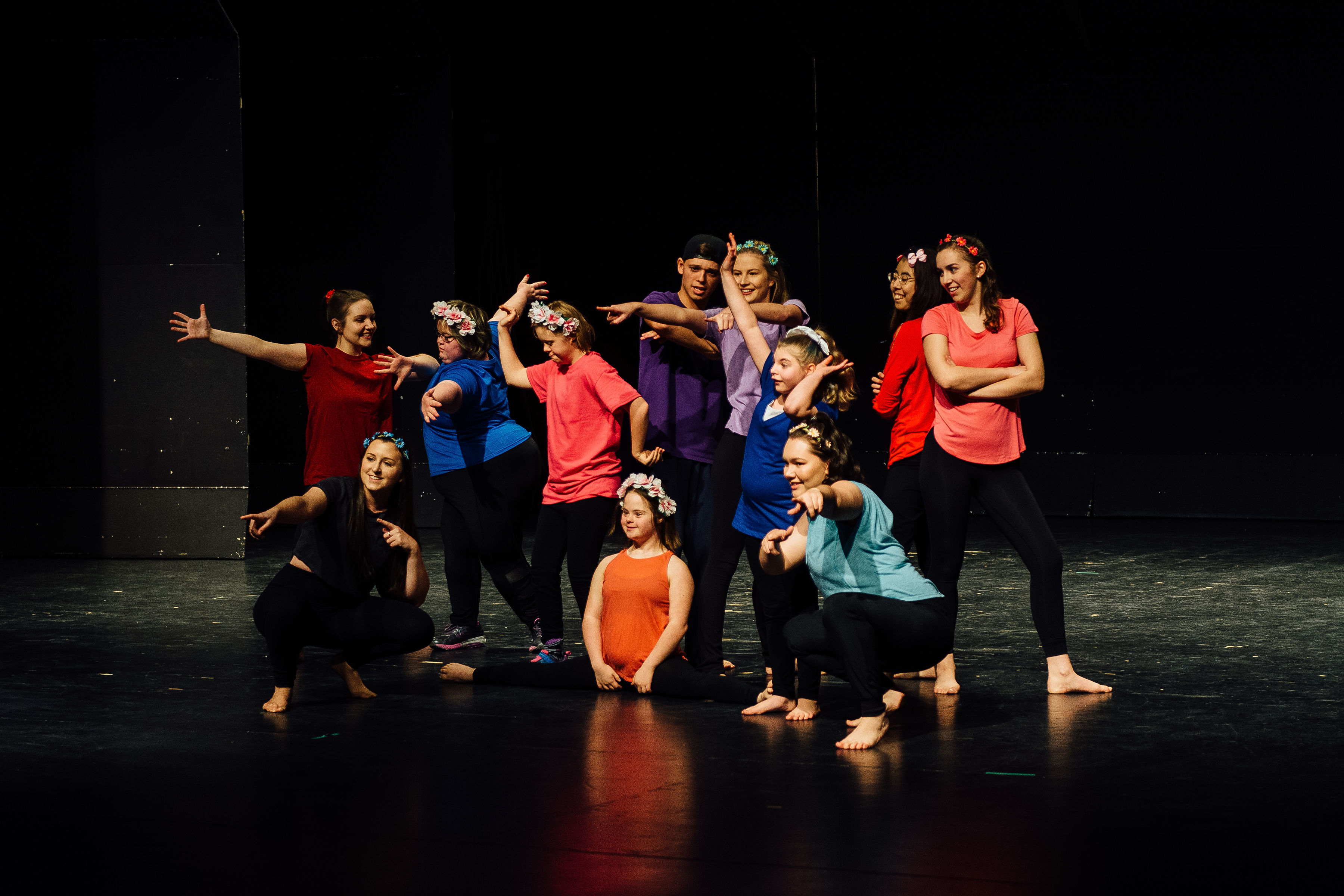
    Dance is an outlet that many use to express themselves. It is a beautiful art form where individuals perform choreography to produce profound messages. These messages evoke great emotions in the audience, and in the dancers themselves. Olivia Dobson is a third-year psychology student who has been passionate about the art of dance since she was young. Olivia wanted to share her love for dance with Acadia and the greater Wolfville community. In particular, Olivia witnessed the great success of Acadia’s SMILE program, but noticed there wasn’t an accessible dance class that was widely available within the Annapolis Valley. Upon this discovery, Olivia began organizing a dance class to fill this gap in the Valley. Then, came the creation of Dancepiration. Dancepiration is a dance program that is designed to be accessible for individuals, primarily children and youth, of all abilities. Olivia’s dance class began in September of 2018 and has grown from eight dancers, to over twenty dancers since. The program offers an interactive dance class every week, where dancers move their bodies to express themselves in a way that many participants have never experienced before. 

    I sat down with Olivia to learn more about the tremendous initiative she created, and to see where Dancepiration will progress in the future.

    1) Why do you believe dance is such a powerful form of art?

    First off, dance is a multi-layered discipline, sport, and art form. I say that because I believe it involves four foundational elements:

    • Social Interaction (Communication): Dancing often involves cooperation and team work. Since our class practices as a group, each class is a social experience. The dancers work with one another by encouraging each other to do their best. Our dance class is a judgement free place where participants work with instructors to learn new dance moves, supporting each other along the way. I see our dancers learning from each other and even picking up on new dance moves by observing their fellow dancers.
    • Creativity: Dance is an opportunity for individuals to express themselves without the use of language. We teach our dancers structured dance moves, as well as guiding “expressive dance” sessions where we encourage our dancers to move their bodies in whatever form they desire. I am always in awe of how creative the dancers are with their movements. It brings me great joy to see our dancers move so passionately to the beat of music.
    • Physical Activity: Dance is a low-impact form of exercise that provides an immediate opportunity to work one’s mobility, balance, endurance, coordination, flexibility, etc. Since all of our dancers enjoy movement and music, dancing is a great way to enjoy physical activity! We try to stay moving as much as possible during our dance sessions; as well as improving participants’ flexibility at the same time.
    • Cognitive Skills: Dance requires concentration, attentiveness and memory, along with many other cognitive skills to execute dance routines. We often learn various dance choreographies, and I am always impressed with how quickly the dancers are able to perform the moves taught. Sometimes the dancers show up to class remembering the dance moves they learned previously, and perform them by heart; and sometimes, they remember dance moves even better than I do!

    2) There has been new research conducted in the field of dance therapy, can you speak to some of the research that has been done? Moreover, how does this research relate to your class?  

    An increasing amount of research is being published regarding the benefits of dance for individuals who have a disability. Dancing is an innovative form of therapy that has been shown to have positive benefits for all people, and especially for those who have a disability. The University of Montana is currently conducting research on creating accessible dance programs, as they “envision dance for all students.” Dance has been described as a “rich experience of exploring and creating, with the added benefits of lively movements that promote overall well-being.” Dancepiration aims to instill this creativity and well-being in our dancers. Our dancers naturally share a collective passion for dance, music, movement and the social experience that comes with the class.

    3) Can you describe to us the types activities you engage in during a dance session?

    In this dance class we engage in many different creative activities such as: attempting to make our bodies portray a snowflake falling gently to the ground, or a tree as the wind blows through its leaves, and other similar activities. In addition, we play dance-related games like “freeze dance”, “wax museum”, and “head-shoulders-knees and toes.” We frequently use the entire studio to perform our dances, while working on stretching and balancing our bodies as we do so. Each week we learn “mini” dances and practice them the following week to build on muscle memory skills; currently, dancers love to imagine being dogs as they dance to the song “who let the dogs out.” Last semester we learned a full dance routine and performed it on-stage for a live audience. Seeing the dancers perform for their loved ones was a highlight for me since starting this program. This semester, we are learning a full dance routine for a show in April.

    4) This is obviously a great initiative that many individuals are benefiting from. Where would you like to see this program going forward in the future?

    Honestly, I just want this program to become more well-known around campus and the community. I am so grateful to have met the dancers and their families, who currently participate in the class. The dancers who have participated so far are so talented and bring such a light to my life. I hope that Dancepiration can continue offering dance classes for anyone who is interested. A specific goal moving forward is to divide the dance program into separate dance classes for participants of varying ages. I also want to build a website that will allow individuals and their families to sign up easily, and to share information about the class more widely. Having volunteers from the Acadia Dance Collective at each class has been amazing because the dancers bond with instructors, and can receive one-on-one attention.

    Upon graduating in 2020, I hope this program will be established enough so that my successor can continue growing the program to reach more interested individuals. Having the opportunity to speak with you will hopefully introduce many more interested participants. 

    I want to thank Olivia for taking the time to sit down with me and inform us about the tremendous program that she has started, and the remarkable things the program has already achieved in its short existence. It is passion like this that makes Acadia such a special place, as Olivia exemplifies how just one idea can turn into something extremely meaningful for so many. As said by a dancer’s parent to Olivia, “You are touching the hearts of so many people. Not only the participants, but as a parent seeing your child dance, smile and interact with others, it makes me so happy.” I look forward to seeing Olivia develop this program further, as it will surely bring happiness to so many going forward.

    If you wish to learn more information about participating or volunteering with this program, please email: [email protected]

    Sebastian Farkas is a third year Politics student and Sports and Wellness Editor of The Athenaeum.

  • Mental Wellness: The Dream Board

    Mental Wellness: The Dream Board

    Everyone has dreams. From the earliest of ages we are asked, “what would you like to do when you grow up?” The answers you commonly hear from children are, “I wanna be a cop,” or, “I wanna be an astronaut.” While these answers may seem trivial in the moment, what if they didn’t have to be? What if there was a way to achieve these dreams? What if they were no longer dreams, but reality? I worked with someone this summer who told me about her ‘Dream Board’. Now I know what you’re thinking, is it not just a board with your goals on it; displayed in some elaborate, yet visible fashion? NO! It is far more than just your goals splattered on a piece of Bristol board. It is a real and genuine representation of where you want to take your life, and the path you will pave to get there.

    People say all the time that they have goals or mention that they would like to do this and that. But that’s often as far as they go. They have no plan to achieve their desires; only thoughts that come and go as often as the sun rises and falls, with no real hope of being achieved. We say we pursue these things because we don’t want others, or maybe even ourselves, to think that we have no purpose in life. We all want to think that we have the ability to achieve great things and become everything we aspire to be. However, there is a distinct difference between thinking and acting. Individuals do not judge each other based on our intents or thoughts; we judge each other based on actions we can see and feel.

    This is the essence of the ‘Dream Board’ – it allows for our thoughts and goals to become mobilized because we can see them, and they become real. We have to remember that the mind is very powerful. One of its most amazing features is that it is constantly working, even when we aren’t aware of it. The ‘Dream Board’ permeates our subconscious: having your goals, thoughts, and dreams displayed allows them to become part of you. Simply seeing those words and consistently having them placed in the forefront of your mind enables your subconscious to hold those ideas so they are always there and become a part of you. The more you see those thoughts, the more you see those goals, the closer you get to achieving them. Whether you are consciously working towards them or not, those ideas are with you all the time.

    This concept of having those thoughts, goals, and dreams front and center all the time is captured by the term “positive affirmations”. These positive affirmations describe a person’s ideal situation. They are so powerful because they reprogram the mind to think in a manner that is conducive to achieving this ideal state. The longer you ingrain those positive ideas, and the longer you surround yourself with those uplifting and inspirational messages, the greater the chance you achieve your dreams.

    The ‘Dream Board’ provides the opportunity to shape the life that YOU want. At the end of the day, if you are not happy, and not living the life you desire, how can you expect to enjoy anything that life has to offer? This is a pivotal part of our development as individuals; identifying our preferences, understanding the things we want from life, and then pursuing them with rigorous persistence.

    Once you reach those goals and feel the jubilation, you want that feeling back: the feeling of achievement is incomparable. The ‘Dream Board’ not only allows you to accomplish things you never thought possible; it perpetuates a continuous cycle for self-improvement. The quest to achieve never fades, it becomes part of who you are: a person who is in constant pursuit of excellence, and of fulfilling the sincerest form of complete happiness – for many, the ultimate goal.  

    Sebastian Farkas is a 3rd year Politics student and Sports and Wellness Editor for The Athenaeum

  • Eating Local in October

    Eating Local in October

    It’s finally the start of October, or the time of year we all know as the start of ‘cold and flu season’. Eating well and nourishing your body is important all the time, but especially at this time of year when stress is ramping up, temperatures are dropping, and your September ‘back to school bender’ is catching up to you. So what are some ways that are cheap, quick, easy, and student-friendly that can help you stay on top of your health? My favourite is shopping local and making use of the ingredients around me. Not only is eating locally great for your health, it’s great for your social consciousness and supporting local industry.

    The Annapolis Valley is a farming community, filled with farm-fresh fruits and vegetables, and although it’s almost the begging of winter, plenty of goodies are still in season. Late September/early October is a great time for root vegetables, which can make delicious soups – a perfect remedy for the beginning of that sore throat. Carrots are currently in season and paired with some ginger make a great ‘get well soon’ soup, another option being apple squash soup. Local apples are in season, as well as pumpkins, parsnips, squash.  Pair Gravenstein apples with butternut squash to create an interesting sweet soup, perfect for fall weather and impressing your ‘cuffing season’ interest. Or simply use the Gravenstein for a healthy local treat of apple pie or apple tarts that even your grandmother would envy.

    If soups aren’t your thing, corn is still in season – yellow corn at this time of year – perfect to pair with some local lamb, for a great end of season BBQ! Some other delicacies that are still available are: local garlic (a well-known cold remedy), brussels sprouts (sauté them in butter and bacon and I promise you you’ll stop hating them), cauliflower, pears, spinach, herbs such as rosemary and basil and sage (with frosts starting any potted herbs would be must safer inside!) beets, and beans!

    Now you may be thinking, this all sounds expensive and difficult to do, but when you know where to shop, it is much easier on your wallet than the big-name stores like Walmart, Sobeys, and the Independent.  An accessible spot for fresh and local ingredients that is my go-to is Noggins Corner Farm Market. Located just outside of Wolfville (at a bikeable distance), this farmers market provides not only local fruit and veggies, but local dairy and meat as well. The prices are more than reasonable and I stop here on my way to Sobeys to get all my fresh ingredients. Another small, fun, local spot is of course our local farmers market on Saturday mornings and Wednesday afternoons.

    My two personal favourites are Andersons Farm stand in Gaspereau (not only is it right on the farm where the products are grown, there is also an adorable baby cow right next to the stand to say hi to) and Reid’s Meat Market, a wonderful butcher’s filled with local meat, and friendly staff.

    Hopefully this article will give you some inspiration to fuel your creative culinary spirit and support local industry, while nourishing your body, keeping away those colds and flus, and keep you healthy throughout the cold weather and rest of the semester.

  • Casual Sex: Ain’t No Shame, Do Your Thing

    After reading headlines such as “Links in Mental Health and Hooking Up” and “Is Casual Sex Hazardous to Your Mental Health?” I have concluded that, based on the popular idea that women with poor self-esteem partake in casual sex more often than others, a lot of people probably think I’m extremely depressed. I’ve often been warned to slow down on my sexual endeavours. My personal favourite is when somebody hits me with “no self-respecting woman would sleep around like you do.”

    Here’s the thing about self-respect: it’s a personal thing. That’s where the word “self” comes into play. I can be sexually promiscuous and still respect myself. If you wouldn’t respect yourself if you were sexually promiscuous, then that is fine. But that is also your own prerogative and has nothing to do with me. I could sleep with hundreds of people and still respect myself. In fact, I could sleep with that amount of people and even respect myself more than somebody who has slept with 3 people. There is no way to find out for sure, though, because self-respect varies from person to person and it is no one else’s place to define it for you.

    The above headlines, and many like them, are not asking the right questions. It should not be a matter of whether somebody has casual sex, but rather about why somebody has casual sex. The act itself cannot determine anything about your mental health, values, or self-respect. It goes much deeper than that (pun intended). So, why do I have casual sex? Simply because I want to. I shouldn’t need to explain myself, nor should I need any other reason than that. I want to, I like it, I enjoy it, and exploring my sexuality is one of my favourite things to do. I am not ashamed of this. These are all valid reasons for having sex. Moreover, these are all autonomous motives. When somebody has non-autonomous motives for hooking up, the affects could be damaging. This is where mental health comes in.

    There are plenty of people out there who use casual sex as a tool (pun intended again) in their mental health. I know women who use casual sex to feel better about themselves. I know men who use casual sex to fit in with masculine standards. I know people who use casual sex as a distraction from what is really going on in their lives, who use it to fill the loneliness in their lives, and who use it because they do not have any self-worth without it. This is damaging and yes, this is a cause for concern. Mental health issues and casual sex often feed of each other and can become a cyclical experience. If you feel as though you are only engaging in casual sex to feel something other than pure enjoyment of sex, then I urge you to explore the real reasons behind your actions and take steps to better your life. You’re worth more than you think.

    But if you have casual sex just for the hell of it, then keep on doing you (and others). I’m not saying that casual sex and mental health aren’t connected, because there are multiple studies that prove otherwise. What I am saying is that this is not the standard that casual sex and the people who engage in it should be reduced to. A lot of us are self-respecting, mentally healthy, sexually active beings. It’s okay. It is normal. Whatever you personally decide is normal for yourself is exactly what normal is, and no one else should be shaming you into thinking otherwise. But they will. Keep your head up high, your sex drive even higher, and show the world exactly how you respect yourself.


  • Not Always: A Response to Exercise Is Medicine

    Did you know that there was a study published in the US National Library of Medicine which suggests that men who play sports professionally show a higher percentage of depression? What the article concluded was that “the high ratings of depression in this group indicate that they need psychological help and that exercise is not sufficient in reducing their depression.” Not everyone is a professional athlete, but the most important part of that study is the conclusion: that the athletes needed more help. This is what happens when you treat exercise like it is a cure-all when it is clearly not. Now, in the interest of full disclosure, the study had a relatively small sample size of twenty individuals. However, this doesn’t disprove the fact that exercise clearly doesn’t help decrease anxiety or depression in everyone, and these people should not be told that it does as it may prevent them from choosing other methods of assistance.

    I am well-versed in mental health due to a detailed history with it. I take anxiety medication for my panic disorder. Anyone who knows anything about medication treating mental illness knows that medication is not a magic pill. Medication helps the patient achieve neutrality. One must also take personal steps and coping mechanisms toward maintaining recovery in mental health. If someone said that their medication wasn’t working for them, the doctor doesn’t tell them that they are not taking it properly. They attempt to help them find a medication or a new dosage that works for them.  Who would force someone to take a medication that doesn’t work for them or makes them feel worse? In fact, the first thing they tell you when you take medication is that you should report to a doctor immediately if your anxiety or depression gets worse. If you are determined to view exercise as a medication, of which I have no problem, you need to follow the rules. Medication is not a cure all. That is, you wouldn’t prescribe Adderall for liver cancer, or Valium for depression. We can see that cannabis oil can help with some of the cancer side effects, but we would never use it in place of chemotherapy. Even more specific, I use Celexa brand Citalopram for my anxiety, but another anxiety medication like Xanax doesn’t work for me because it gives me migraines.

    First, calling exercise a “hugely under-recognized and under-utilized tool” Is laughable. Exercise is good for your body. That’s a commonly known fact. I don’t understand where these people pushing exercise like an unacknowledged cure for everything are getting the idea that nobody knows this fact. Exercise is good for obesity, diabetes, and high blood pressure? Who knew? As far as exercise helping chronic conditions goes, I followed that citation to a government site, where they state it almost word for word, and that government site got that information almost word for word from a study done by Statistics Canada, a government statistics site that got their information from a study done by the Pennington Biomedical Research Center and the Canadian Fitness and Lifestyle Research Institute.

    The reason I went so far to find the direct place the information came from is because each time this information was used they conveniently worded it so that it sounded like it lowers the risk of you getting a chronic illness. The original study was that it lowered the risk of you dying from a chronic illness, because the subjects already had chronic conditions when they were studied. It’s not exactly groundbreaking information that if you have a chronic heart condition, you will live longer if you exercise. If you are sitting there thinking that I’ve misunderstood the term ‘exercise’ and that articles like these are only pushing daily light fitness, which is healthy for everyone, then you need to read the study that was being referenced because it suggests much more than moderate exercise as treatment. In other words, we aren’t talking about keeping up with a long walk or a few sit ups in the comfortability of your own home.

    Second, if you are sitting thinking that we need to push exercise because high rates of obesity and mortality from chronic conditions prove that we don’t understand the benefits, you are misinformed. Let me enlighten you. I have anorexia nervosa, I am in recovery, and I am doing very well. However, I am often told by those who don’t understand or know about my illness that I should exercise to feel better about myself every day, an hour a day. Here is the problem: exercise is very difficult for someone who suffers from an illness that focuses on body dysmorphia and over exercise. I almost starved myself to death because of my anorexia, and I constantly deal with that. Having people tell me that I’ll feel better if I exercise makes me hate myself and my body even more than I already do. I understand that exercise makes you feel better and can help people with anxiety and depression. However, my point is that there are people out there for whom this is not effective. I’m lucky if I’m able to get to the gym once a week without having a full-blown panic attack. When I do, I feel proud of myself for doing something that’s hard for me, but not for exercising. It’s not about the exercise for me. It’s about conquering something that terrifies me. Pushing exercise as this treatment that people should do every day to feel better and help their illnesses has consequences. It makes the people who take such validation from that one day they can do it and feel good about conquering that hurdle feel horrible instead of proud of themselves.

    Statistically, anorexia affects about 1% of the population and there is a 30-50% mortality rate usually because of suicide. Anorexia also forms early in life and starts out as innocent diet and exercise. I was told to lose weight by my peers, and I did. I took it too far, but what didn’t help was all the people in my life pushing diet and exercise on a teenager with horrible self-esteem issues. Not everyone who exercises develops anorexia, not everyone exercise to lose weight or because they feel pressured to do so. But the ones who do have it for life are in treatment for usually a few years. Therapy itself can take at least twelve months, and the mortality rate is high. Saying that we should target kids young to help their ‘mental health’ sounds a little morbidly familiar to me.

    As for pressuring doctors to inform their patients of the benefits of exercise, I assure you that your doctor is aware. That doctor is also probably smart enough to realize that there are some conditions and individuals that would not benefit from that prescription, as with any other kind of medicine you can think of. Even if you think that promoting exercise on anyone regardless of their condition or individual experience is harmless, take the following into consideration. An individual might take a vitamin B12 supplement if they are anemic. However, even though vitamins are harmless, when an anorexic who is heavily malnourished with no body fat or very little, takes a vitamin, it does nothing because our body can’t process it. We just flush it out. So even if you won’t admit to a potential harm, there is admittedly a situation where medication of any kind just does not have an affect. It ends up not being the correct treatment for that individual. An anorexic might benefit from some B12, but that doesn’t mean that the vitamin is just magically going to work. If all you do is tell the anorexic to keep eating vitamins, they aren’t going to get any better. You’ve fundamentally misunderstood that individual’s condition.

    Anorexia is just my personal experience, but claiming that exercise is a cure-all can affect all sorts of different disorders, eating or otherwise. What if someone has chronic pain? Imagine how it would feel to have everyone telling you that you would feel better if you exercised and you are sitting there immobilized by your disease feeling like a failure because you weren’t able to get an hour a day in the gym. What if over-exercising triggers that chronic pain disease? Pushing exercise can be detrimental to someone’s mental health if they are unable to.

    I’m not trying to devalue the fact that exercise can be a very important part of recovery for a lot of people with chronic illness and with mental issues. I’m not trying to devalue it’s worth. Studies like the ones researched in the article provide important information and have important results that need to be disclosed in their entirety. If you have a mental illness or chronic disease or disorder and you find that exercise helps, then I am not trying to say that you shouldn’t exercise. I’m not trying to say that anyone shouldn’t exercise, I’m just trying to say that if you can’t (and many can’t), articles like these are hard to deal with. And I certainly don’t agree with the notion that we should be pushing it on people and pressuring people to exercise as treatment for mental illness. Even if you know that it shouldn’t be pushed on every individual as a cure all type treatment, when you issue blanket statements like the one that the “Exercise is Medicine” article (and many like it) has made, it’s still a problem. I feel it comes from a place of misinformation and misunderstanding and doesn’t fully consider the consequences of what it’s suggesting. This is especially true since no article I’ve come across about the pro-exercise is medicine stance seems to contain a qualifier that acknowledges the many people like me who find this difficult.

    I think exercise is great, it makes me feel good about myself and I have fun doing it when I am physically and mentally able to. I want to exercise, but it’s extremely difficult for me to do it, and it’s even harder when I constantly feel like a failure when I’m unable to, and pushing exercise as a cure all magic pill makes it feel like I’m not trying hard enough. I am trying, and I’m proud of myself. But articles like this make me feel much less proud of myself. I’m not writing this response for the people who believe pushing exercise as treatment like a cure all without knowing the facts is a good idea. I’m not trying to argue with you, and I’m not going to. I’m writing it for the people who read that article and, for whatever reason, are unable to exercise regularly. If you are suffering from a mental illness or chronic illness or whatever else and you have a hard time going to the gym, or even going outside, I understand what you’re going through. I understand how hard it is. I understand the pressures you face and the way articles like these make you feel. Your feelings are valid; I feel them too. Regardless of whether you have trouble or not, you are doing the best you can. You are trying your hardest. You are not a failure because this is difficult for you. You should be commended for how far you’ve come and the hurdles that you’ve crossed. I’m proud of you, and you should be proud of you too.


  • No Regrets: Why I Am Leaving University

    Most of our time is spent in school, and we have yet to make any real choices in life. During my second year at Acadia I began to doubt what it was that I wanted to get out of my education and had no idea what I wanted to do for a career, so I decided to take a year off for the 2015-2016 term. The year I spent working at home was interesting, and I guess you could call it a learning experience. I knew for sure that I didn’t want to work at a menial minimum-wage job forever, and it gave me initiative to come back this fall. But upon my return, I found that it was a challenge to fit back into student life. At first, I thought that it was Acadia and my friends that had changed and moved on without me. But then I realized it was me who had changed.

    One of my professors called university a bubble, and I absolutely agree with him. Many of us are bubbled off and separated from the real world here, especially while living in residence with no real knowledge of what it’s like to pay bills or to have true independence in general. I think that this realization is what has driven me to drop out after this semester. Don’t get me wrong, I’m not telling you to drop out and play video games at your parent’s house for the rest of your life. What I mean is this: university just isn’t meant for everyone. For most of us, our bachelor’s degree is the first step in attaining a career,. But what do you do when you can’t even get a job in your field after graduating? What do you do when you realize that you’ll need multiple degrees and specializations to have a decent enough career to be able to afford having a family later on? I applaud the people who strive to do this because their dream and their goal is to go into education, to have a Masters or PhD, but when it’s a necessity to be a successful human being, it becomes an overbearing weight on your shoulders.

    Education is absolutely important in our society, but there is a stigma around higher education and I think it’s time for it to go. If someone had asked me in twelfth grade if I was going to community college or university, I wouldn’t have hesitated in saying university. I was given the impression that if you’re smart, then you need to go to university. But that notion is complete bullshit. People learn in different ways, and from my time at Acadia I’ve learned a lot of great and interesting things. However, I haven’t learned anything that I feel will benefit me that greatly later in the work force. I don’t feel like I’ve been prepared for any job at all, and it’s been two and a half years. If nothing else, that was my sign that university just isn’t working for me. Also, from what I see around me, people in our generation who have gone to community college are more successful now than the ones who have graduated with their Bachelors; they all have jobs in their field while those that have gone to university are working at Starbucks. For me this just isn’t worth it, especially when the price for a semester at university is the price for a year at a college.

    Again, by asserting all of this I am not trying to say that university isn’t worth doing and graduating from. What I am suggesting is that it is not the only way to get a decent education. I am trying to give you insight from a position that is not commonly heard from for the students who are unsure of what they’re doing. For those of you who may be on the fence about whether it is the right place for you, or if you’re only doing it because it is what you feel you are expected to do, you should put the same effort in any decision about leaving school as you did to get into your program. To elaborate, don’t spontaneously decide to leave because you’re scared or homesick. It should be something that you weigh heavily upon. You should not take your education lightly. As Nelson Mandela said, “education is the most powerful weapon which you can use to change the world.”

Betzillo positions itself as a versatile gaming hub where structured bonuses and adaptive gameplay mechanics support both short sessions and extended play.

Built with a focus on innovation, Spinbit integrates modern casino architecture with rapid transactions, appealing to players who value speed and digital efficiency.

Ripper Casino emphasizes bold entertainment through high-impact slot titles and competitive promotions crafted for risk-oriented players.

A friendly interface and stable performance define Ricky Casino, offering a casual yet reliable environment for a wide spectrum of gaming preferences.

King Billy Casino channels classic casino spirit into a modern platform, delivering recognizable themes supported by contemporary reward systems.

Immersive visuals and layered slot mechanics are at the core of Dragonslots, creating a narrative-driven casino experience.

Lukki Casino appeals to players seeking direct access and minimal friction, focusing on fast loading times and intuitive controls.

Casinonic provides a structured and dependable gaming framework, blending modern slots with transparent operational standards.