Tag: COVID-19

  • How COVID-19 Has Influenced Music

    How COVID-19 Has Influenced Music

    There’s no doubt that 2020 was a weird year. Death, sickness, isolation, fear, uncertainty, and boredom are just a few of the effects of the pandemic that have plagued nearly everyone in the world in the past year. This has carried over into 2021, with the effects of COVID-19 still drastically changing the way we live our day-to-day lives. But with vaccines and other changes just around the corner, things seem to be looking up. Along with these positives, music has been influenced by the pandemic, and Nick Jonas’ recently-released album, Spaceman, aims to inspire listeners about some of the positives.

    The pop album consists of 11 songs. Some of the titles include Death Do Us Part, If I Fall, and Don’t Give Up On Us. Clearly, there’s an air of fear and isolation within the album, as Jonas addressed in an interview after releasing the album. He said that this pandemic forced him to question what had changed in his life because of COVID, and to look at how isolated we had all become. This is where he drew inspiration for his album. While discussing his title track in an interview, he said, “I thought about what I was going through: I was away from my person, there was this crazy election, we’d all been wearing masks for almost a year. I wanted to speak about that in a poetic way”.

    Jonas says that his first song on the album, Don’t Give Up On Us, was created when he was forced to be away from his wife for months at a time. He explains that after writing that first song, he realized what he wanted his themes to be for the entire album: “distance, indulgence, euphoria, and commitment”. While these four topics may not initially seem related to COVID-19, I think Jonas’ ideas were actually spot-on. It’s evident how distance has played a part in our past year, with the obvious inability to visit loved ones, self-isolation, and limited gatherings. But where do the other three ideas come into play?

    Another song on the album sings about getting too drunk, hence the title, 2Drunk. Jonas jokes that he thinks this is something all of us can relate to lately, with the difficulties of the pandemic leading to some drinking. This is how we’ve indulged this year. The lyrics of the song say, “Nothing good happens after four in the morning but it’s another day guess I’m keeping it going”. Jonas says that he hoped his funny approach to such a serious and difficult year would help lift people’s spirits, and listening to the album definitely does just that.

    Euphoria is another element that Jonas thinks has been important in the past year. His song This is Heaven is definitely euphoric, both through the music and the lyrics. He connects the idea of love to religion, two things that were obviously important to him in a difficult year. On another one of his tracks, he says that “there were certain limitations we had because of COVID, whether it be doing sessions over Zoom of having to keep bodies in the studio to a minimum”. Despite all this, his album came out even better than imagined, he says, showing the power of euphoria this year.

    The last part of the album that Jonas made sure to include was the concept of commitment. Through a year of isolation, this became so much more important to him. Songs like Deeper Love, Sexual, and Death Do Us Part reflect this commitment to love Jonas made to his wife, even in difficult times like COVID-19. While some critics say the album is way too bland for Nick Jonas’ usually intense personality, he definitely achieves his goal of incorporating each of the four elements he thinks best reflect this past year. 

  • Required Negative COVID-19 Test to Cross Land Borders with the U.S.

    Required Negative COVID-19 Test to Cross Land Borders with the U.S.

    The Canadian-U.S. border has been closed to all non-essential travel since March 2020. Following mandatory testing that was put in place for air travel in January, all land borders with the United States will now require proof of a negative COVID-19 test result within a 72-hour window before entering Canada. The new measure will begin Tuesday, February 15th, 2021. Prime Minister, Justin Trudeau, announced the policy change on Tuesday, February 9th, 2021. However, although the Canadian government is diligently taking the extra precaution to protect Canadians from COVID-19, anyone lacking proof of a negative test result won’t necessarily be turned away at the border. For example, Canadian residents who are trying to re-enter Canada so that they can come home, are not allowed to be refused entry at the land border. As a result of this law, any Canadian citizen who is coming into Canada and fails to provide a negative COVID-19 test taken within 72-hours will be fined $3,000 upon entry, followed by a period of monitoring by health officials throughout their 14-day self-isolation. 

    Furthermore, the negative test provided upon arrival into Canada must be a Polymerase Chain Reaction (PCR) test specifically. 

    The only airports accepting travellers from international flights include Vancouver International, Calgary International, Toronto Pearson International and Montreal-Trudeau International airports. Although the start date is not released, all travellers arriving on a plane are required to receive COVID-19 testing upon arrival in Canada. This means that after getting tested, travellers must self-isolate while they await their results. Trudeau announced that it is estimated that a three-day self-isolation in a hotel will cost $2,000. Travellers are expected to cover their own expenses for the mandatory hotel quarantine.

    Foreign Canadians may only enter Canada for essential reasons or to reunite with their family, and travel restrictions from last year that are meant to expire on February 21st, 2021, will most likely be renewed amidst the continuing of the COVID-19 pandemic. 

    These new measures are in addition to the mandatory 14-day quarantine upon arriving in Canada. 

    Travel has been significantly reduced in Canada, limited to only essential travel, resulting in an 88% decrease in land border crossings and a 92% decrease in air border crossings compared to last year, according to Canadian Border Services Agency travel statistics. Prime Minister Trudeau, adds that this is the reason why international travel and flights have only been responsible for only 2% of Covid-19 cases in the country, says CIC News.


  • Exposing COVID-19 vaccine myths

    Exposing COVID-19 vaccine myths

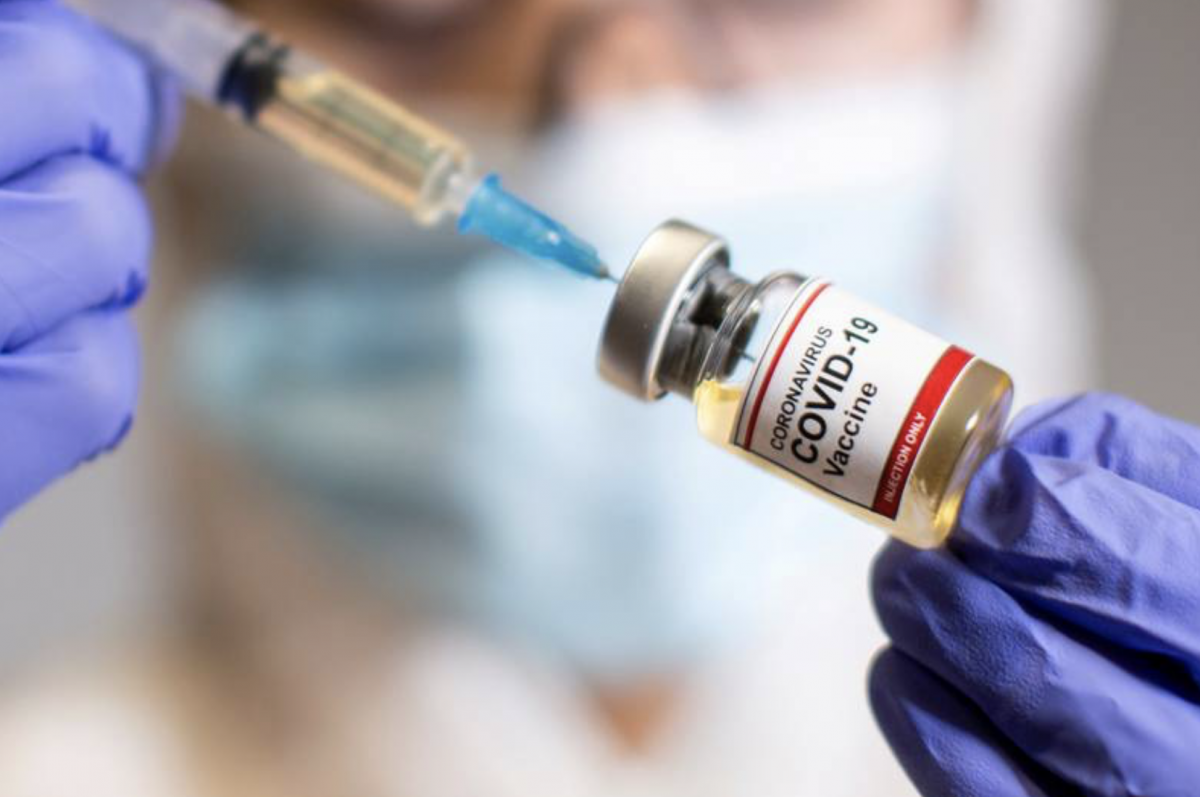
    With over 2.31 Million deaths worldwide due to COVID-19, everyone has been eagerly awaiting the COVID -19 vaccine ever since the global pandemic was declared in January 2020. Now after about a year, scientists and researchers have developed a vaccine, which has given the global population hope for an end to the pandemic. While the pharmaceutical companies have started providing doses of the vaccine and are producing more in larger numbers, there exists a portion of the population that is reluctant in getting the vaccine. There are a number of people who are influenced by the hoaxes and myths about the vaccine which continue to prevail in our society. 

    There are a lot of claims on the effectiveness and safety of the COVID-19 vaccine circulating on various social media platforms drawing skepticism towards the vaccine. One of the top myths talks about vaccines not being safe since it was developed rapidly, and there is supposed insufficient testing data to support the vaccine’s safety. While the pharmaceutical companies tried to speed up the process of developing the vaccine by investing in significant resources for this development because the pandemic has affected people worldwide. Companies have confirmed that just because they developed the vaccine quicker, it does not mean that they skipped the safety protocols and adequate testing. These vaccines are safe to take.

    Another rumour circulating is that if someone has already recovered from COVID-19 they do not need to get a COVID-19 vaccine. Again, there isn’t enough data to confirm for how long post infection an individual is protected against COVID-19. The existing evidences however suggest that natural immunity might not last very long in case of COVID -19 hence it is better to get the vaccine even if you have recovered from the virus.

    People also assume that getting a vaccine means they can remove the mask.  Certainly not true as the vaccine might prevent you from getting sick but there is no evidence that it would guarantee if an individual can transmit the disease to others or not. A mask is the easiest way to prevent the virus from spreading, hence it is highly recommended to wear it every time an individual steps into a public place in order to protect themselves and for the safety of others. 

    A hoax has been created on social media that as a result of negative side effects of the vaccine, more people would end up losing their lives from the vaccine than the virus. However, a 1% mortality rate is 10 times more lethal than the seasonal flu. In addition to that, mortality rate can be highly influenced by sex, age, pre-existing health conditions and varies widely considering multiple health related factors. It is common to develop symptoms when receiving vaccines as a result of immune system response, but this is not life threatening. People must keep in mind that getting the vaccine not only means surviving through COVID-19, but also preventing the spread of the virus to others.

    Another myth states that people do not want to get vaccinated since it alters their DNA. The first vaccines to reach the public are the mRNA vaccines which work by instructing the cells on how to make protein that would further trigger the immune response in the body. Injecting mRNA inside the body does not interact or alter the DNA of the cells in fact cells break down and get rid of the mRNA as soon as they have finished using the instructions.

    The myth about vaccines causing infertility or miscarriage is also false as there is no link between the vaccine and infertility or miscarriage. These postings are not scientifically plausible as COVID-19 has not been linked to infertility. No other viral infection or the vaccination induced immunity that used a similar mechanism as COVID-19 have caused infertility. While there have not been any formal studies conducted but the best evidence source are the women who got sick during COVID -19 while being pregnant and the data clearly indicates despite pregnant women being at higher risk of hospitalization due to the virus, there still is no evidence of miscarriage rates.

    People allergic to egg are expressing that they should not get the vaccine. Since the two vaccine manufacturing pharmaceuticals, Pfizer/BioNTech and Moderna claim that no egg was used in development or production of the vaccine. Though people who are severely allergic to eggs or other substances such as anaphylaxis are encouraged to stay for about 30 minutes for observation after injecting the vaccine.

    Another fabrication of the COVID-19 vaccine deniers on social media is that these vaccines are produced using fetal tissue. There is no fetal tissue used in the production of either of the two vaccines.

    While we all understand how hard these times are and it is highly likely that anything we hear about COVID-19 might influence our own beliefs about the virus, it is very important to fact-check the rumours we hear about the vaccine or the virus in order to prevent the spread and eradicate this virus as soon as possible. If everyone does their own bit, it would be easier to get out of this pandemic. 


  • British Columbia Couple Flies to Yukon for COVID-19 Vaccine

    British Columbia Couple Flies to Yukon for COVID-19 Vaccine

    Canadians put faith in the healthcare system to be fair, and as the Canadian government continues to decide where the COVID-19 vaccine should go first – to the most vulnerable people – a few entitled people may mistakenly believe that they are an exception to the policy. White River Nation, located in Beaver Creek, Yukon, was granted some of the first doses of the COVID-19 vaccine to administer to its high population of Indigenous elders. However, the CEO (at the time) of Great Canadian Gaming, Rod Baker, and his wife, Ekaterina, flew into Beaver Creek so they would not have to wait to receive their dose. The couple filed a form vowing to self-isolate for the standard 14 days for people arriving out of province, which they said they would do in a motel in Whitehorse. Two days later, they flew to Beaver Creek, Yukon. 

    The Bakers were seen at the community center where the Moderna vaccine was being administered, and many people just assumed that they were Canadian Border Services (CBSA) workers. The couple received their first dose of the COVID-19 vaccine. 

    However, once the couple asked someone at the center for a ride to a local airport that is rarely used, people caught on to what was happening. Officials contacted the motel that the Bakers were allegedly isolating at and discovered the Bakers had checked out. Rod Baker and Ekaterina were later located in Whitehorse waiting for a flight back to Vancouver. 

    The Vancouver couple will have to wait for their eligibility group to receive the second dose of the vaccine, health authorities assured the public. A person is not fully vaccinated against COVID-19 until both doses are administered. 

    The First Nation were alerted of the incident of the day after it happened. This angered many members of the community because the Chief was not informed, nor was the local COVID team contacted. Furthermore, White River First Nation (WFRN) said the fine that the Bakers received for failing to isolate after entering a different province, would be meaningless to such wealthy people, arguing that the purpose of such a penalty is to seriously discourage any similar future behaviour. 

    Rod and Ekaterina did not only put White River at risk but the entire community, when failing to self-isolate, as well as lying to health care professionals in order to “skip the line” and put themselves over vulnerable elders.


  • New COVID-19 Strains: Deadlier and More Contagious

    New COVID-19 Strains: Deadlier and More Contagious

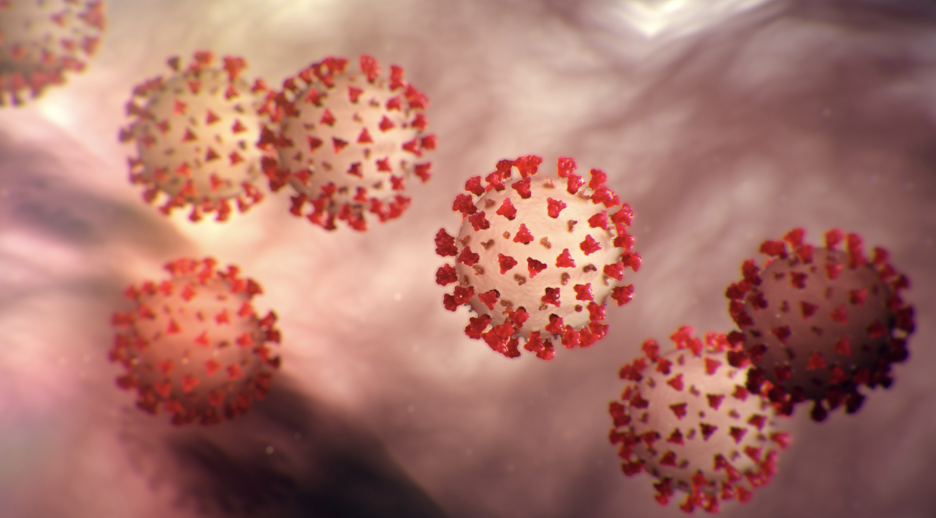
    Mutations, at times can be harmless and might go unseen, but they can also result in the production of a variant that might be deadlier than the original strain. As can be observed in the case of COVID-19. There now exists a mutant strain of the virus which, due to the nature of the mutations, makes it easier for the virus to bind to our cells. The new strain is more contagious since it is easier for the virus to bind to human cells making the disease spread more swiftly and faster.

    The first variant was the DG614G which was detected in Australia and India earlier in May 2020. By December 2020, another variant, B.1.1.7 was identified in the United Kingdom, followed by B.1.351 variant found in South Africa. New variants were also found in Los Angeles and Ohio.

    The new variants of the strain are much more transmissible than the original and after some research, scientists have found that the variant B.1.1.7 contains 17 genetic changes in total. It was originally found in the UK and is not only more contagious but also deadlier than the other strains. 

    Since the existing mRNA vaccines can be easily modified to target new variants, it is less challenging to develop a vaccine against new strains. Moderna recently announced the results of the recent testing which shows the vaccine’s efficiency on the variants, the researchers also working towards developing a booster shot to protect from B.1.351 strain.

    The reason why these variants are considered to be more transmissible is due to the mutations on the spike protein, which is the part that binds to the human cells. The B.1.1.7 variant is thought to be 50 percent more contagious and is expected to dominate Ontario and the United States by March 2021 since cases of this new variant have already been detected in those locations.

    However, the research on the B.1.1.7 includes only a small number of patients, making it limited from a research standpoint. Experts still need more evidence to confirm its link to higher mortality rate.

    The virus detected in South Africa, B.1.351 also has mutations in its spike protein. This variant however is less deadly than the one found in the U.K., but it is less susceptible to the existing vaccines. Pfizer announced on January 28th that their vaccine would be less effective on this variant while Moderna released a statement saying their vaccine will highly likely work against this variant however, it might be less effective against other variants of the virus.

    The vaccine however is somewhat efficient since the variant would diminish only a portion of the vaccine’s efficacy providing the patient with at least some degree of protection against the illness. Experts don’t expect the variants to evade the vaccine completely.

    More research is needed to understand the intensity of the virus mutations. The extent of transmissibility and virulence of these variants can only be commented upon once the scientists have more evidence after further research. On the brighter side, the existing vaccines provide a broad immune response and are expected to guard against the variants up to some extent until the modified vaccines are available once developed. 

    While the scientists work towards studying the virus and creating a stronger vaccine, we can help minimize the spread of the deadly virus by avoiding going to public places which are crowded, wearing masks, washing hands regularly and maintaining safe social distance as these actions continue to prove effective in preventing the spread of the virus regardless of what variant it is.


  • Moderna’s Covid-19 Vaccine trial Succeeds on a Large Scale

    Moderna’s Covid-19 Vaccine trial Succeeds on a Large Scale


    Another Covid-19 vaccine has been observed to have remarkably high effectiveness. This new vaccine is made by using the same previously unproven technology which was developed by Pfizer and BioNTech. An Independent Board has monitored Moderna’s 30,000 people vaccine trial who recently reported the high effectiveness rate of the newly developed vaccine. The statistics showed that only five people in the vaccinated group developed COVID-19. This shows the efficacy of 94.5% as per the company. Although there might be a discrepancy between the efficacy rate of the clinical trial and the actual effective rate considering the factor that the clinical conditions do not translate into similarly high level or real-world protection, the success rate surely indicates that if widely distributed, it has the potential to stop the pandemic as it is effective enough.

    There were two more brands that collaborated and were claiming a high rate of efficiency of their developed vaccine. The first, manufactured by Pfizer and BioNTech whose efficacy was about 90%, though they failed to include the number of COVID-19 cases in the vaccinated and placebo groups and they did not provide much information post-trial.

    Moderna on the other hand, filled the public in with the missing information about the mRNA vaccine which heightened optimism amongst public health experts, thus the US FDA (Food and Drug Administration) might soon authorize the widespread use of this COVID-19 vaccine. The brand offered compelling evidence that its candidate contributed in not just preventing symptomatic disease but also providing the main endpoint for both the trials. The statistics shared by the company reflected that 11 people in the trial’s placebo arm developed severe cases of COVID-19 while no one was reported to get COVID-19 in the vaccinated group. Another analysis suggests that the vaccine appeared to work equally well in all the populations studied which also included ethnic minority groups, elderly people, and people dealing with pre-existing conditions such as diabetes, breathing issues, etc. which makes them more vulnerable to the disease. 

    Officials are expecting to give out doses of one or both vaccines to people at the highest risk from the virus that causes COVID-19, SARS-CoV-2 by late next month if their current calculations are accurate. Despite the excellent results, the vaccine provides people with protection against the disease but that does not guarantee that an individual is immune from infection or is not susceptible to pass the virus on to other people around them. 

    There are multiple questions being raised about the vaccine such as the permanency of the vaccine’s protection, its safety, approval from FDA, and the biggest of all being the challenge of rapid production and distribution of billions of doses since the RNA can be degraded at warm temperature hence the vaccine must be kept frozen until days before its usage which requires a “cold chain” for its transport from manufacturing plants till pharmacies. 

    Moderna is one of the pioneers of mRNA technology worldwide and is hence attracting numerous investors to fulfill its needs of delivery of RNAs which make up the therapeutic proteins which elicit a protective immune response. There was an Operation Warp Speed in April where the U.S. government made an effort to develop a portfolio of COVID-19 vaccines and rapidly proceed to the next stage which was conducting efficacy trials. For this they invested $1 billion in Moderna’s COVID-19 vaccine R&D. Months later, Warp Speed committed another $1.5 billion to Moderna to purchase 100 million doses of its candidate and $1.9 billion to Pfizer for the same amount of its product, which was originally developed at BioNtech, a company that has focused on treating cancer with mRNA.

    Whereas the Pfizer/BioNTech vaccine uses 30 micrograms of mRNA, Moderna’s contains 100. Both vaccines require two doses separated by several weeks. A key difference is that the Pfizer/BioNTech candidate must be stored at –70°C, whereas Moderna’s can be kept at –20°C. Moderna revealed that once thawed, its vaccine can remain stable for 30 days at 2°C to 8°C, home refrigerator temperatures. In much of the world, maintaining a cold chain for a –70°C vaccine presents formidable challenges, and even –20°C presents obstacles (as stated in Moderna’s information release). Moderna Aims to produce 500 million to 1 billion doses in 2021.

    Now another hurdle in the process is the cost. Not many countries can afford the vaccine due to its extremely high cost. To help solve this issue, the company is discussing with COVID-19 Vaccines Global Access Facility which is a non-profit aimed to help resource-limited countries in purchasing the vaccine at a discounted price.

    Thanks to this development in science and technology there is still hope for a cure from this pandemic causing virus.

    Image source: Chronicle Herald

  • Indefinite Closure of the Acadia Indoor Swimming Pool Affects Students

    Indefinite Closure of the Acadia Indoor Swimming Pool Affects Students

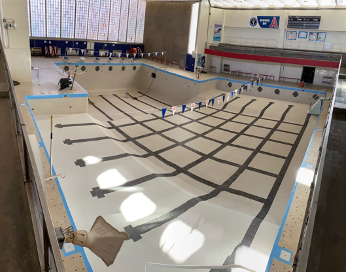
    Acadia University announced on October 1st, 2020 that the indoor swimming pool, located in the Acadia Athletics Complex, will be closed indefinitely. The closure of the pool was declared for two main reasons; the first is to ensure the safety of Acadia students as well as the safety and well-being of the community, and the second is to respond to financial needs. Not only has the current pandemic impacted the university, but the indoor swimming pool has been operating at an annual deficit for years, said Chris Callbeck, Vice President, Finance and Administration.

    Acadia University’s swimming pool was built in 1967, and since then it has been home to many organizations that not only include the student body but the residents of Wolfville and the Annapolis Valley region, who make up more than 85% of the facility’s users. Among them are the Acadia varsity swim team and Acadia’s S.M.I.L.E. Program. VP Chris Callbeck stated that the pool’s access and the changeroom design, make cross-over between Acadia students and members of the community inevitable. Although, it seems like a simple solution would be to compose a schedule that allows community members and students to use the pool separately, with time for cleaning and sanitizing in between.

    Not only has the closure of the swimming pool directly affected the students who are involved in the programs that use the pool frequently, but it has also affected students who do not regularly use the pool for many reasons.

    For example, mental health and physical health go hand in hand, people need to move their body so limiting options to do so will deplete not only the students’ motivation to exercise but how people exercise and how often. Secondly, a person’s mental health is also greatly impacted by social habits, and Acadia’s swimming pool is the heart of the athletic center and the main source of community, so shutting down the pool has slowed the constant flow of people in the center to a near standstill. This can cause anxiety and depression in students, while also bringing down the overall morale of the athletic center. Lastly, whether or not students use the pool, it is common knowledge that a fraction of tuition is dedicated to the maintenance of facilities for student use, so the closure of the swimming pool unfortunately raises the uncomfortable question of where exactly that money is going now. This can cause more confusion and mixed emotions amongst a student body which is already faced with adapting to a global pandemic, a full course load that is almost completely online, and an excess of other everyday stressors.

    The closure of the pool affects everyone in a negative way, while there are other options for exercise, the weight room can only allow a maximum of 20 people at 45-minute intervals, so the options for alternative activity are extremely limited.

    While Callbeck says that the university is continuing a dialogue with government partners in hopes of developing a solution, the Acadia University swimming pool remains closed, another consequence of these unprecedented times and an example of some of the limitations that students are facing due to COVID-19. Acadia students trust that our leaders are working diligently to find a solution and reopen the pool for the benefit of the students’ physical and mental health.

Betzillo positions itself as a versatile gaming hub where structured bonuses and adaptive gameplay mechanics support both short sessions and extended play.

Built with a focus on innovation, Spinbit integrates modern casino architecture with rapid transactions, appealing to players who value speed and digital efficiency.

Ripper Casino emphasizes bold entertainment through high-impact slot titles and competitive promotions crafted for risk-oriented players.

A friendly interface and stable performance define Ricky Casino, offering a casual yet reliable environment for a wide spectrum of gaming preferences.

King Billy Casino channels classic casino spirit into a modern platform, delivering recognizable themes supported by contemporary reward systems.

Immersive visuals and layered slot mechanics are at the core of Dragonslots, creating a narrative-driven casino experience.

Lukki Casino appeals to players seeking direct access and minimal friction, focusing on fast loading times and intuitive controls.

Casinonic provides a structured and dependable gaming framework, blending modern slots with transparent operational standards.