Traveling salesman with a heart of gold
after a decade his love grew cold
He said -
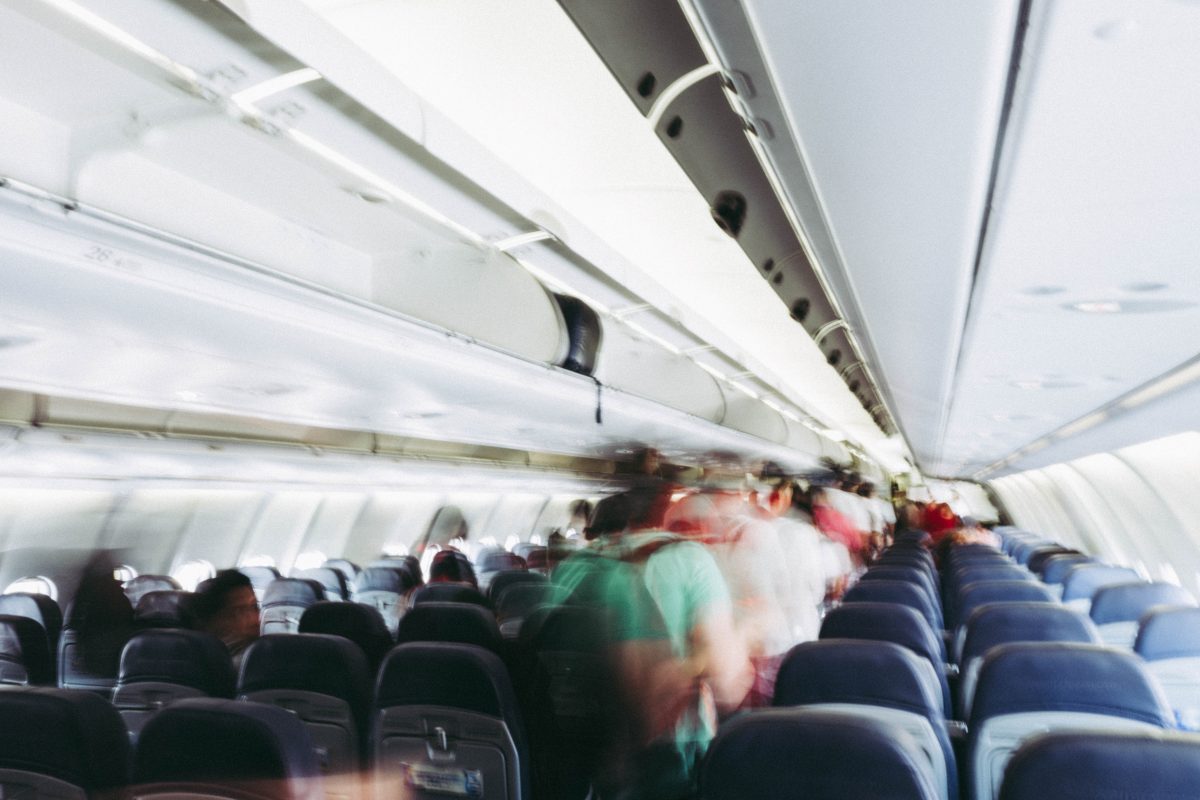
"I'm leaving on a jet plane"
I wondered -
"when will you be back again?"

A birthday, for Christmas -
it's cash and a call.
For year after year -
it was barely at all.
A marriage, a job, a home, a wife -
barely a thought for his former life.

Well -
I've been turning to bad men -
mad men -
scheme weavers, mind reelers, time stealers -
trying to sell love like a drug dealer.

But I've come to realize -
I want you to know -
even though you're seldom there -
I know that in your way you still care.

I want you to know -
I'll love you forever wherever you go.Tag: family
Daddy
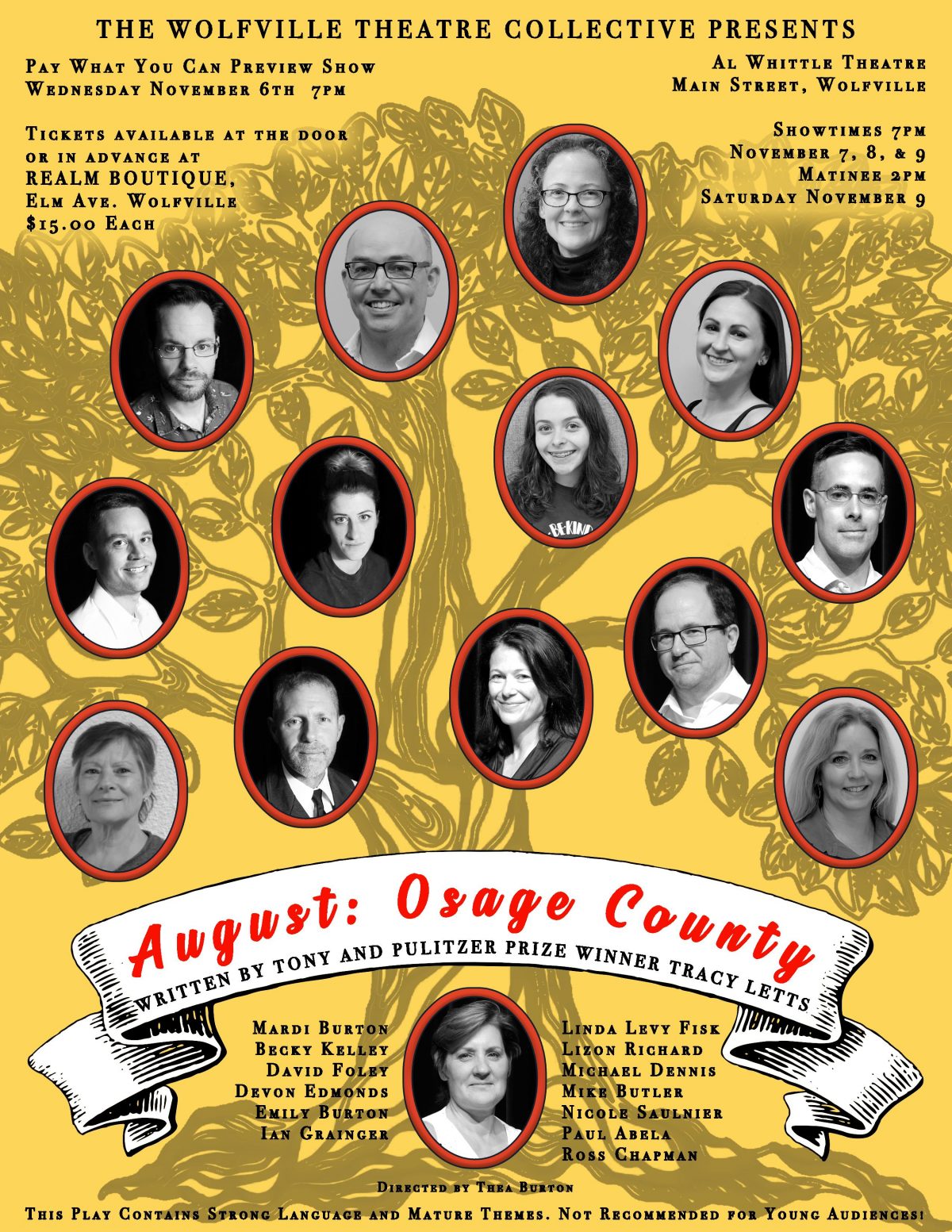
AUGUST: OSAGE COUNTY
Wolfville Theatre Collective Returns with Tony and Pulitzer Prize Winning Drama
Family is a funny thing. We all have a family, whether we want them or not, and each member of our family is so unique and creates a piece of the fun, weird and sometimes frustrating puzzle that makes up the family unit. Well, if you think your family has troubles, a history, a sometimes fun and other times tragic way of dealing with each other; you haven’t seen anything until you’ve met the family in Tracy Letts’ Tony and Pulitzer-Prize winning play August: Osage County!
The Wolfville Theatre Collective, the independent theatre company that brought the Valley acclaimed productions of Death of a Salesman, Who’s Afraid of Virginia Woolf? The Glass Menagerie and Tuesdays With Morrie, returns in November with August: Osage County and they couldn’t be more excited to present this work to Valley audiences for the first time! This deep, profound, hilarious, poignant dramatic comedy will make you see family in a whole new light.
Come spend the evening with the Weston family; including matriarch Violet, her husband Beverly, extended family Maddie Fae and Charles, and the three Weston daughters Ivy, Barbara, and Karen. As well, we throw in the Sheriff, Niece, Housemaid, Cousin and more as the Weston’s dig up old skeletons, tear at each others’ pasts, and reveal deep, dark family secrets over the course of several weeks in August, outside Pawhuska, Oklahoma.
Can you guess what happens when a pill-popping mother, three sisters harbouring shady secrets and a large family unexpectedly reunites after the father of the Weston clan disappears? Well, soon after the family comes together, the homestead explodes in a maelstrom of unsettling secrets, repressed truths and the love and hate that make up family. Matriarch Violet, acid tongued and ready to take down anyone in her path, brings all the past, present and future of the Weston clan to the forefront! No matter how much you shield yourself… no one is safe! Come see Tracy Letts’ humorous and devastating portrait of the Midwestern American family in all it’s guts and glory!
Directed with pristine brilliance by Thea Burton, produced by Mike Butler and beautifully brought to life by Thea’s established cast; August: Osage County is going to be the comedy-drama theatre event of the season and not to be missed! Cast members include Devon Edmonds, Ian Grainger, Paul Abela, Lizon Richard, Mike Dennis, Nicole Saulnier, Emily Burton, Linda Levy-Fisk, Ross Chapman, Becky Kelley, David Foley, Mardi Burton, and Mike Butler.
After it’s debut in 2007, August: Osage County went on to win both the Tony and Drama Desk Awards for Best Play, as well as, the Pulitzer Prize for Drama and many other accolades. A few years later, Meryl Streep and Julia Roberts received Academy Award Nominations for their roles in the acclaimed feature film which won rave reviews from critics. But as many know, some plays just don’t translate as well to film and this work is definitely a theatre/stage extravaganza that’s a must-see for theatre lovers. Come spend some time with the Weston family… if you dare!
August: Osage County will be performed evenings at The Al Whittle Theatre, Main Street, Wolfville on November 7th, 8th, and 9th starting at 7:00pm with a Matinee performance on Saturday November 9th at 2:00pm. Audiences, also, have the opportunity to be part of the Pay What You Can Preview show on Wednesday November 6th starting a 7:00pm, first come and first seated! Tickets can be purchased at the door on performance nights or in advance at Realm Boutique on Elm Avenue, Wolfville. Tickets are $15.00 each. If you have any questions regarding things, please email Mike Butler at [email protected].
Family Roles & Sympathy Casseroles
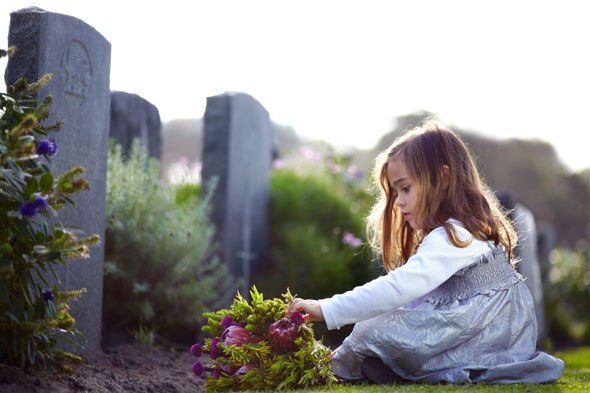
In the event of a death, there is a Western tradition to visit the family to give condolences; this visit is commonly paired with comfort food like casseroles, soups and sweets. However, the casseroles do not last forever, ultimately leaving the family to reorganize family roles in an attempt to regain functionality. My research specifically explored the functions of family dynamics after the death of parent. This research question originated from my first-hand experience of growing up through grief. At the young age of sixteen, I lost my mother suddenly to a heart attack and this altered the function of my family. The loss of my mother not only left a huge hole in my heart, it also left huge gaps in the everyday functions of my home: things like washing laundry, organizing my sister’s and my sport schedules and daily cleaning of the house were all tasks left unspoken for.
Anyone who has suffered a tremendous loss knows one of the hardest things about grieving is that life continues; knowing this, my family and I had no choice but to pick up her responsibilities and adjust to this new everyday life. Not only did I watch roles in the family change, but I observed transformations in my own relationships and even formed new ones within the family. Having lived this far-from-normal adolescence, I could not help but wonder how other families with similar experiences compared. Specifically, my thesis study focused on the loss of a parental family member and how that absence changes the function of the home and family. I argue that parental loss disrupts the function of the family, creating a gendered division of labour through the shifting of roles in terms of food labour, domestic labour and emotional labour. To explore this, I relied on a qualitative methods approach, beginning with a qualitative questionnaire to recruit participants then following this up with semi-structured interviews. The sample consisted of six students: two males and four females between the ages of 18 and 23 who attend Acadia University and have lost a parent. The findings highlighted the association between the ease of transitioning roles depending on whether the death was anticipated or sudden, as well as that even in times of grief, the division of labour in the home remained gendered as women of the family were more likely to step in to maintain functionality.
This research also demonstrated how Western traditions related to death can negatively impact the grieving process. In times of grief and bereavement, individuals typically experience feelings of emptiness, therefore our society’s reaction is to fix an empty heart with a full tummy. The data alleges that since the grieving process is so individualized, society’s “one size fits all” response to death, while intended to be a kind gesture, is ultimately problematic. When these ‘sympathy casseroles’ stop, it is society’s way of dictating to the family that it is time to start ‘moving on’. Most of those who comfort the family are blind to the ways their actions dictate a timeline for grief. As per the data, most interviewees stated that these visitations last for roughly a week while the food lasted for weeks up to even a month. This societal response wrongly suggests that the structure of the family will have regrouped and regained function within this timeline. This widespread ignorance to the emotional weight of losing a loved one depicts a bigger issue at hand: what the data illustrates is a clear lack of societal understanding of the grieving process.
This research has contributed greatly to the understanding of grief and family from the societal, familial and individual level. While this research has been both insightful and therapeutic for me and the interviewees, its greatest benefit will be to individuals and families deeply entrenched in grief. To those who are grieving and struggling to find words, I hope this research gives you a voice.

Research Feature: The Well Sibling Experience
Siblings play a major role in our lives. For many people, they’re our first friends and our first enemies. They help to shape who we are as people for better or for worse, and often act as supporters during challenging times. However, when one of the siblings has a mental illness, the relationship between siblings can be drastically altered. Despite the impact that mental illness has on sibling relations and on other siblings in the household, there is little research or understanding of the unique experiences of these ‘well siblings’. It is for this reason that my honours research is focused on the narratives of the siblings of persons with mental illness.
The research that does exist on the topic of ‘well siblings’ is rather limited and focused primarily on quantitative data. Although there is certainly value in knowing statistics around well siblings, they don’t quite capture the stories behind the numbers. So, to address this gap, this exploratory research was started, and data was gathered through a combination of one-on-one qualitative interviews and photo-narratives with five siblings of persons with mental illness. Through the stories shared by the siblings, it became clear that their experiences are incredibly unique and heavily influenced by their own lives, personalities, and circumstances. Therefore, telling their stories and building understanding is so vital.
Nearly all of the participants expressed frustration and feelings of hurt because of the way their sibling interacts with them. This was challenging for them, as they had reported having a positive relationship with their sibling before the onset of their symptoms. When asked about their relationship, three of the siblings shared that they felt that they had, in a sense, lost their sibling because their current personality was so different from the person they knew before the onset of their symptoms. Despite any challenges the participants had with their siblings, they were still concerned about them and expressed fear for their well being.
Although the participants do not currently identify as being a ‘well sibling’, their responses did indicate that they and their families tend to put them a well sibling role. For some, this meant having their mental health overlooked because they were perceived as being well in comparison to their sibling. For others, this meant trying to alleviate the challenges their parents were dealing with by withholding their own struggles and acting well or changing behavior to help accommodate their families’ needs.
Although the research was not designed to focus on the challenges that the participants experienced, their hurt and frustration came out frequently in their responses. For the majority of the participants, anger and frustration played a significant role in their experience as a ‘well sibling’. In one participant’s case, this was anger directed towards the mental healthcare systems and the way that they had let her brother down. For most, the anger was directed towards the hurt their siblings had put them through and at their parents’ previous inattention to their emotional needs. Despite these challenges, each of the participants found various ways to cope with their experiences.
Of course, the experiences of the siblings were not all negative. Every participant regularly showed empathy and understanding towards their sibling and towards others as well. They shared how they had learnt through their sibling not to judge others, in addition to strategies for helping to support those around them. Each of the participants noted various ways in which their mental health literacy had grown because of their experience and the value that this had brought them and others.
While stories on their own are an incredibly valuable thing, it’s also important to consider what lessons can be learnt by centering these stories in research. By gaining better insight into the experiences of well siblings, those who work in the mental health field are better able to provide services that support the families of the person with mental illness, as well as the person themselves. These stories also highlight the importance of peer or family-based supports and the challenges that come with offering these types of informal supports. More importantly, research like this creates a space where the voices of siblings can be heard, something that is too uncommon in the mental health community.
Sibling relationships are complicated at the best of times, and the experiences of well siblings are no exception. The stories heard through this research were ones of resilience, hope, fear, pain, and growth. They are stories that show the importance of siblings in shaping who we are and what we bring to those around us. With that, I would like to conclude by saying thank you to the participants of this study for sharing a part of yourselves with others.


Talking Trees
Huddled close, branches buzz
Gnarled grandmothers gossiping
Wrinkled roots intertwine.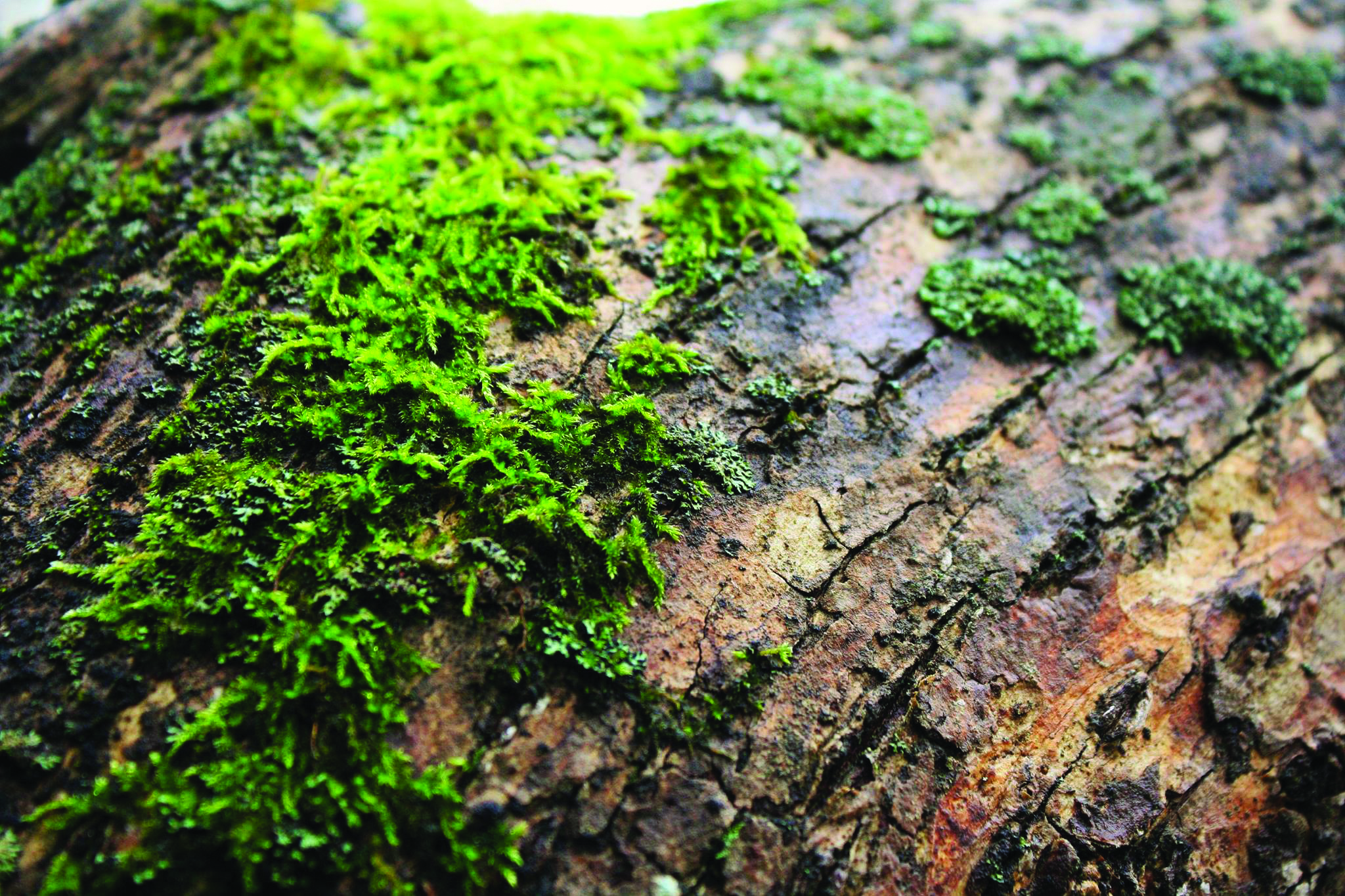

The Secret Garden
His sins do you confess them?No I keep them.To some a peculiar matterfor wifeand husband, butthe summer I was sixteenthirty-two years afterthe summer my sister was sixteenwhat to do when daughtersand fathersfor he was surely a different man thenlive as equals? Words unboundexchanging.I know now how it was unfairbut at the same time–he was never my hero,always just another manslowly sowing another gardento make up for his paradise lost.I keep my own secret garden,and his too.It made us closer.(It made us the same person.)But now I cannot tell apart bruised bloomsmine or my father’sso I will keep these, too;in the same small boxas his gold cufflinks, and that chip of gravelfrom another life.No Swimming In The Kitchen
It’s 4 in the morningand my head keeps thinkingabout the puddles on the floorfrom when the rain came in.I live in a housewith blood stains under fresh paintand a foundation that creaksunder the weight of the secretsit holdsand they’re trying to escape.My skin is untouchedthat much is truebut I live in a housewith abuseand I watched while it brought tearslike tsunamis from my mother’s eyesand listened to it as the thunderthat rumblesfrom my father’s throat,loud enough to shake my bonesand awake me from a sleep.It slashed open the concreteof this houseand I have seen the walls bleedfrom open woundsthen it rotted and rusted every cornerof the air until my lungscould not stand a chanceagainst the waves that camecrashing down the doorall hearts diving in to swim with spite on the floor.They tied their griefaround my ankleand watched me drown.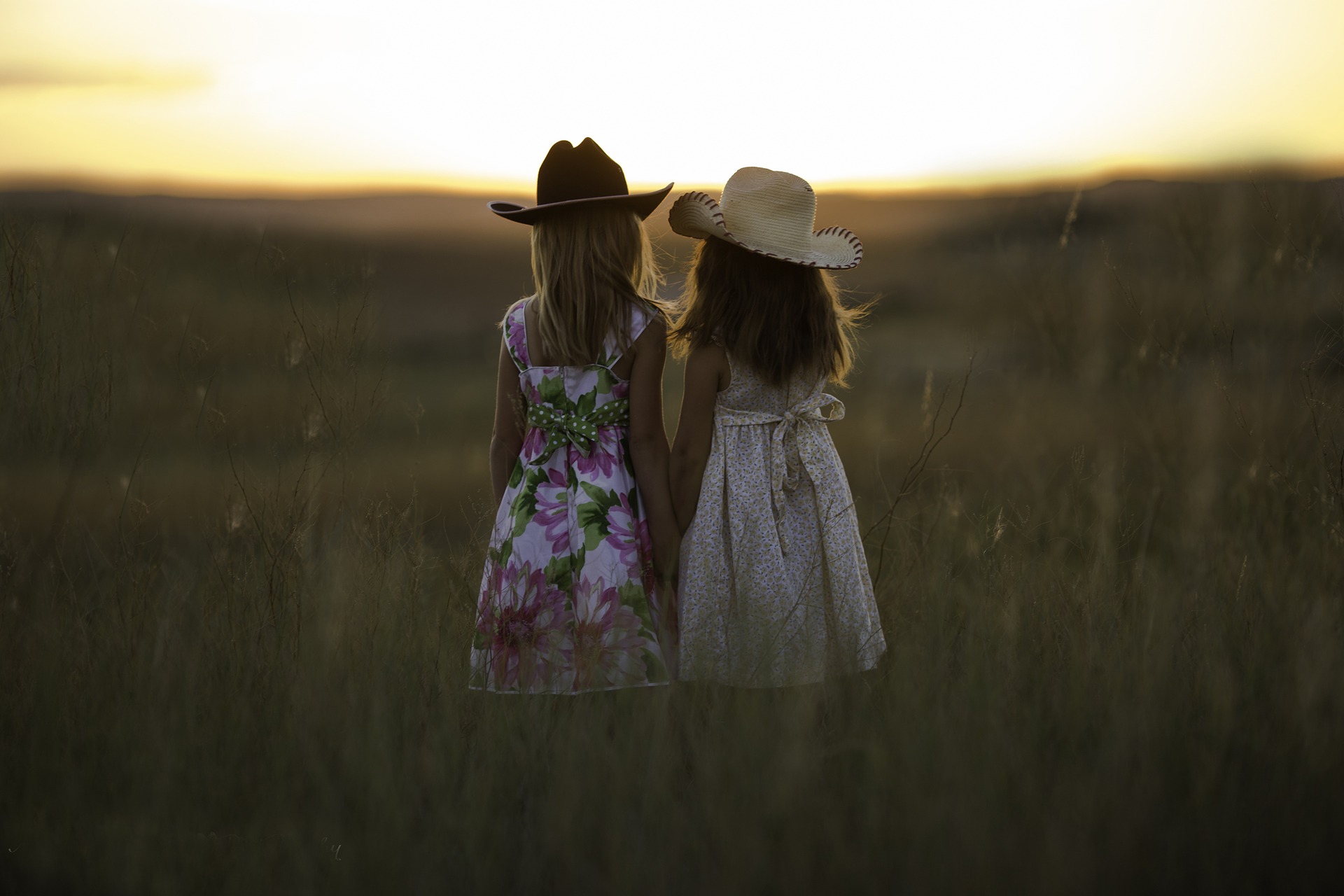

To: Everyone that doesn’t have a sister
Having a sister is challenging, yet very rewarding,
She is there to help you through your struggles,
And she knows your pain,
She will tell you the truth, all the time,
Her honesty is as kind as truth can be,
She will yell at you when your having a great day,
Make you laugh when you’re having terrible day.
She knows your weakness and your strengths,
She knows what you like and what you don’t,
She hears you when you think no one else does,
And she listens to you every time you cry,
She knows what makes you angry and pushes you buttons,
She knows who you like and who you dislike,
She often even knows what makes you cry,
She loves you, and she hates you depending on the day.
I love that she knows what I’m thinking before I say it,
They say that twins have the closest connection,
but believe me when I say that my sister and I are the same person,
We love the same movies, shows, and clothes,
I love my sister for the many similarities and difference,
I even love her when she makes me angry.
Those who don’t have a sister I advise you to find one,
She’ll be your best friend, confidant, and guider,
She knows you and she’ll gives you the best advice,
I would never think twice about following her advice,
I love you, sister!
For who you are and for how much you care for me.
Glad Tidings: A Joie-Ful Christmas
I often look around at Christmas time (or to be as politically correct as possible, the holiday season) and wonder just why I love it so much. I mean, it doesn’t have a whole lot going for it: it’s cold, it’s usually grey, everyone’s bubbly and annoying, and my house gets packed with family and I usually have to end up sleeping on a couch – not the pull-out one. So really, why is Christmas all it’s stacked up to be?
First of all: the cold could be worse. I’m from Vancouver. We don’t really experience cold or snow. It’s a lot of rain, which makes the day worse than it already would be. Everyone being bubbly and annoying leads to frustration in most cases. The angry shoving when someone gets in the way of your shopping cart as you walk through Costco buying your Christmas crackers. The angry honk as you desperately try to get out of the parking lot at the mall because the only place they have that one perfect gift for your dad is at the store an hour’s drive away and you totally don’t want to tackle that in this stupid weather. The angry glare as you see someone picking up the last box from the store an hour away and you realised you just wasted your whole damn day finding that one perfect gift. The angry yell as you get back to your house, only to find your mom already bought the goddamn perfect gift for your father, and you now have no clue what to buy him so you end up buying a tie. Or a screwdriver.
As for the family in my house, that’s a blessing and a curse. Seeing family after so long is always fun. You catch up on old times, find out exactly what they’ve failed at in the past two years, and you get made fun of by your cousins for having yet another girlfriend. As long as your dad and your mom’s sister don’t get in a fight, this should be a good couple of days. But you know what they say. Family is like fish – it starts to stink after three days. So by the time December 28th rolls around, they had better be the hell out of there, because you don’t want to share your beer and champagne on New Years Eve. And just for the record, I actually find our actual pull-out couch kind of comfortable. The normal couch, however, is the upholstered equivalent of a nice hunk of rock.
So once again, why do I love Christmas so much? It’s an over-commercialised, over-hyped, misunderstood holiday that a vast majority of my friends hate. The only reason they love it is because they see their high school friends, a group of people that I, personally, have slowly lost contact with over the past three years. If anything, the only thing that makes me reluctant to return to BC is the fact that I won’t have as many friends as I do here.
I think I love Christmas for the same reasons I hate it. I love it for the desperate, last-minute, over-priced gifts. I love it for the turkey, and the Brussel sprouts pan-fried in bacon, the stuffing, the potatoes. I love it for the genuine excitement that I still feel opening presents, even if it’s my uncle who wrapped it in a not-big-enough newspaper or one of those skinny gift bags meant for wine. I love it for the drinking, the hugs, the laughing, the frustration. I love it for the music, even though I have considered driving to Michael Bublé’s house by the time the radio stations and my friend have stopped playing his album ad nauseam.
I don’t even mind the anger, because it makes me laugh when people get so serious about it all. As soon as I feel that seriousness setting in, I ask my mom to buy my dad something good and I’ll pay her back. Or I just forget to buy them presents (sorry, Mom and Dad. I actually bought you presents. I love you guys).
I guess you could say I love the day more than the time of year. I love the end of December 24th (which is when my family eats cheese fondue and tourtierre) and all of December 25th, which starts with French toast casserole, opening presents, and someone making a copious amount of lattés. I love the end of the day: turkey and everything that should go with it, including some loud bangs and fun little paper hats, which lately haven’t been coloured. That’s okay, though, because they still don’t fit my head. All in all, I will love Christmas no matter what. Just don’t get in my way at Costco. You will experience a whole new world of Christmas pain.