Year: 2023

  • Gray Fleece

    Gray Fleece

    It was a gray fleece 

    In the early morning, 

    Making coffee, 

    Sitting on your dock, 

    Brown slats filled with splinters, but we always had an old beach towel.


    It was a zip-up, 

    Soft,

    I remember you wearing it 

    As you ran up and down the green field, 

    My white dog running beside you, 

    Laughing your head off, 

    In the dreary Sunday morning 

    While the waves and the ocean perfected the view. 


    You would be wearing that gray fleece, 

    Said it was your dad’s or something, 

    Picking me up in your car, 

    Screaming to ABBA,

    Exhilarated as you turned to me, taking your eyes off the road, 

    Taking the turns to fast, 

    In your mom’s Subaru.


    Your hair was always in a braid, 

    You were usually in track pants, 

    On walks you’d carry your Nalgene 

    Everywhere, 

    Wearing that old fleece, 

    Jumping from coffee shop to coffee shop, 

    Discussing issues, 

    Growing older. 


    I don’t know who you are anymore, 

    Off in Queens, 

    Taking the train to Montreal every weekend,  

    Curling your hair, 

    Wearing jeans, 

    Discarded your fleece for tight flowery tops; 

    It’s almost like that girl I knew 

    Never existed. 

    You’re sharper now, narrower, colder.


    Where’d she go? 

    I can’t just discard her the way you did. 

    What happened to the girl who burned crepes in her mom’s kitchen, 

    Played volleyball in my backyard, 

    Would crouch down to say hi to my dog? 

    Did you lose her 

    Somewhere in a frat party in Queens? 

    Did you leave her in Vancouver, 

    Drown her in the ocean? 

    Did you drown our friendship in the Soju bottles, 

    Leave it on the park bench at the reservoir,

    Discard it on the train to Queens?


    I bought a burgundy fleece today, 

    Zip-up, 

    It’s not gray, it’s not my dad’s, it’s not us 

    But it reminds me of those rainy gray days, 

    Smells like coffee and wet wooden boards, 

    I bought it with someone who sings along to country songs, 

    Who doesn’t have a license, 

    But it feels like we’re taking the corners too fast, 

    Makes me giddy like you used to.

    It’s not the same, 

    Not as deep, 

    But this fleece, 

    It’s just as soft as yours, 

    So at least I still get to keep a piece of you, 

    Instead of burning the memories. 


    This silly little burgundy fleece, 

    It’s us.

    It’s you. 

    I’ll never forget you.



  • What Does the Willow Project Mean for the Future of the Climate Crisis Fight?

    The Biden administration has approved a massive new oil project named the Willow project. This is an oil project aimed to tap 600 million barrels of oil which resides in the petroleum-rich North Slope of Alaska. This comes as a disappointment to many of Biden’s supporters as well as climate activists. This project will allow the United States government to drill and possibly destroy some of the last pristine areas of the United States as well as add the equivalent of 2 million gas cars as emissions to the carbon output of the US.


    The company behind the Willow Project ConocoPhillips frequently states the economic impact of the project while ignoring the steep environmental cost. The company states the project would create 180 000 barrels of oil a day. In a world ever increasingly moving to electric projectiles this would hinder the United states’ transition to a clean economy as it would be still heavily reliant on oil. 


    Along with environmental groups, the local community of Nuiqsut has been outspoken in their opposition. Mayor Rosemary Hungarian has been raising concerns over the impact on the local wildlife. The equivalent of 70 coal-fired power plants will surely not only affect the wildlife, and the people, but also the environment as that amount of pollution will degrade the pristine lands which reside currently. The compensation by the Biden administration to protect Arctic waters from new oil and gas leasing is not enough in comparison to the large amount of ecological damage that will surely be to the environment as a consequence of this project. Also key to note, constantly touted as a positive is the number of revenue which Willow will produce. $8-17 Billion is a staggering amount however how will that be distributed? The wealth distribution gap in the United States currently stands larger than it was at the onset of the French revolution. Why fund a project which puts more money in the hands of ultra-rich oil tycoons? 


    The Willow Project itself claims to be a sustainability project despite releasing emissions into the atmosphere and disrupting local Indigenous communities. This raises questions about the larger trend of greenwashing which has been ever-present in advertising since the realization of climate change. Companies have been desperate to prove that they don’t exploit to get on the good side of consumers. Companies use misinformation to trick consumers who care highly about sustainable practices to buy their product regardless of if that product is environmentally friendly or not. One of the biggest examples of this came with the Volkswagen diesel Emissions Scandal. In 2014 the California Air Resources Board discovered that Toyota had been installing devices meant to offset emissions trackers and provide false data to make their cars look better for the environment. Greenwashing is extremely preventable in the industry especially as the urgency of the climate crisis continues to increase. 


    The backlash against the Biden Administration and The Willow Project has been sizable. Activists took to TikTok to spread the #stopwillow hashtag which has gained over 150 million views. This activism is increasing the knowledge about the unsustainable practices used by oil companies to trade in our natural resources for profit. In a related move, activists have also started a change.org petition which has gained 3.3 million signatures and is growing rapidly. Millions of young people are stepping up in the face of an attempt to lock the United States in decades of fossil fuel development. It’s unnecessary and will undoubtedly hinder the transition to clean reliable energy sources such as solar, wind, and nuclear. 


    The climate crisis poses an incredible threat to Canada. Rising sea levels would result in major destruction in coastal communities across the country. Cities as big as Vancouver to communities as small as Digby will be heavily affected. In 2022 the Insurance Bureau of Canada revealed that it had experienced $3.1 billion in insured damages paired with the fact that last year was 1.5 degrees Fahrenheit warmer than averages in the 20th century. This makes it the sixth hottest year recorded showcasing the effects of the climate crisis in real-time.


    In recent months there has been a spur of climate-based protests. At the start of March, thousands took the street across much of New Zealand’s biggest cities to demand climate action. This came after major flooding displaced over 10 000 people with fifteen people dying. These climate-related deaths will continue and get worse. The water vapor in the atmosphere is caused by warming temperatures spurred on by humanity’s industrial production. In Germany, protesters held a rally in Berlin to demand tough action on the climate crisis. Meanwhile, the United Kingdom is placing restrictions on nonviolent climate protests. This is causing a roadblock in the City of London. I wonder if the government is handing out punishments as harsh as that to those who exploit our land. Until governments decide to make meaningful action to protect the climate it is on civilians to continue to raise awareness and make sure the climate is not left behind.


  • Bite off more than you can chew/Co/I can show you that I care

    Bite off more than you can chew/Co/I can show you that I care

    Bite off more than you can chew

    and not a soul said

    that it          was a commandment that had to be followed

    and yet we all

    accept the love that we think we deserve


    Co


    I stripped the colour from myself

    Grayscale is comfortable

    It reminded me of home, the discontent with oneself

    I find that I am not able

    To let go of the distrust

    After all I must

    Stay hidden

    Stay unseen

    Stay quiet

    And unclean

    I can show you that I care


    I have a flask in my jacket,

    we can share it and pretend to enjoy the pain.

    Talk for hours at a natural pace.


    ——— In the morning the alien feeling

    ——of being known

    —will drive our desperation.


  • No where towns

     There are roads 

    Long and unlit

    In nowhere towns 

    Where the lights

    Of 90-80s beat up cars 

    Light up the yellow and black pavement 

    Somebody with someone 

    Is driving down one of those roads 

    Feet up on the dash 

    A private moment between the two 

    With the stars, the dark foliage, and the dim lights 

    Serving as good company 

    I might never get 

    To the spots my friends talk of 

    Painting pictures or campsites, of fire light, 

    Breathtaking views, and stars a million miles away

    I haven’t grown up here 

    And I won’t stay 

    So I will never know what these moments would feel like  

    But I hope to be someone 

    In a nowhere town 

    Driving down a long 

    Two lane road 

    Near the middle of the night 

    My feet up on the dash 

    And a person who I love 

    They will smile at me over the dash 

    And I will feel like nobody at all 

    In the best way

    I want to be that person 

    Just for a little while 

    Shedding the city life off of me 

    And be a nowhere person 

    In a nowhere town 

    Just me, a fleeting lover 

    Headlights 

    And yellow painted lines


  • Grey

    Outside of my window 

    The sky is a bleak grey, 

    But the trees are still a pale green 

    And their branches still a pale brown, 

    But the sky 

    Turns away from its brilliant blues, 

    Its light yellows, 

    Its vibrant reds and pinks, 

    And chooses 

    Instead 

    To go grey, 

    A dreary sort of grey, 

    Not the one that you would hope, 

    Instead of a deep dark grey,

    All we can see is a 

    Pale, 

    Dreary, 

    Grey.


  • Vagrants

    Vagrants

    I write for vagrants

    Beggars of the word

    Eager to listen

    Be Heard

    I write for them,

    What they can’t for themself

    A plea

    A back-breaking chorus:

    Feed us

    The hungry,

    Your wasted words

    Feed us

    Mumbles we’ll roar

    Feed us

    The mute,

    A voice


  • Why the Trumpet Sounds

    Why the Trumpet Sounds

    Why The Trumpets Sound

    When the bass and snare drums roll away

    The trumpets will sound.

    Something loose,

    It will be unlike the hurried beats of war,

    Instead, it will be infectious and sporadic,

    It will paint the smiles of its people.

    As they carry the sun in their pocket and the wind at their back,

    The trumpets play in union.

    It is creative, flamboyant in its confidence.

    It is the music of rich souls dancing on a 2 and 4.

    Afro kinky coils bobbing on the back of necks.

    Sharp shoes and a rhythm and blues jams,

    The trumpets sound like culture,

    Sounds like years of discarding hate and learning to love,

    It sounds beautiful.

    A distinct sound that belongs to one instrument,

    When the trumpets sounds,

    It is the caged bird setting itself free.

    A Melodies tune some will envy

    Still, it sings but a different song,

    It matches the upbeats of the trumpet,

    For the trumpet sounds for black joy.

  • The Importance of Trans Women during Women’s History Month

    The Importance of Trans Women during Women’s History Month

    TW: transphobia, violence


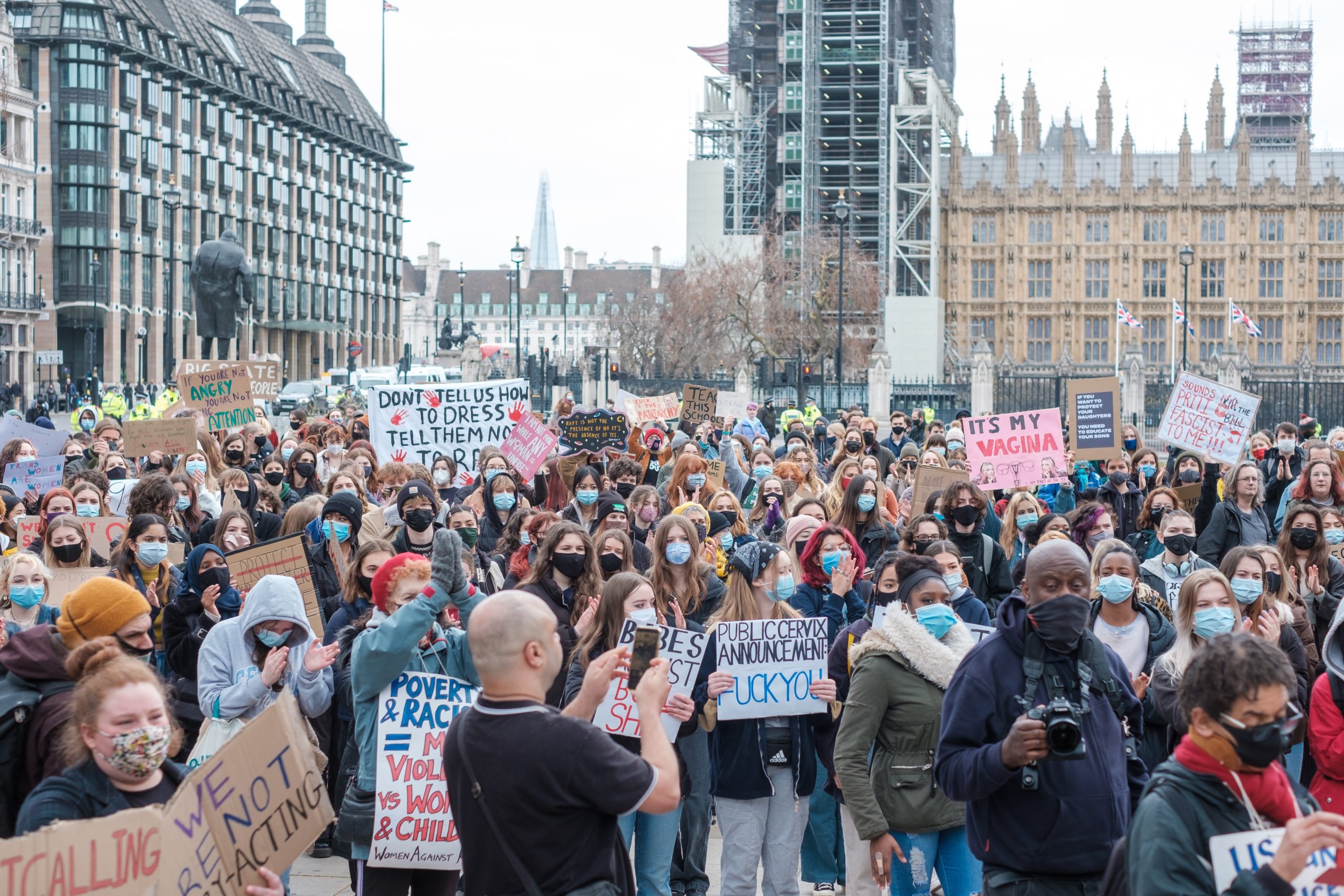
    March 1st marks the beginning of Women’s History Month, a time to remember all the women who fought for their rights in the past, as well as those who continue to fight against the systems of oppression put in place. The world has become an increasingly dangerous place for trans women and with all of the new laws and regulations put on women’s bodies, the rights and safety of women around the world is still an incredibly important issue which isn’t getting enough attention. 


    On February 11th, 2023, Brianna Ghey was murdered at only 16-years-old after facing extreme bullying by peers for being transgender. Unfortunately, her case is not rare as trans women and girls continue to be the targets of assault and harassment. Two 15-year-olds were charged for her murder, however, the tragedy has yet to be declared a hate crime. Given the circumstances, it is clear that Brianna was murdered simply because she was a trans woman.


    While Brianna may have lived in the UK, Canada is not free from transphobia as many anti-trans views have started to become increasingly popular over the years. While the population has never been completely accepting of trans identities, it seems as though we are starting to regress on the progress that has been made. Trans suicide is at an all-time high as their existance becomes a battle they must constantly fight. Anna Murphy, a Canadian trans woman, states, “we’re exhausted from constantly having to debate our existence. We’re exhausted by constantly trying to self-advocate in the face of ignorance.” 


    The fight for allowing gender-affirming care for youths is forever ongoing with seemingly no end in sight as misinformation causes many to believe it is dangerous or ‘mutilation’ to someone’s body, rather than seeing it as genuine health care as any other procedure would be. In 2021, over 100 anti-trans legislations were proposed in the United States, many targeting minors. Among these include removing gender identity as a protected class, banning the education of LGBTQ+ topics in schools, and banning gender-affirming care to youths, even after it has been proven on multiple occasions to help prevent suicidal ideation. In 2022, almost 300 anti-trans bills were proposed, and so far in 2023, 124 bills have been proposed in the U.S. against the LGBTQ+ community, many of which target the transgender population. It is clear the United States has nothing but hatred towards its trans youth as it is becoming increasingly dangerous to live there as a trans person. 


    Many transphobes will hide under the label of being a feminist, claiming to care about all women, while really only caring about cis women. These Trans Exclusionary Radical Feminists are not really feminists, as it is impossible to be considered a feminist while only caring about some women, rather than all women. Many TERFs have very public platforms, such as J.K. Rowling, and use their influence to push this narrative and promote these harmful ideals, all under the name of feminism. Many TERFs will harbor the idea that trans women are dangerous, and will often exclude them from women-only spaces, even though they are women themselves who deserve to be a part of these communities. 


    My heart goes out to Brianna and everyone impacted by her death, as well as to all trans women who should be celebrated this month. It is important to remember the work that trans women of colour have done for the rights and protection of the LGBTQ+ community. Trans women are women, trans men are men, non-binary people are valid, and TERFs can never be considered real feminists.


  • Tosmos: The Student Centered Marketplace.

    ** The Following Is a Paid Article **

    The cost of living in Canada is skyrocketing and one of the most prominent groups affected is students. Attending university is incredibly expensive, and course materials, textbooks, and housing are all rising in price as inflation occurs. Another commanding issue for many students is the climate crisis. Buying new textbooks is both expensive and wasteful for our environment. Tosmos is a site that aims to help the student community with this issue. It provides a secure marketplace for students to buy and sell materials they need online. In order to sell items on Tosmos, a member has to have a valid university email proving they are a part of the university community.

    I was excited to use this site as I personally have had countless issues with third-party sites such as Kijji or Facebook Marketplace when trying to buy important textbook materials. Sites like those frankly do not do enough to fight against spam and scammers. Tomsos provides a secure verification system that is aimed at protecting the buyer first. When you purchase an item through the site, it holds the money until both the buyer and seller confirm that the buyer has received the item. Users are encouraged within the app to use safety and common sense when picking up an item, and doing so during the daytime and preferably on campus or around lots of people. 

    Using Tosmos is incredibly simple and straightforward. When logging onto the site, users can choose from a multitude of categories and see recommended textbooks. Students can make money selling pretty much anything on campus. There are separate categories for textbooks, electronics, and even furniture that provide an easy and clear way to recycle and reuse products in order to reduce overall waste. Furniture in particular is extremely expensive to buy new and myself and my partner will definitely be using this site as it grows to purchase some items for our apartment.

    It is quickly becoming a necessity in schools to have a laptop or Chromebook with you during your lessons. Buying technology, however, is extremely hard for most students, being either extremely expensive if buying new or risky if from a private seller. Students already have so much on their plate that they deserve a safe and secure marketplace made by students, for students who have their back.

    Selling is quick and easy. The site provides no fees, with funds being transferred directly into your bank account after dual confirmation. The site also prevents spam emails at the source by never publicly displaying your name or contact information. The platform has now rolled out to a number of universities across Canada, including Acadia University and other institutions in the Maritimes such as Mount Allison and Saint Mary’s University. 

    Housing has been a gigantic issue for students, especially in cities like Halifax. Between 2021 and 2022, rent for an average 2-bedroom apartment skyrocketed 9.3 percent. This has undoubtedly affected the student housing market as low-cost housing, which is usually the only thing that students can afford, has been fully taken advantage of. Halifax is also particularly problematic for people of color. Statistics Canada ranked Halifax as the worst in the country for adequate housing for people of color, notably placing it behind major cities such as Toronto and Vancouver. Tosmos sees this issue and aims to help students with this, as they are opening a housing section on their site allowing students to have a marketplace of their own to look for and rent out housing. This is a new feature that is being tested for Acadia University, allowing students in the Annapolis Valley to have a secure and fair marketplace for housing.

    Tosmos’s user-friendly platform is a great aid to the student community, allowing students to access the products they need without any risk of spam or scam. For more information check out Tosmos.ca. 

  • The Looming Threat of Climate Change

    The modern world faces an ever-approaching enemy. The climate crisis gets closer as humanity continues to ignore the danger posed by continuing to pollute our ecosystems. Science agrees that climate change is not only factual, but permanent damage is already inevitable. Climate change is no longer a prediction but a real crisis kicking down our door. Climate change is caused by a number of factors but one of the biggest contributors is the amount of greenhouse gasses polluting Earth’s atmosphere. The amount of greenhouse gasses we have produced since the start of the 1800s has skyrocketed. The Industrial Revolution was a gigantic factor in this, as gigantic factories were built inside of urban cities, polluting densely populated areas. Importantly, this pollution affects the water and surrounding land, effectively poisoning it with harsh chemicals. 

    The proof that Earth’s surface is warming can be tasted by comparing modern weather readings which are showcasing extreme weather patterns. There are also temperature measurements taken on ships and later at weather stations dating back to the mid-1800s. There has already been an increase of 2.2 degrees Fahrenheit or 1.2 degrees Celsius. This has led to drastic effects which only threaten to become worse. The greatest warming happened in the late 20th century. The region warmed the most has been the Arctic with more than 4 degrees Fahrenheit. This marks the hottest climate in 1000 years. The ocean has been a major absorber of greenhouse gasses causing it to increase in temperature. Between 1997 and 2015, the ocean absorbed more heat than in the previous 130 years. The effects of this lie in extreme weather events. These include floods, droughts, wildfires, and more frequent storms. A rapid increase in industry has spurred these catastrophic events. Science agrees that climate change is real, with over 97% of publishing climate scientists agreeing and also adding that humanity has caused it. 

    The effects of the climate crisis are irreversible, The international agreements such as The Paris Climate Conference have proven to be ineffective. The consequences for that failure could not be more dire. Within the next two decades, temperatures will most likely rise more than 1.5C above pre-industrial levels. The current Secretary General of the United Nations, Antonio Guterres, signaled code red and stated that humanity needed to stop its reliance on fossil fuels for any chance of avoiding major catastrophe. The burning of fossil fuels is putting billions in immediate risk. The rising sea levels risk drastic flooding, especially in the maritime provinces. Coastal towns and cities are at major risk. This can be seen currently in Venice. Many of the buildings across the city are sinking and the city will most likely be consumed by the sea by 2100. The Arctic has shrunk 40% since 1979, and this devastation is not limited to far-away lands. In Canada, climate change directly affects agriculture; the warmer climate increases the chance of drought as well as increased flooding in cities close to water. In the Atlantic, it will lead to extended hot temperatures, reduced moisture in soil, and more which will make agriculture significantly more challenging in the province. 

    By 2050, the effects in Canada will irreparably change the province. In Toronto, there will be 51 days of the year above 30 degrees which is much more extreme then the current average of 16. There will be an increased chance of freezing rain events and wildfires, and the pollution from that smoke will infect communities across the globe.

    Important to note is the impact of environmental racism. Regularly, BIPOC communities are left behind in climate initiatives and are unevenly affected by environmental devastation. In Chemical Valley, Ontario, the Anishinabe people have been particularly affected by this as the pollution has led to destruction of their land and air. There are serious health risks involved with breathing in pollution for such a long period. In Nova Scotia, an example can be seen in the community of Africville, which used to be a major African Nova Scotian community made up largely of the descendants of enslaved peoples. The government would regularly use this community as a dumping ground before bulldozing and ripping people away from their home to be relocated. 

    With such a large mountain of challenges it can be daunting, however necessary, to ask what can be done to address climate change. What essentially must be done is to stop humanity’s reliance on fossil fuels, especially coal and oil. In order to make this transition we should embrace cleaner energy such as solar energy and wind energy. Public transportation should also be more commonly used, as individual cars are major polluters. In order to do this, Canada and Nova Scotia should increase their funding for public transportation. In particular, having electric buses would reduce a large amount of the population’s reliance on oil. Currently, with electric cars hidden behind large prices, electric buses would allow the public to choose electric transportation without spending tens of thousands of dollars. A high speed electric rail system across canada would drastically speed up travel times, and lower the need for planes, which are also major polluters. 

    The biggest polluters are businesses and corporations. Fight back against consumerism by only buying things you need or truely want. Unnecessary purchases are future landfill stuffing. In this transition to a cleaner economy and environment, Indigenous voices are essential. The ecological wisdom developed by Indigenous groups is incredibly valuable and can help to make the world a better, cleaner, and more sustainable place.

  • How the Province is Contributing to the Accessibility of Mental Health Resources

    How the Province is Contributing to the Accessibility of Mental Health Resources

    Around 3% of the general Canadian population will deal with seasonal affective disorder, also known as seasonal depression. Another 20% will deal with some form of mental illness in their lifetime, however, everyone deals with mental health in one way or another. Needless to say, the winter months can be a tough time for Canadians. As a result, all can benefit from counseling and talking to someone no matter how minor an issue may seem.


    Even though everyone struggles with their mental health from time to time, many don’t have access to the aid and resources that they need, which may cause many issues to become much more serious than they would otherwise have been. While the monopoly on healthcare and the increasing price of therapy and medication is a topic for another day, a new pilot program which started February 22, 2023 called “Access Wellness” aims to provide Nova Scotians with one-time free access to counseling services. This session can be used for any concern, ranging from drug abuse to general issues and advice. 


    Access Wellness is a part of a larger organization to aid in making mental health services more available for all, working alongside the provincial Peer Support Phone Service and other online mental health services. 


    Access Wellness is available to all Nova Scotians above the age of 18, regardless of if they have private healthcare insurance or not. Sessions are available online, over the phone, or in person in Sydney, Halifax, Kentville, and New Glascow. They’re available for private, couples, or family counseling. The sessions can be held during the day, evening, or on weekends, however, specific times may vary by location. While not meant to replace ongoing therapy, these sessions can be incredibly beneficial to all who may need it. To quote Dana Pulsiver, the senior director for the Mental Health and Addictions Program, “This new service will give people a way to get the right care when they need it.”


    For more information and to book a session, visit the Access Wellness website here or call 1-833-691-2282. While it is not a perfect solution to the lack of available mental health resources in Nova Scotia, it is a step in the right direction and a very helpful tool for those who may need it, so don’t hesitate to reach out.


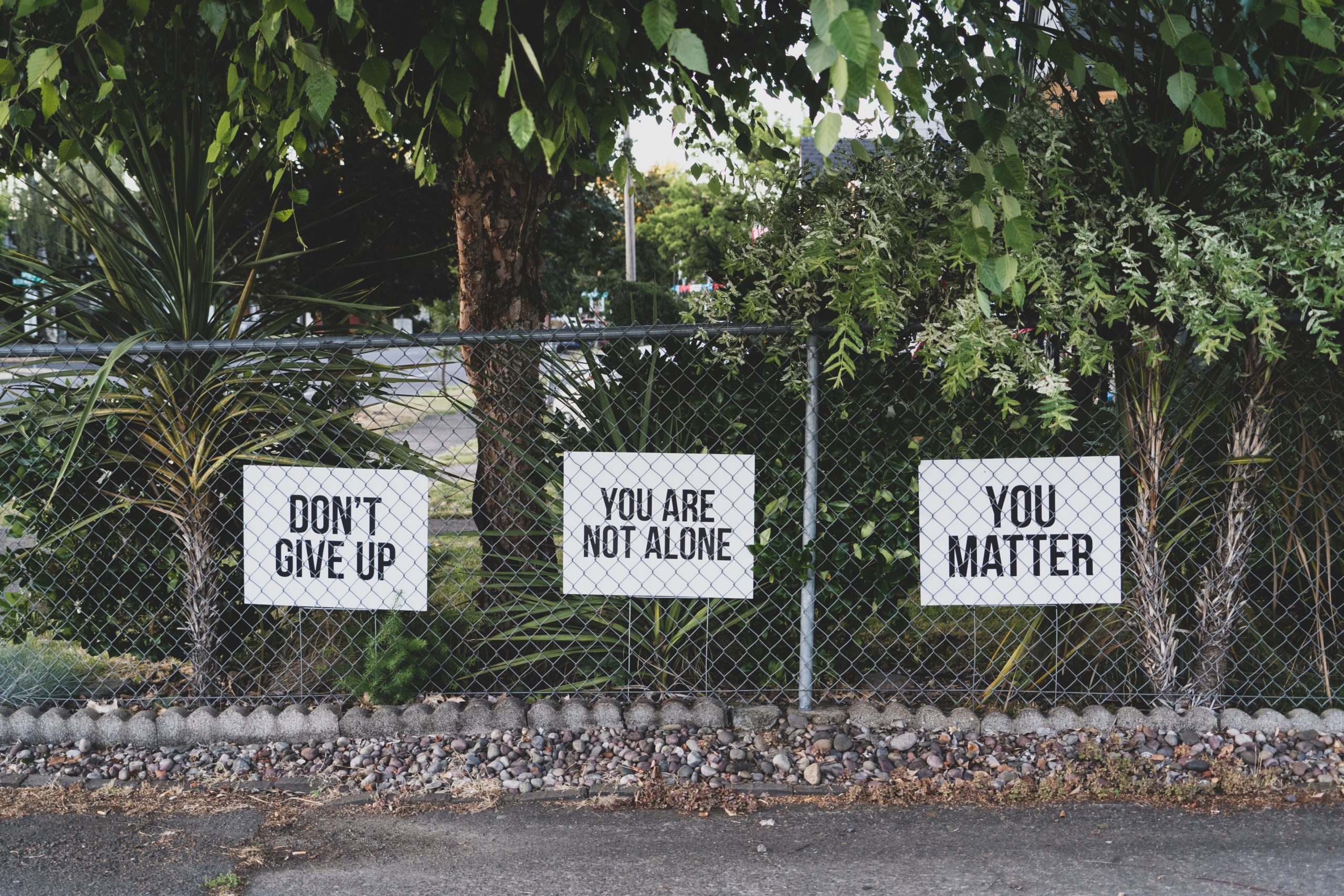
    You’re never alone in your struggles and there will always be people to help you with whatever you’re dealing with. Take advantage of this program and whatever resources are available to you. 


  • Trying to Get Into ‘the Old Mans Club’

    Trying to Get Into ‘the Old Mans Club’

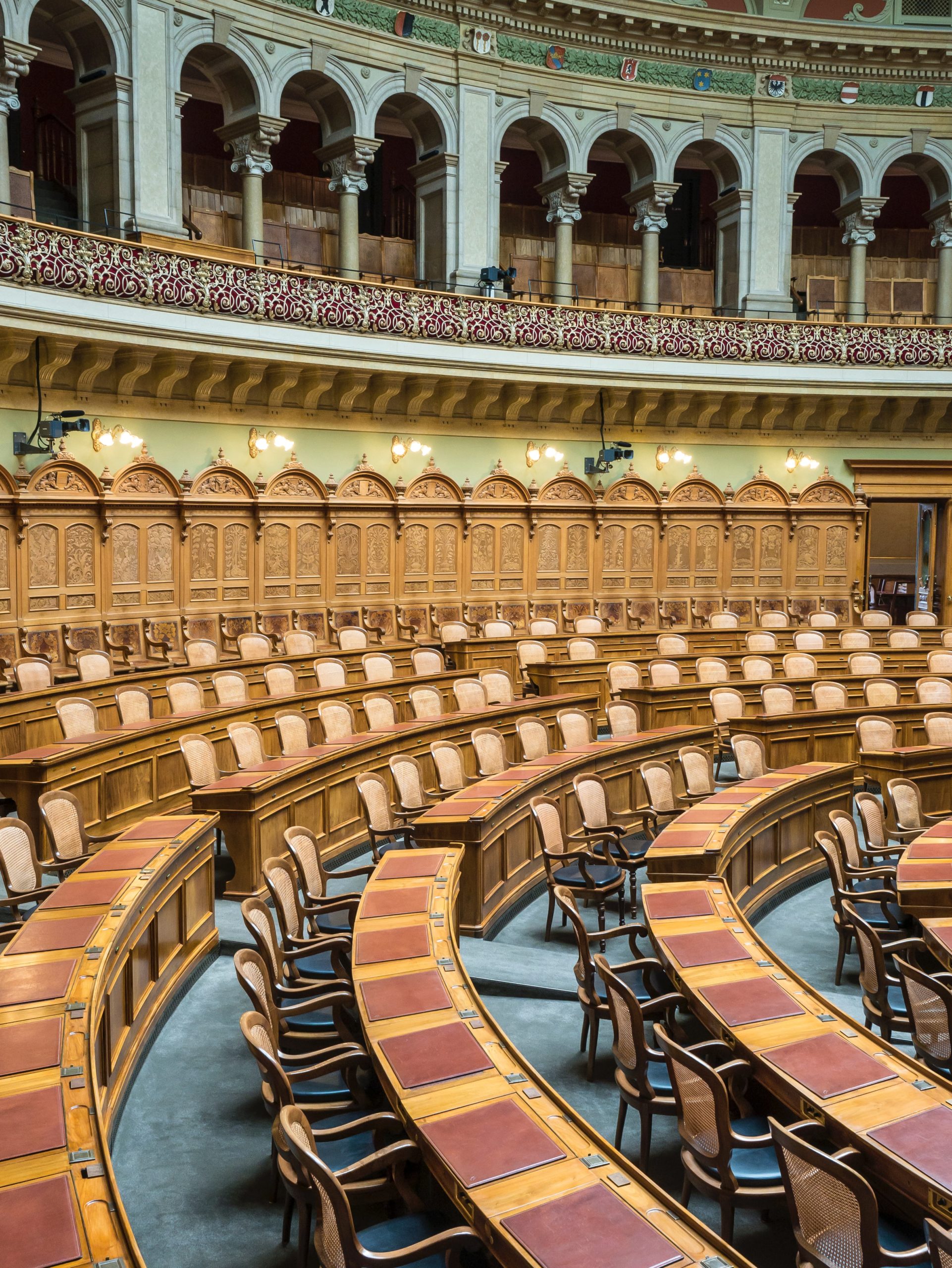
    In the most recent elections, the number of women nominated by parties has increased. After the 2021 election, women now hold 30 percent of seats in our House of Commons. In the world rankings of gender parity, we sit at the 52nd position (DASKO 2021). In the eyes of many, this would be considered a win, but these results are still inadequate. These numbers are a clear indication that our journey to gender parity is far from over. Without gender parity in the Canadian government, those who represent our country will not be representative of our population, demonstrating inequity and potential bias.

    ​Many factors contribute to the low amount of female representation in Canadian politics. One of the key contributors is the nomination of women. Women are more likely to be nominated in a riding that is harder to win (Vecchio 2019).

    A stronghold is defined as a riding which has been represented by the same party for two consecutive years and won the election by a ten percent vote margin (Vecchio 2019). In the 2019 election, only 23 percent of candidates running in strongholds were women. There were only 14 women placed in strongholds in total, while there were 48 men as candidates in their party’s strongholds (Ouellet and News 2019). During this election period, it was found that men were three times more likely to hold a party’s stronghold and were elected more often (Ouellet and Nael 2019). It was also found that both men and women who are elected in party strongholds have around the same chances of being elected (Thomas 2019). It is not the voters who are reluctant to vote for women, it is the parties who put women in more challenging positions to win. We must have an equal number of women in power compared to men because as leaders women prioritize different topics and can offer contemporary points of view on certain issues.

    ​There are many ways in which the issue of women’s underrepresentation in Canadian politics can be ameliorated. When trying to identify where the root of the issue stems from, the numbers confirm that it is not voters, but the political parties that are reluctant to increase female representation. To reduce the gap, political parties could nominate an equal number of both male and female candidates. This would disrupt the previous structure and make it challenging for political parties to have a disproportionate number of women in ridings they will not win. It would also help if the government were to adopt a definition of “stronghold riding” and report the results post-election by gender/sex. Political parties are the ones who need to commit. Studies have shown that women are more likely to run when their local party leadership has a woman in power (Thomas 2019). It has also been shown that women take longer to decide whether they want to run or not and often need more convincing (Thomas 2019). This finding suggests that parties should recruit women on an ongoing basis rather than directly before an election.

    Gender quotas and party incentives are other proven methods of increasing women’s representation in Canada. Sweden, New Zealand, Mexico and Rwanda are all countries that have adopted a gender quota and are ranked within the top ten countries globally for women’s representation in their Parliament systems (Vecchio 2019). Financial incentives are another way to entice political parties to increase female representation (Vecchio 2019). Parties, or even women elected to office, could receive a subsidy. New Brunswick attempted to do this provincially, where a party would receive a subsidy based on the most votes, but any votes that were for a female candidate weighed 1.5 greater than those of males (Poitras 2017). This would encourage parties not only to nominate more women candidates but to also put them in ridings they are more likely to win.

    Many of these ideas to increase women’s representation in Canadian politics have been scrutinized. People have expressed that a quota forces women to be nominated for their gender and not because of their political ability. Others may argue that if there is a gender quota there should also be quotas for other underrepresented groups as diversity expands further than just gender. Thirdly, it has been stated that quotas go against the true meaning of democracy and voters should elect who they want to be representing them (Vecchio 2019). Some believe that the gender gap stems from ambition differences between men and women. (CBC News 2015).

    ​The current research draws the conclusion that change needs to occur in Canada’s Parliament, specifically the nomination process. It is time to emphasize the issue of gender parity in our politics. Women deserve to be treated fairly and given equal chances to win. Political parties must adopt some of the suggested methods to increase women’s representation amongst themselves and create a proportional representation system.

  • My Body is a Temple

    My Body is a Temple


    My Body is a Temple

    Unlit candles sit beside the altar

    In this sanctuary

    I am the only worshiper

    Cobwebs cover the corners

    Broken glass lingers on the floor

    Strangers pass

    Empty prayers on their lips

    No offerings, gifts

    They glimpse the paint-peeled walls

    Wispy trees with no fruit

    And continue walking

    The temples up ahead are decked 

    With golden statues and tall pedestals

    It makes me aware that my temple is a shell

    An apparition of what it is supposed to be

  • I’m alright

    I’m alright

    I’m alright,

    Everything is alright, 

    Within my brain things have ended,

    The sun has set, 

    The curtains have closed for good, 

    The actors are packing their things now, 

    The shops have closed, 

    I’m drawing my final breath, 

    End of act. 

    I don’t know how you feel,

    But my life feels new already 

    Without you in it.

    I had to go through the pain, 

    The hurt, 

    The heartbreak, 

    And the acceptance to get here.

    Now what’s left 

    Is to pull the bandaid off, 

    Slowly, sure, 

    But off all the same.

    It was nice knowing you, 

    Give me a kiss goodbye, 

    We can reminisce later

    About all the happy memories 

    And good times we have had, 

    But not now. 

    Now is time for something new, 

    Somewhere you cannot follow. 

    Why,

    Can’t you see our roads diverged, 

    I am happy now, 

    Very content, 

    And glad we came here. 

    I never thought I would be, 

    But in a moment of clarity 

    I understand 

    Why the end is now. 

    So goodbye, 

    I’ll be alright, 

    In fact, 

    I’m alright now.


  • Homelessness

    Homelessness

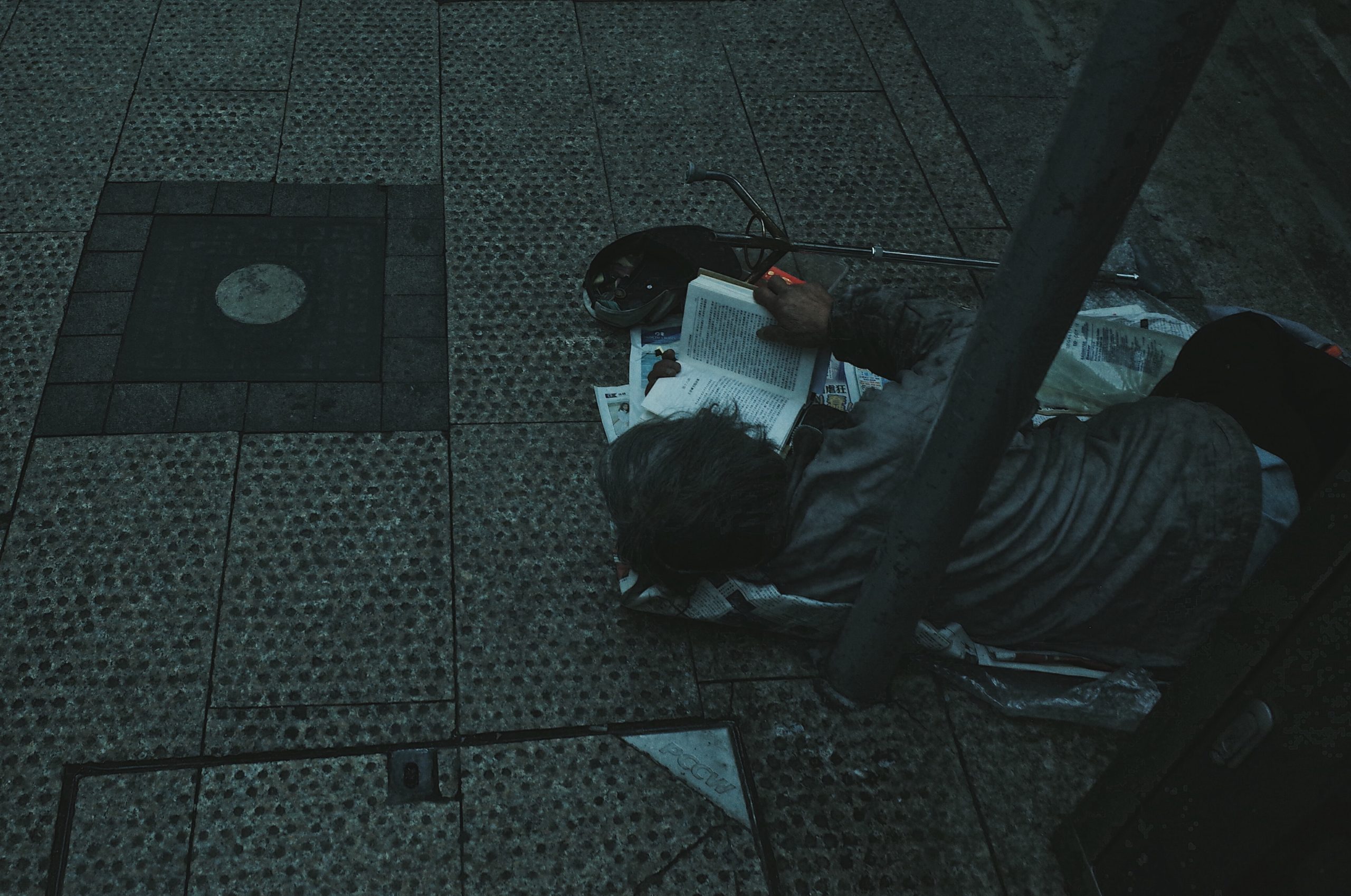
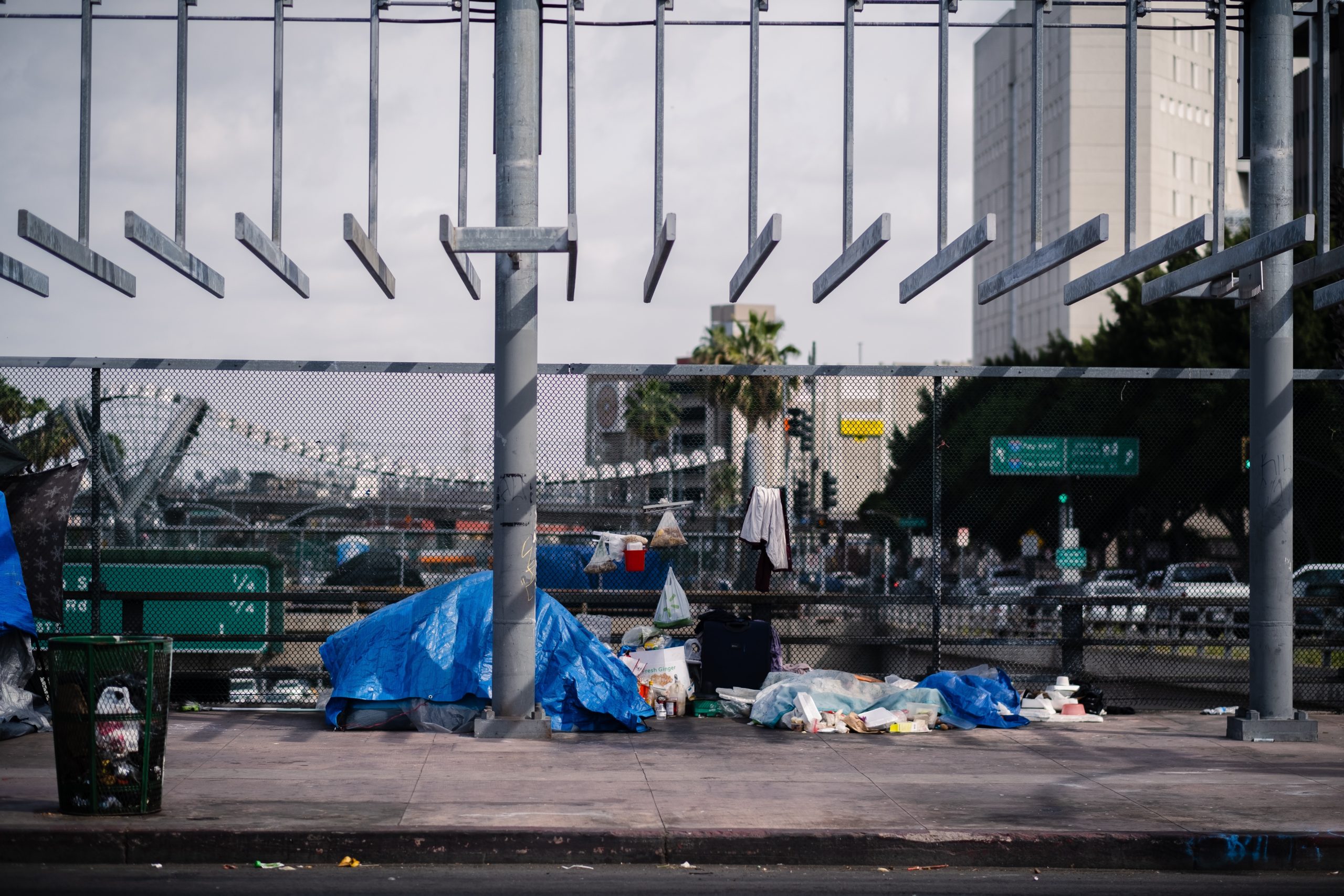
    The issue of homelessness is one that is far too common, and too often misunderstood. I’ve heard time and time again that homeless people are “just lazy” or that they choose to live like this. It’s the idea that a homeless person would rather live on the streets, be subject to mistreatment from police, the disrespect from citizens, and even the very architecture which is inherently hostile towards their very existence, than to simply “put in the work and get a job.” I’m sure I’m not the only one who was told growing up that you shouldn’t give money to those on the streets because they will “spend it on drugs” or otherwise misuse it. This mindset is suggesting that their homelessness is not because of the disadvantages they face or the way this country’s capitalistic system is orchestrated, but rather because of their misuse of money, hence why we are told it is wrong to donate and help where you can and why homelessness is always at the fault of the one suffering. 

    As a child, I lacked the awareness to think critically about the ideas and opinions I was told to believe, however, it is now very clear how incorrect statements like the ones above are and how harmful they are towards the homeless population. In order to be able to deconstruct these narratives and generalizations and tackle this ignorance and disrespect as a whole, we must first look at individual statements and ideas. 


    First, I will discuss the idea that homeless people are lazy and don’t want to put in the work to get out of poverty. Aside from this narrative being incredibly rude and disrespectful towards anyone currently homeless or living in poverty, it is also just simply incorrect. The term “lazy” is so often misused or used to mask blatant disrespect towards a person or certain group of people. For example, those suffering from depression are often labeled as “lazy” in order to downplay and belittle their illness and add another layer of shame on top of everything they are already struggling with. They’re not depressed, some will say, they’re just lazy.


    Now to put this false concept of what it is to be “lazy” in the context of the homeless population. It is similarly being used here to dismiss and belittle the struggles of others. To be lazy implies a choice. Laziness has an easy fix: simply doing something instead of nothing. Homelessness, however, does not have this easy fix. Someone doesn’t choose to be homeless just as someone doesn’t choose to be depressed, and therefore they aren’t just ignorant to the solution or not bothered to do anything regarding their current situation. 


    The idea that homeless people are lazy is often followed with the line “if they don’t want to live on the streets, they should just get a job.” This rhetoric is more harmful than the idea that a homeless person is lazy, as not only can they not be bothered to do something about their situation, but the solution is easy and effortless. Those who believe that this is true expose an inherent privilege and bias in believing that a job is all it takes to get off the streets, not even taking a second to consider that getting a well-paying job as a homeless person is far more difficult than a housed person. It is almost impossible to get a job without a home address, not to mention one that is sustainable enough to cover the cost of living. 


    The cost of living has been consistently rising over the past few years, but minimum wage has all but stayed the same. Currently, minimum wage in Nova Scotia is $13.60 an hour, while a minimum livable wage is closer to $24 an hour. Therefore, even if someone were able to secure a job without a home address, which is again unlikely, they wouldn’t be making near enough to sustain themselves, let alone get out of homelessness. If the solution to homelessness really was as simple as people say it is, it wouldn’t be nearly as big of a problem as it is now. 


    Another very disrespectful idea is the idea that you should never give a homeless person money, under the impression that they will irresponsibly spend it on drugs. It’s not like those who spread this message don’t themselves use their money to buy drugs. The only difference is that one is legal and without stigma, and the other isn’t. Other than being incredibly hypocritical, the idea that you are automatically better at managing your money than someone else simply because they’re on the streets and you aren’t is so rude and disrespectful. Just because you have the money to be housed doesn’t make you automatically more responsible, or having the moral superiority to decide what is the right or wrong way to spend your money. 


    Instead of worrying about homeless people spending their money on drugs, it is far more productive to instead focus this energy towards harm reduction. Halifax specifically has a large problem with laced street drugs. Buying drugs is much more dangerous now than it ever has been. We shouldn’t be shaming homeless people for being addicts but should instead make sure that the drugs they are consuming are safe. You can learn more about harm reduction here. The more awareness that is spread, the safer street drugs and users will be, and it will help shake the stigma around it. 


    Homelessness is never at the fault of the homeless. Rather, it is often due to a lack of affordable housing, mental illness, and a lack of available resources. Before you judge the person suffering, take the time to consider their situation and the reason they’re on the streets in the first place. Treat everyone with basic respect, regardless of income or socioeconomic status. Donate where you can, but there’s no shame in not being able to afford to donate. At the end of the day, everyone needs to learn to just be kinder to each other. We’re all human, and you aren’t any better or superior to someone with lower income and less available resources.

Betzillo positions itself as a versatile gaming hub where structured bonuses and adaptive gameplay mechanics support both short sessions and extended play.

Built with a focus on innovation, Spinbit integrates modern casino architecture with rapid transactions, appealing to players who value speed and digital efficiency.

Ripper Casino emphasizes bold entertainment through high-impact slot titles and competitive promotions crafted for risk-oriented players.

A friendly interface and stable performance define Ricky Casino, offering a casual yet reliable environment for a wide spectrum of gaming preferences.

King Billy Casino channels classic casino spirit into a modern platform, delivering recognizable themes supported by contemporary reward systems.

Immersive visuals and layered slot mechanics are at the core of Dragonslots, creating a narrative-driven casino experience.

Lukki Casino appeals to players seeking direct access and minimal friction, focusing on fast loading times and intuitive controls.

Casinonic provides a structured and dependable gaming framework, blending modern slots with transparent operational standards.